Kopie Stevia — History & Facts
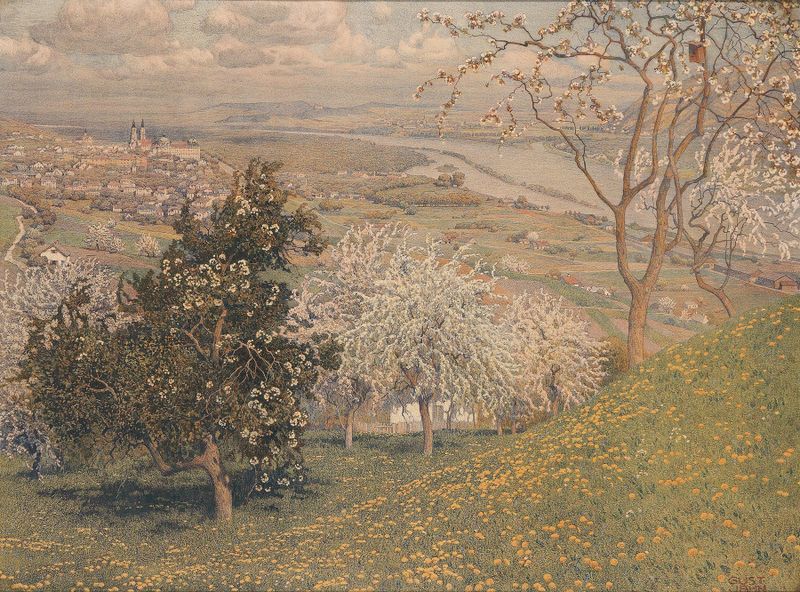
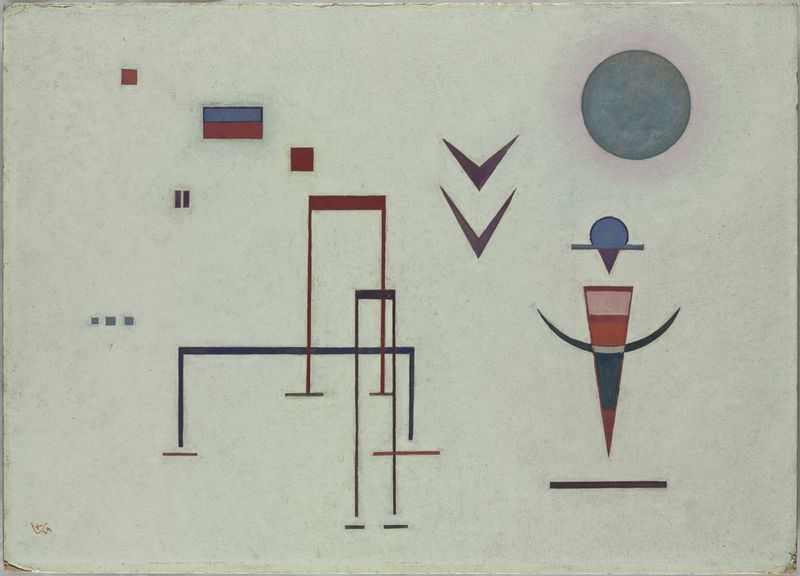
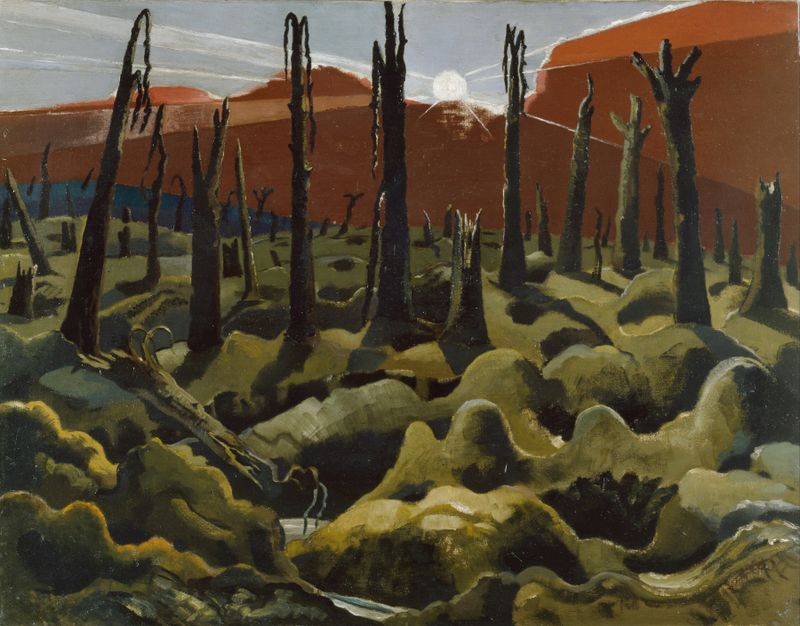
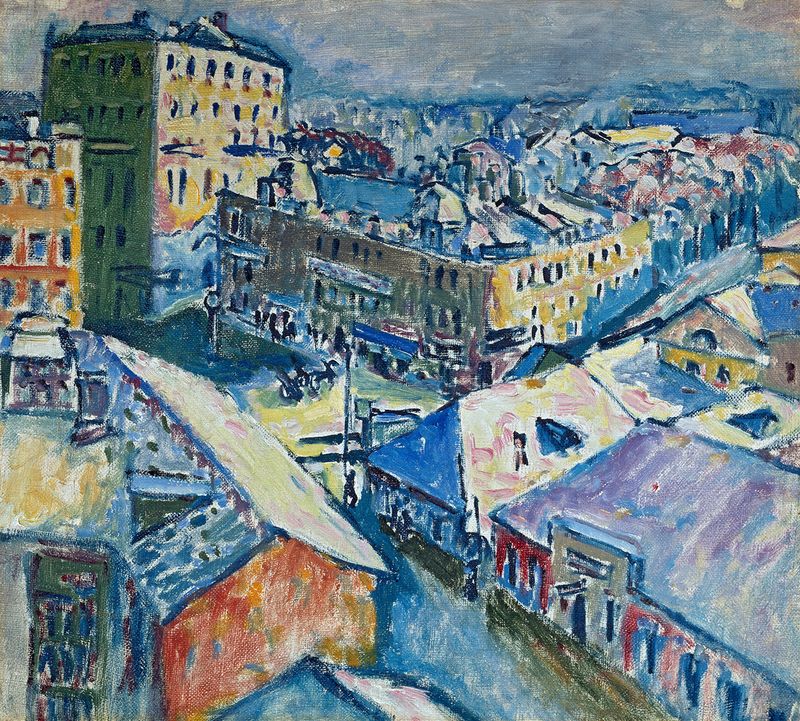
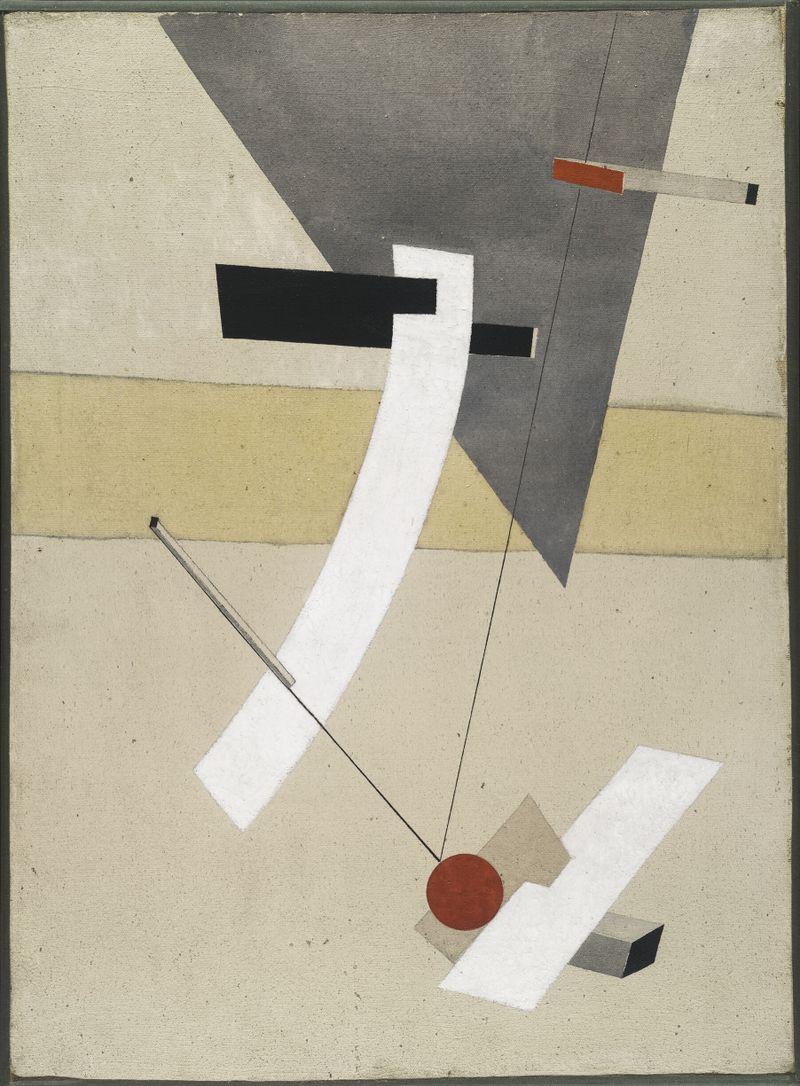
Could beauty survive in a century of chaos? In an age marked by turmoil, the question of art's resilience echoes through time and space, inviting contemplation on the nature of movement and stillness. Focus on the swirling forms that dance across the canvas, a vibrant interplay of color and energy. The undulating lines draw your eye toward the center, where shades of green and gold coalesce, creating a pulse that seems alive. Notice how the brushwork conveys a sense of motion, each stroke a testament to the artist's desire to capture fleeting moments—a visual symphony celebrating nature's dynamism. Yet, beneath the exuberance lies a tension between chaos and harmony.
The juxtaposition of soft curves against jagged edges invites reflection on the duality of existence. The use of light and shadow enhances this narrative, illuminating certain areas while leaving others obscured, suggesting that beauty often thrives amidst disorder. Each detail, from the delicate highlights to the contrasting dark hues, reinforces the notion that movement can arise from stillness. Created around an undetermined period, the artist was influenced by the philosophical currents of his time—an era grappling with industrialization and the rapid changes it brought.
As he painted Kopie Stevia, he sought to embody the essence of life itself, reflecting a world in flux while striving to capture its inherent beauty. The canvas resonates with a longing for connection, a reminder that even in chaos, art can serve as a sanctuary.