
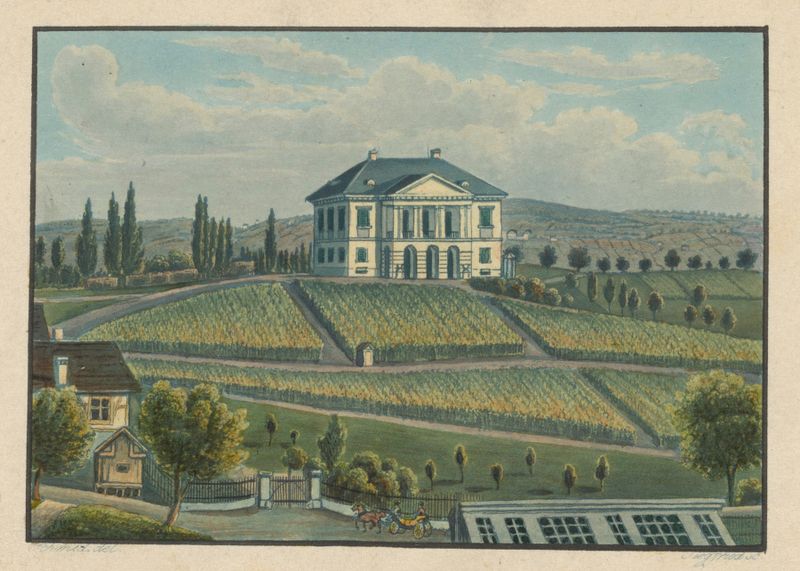
Krone au Hirschengraben à Zurich — History & Facts
Can paint confess what words never could? In the hands of Franz Schmid, the canvas becomes a silent witness to the fleeting nature of life and the weight of existence. Focus first on the haunting central figure, a lone man seated at a table, his gaze turned inward, lost in thought. The muted palette of browns and greys envelops the scene, suggesting a sense of melancholy that permeates the atmosphere. Notice how the light filters through the window, casting elongated shadows that seem to stretch time itself, blurring the lines between reality and introspection.
Every detail, from the delicate folds of his clothing to the emptiness of the surrounding space, contributes to the powerful narrative of solitude. The juxtaposition of the man’s stillness against the dynamic light brings forth a deep emotional tension—life teetering on the edge of mortality. This painting speaks to the universal struggle of confronting one’s own existence. The shadows seem to whisper of lost opportunities and regrets, while the starkness of the environment amplifies the feeling of isolation.
Each brushstroke resonates with unspoken thoughts, a reminder that silence can often articulate what language cannot. During the period from 1915 to 1945, the artist found himself immersed in a world fraught with turmoil, marked by wars and a grappling with identity. Living in Zurich, Schmid was influenced by the tumult of a Europe in crisis, yet he also engaged deeply with the introspective currents of modernist thought. This work reflects not only his personal struggle with the chaos surrounding him but also a broader examination of human vulnerability and the search for meaning in an uncertain world.
More Artworks by Franz Schmid
Browse all →
Ansicht des Neuen Murtentors in Bern
Franz Schmid
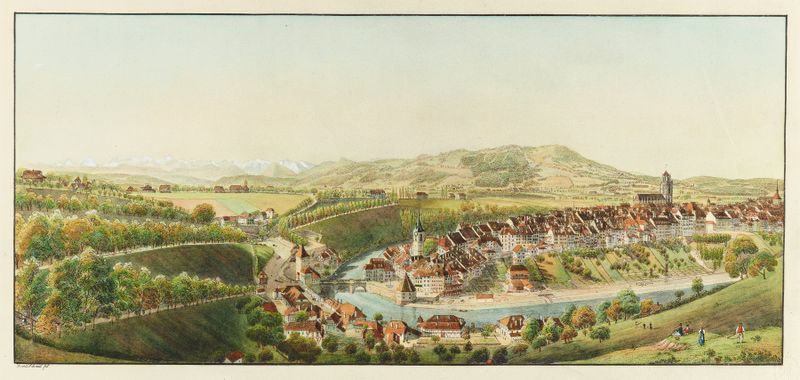
Vue de la partie inférieure de la ville de Berne
Franz Schmid
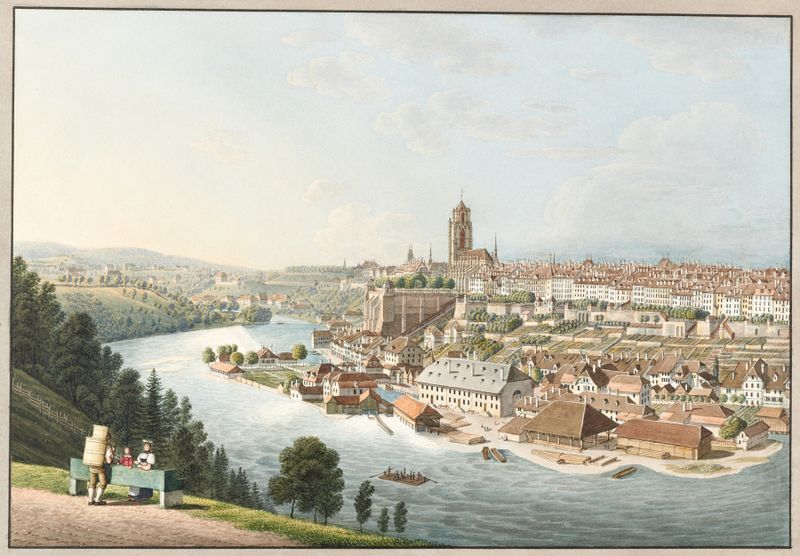
Vue de la Ville de Berne prise sur la route de Thoune
Franz Schmid
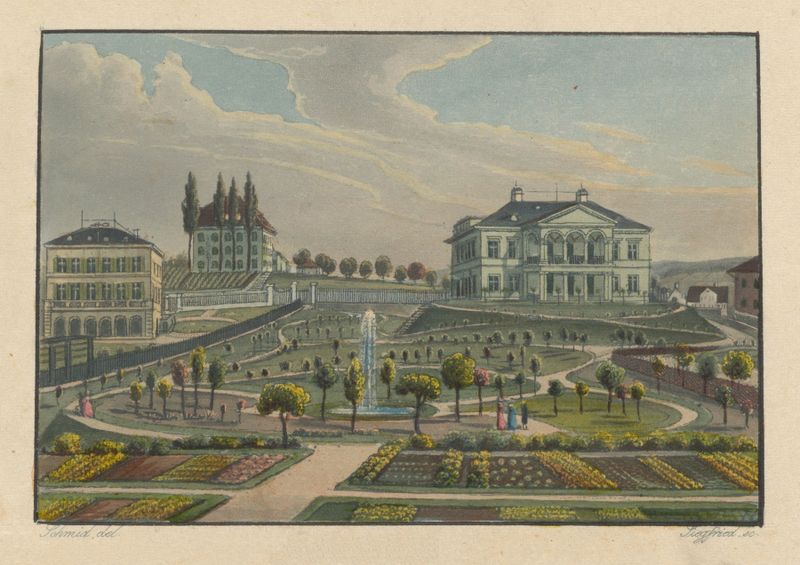
Schönbühl campagne près de Zurich
Franz Schmid
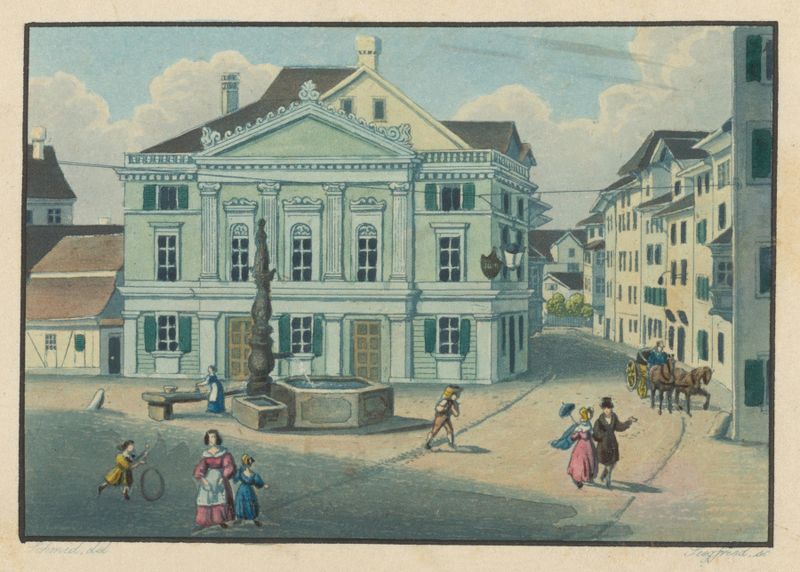
Locher’sche Apotheke
Franz Schmid
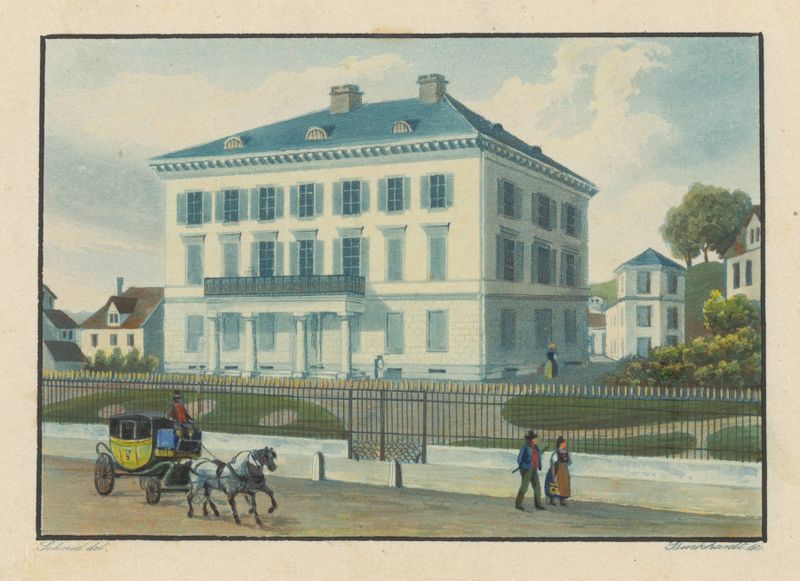
Sihlgarten à Zurich
Franz Schmid
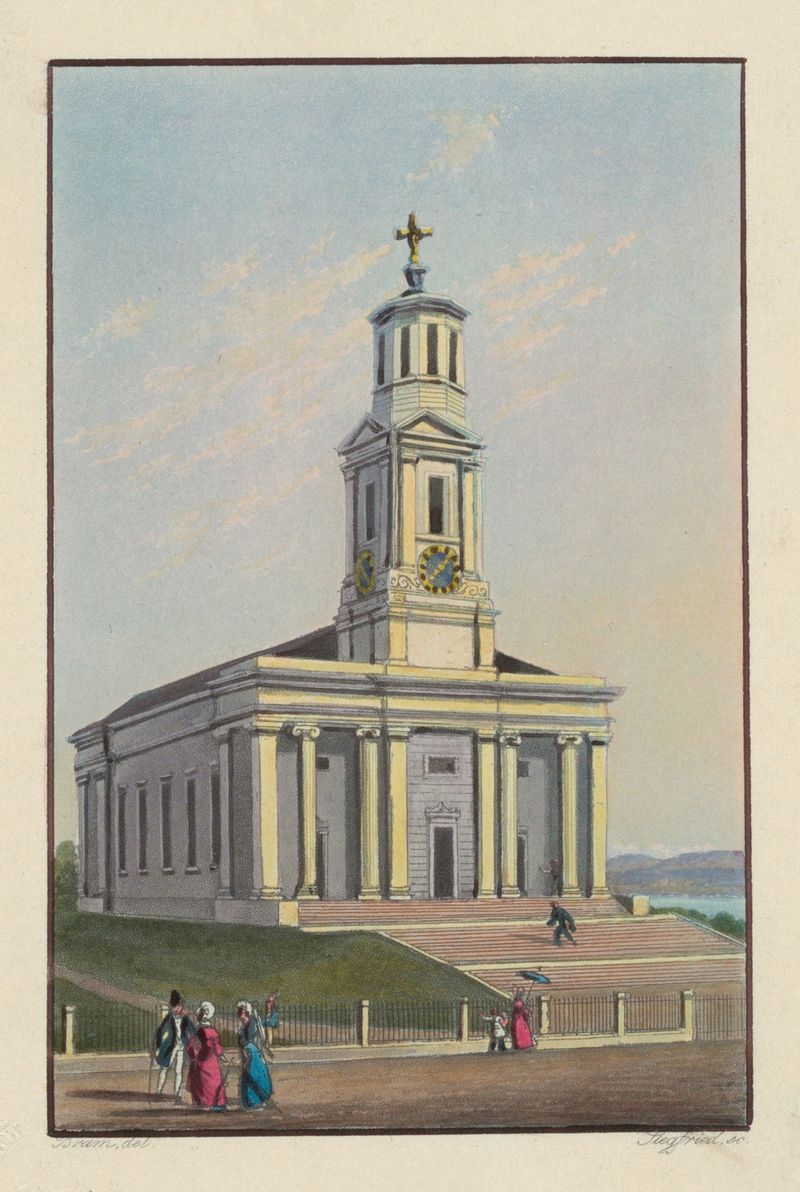
Neumünster près de Zurich
Franz Schmid
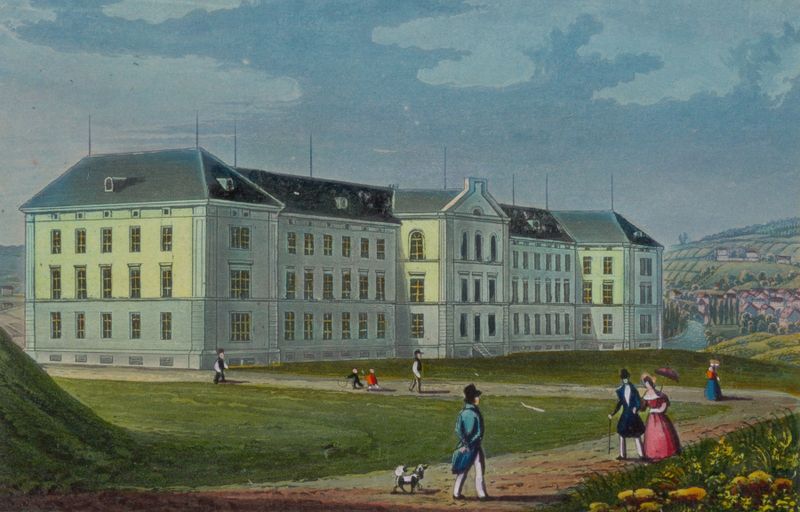
Das Pfrundhaus ; Hôtel-Dieu de Zürich
Franz Schmid
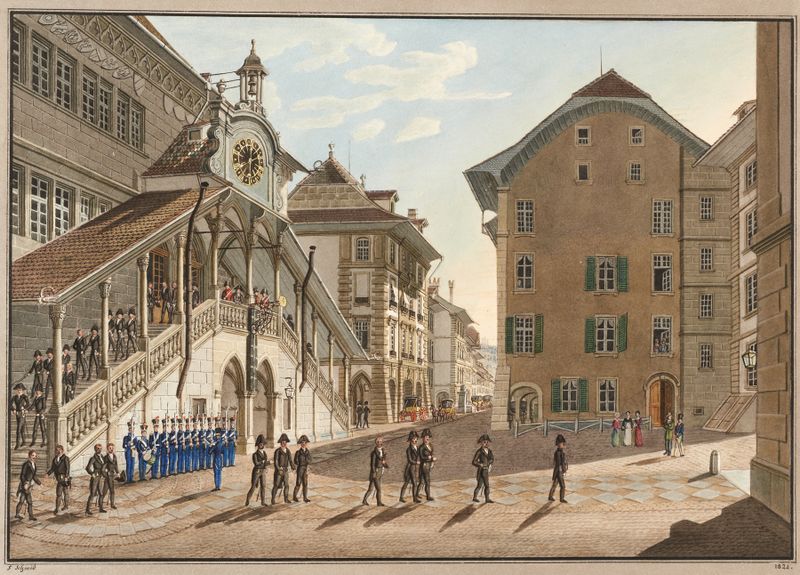
Le grand-conseil de Berne, sortant de l’Hotel de ville
Franz Schmid
Freudenberg campagne près de Zurich
Franz Schmid





