
Freudenberg campagne près de Zurich — History & Facts
In the delicate interplay of hues, there exists a fragility that both captivates and unsettles the viewer. Each brushstroke reveals a world where emotions intertwine with the very essence of the landscape, inviting us to contemplate the transient nature of existence. Focus on the soft, muted palette of greens and browns that dominate the composition. Look to the center where gentle hills undulate under a serene sky, evoking a sense of peace that belies the tumultuous era in which it was created.
The light is gentle, casting soft shadows that dance along the contours of the terrain, inviting an air of nostalgia. Notice how the delicate textures in the foreground seem to blur the lines between form and feeling, contributing to a poignant atmosphere that feels both grounded and ethereal. At first glance, the painting may appear simplistic, yet its layers reveal contrasting themes of stability and transience. The verdant fields evoke a sense of life and continuity, while the empty, open spaces whisper of solitude and loss.
This duality speaks to a broader human experience—one rife with the tension between the beauty of nature and the fragility of our own existence. Each element, from the distant horizon to the intricate detailing of the grass, mirrors the complexity of life itself, reminding us that beauty often coexists with vulnerability. Franz Schmid painted Freudenberg campagne près de Zurich during a time marked by turmoil and uncertainty, specifically between 1915 and 1945. Living in Switzerland, he was influenced by the surrounding landscapes while navigating the challenges of both World War I and II.
This period saw a heightened focus on emotional depth in art, as many sought solace in the natural world amidst the chaos, resulting in works that reflect both personal and collective struggles.
More Artworks by Franz Schmid
Browse all →
Ansicht des Neuen Murtentors in Bern
Franz Schmid
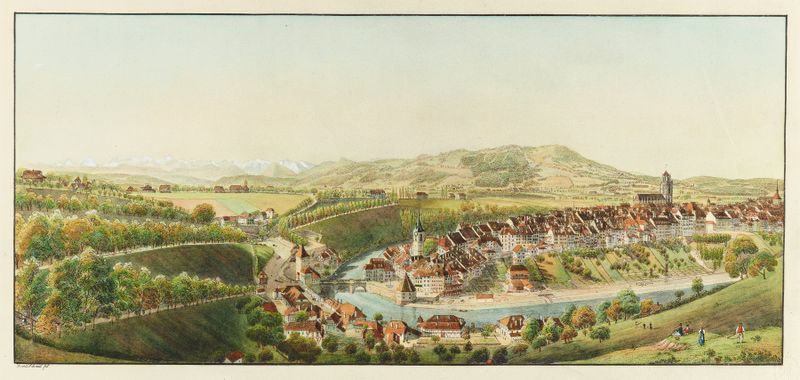
Vue de la partie inférieure de la ville de Berne
Franz Schmid
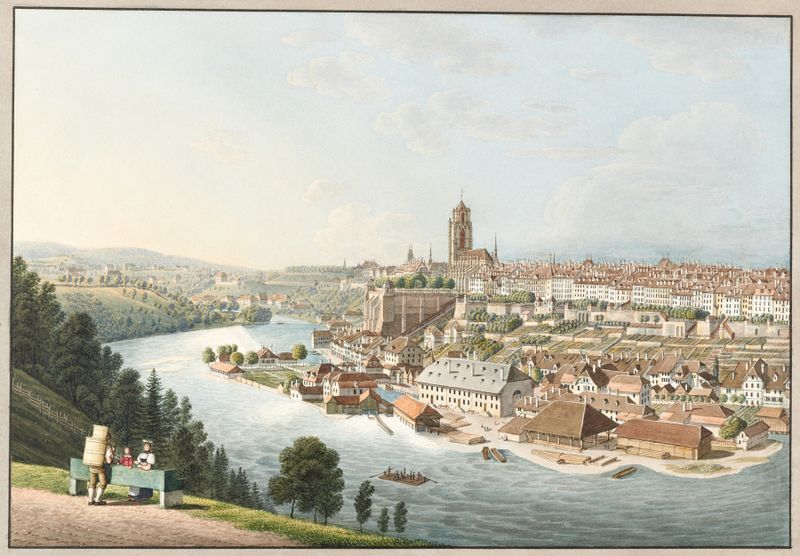
Vue de la Ville de Berne prise sur la route de Thoune
Franz Schmid
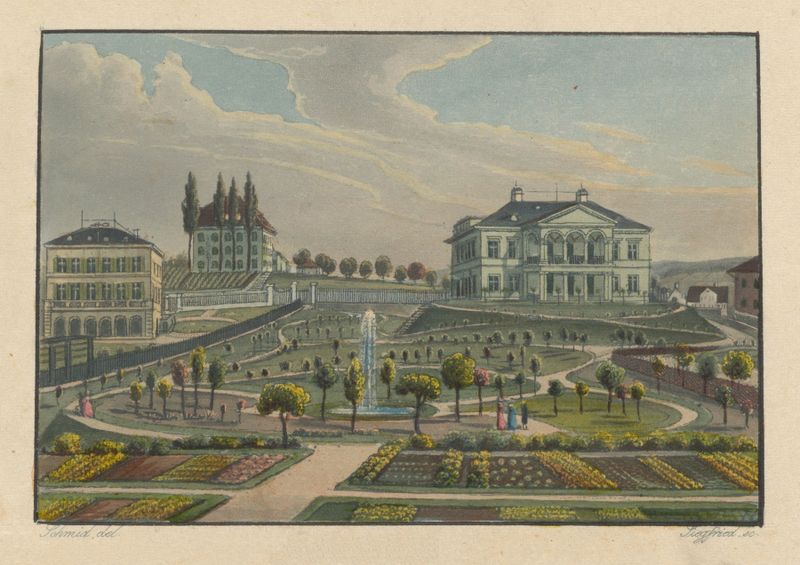
Schönbühl campagne près de Zurich
Franz Schmid
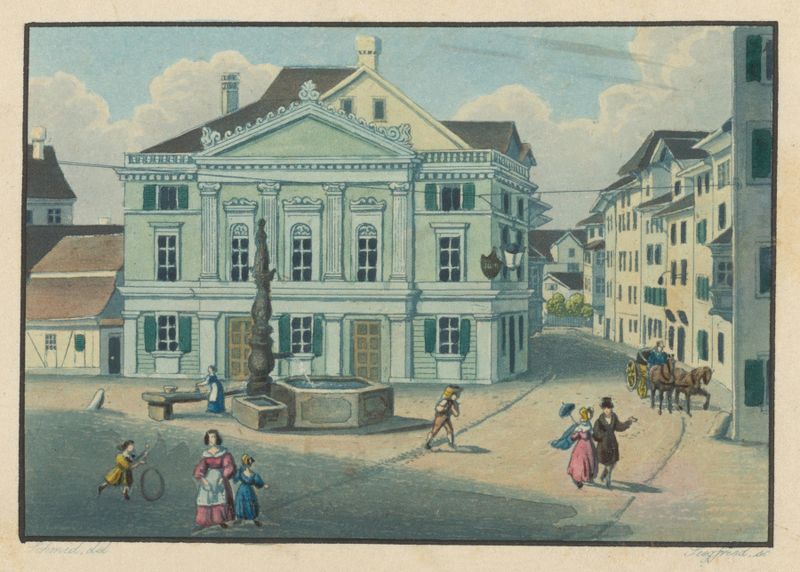
Locher’sche Apotheke
Franz Schmid
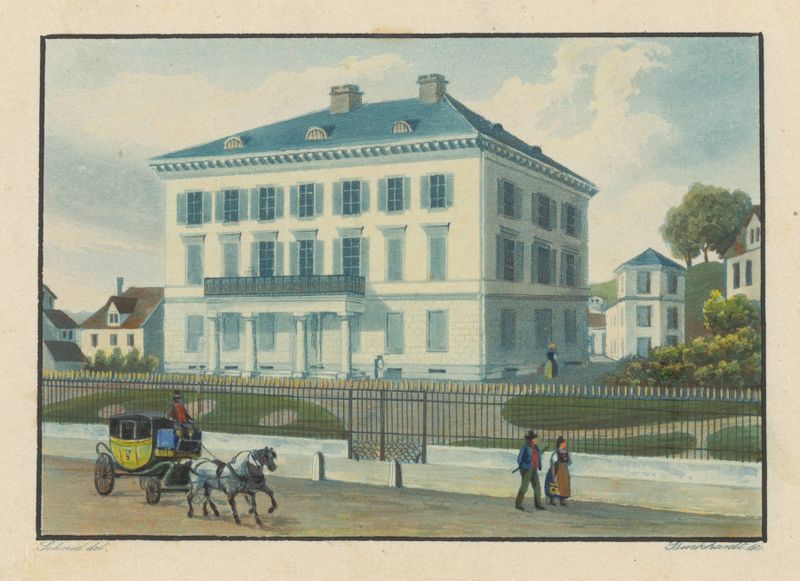
Sihlgarten à Zurich
Franz Schmid
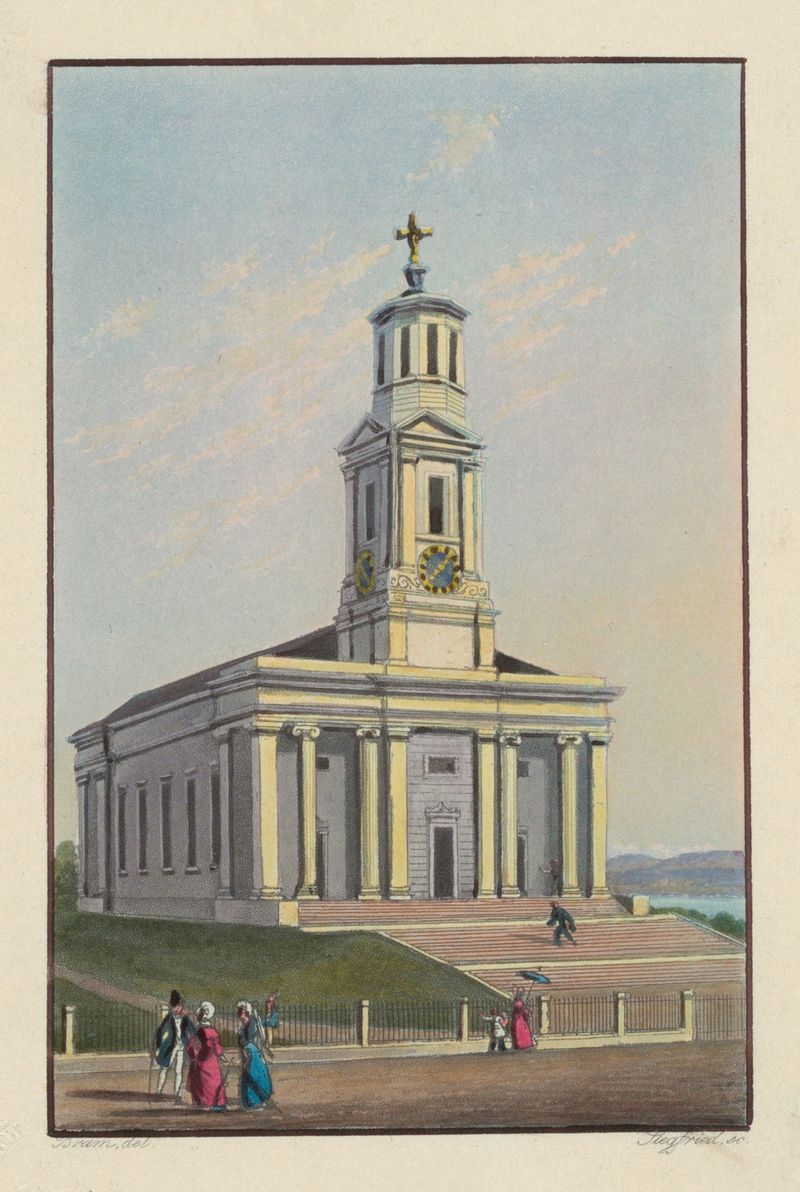
Neumünster près de Zurich
Franz Schmid
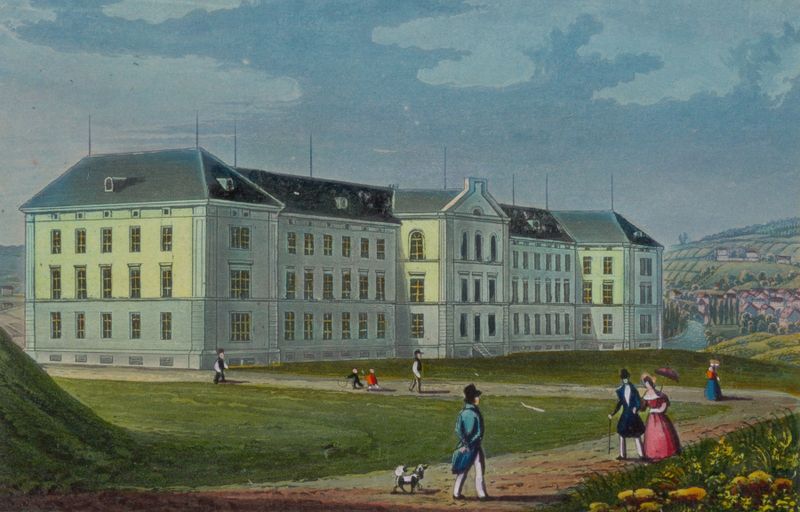
Das Pfrundhaus ; Hôtel-Dieu de Zürich
Franz Schmid
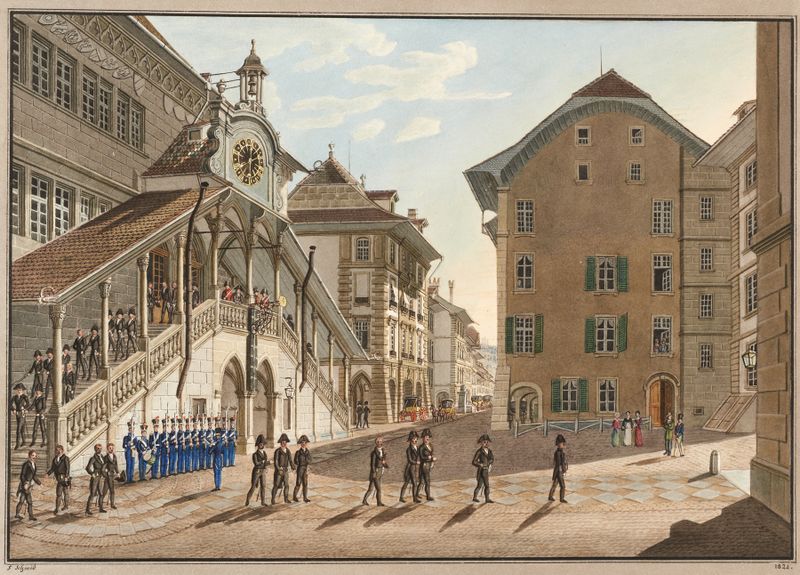
Le grand-conseil de Berne, sortant de l’Hotel de ville
Franz Schmid
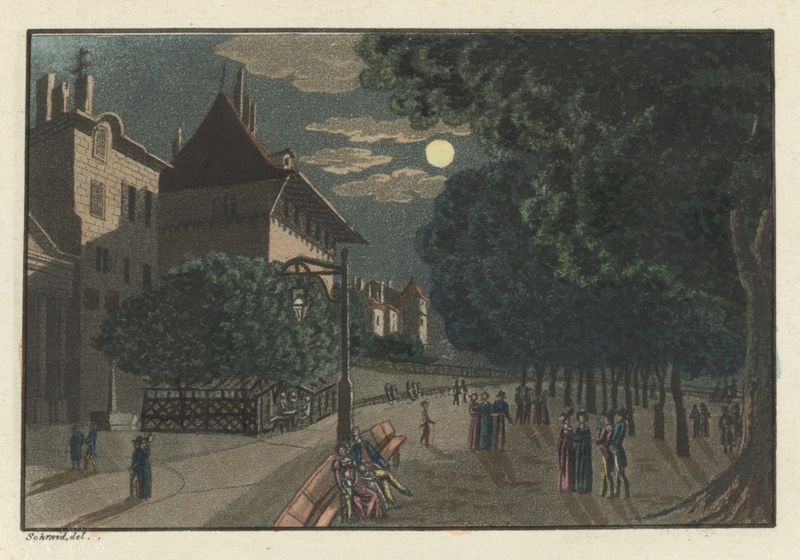
Vue de la Treille à Genêve
Franz Schmid





