
Käsertz bei Bern — History & Facts
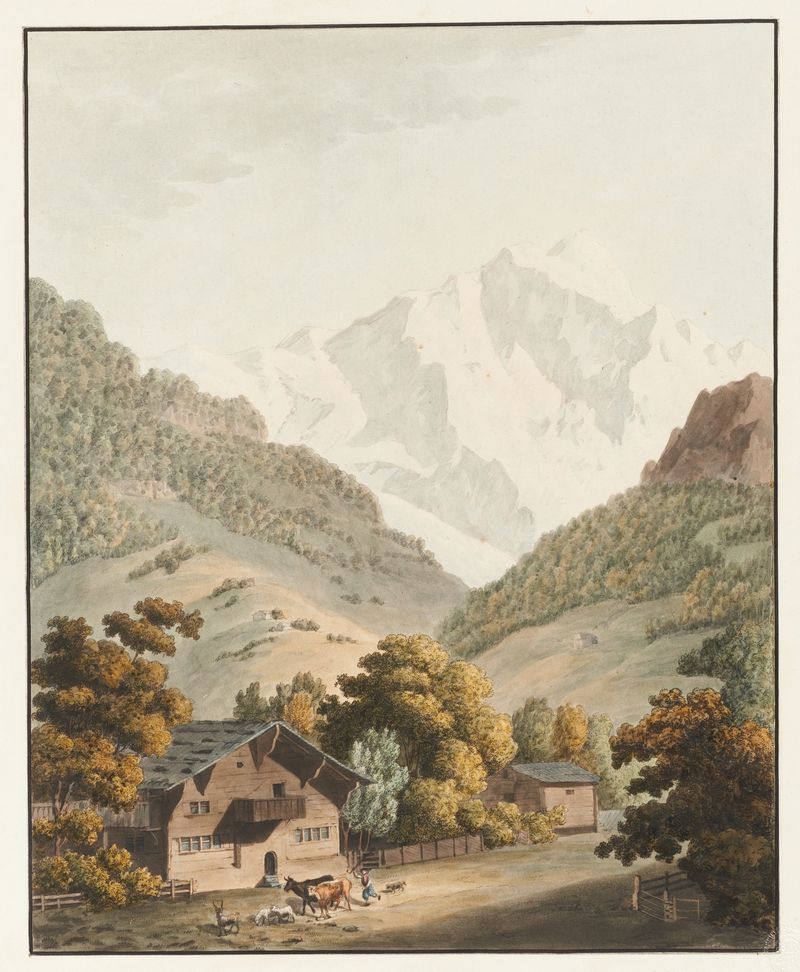
Can paint confess what words never could? In Käsertz bei Bern, Johann Ludwig Aberli captures not merely a landscape but an invitation into the silence of shadowed valleys and sunlit pastures, allowing the viewer's imagination to wander through the untouched beauty of the Swiss countryside. Focus on the vibrant greens that dominate the canvas, where the contrast of light brings a heartbeat to the scene. Notice how the shadows stretch languidly across the rolling hills, creating a rhythm that draws your eyes along the undulating terrain. The careful brushwork renders the textures of the grass and the subtle play of light, enriching the experience and inviting you to linger in this pastoral serenity. Beneath the surface, the artwork evokes a quiet tension between the forces of nature and the human presence that pervades the landscape.
The shadows suggest a temporary absence, hinting at unseen stories beneath the calm exterior. This interplay reflects a duality of freedom and restraint; the viewer is free to roam the landscape, yet the shadows remind us of the constraints that nature can impose. Here, the simplicity of rural life speaks volumes, whispering of both solitude and connection. During the late 18th century, Aberli painted this work amidst the rising tide of Romanticism, a movement that sought to transcend the confines of rational thought and embrace emotional depth.
Living near Bern, he experienced firsthand the enchantment of the Swiss landscape, which served as both muse and backdrop as artists began to explore nature's expressive power. The absence of a specific date underscores the timeless quality of this serene moment, resonating with the viewer long after they leave its embrace.
More Artworks by Johann Ludwig Aberli
Browse all →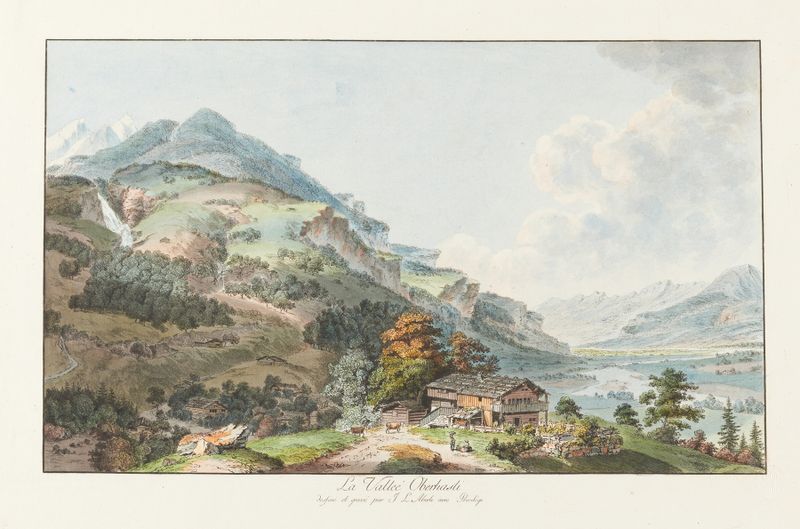
La Vallée Oberhasli
Johann Ludwig Aberli
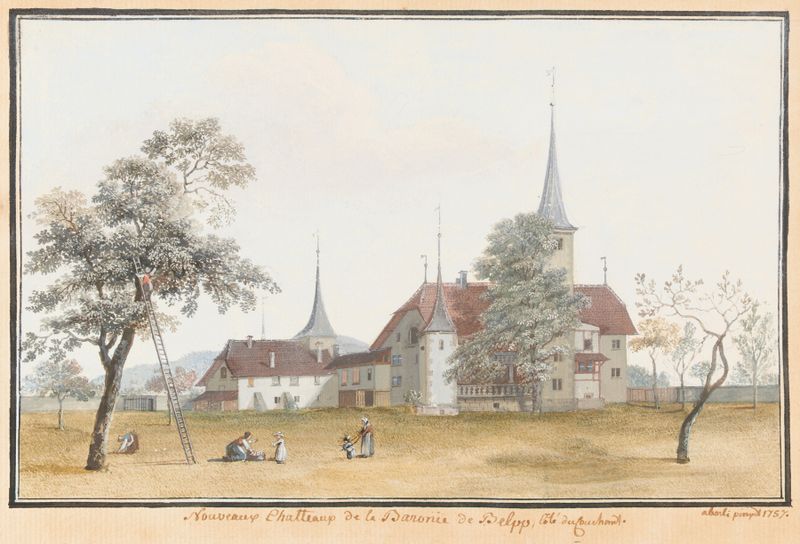
Nouveaux Chatteaux de la Baronie de Belpp; Côté du Couchant
Johann Ludwig Aberli
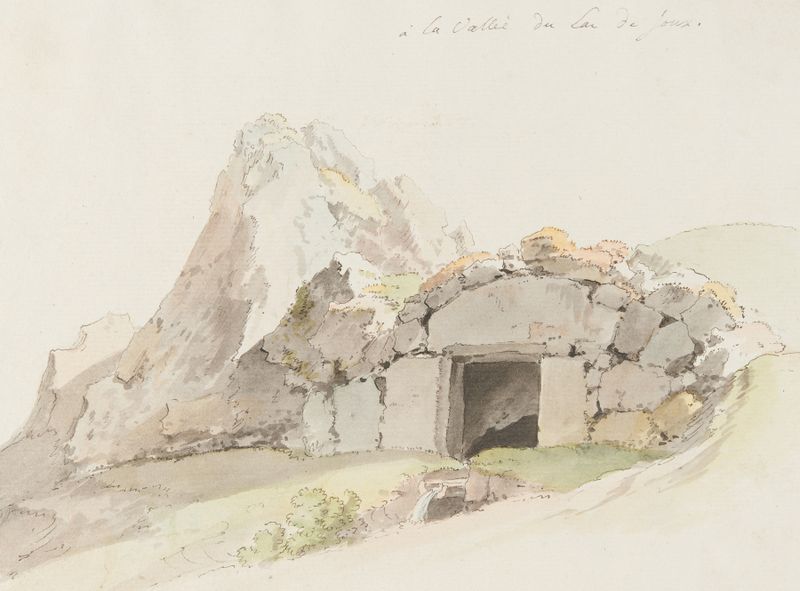
à la Vallèe du Lac de Joux
Johann Ludwig Aberli
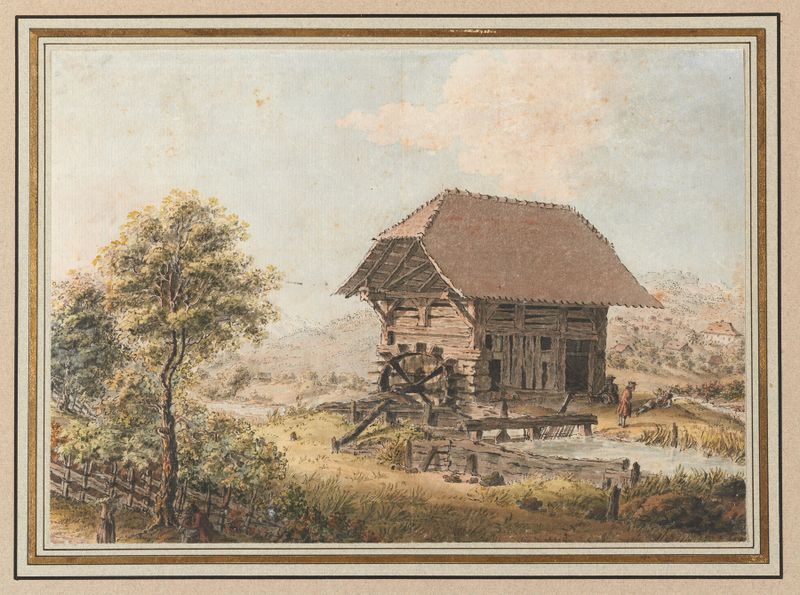
Ansicht einer Mühle im Berner Mittelland
Johann Ludwig Aberli
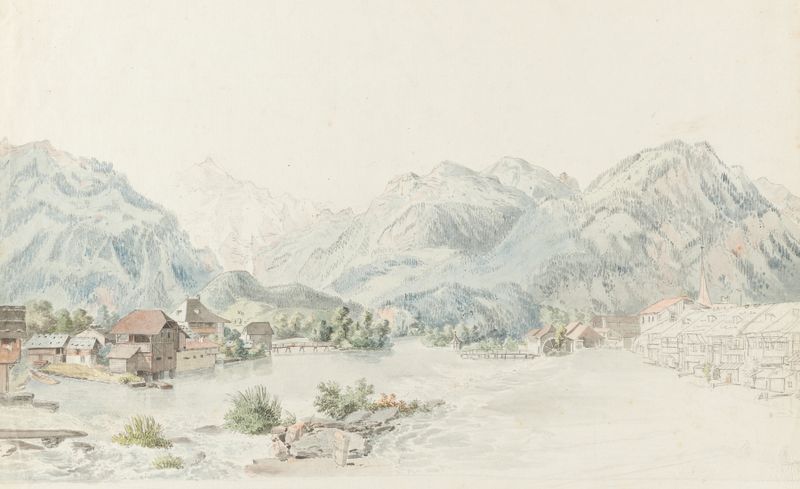
Ansicht von Unterseen
Johann Ludwig Aberli
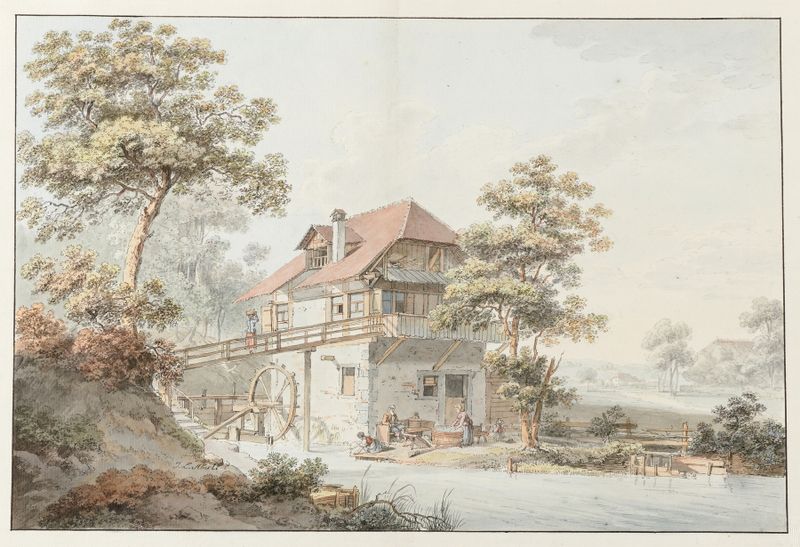
Ansicht einer Mühle im Berner Mittelland.
Johann Ludwig Aberli
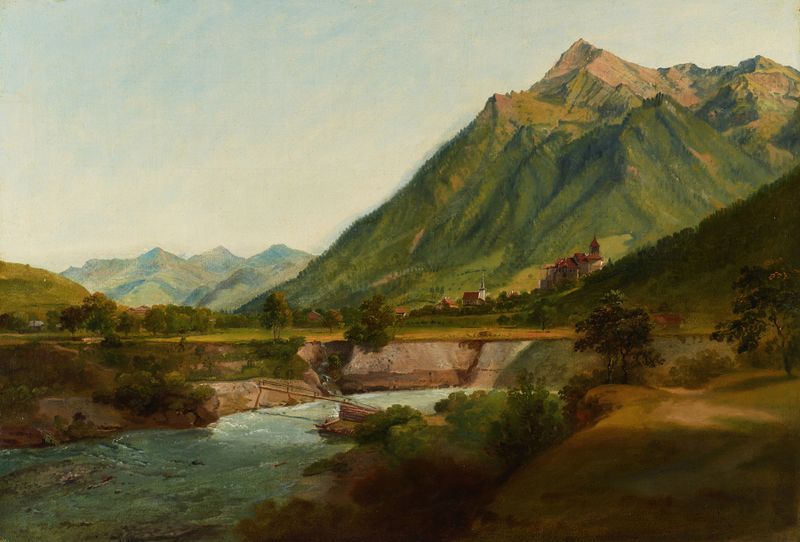
Vue du Château de Wimmis et des environs
Johann Ludwig Aberli
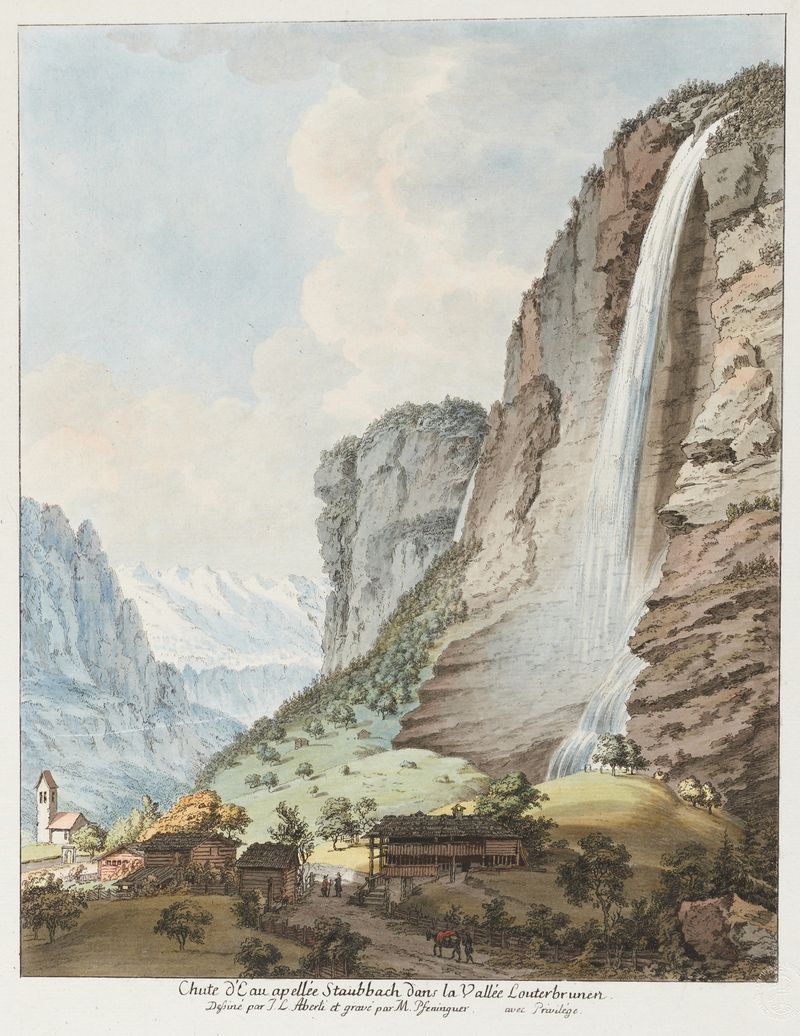
Chute d’Eau apellée Staubbach dans la Vallée Louterbrunnen
Johann Ludwig Aberli
Vue du Jungfrau-Horn
Johann Ludwig Aberli
Vue du Village et du Lac de Brientz
Johann Ludwig Aberli





