
Kukkaharjoitelma — History & Facts
A single, delicate bouquet commands the viewer’s attention, its petals rendered in gentle washes of pink and violet that seem to float above the page. The artist’s hand lingers on the subtle transitions of color in the blossoms, while the stems and leaves are captured with a lively, almost spontaneous energy. Around this careful study, the page is alive with the ghostly outlines of pencil sketches—angels with flowing hair, banners, and ornamental motifs—hinting at the artist’s restless search for form and meaning.
The contrast between the finished watercolor and these tentative lines draws the eye back and forth, inviting us to imagine the process unfolding. It is as if we are witnessing a private moment in the studio, where ideas bloom and evolve before our eyes. Kukkaharjoitelma belongs to a world where artists like Albert Edelfelt bridged academic discipline and personal expression, often preparing studies such as this for larger compositions or decorative projects. In the late nineteenth and early twentieth centuries, such works were both exercises in observation and stepping stones toward more ambitious undertakings—sometimes for public commissions, sometimes for intimate gifts.
The presence of angels and banners in the margins suggests connections to memorial or commemorative art, a genre that flourished in this era of civic pride and private remembrance. Today, the work resides in the Finnish National Gallery’s collection, a quiet testament to the artist’s process and the enduring appeal of nature’s fleeting beauty. Look again at the flowers: they are both a finished thought and a beginning, poised between the real and the imagined.
More Artworks by Albert Edelfelt

The Day of Rest
Albert Edelfelt
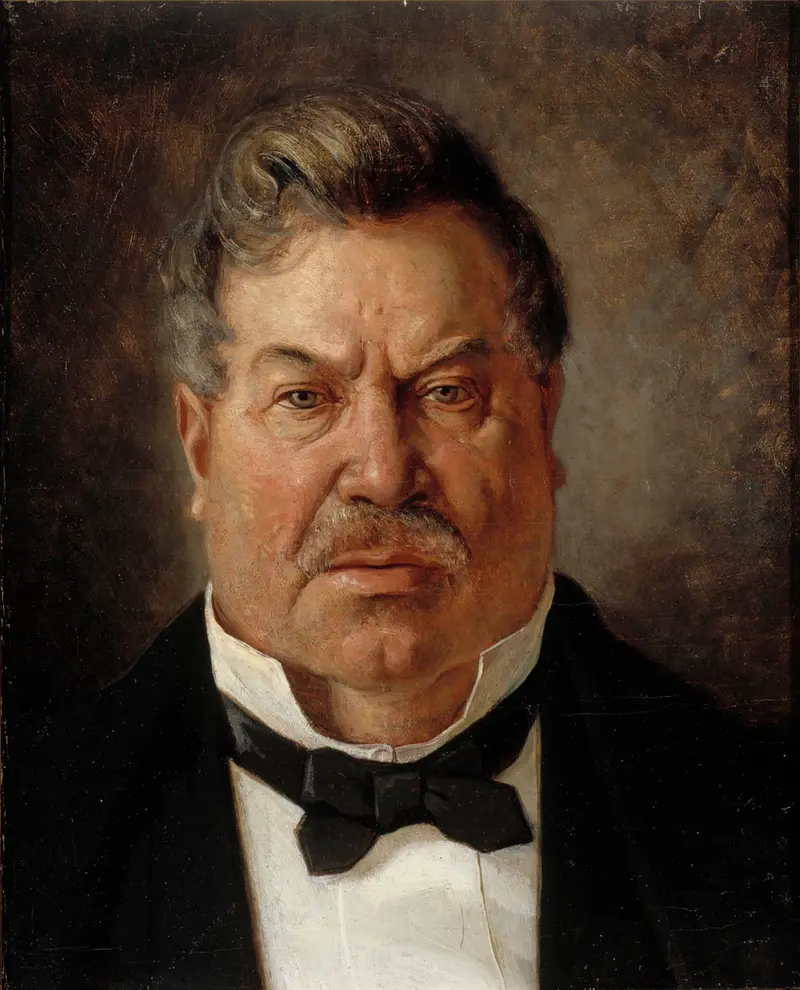
Portrait of August Streng
Albert Edelfelt
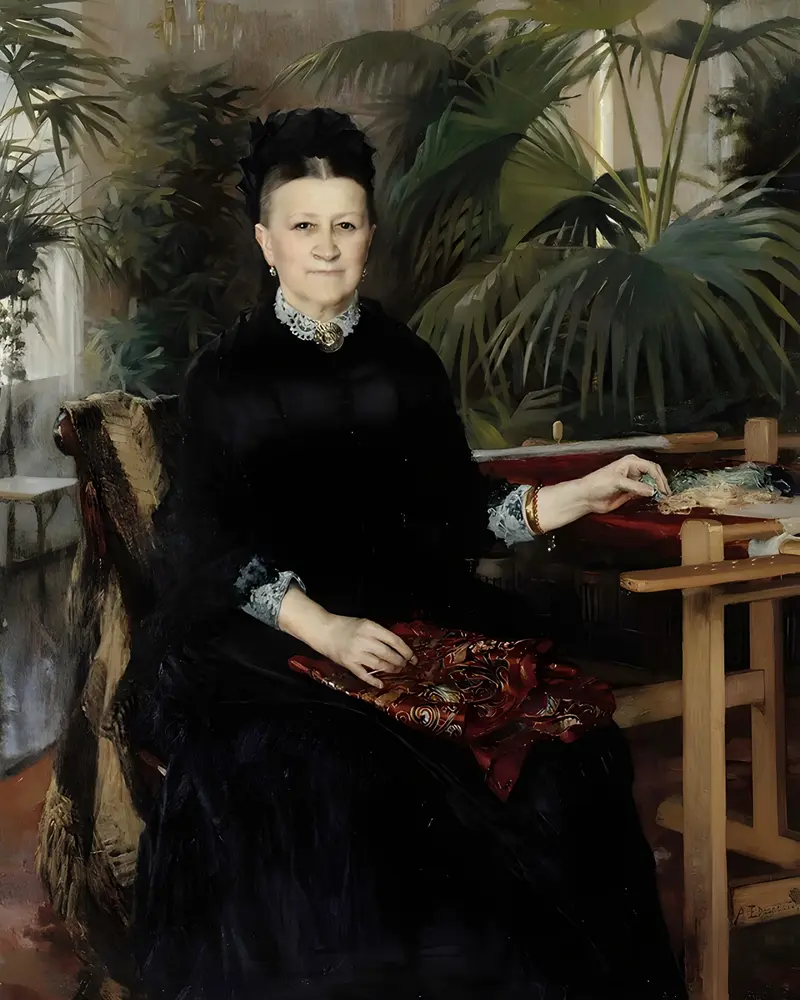
Portrait Of Mrs. Anna Sinebrychoff
Albert Edelfelt

The Poet, Larin Paraske
Albert Edelfelt

Parisian lady in a Peignoir
Albert Edelfelt
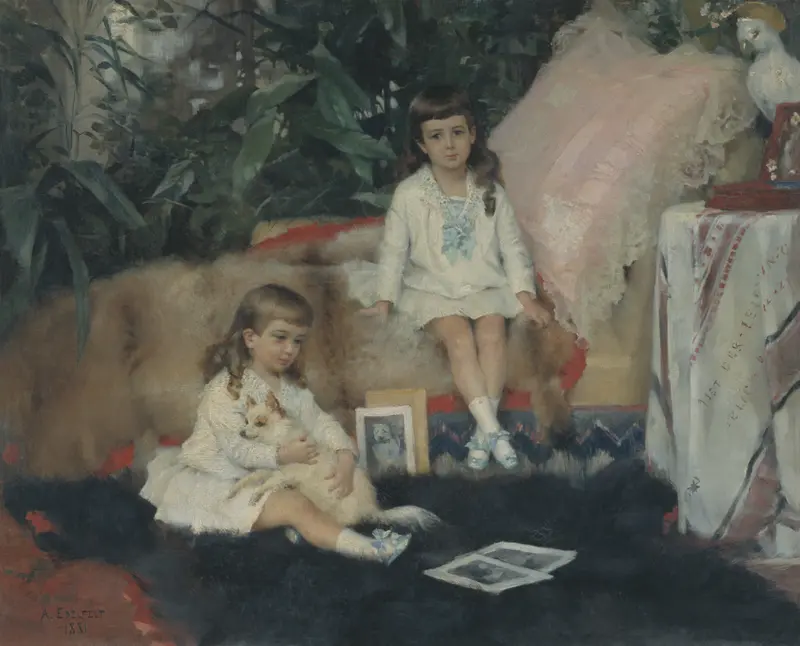
The Grand Dukes Boris and Kirill Vladimirovich as Children
Albert Edelfelt
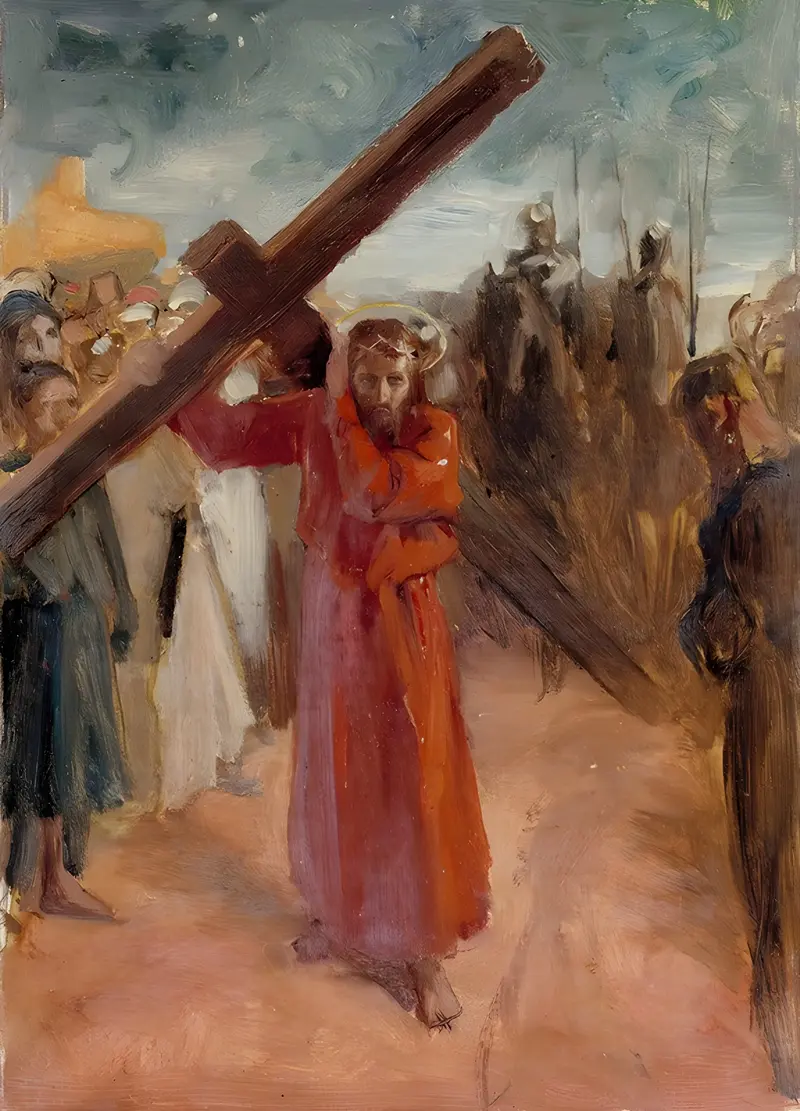
Christ Bears The Cross
Albert Edelfelt
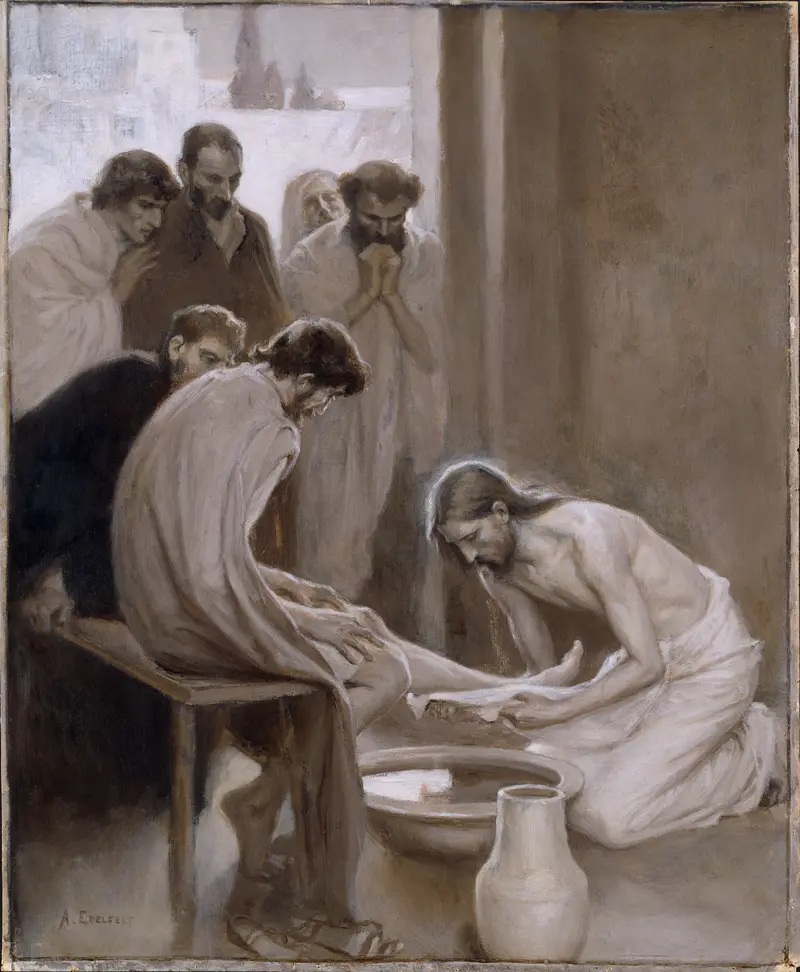
Jesus Washing the Feet of his Disciples
Albert Edelfelt

Larin Paraske with Kantele
Albert Edelfelt
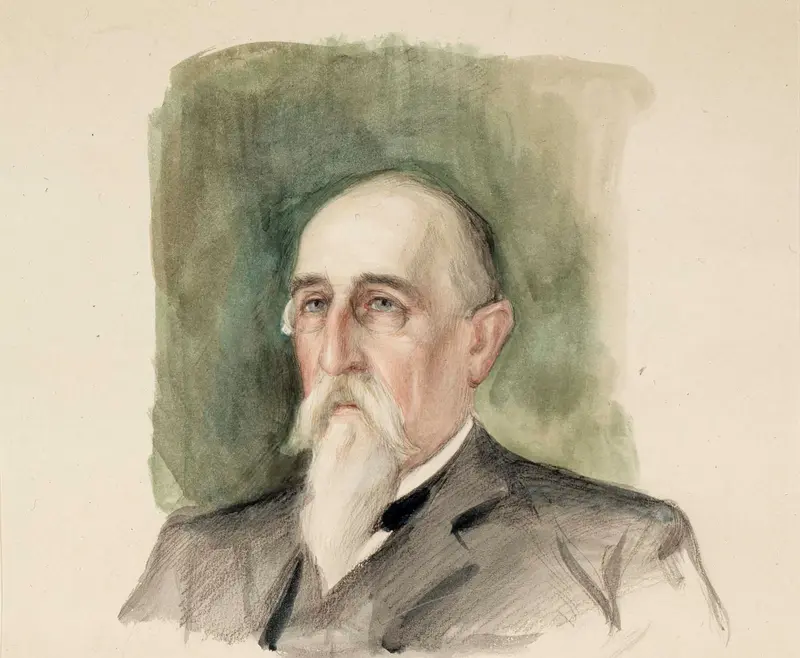
Leo Mechelin, Portrait Study
Albert Edelfelt





