Kuttrolf van filigraanglas — History & Facts
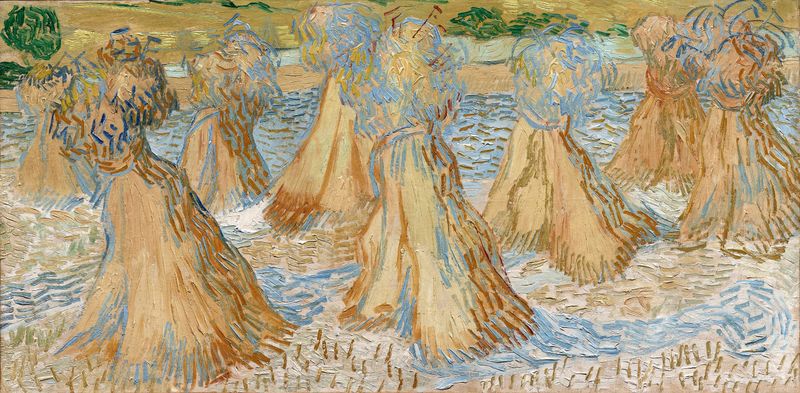
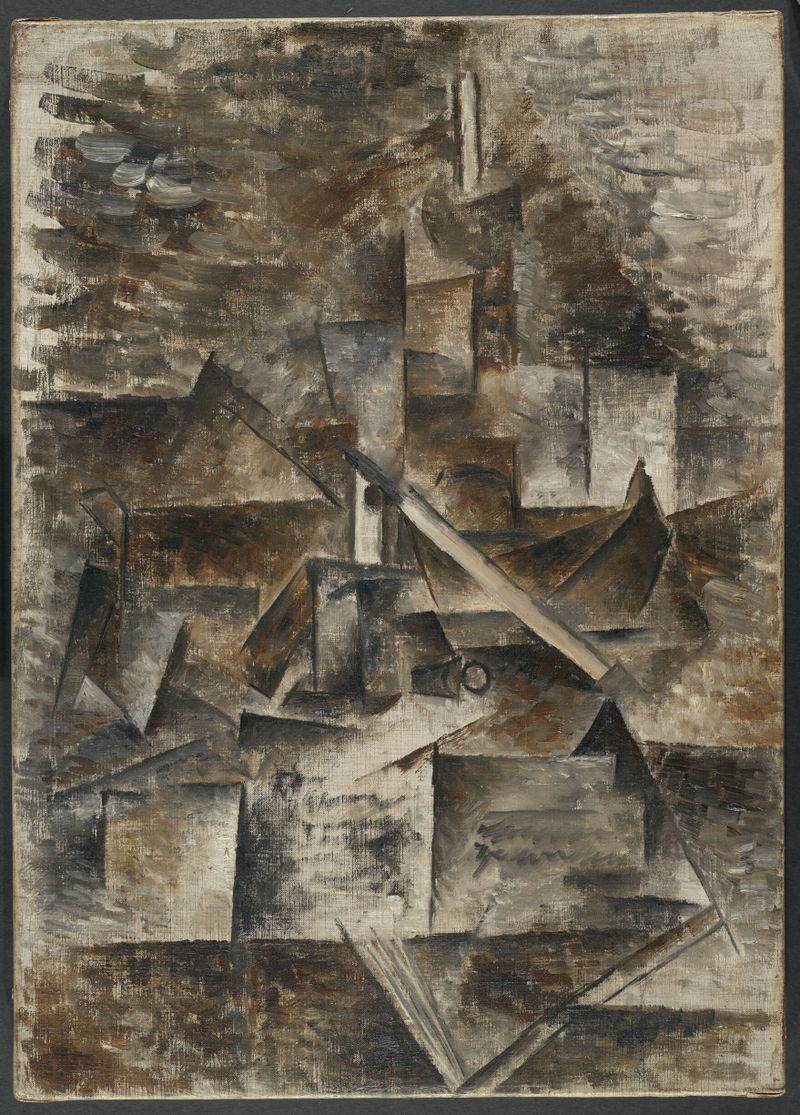
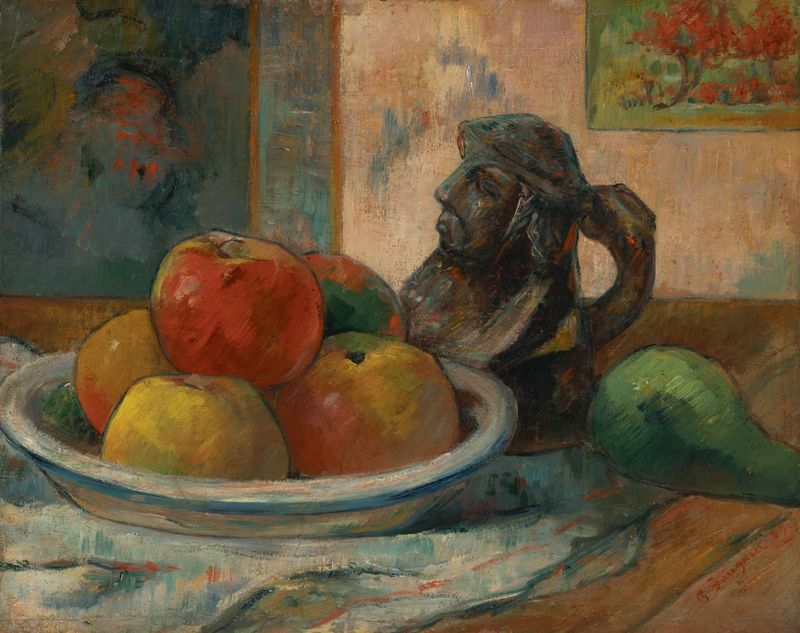
Can paint confess what words never could? The sheer ecstasy captured within the strokes and colors transcends mere expression, whispering secrets of joy and longing that resonate deeply within the soul. Look closely at the intricate details that dance across the canvas. The vibrant hues swirl together, forming an ethereal landscape that draws the eye toward the center, where raw emotion seems to pulse with life. Notice how the luminous variations of light and shadow create a vivid contrast, guiding you through the narrative without the need for words.
Each brushstroke pulses with passion, hinting at the artist's intent to convey a sense of divine beauty and rapture. As you explore the artwork further, hidden meanings emerge from the delicate interplay between chaos and serenity. The juxtaposition of light and dark symbolizes the duality of human experience — the joy that often coexists with sorrow. Subtle elements, such as the gentle curves and sharp angles, evoke a sense of tension, suggesting that ecstasy is not a singular emotion but a complex tapestry woven from life’s myriad moments. Created during a time of significant artistic exploration between 1600 and 1700, this piece reflects the broader movement toward emotional depth in art.
The artist, whose identity remains a mystery, likely painted this during a period when Baroque influences were shaping the visual language of the time. The world was caught in a transformative moment, and this artwork echoes the sentiments of a society grappling with the relationship between beauty and experience.
More Artworks by Unknown Artist
Browse all →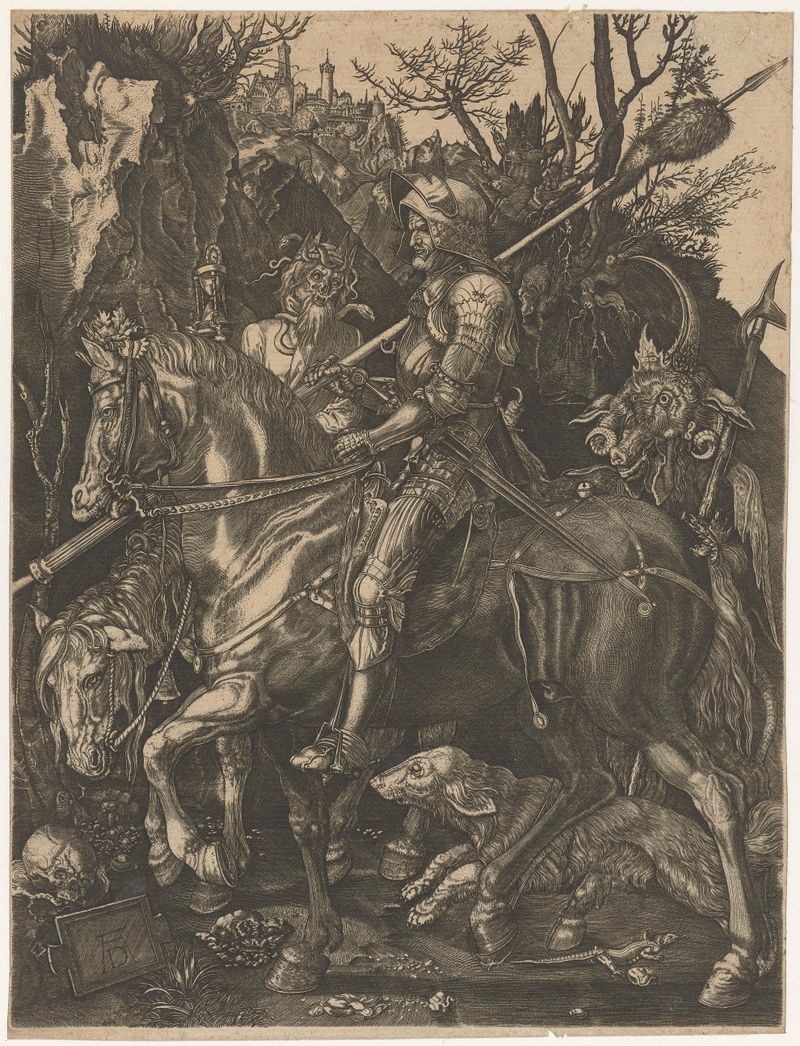
Ridder, Dood en Duivel
Unknown Artist
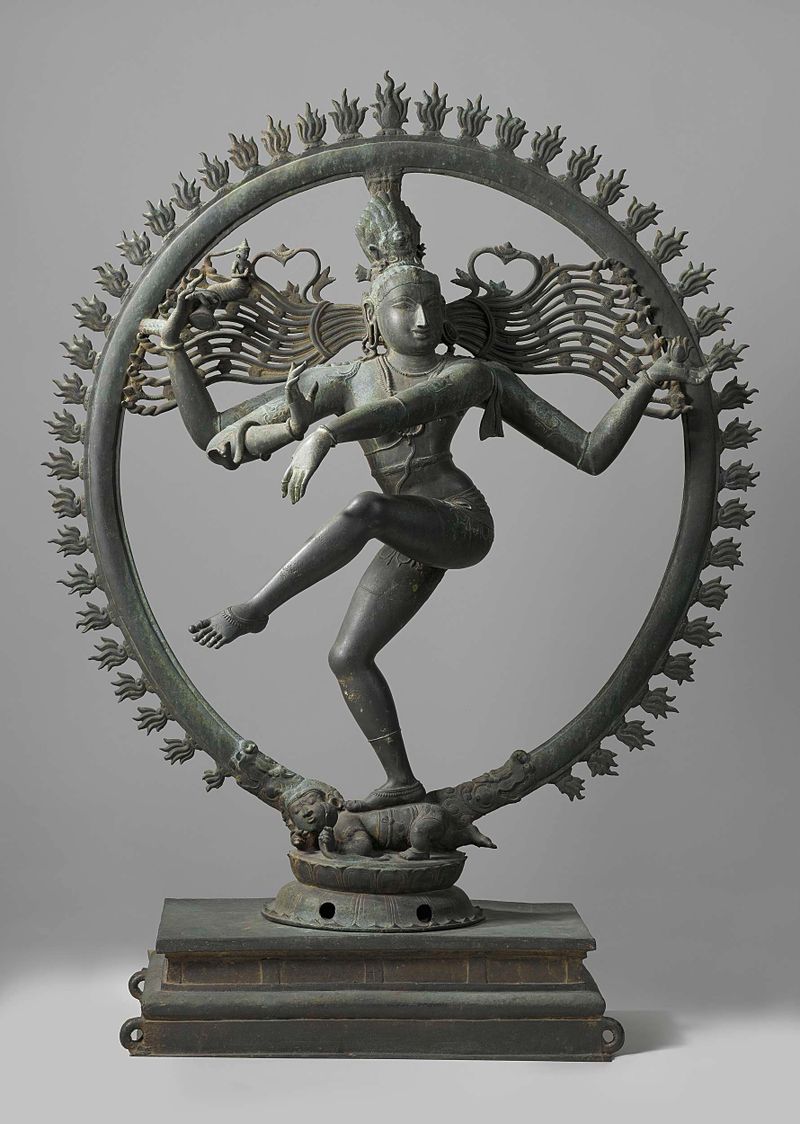
Shiva Nataraja
Unknown Artist
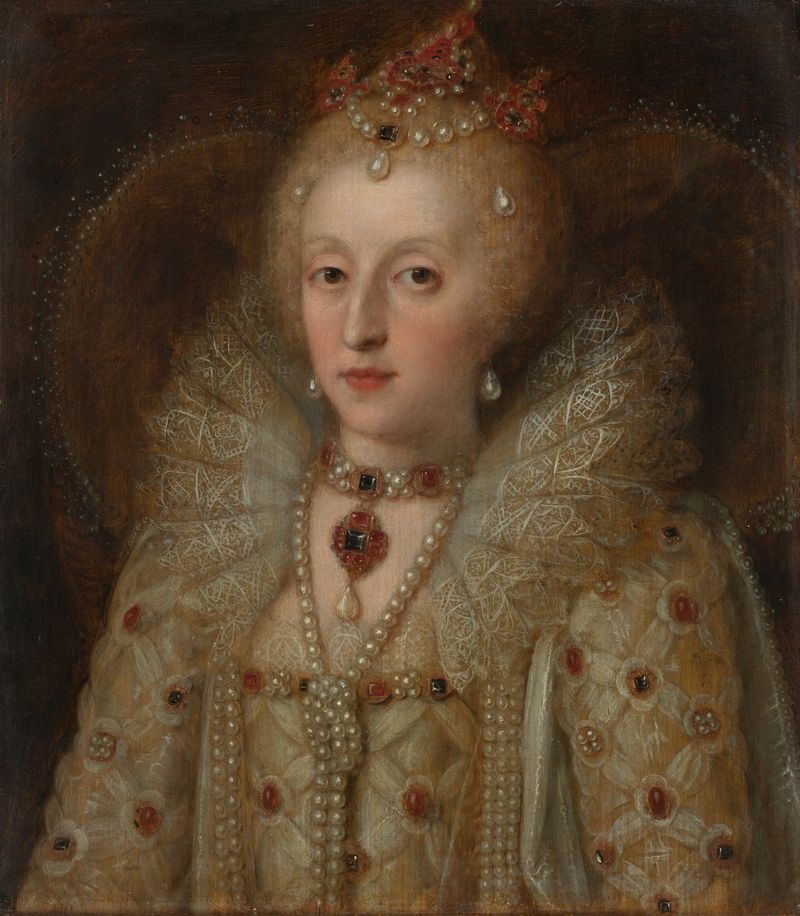
Portrait of Elizabeth I, Queen of England
Unknown Artist
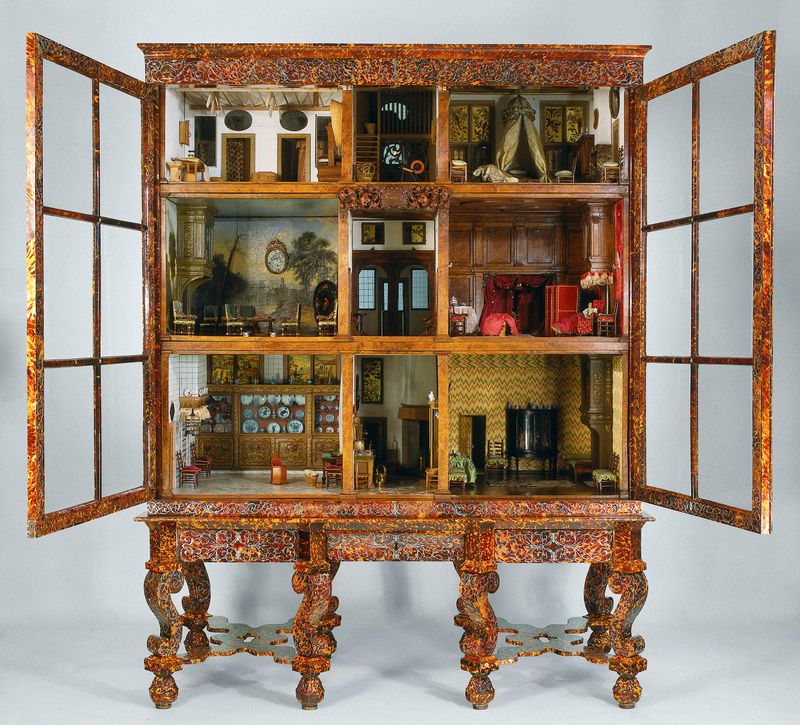
Dolls’ house of Petronella Oortman
Unknown Artist
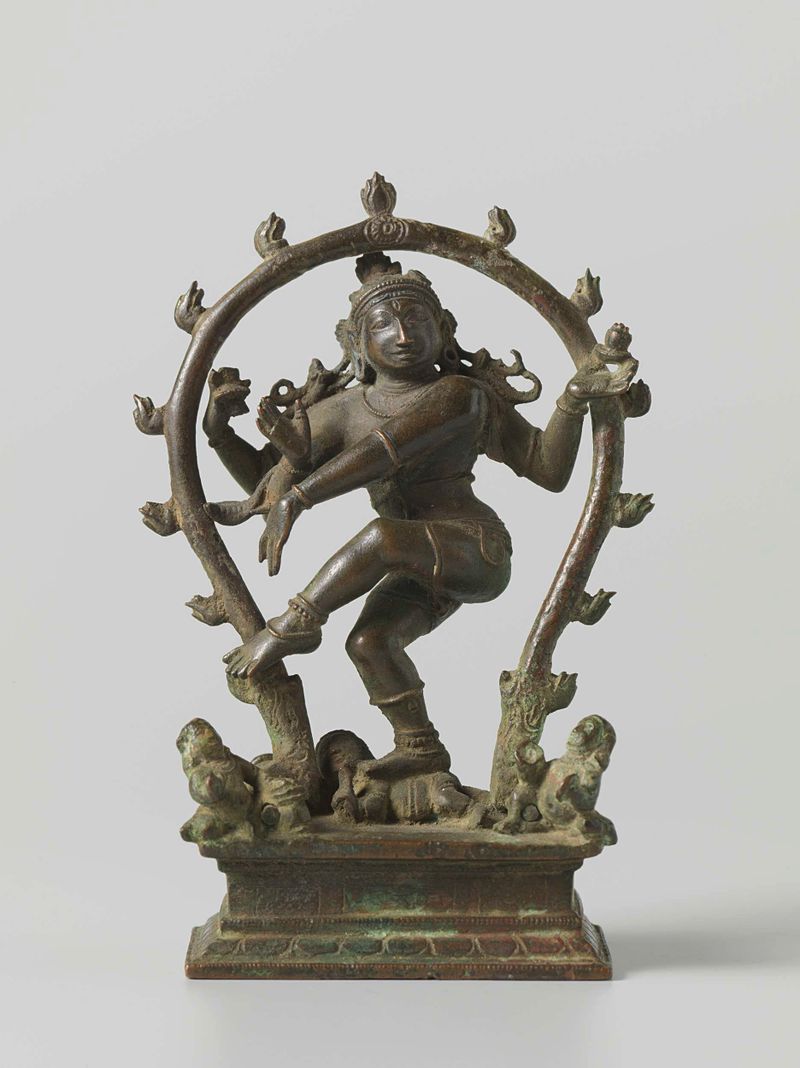
Shiva Nataraja
Unknown Artist

The Tale of Genji
Unknown Artist

The Tale of Genji
Unknown Artist

Cong
Unknown Artist
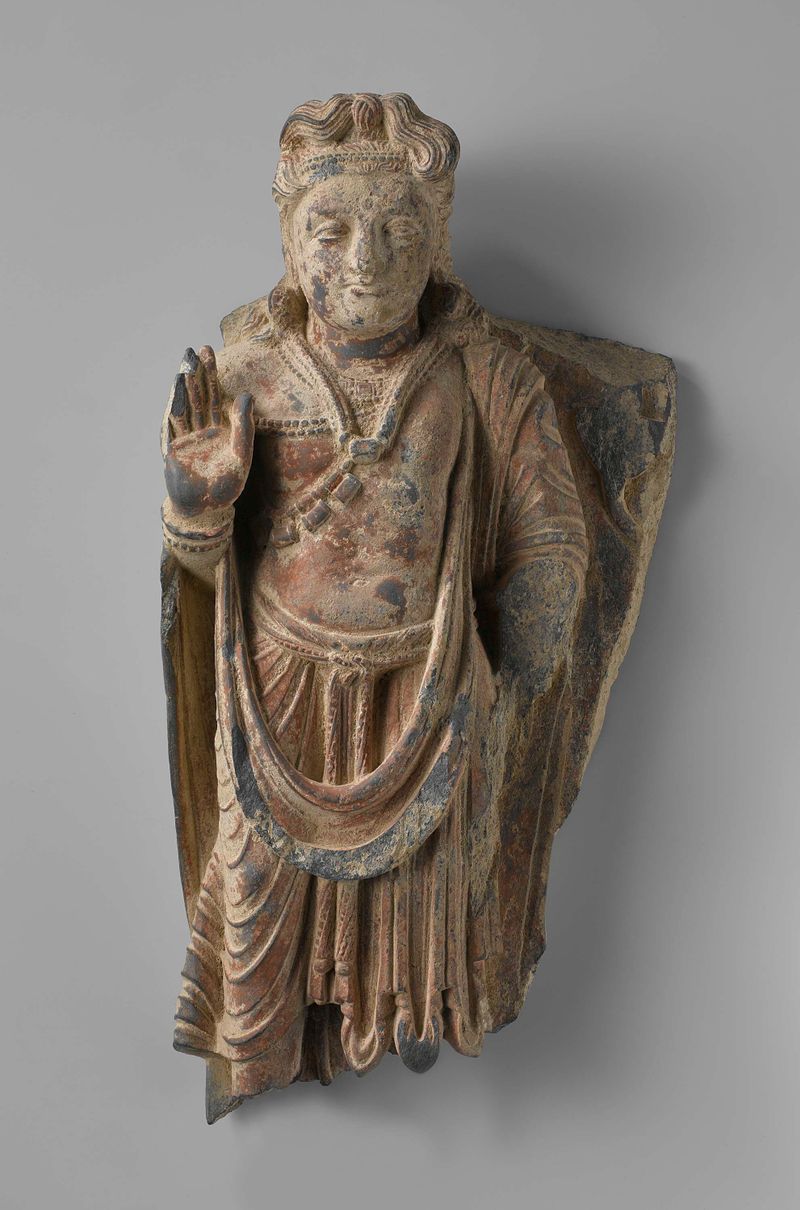
The bodhisattva Maitreya
Unknown Artist

Teabowl with a 'hare's fur' glaze
Unknown Artist