
Discover insights about this artwork
L’Abondance — History & Facts
In L’Abondance, Léon François Comerre presents a vibrant scene filled with rich colors. The painting features a central female figure, symbolizing abundance, adorned with fruits and flowers. Surrounding her are various allegorical elements that enhance the theme of prosperity.
The overall composition is lush and inviting, drawing the viewer into a world of opulence. The painting is executed in oil on canvas, showcasing Comerre's skillful use of color and light. The figures are rendered with a high level of detail, typical of the Academic style. The textures of the fabrics and the natural elements are particularly striking, adding depth to the composition.
The size of the work, approximately 100 x 150 cm, allows for an immersive viewing experience. L’Abondance was created during the late 19th century, a time when allegorical themes were popular in French art. Léon François Comerre was known for his depictions of female figures and themes of beauty and abundance. This particular work reflects the ideals of the time, celebrating the richness of life.
An interesting fact is that this painting was likely commissioned for a private collection, emphasizing its exclusivity.
More Artworks by Léon François Comerre
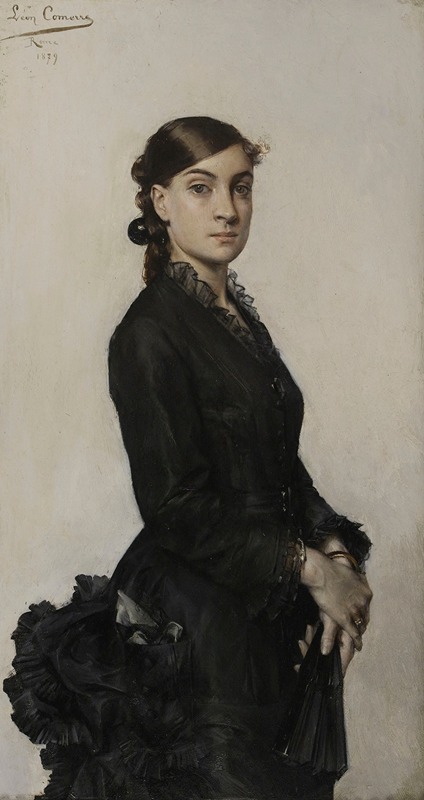
Portrait de Jacqueline Comerre-Paton en robe noire
Léon François Comerre
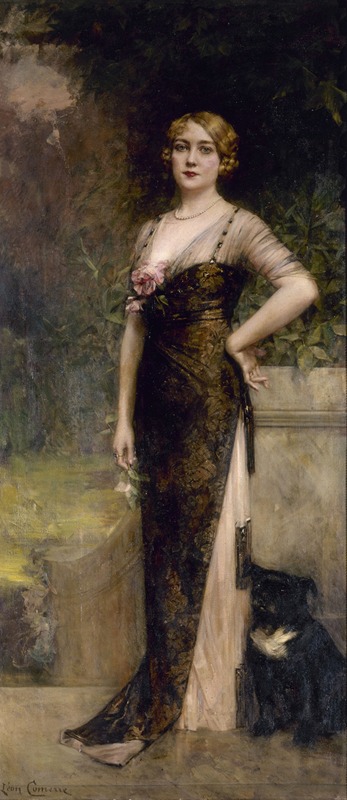
Portrait de Madame Jean Maillard-Norbert
Léon François Comerre
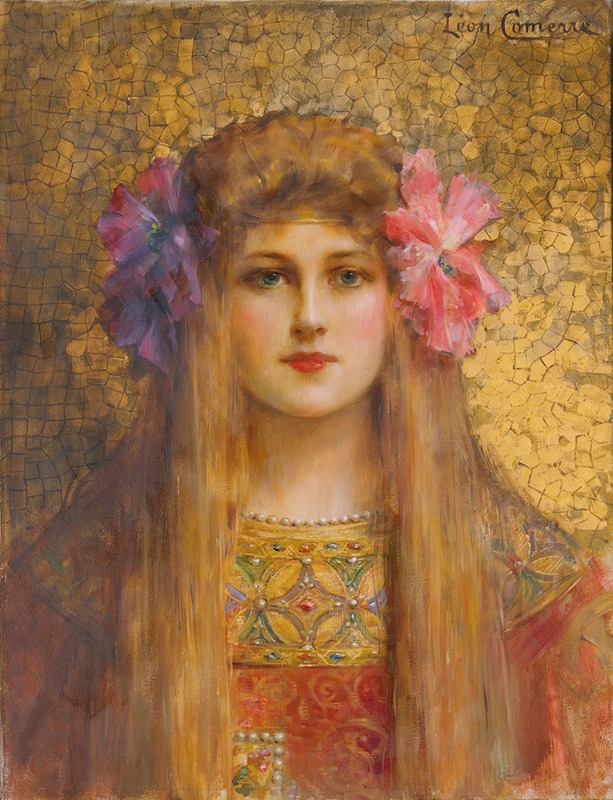
Portrait de Femme au turban fleuri
Léon François Comerre
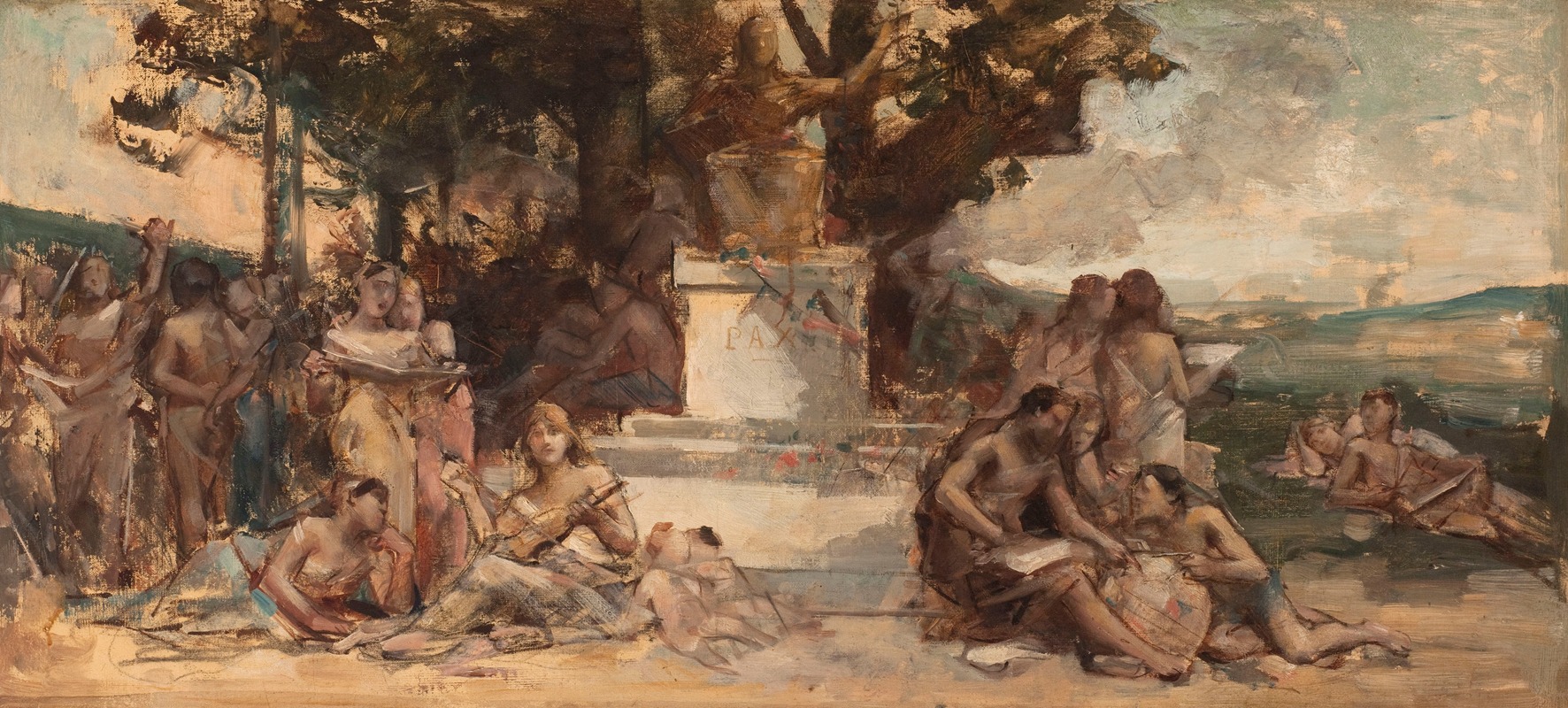
L’étude des sciences et des arts
Léon François Comerre
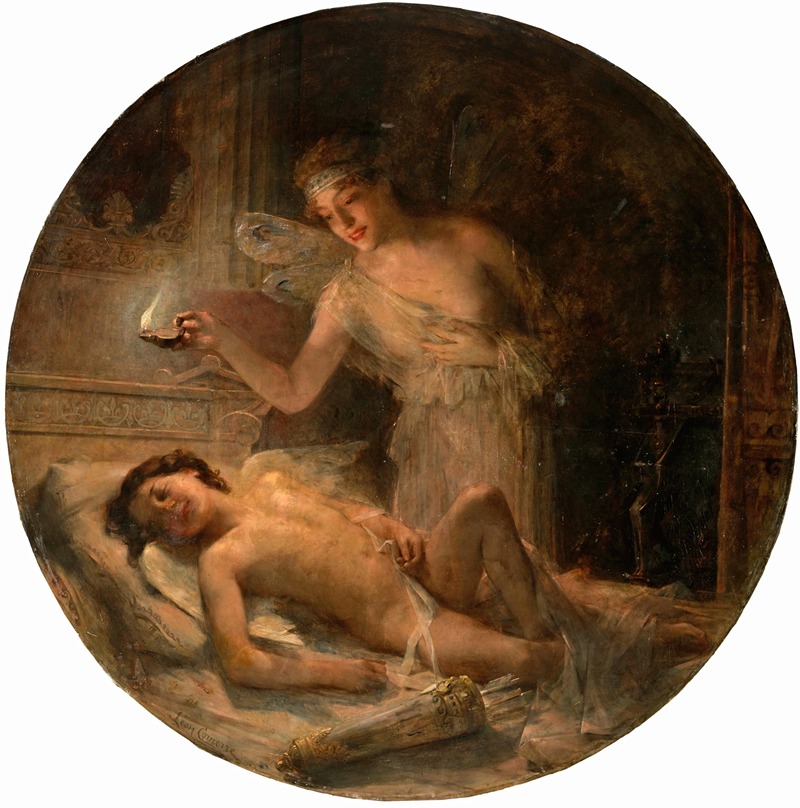
Psyche discovers Cupid
Léon François Comerre
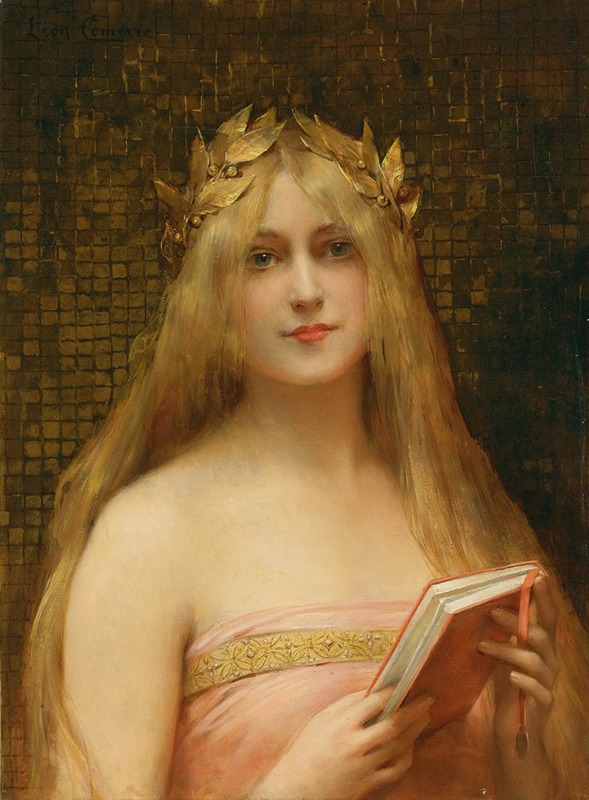
A Classical Beauty
Léon François Comerre
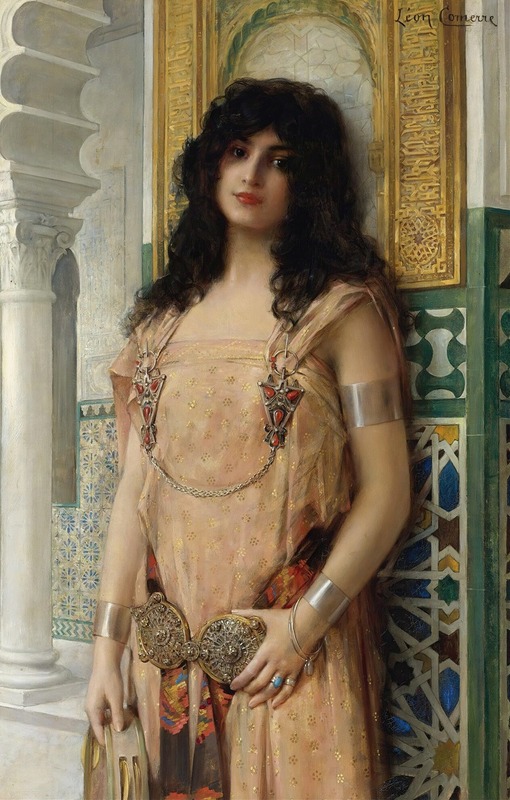
An Eastern Beauty
Léon François Comerre
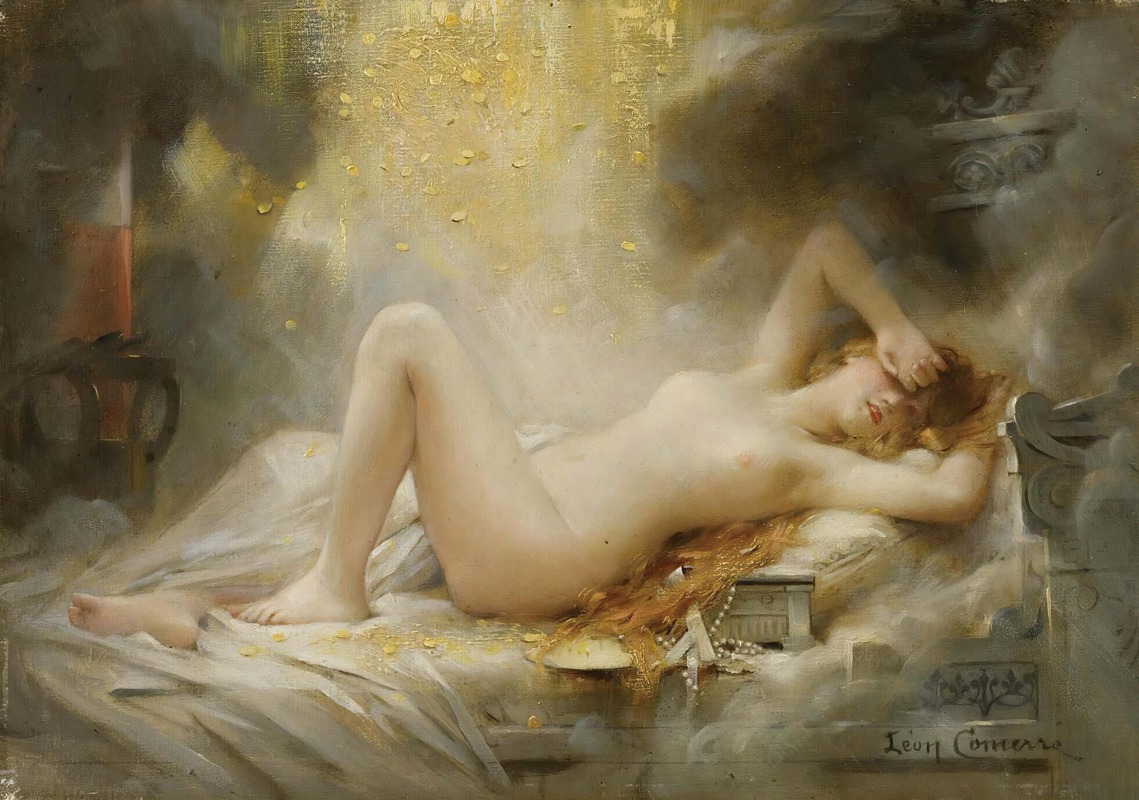
Danae
Léon François Comerre
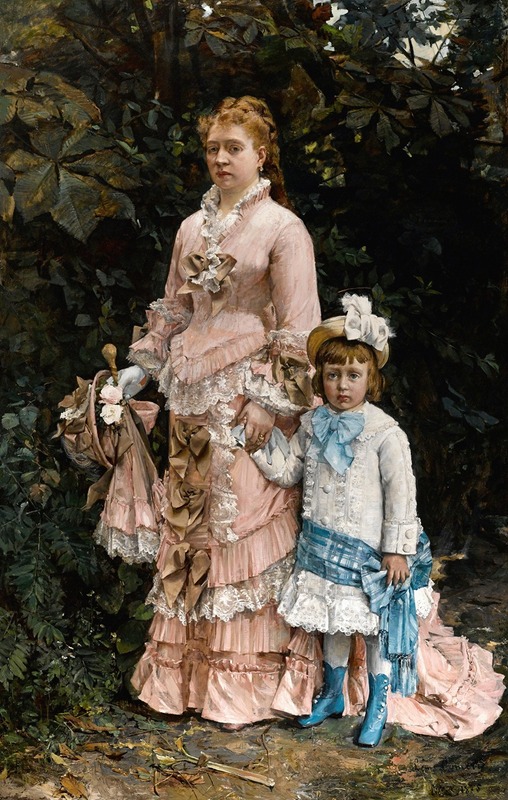
La promenade du dimanche
Léon François Comerre
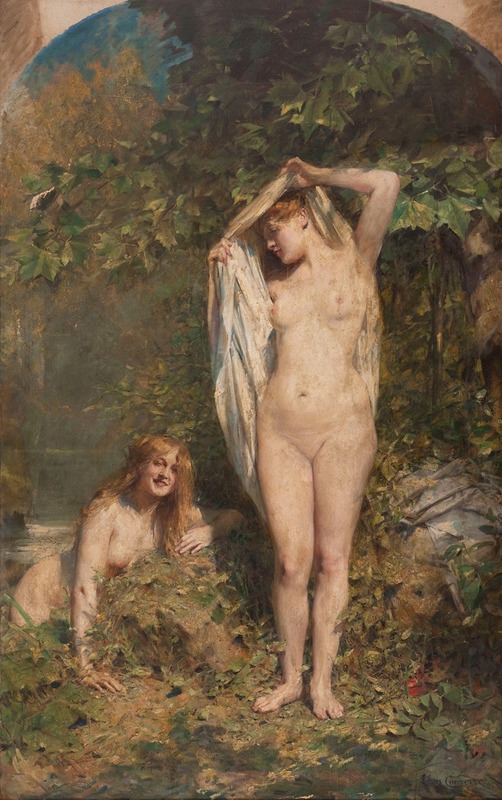
Au soleil
Léon François Comerre
More Allegory Art
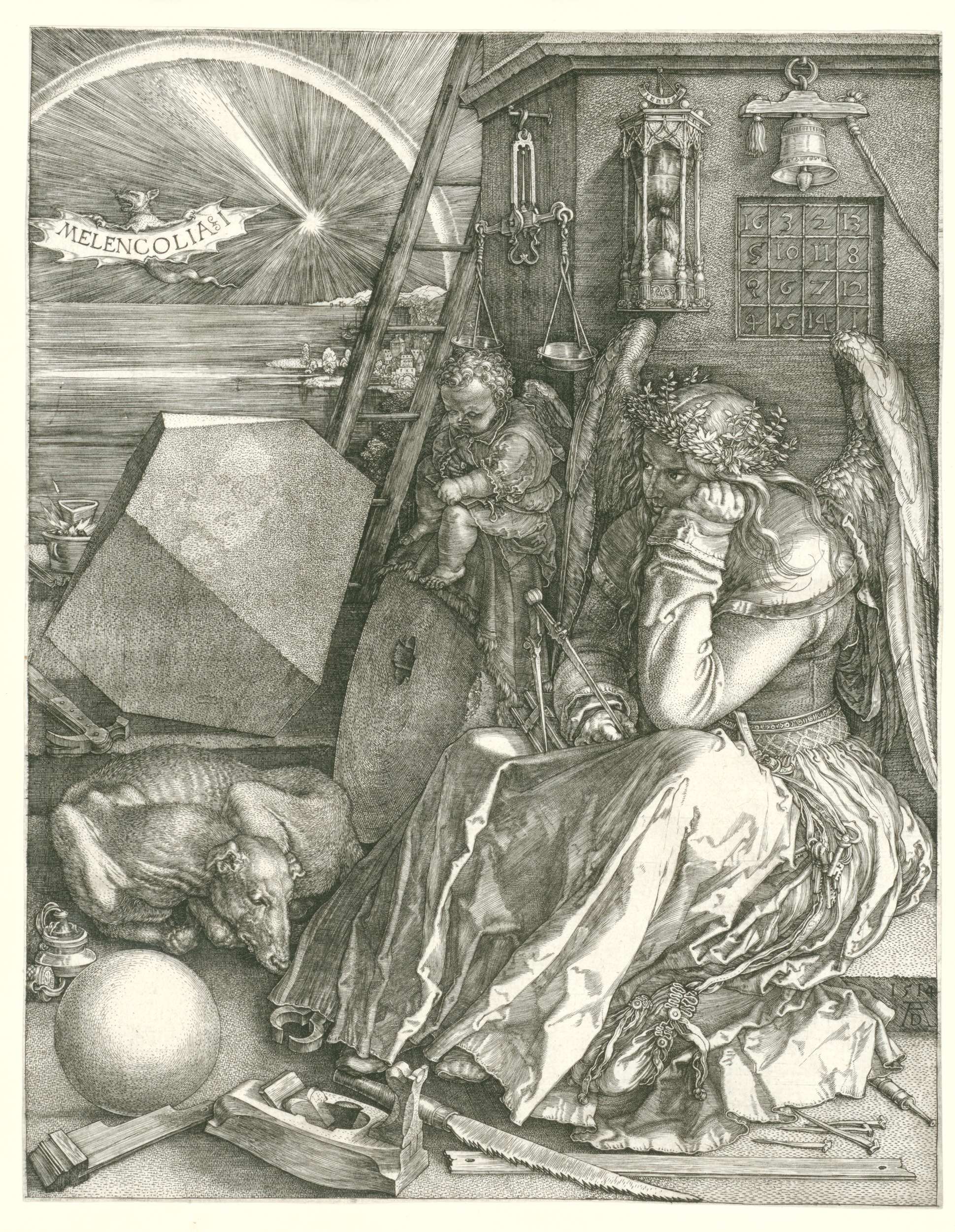
Melancholia
Albrecht Dürer
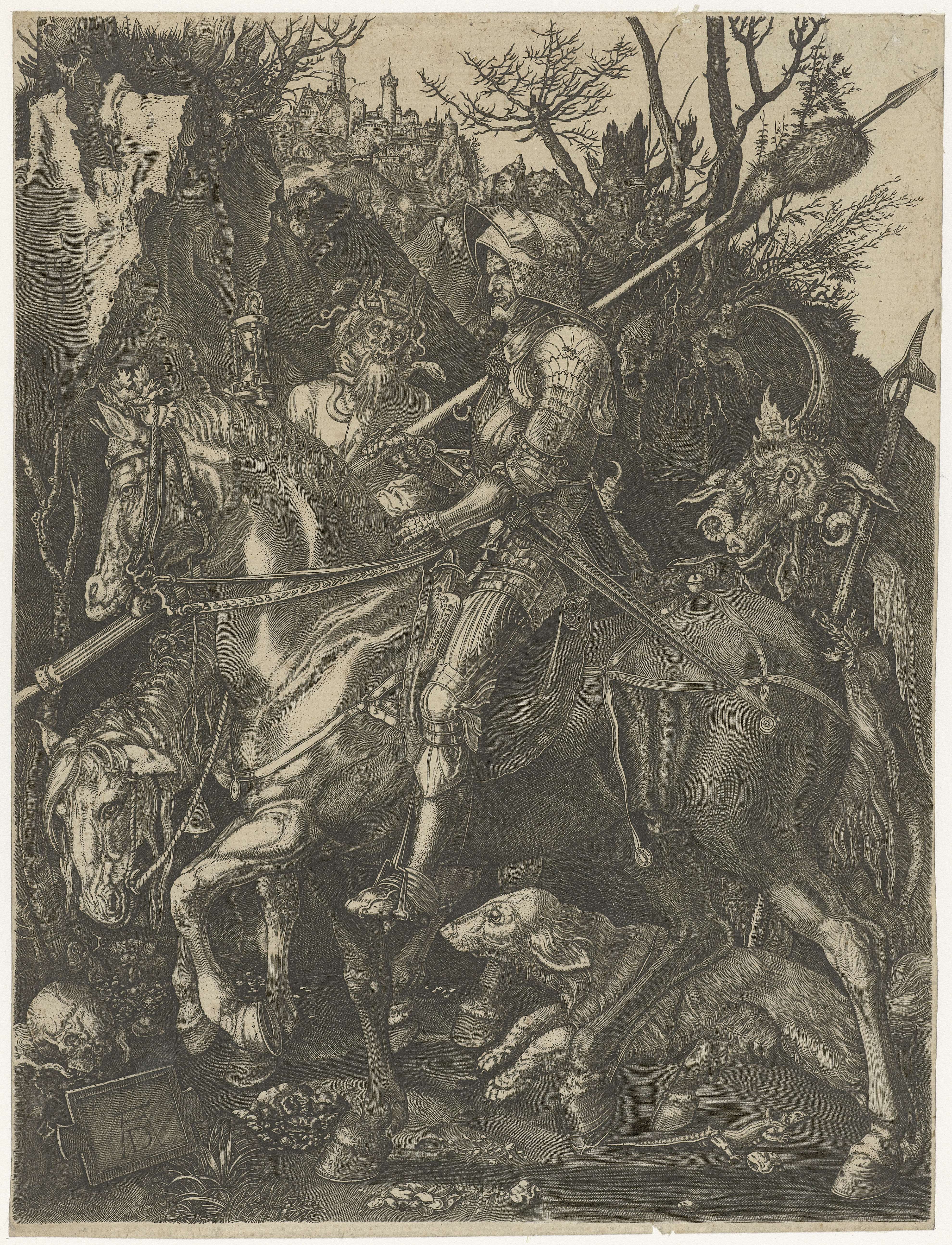
Ridder, Dood en Duivel
Unknown Artist
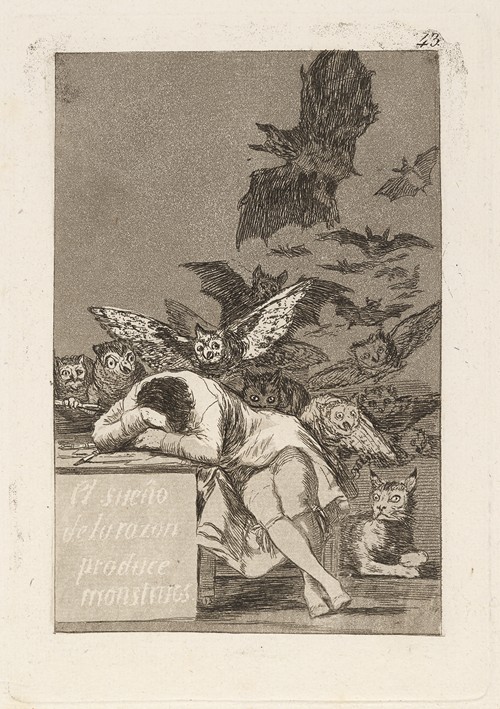
El sueño de la razon produce monstruos. (The sleep of reason produces monsters.)
Francisco de Goya
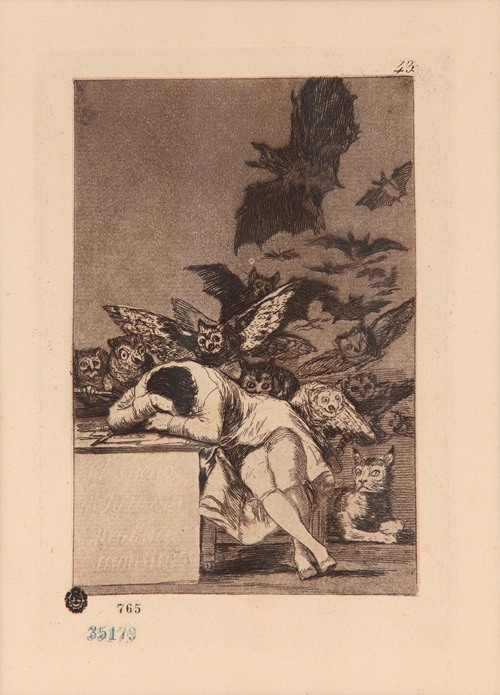
El sueño de la razon produce moustruos (Serie Caprichos)
Francisco de Goya
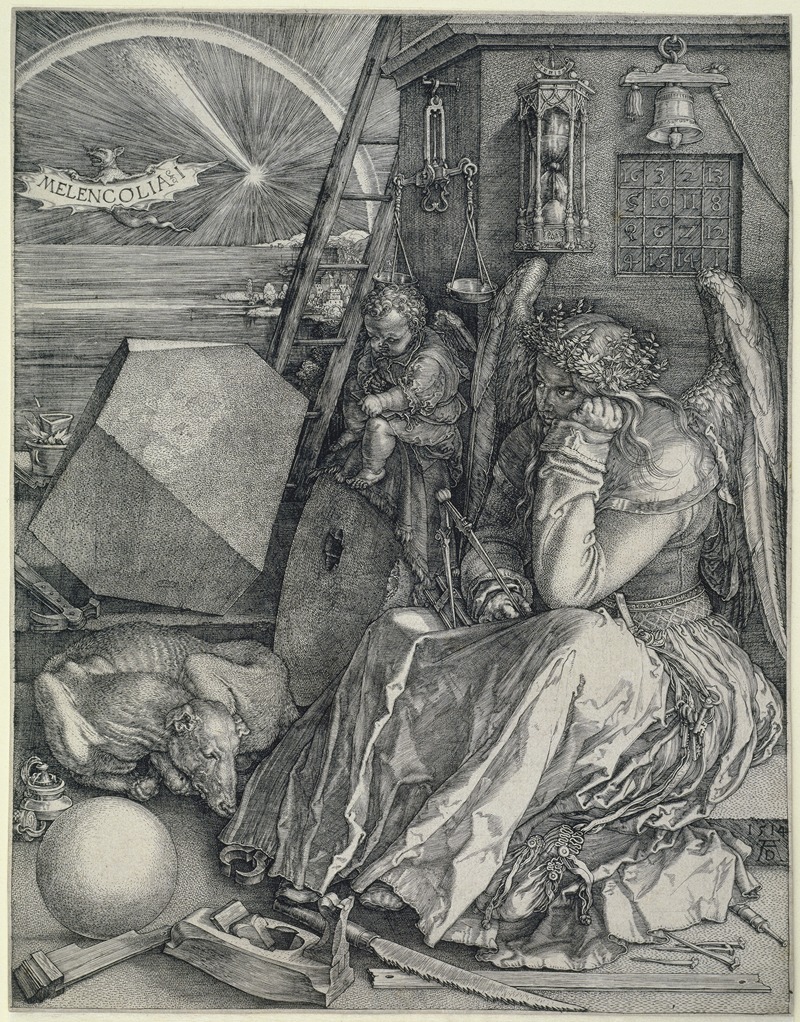
Melencolia I (The Melancholy)
Albrecht Dürer
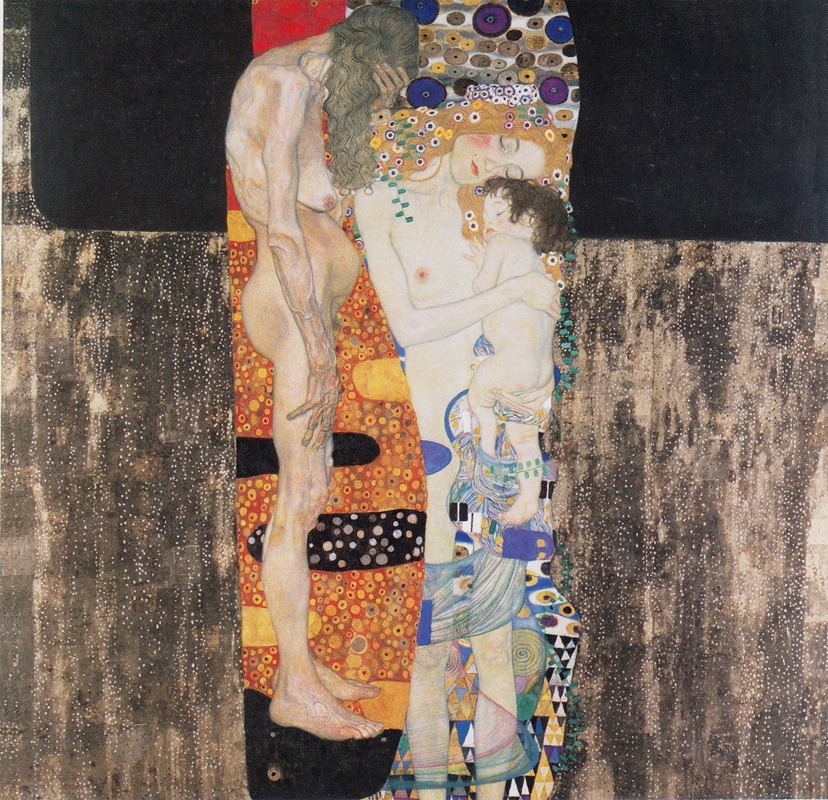
The Three Ages of the Woman
Gustav Klimt