L Fulton Street — History & Facts
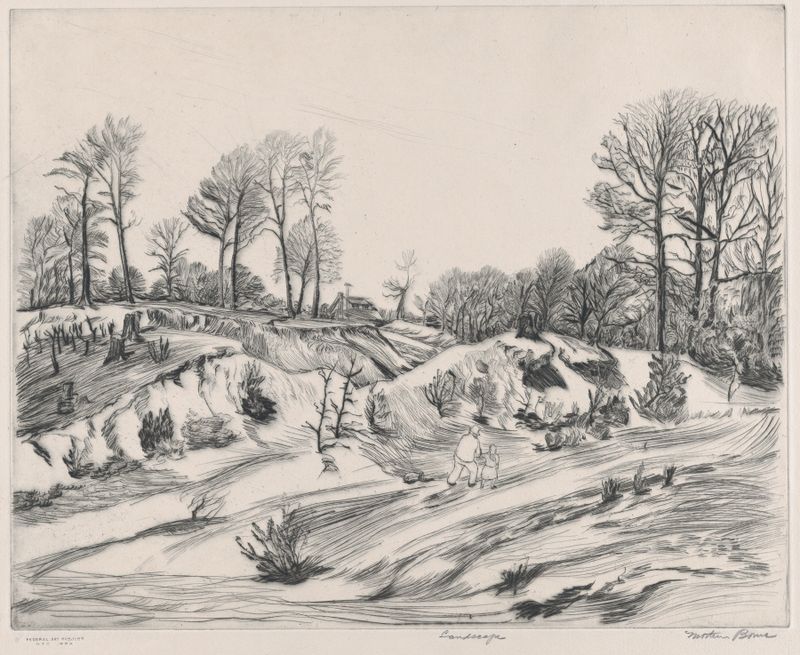
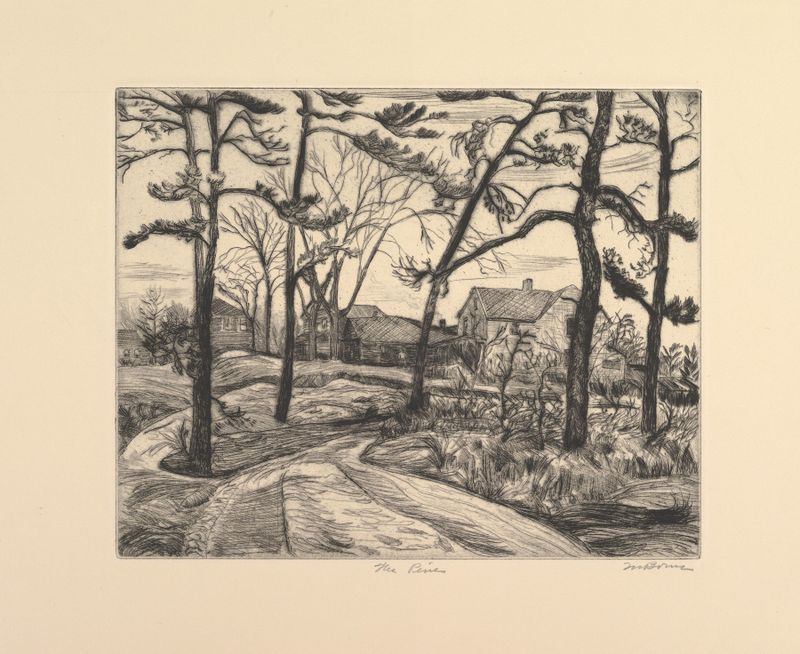
Can beauty exist without sorrow? In the delicate interplay of light and shadow, L Fulton Street captures a world where joy and melancholy coexist, inviting a reflection on the human condition. Look to the left, where a cascade of warm autumn hues spills over the cobblestone path, leading the eye through a narrow street lined with tall, imposing buildings. The artist’s brushwork creates an almost tangible texture; you can feel the crispness of the air and the weight of history resting upon the facades. Notice how the gentle play of light dances off the surfaces, accentuating the vibrancy of the scene while simultaneously invoking a sense of stillness that invites contemplation. Borne’s choice of color is not merely aesthetic; it is deeply emotional.
The warm golds and rich browns evoke a nostalgia that speaks of memories, while the cooler shadows hint at the unspoken sorrows of urban life. The figures, caught mid-stride, embody a moment of transition, suggesting a journey from one state of being to another, underscoring the tension between movement and the weight of existence. Each element in the composition intertwines, creating a narrative that resonates with the fragility and resilience of life. Created between 1935 and 1943, this piece reflects a tumultuous time for the artist, who faced personal upheaval as well as the broader socio-political unrest of the era.
Working in a world recovering from the Great Depression, Borne's art became a sanctuary, allowing him to explore themes of resilience and transformation. His unique perspective on urban landscapes emerged not only from his surroundings in New York but also from a desire to communicate the nuanced emotions of a city in flux.