Landscape — History & Facts
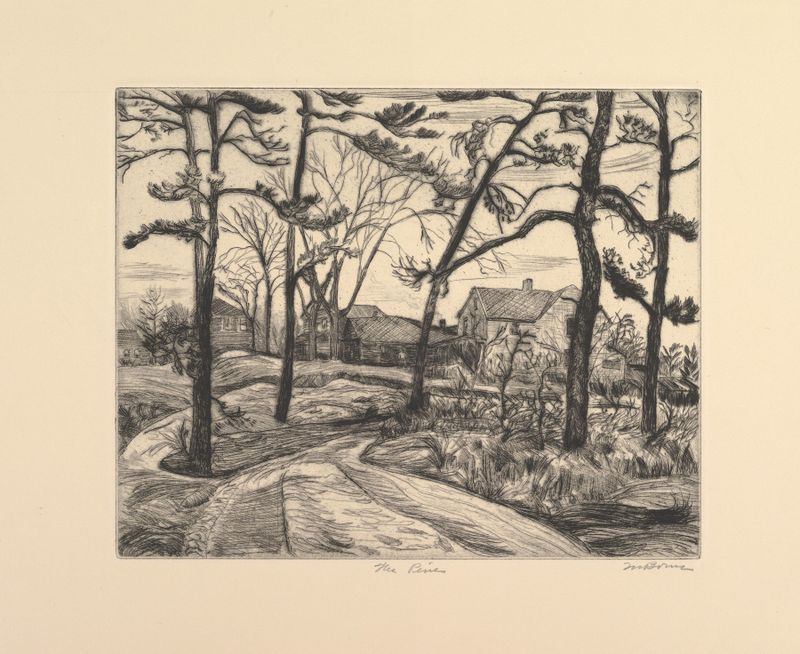
In the stillness of Landscape, the weight of loss hangs heavy in the air, echoing the inevitability of change. Look to the horizon, where soft waves of muted greens and browns blend seamlessly into a sky painted in delicate pastels. The landscape stretches out like a memory fading into the distance, inviting the viewer to wander through its serene expanse. Notice how the brushstrokes capture the gentle caress of the wind, as if the scene itself breathes in slow, deliberate movements.
The muted color palette evokes a sense of nostalgia—both haunting and beautiful. Within this tranquil setting lies an emotional tension, stemming from the contrast between the vibrant life of nature and the melancholic whispers of absence. Small details, like the delicate bend of a solitary tree or the scattered petals on the ground, symbolize the fragile remnants of what once was. Each element within the canvas tells a story of transition, urging the viewer to confront their own moments of loss and remembrance. Created between 1935 and 1943, this work emerged during a period of great upheaval for Mortimer Borne.
As the world grappled with the fallout of the Great Depression and the looming threat of World War II, Borne turned inward, capturing the essence of a world that felt both familiar and distant. In this turbulent backdrop, Landscape stands as a poignant reflection of enduring beauty amid the uncertainties of life.