
La Butte et les moulins de Montmartre, face nord — History & Facts
This sentiment echoes in the quiet expanse of a bustling Paris, where the vibrant life of Montmartre is reduced to a haunting emptiness. The viewer is drawn into the landscape, reflecting on the transient nature of joy and the shadows it casts. Look toward the gentle slopes of the butte, where the soft hues of green and gold blend seamlessly with the muted blues of the sky. Notice how the brushstrokes create an impressionistic dance, inviting your eyes to explore the delicate interplay of light and shadow.
The strategically placed windmills stand as guardians of this scene, their sails frozen in time, hinting at the harmonious yet fleeting existence of life. The composition speaks to an inherent stillness, a moment captured before the inevitable bustle of life encroaches further. Yet beneath the surface lies a poignant tension. The fading light suggests the end of an era—a reminder of the joys that will soon be overshadowed by the weight of history.
The emptiness that pervades the painting evokes a sense of nostalgia, an echo of both what was and what is yet to come. The silhouettes of the landscape are not merely geographical features; they are reflections of the artist’s internal landscape, emphasizing the emotional depths concealed within the idyllic façade. In the year 1871, the artist was deeply influenced by the socio-political upheaval surrounding the Paris Commune. Captured amidst the aftermath of the Franco-Prussian War, La Butte et les moulins de Montmartre, face nord embodies a transitional moment in both Arnaud-Durbec's life and the broader context of French art.
By immersing himself in the evocative beauty of his surroundings, he sought to communicate the bittersweet essence of a city grappling with loss and renewal.
More Artworks by Jean-Baptiste-François Arnaud-Durbec
Browse all →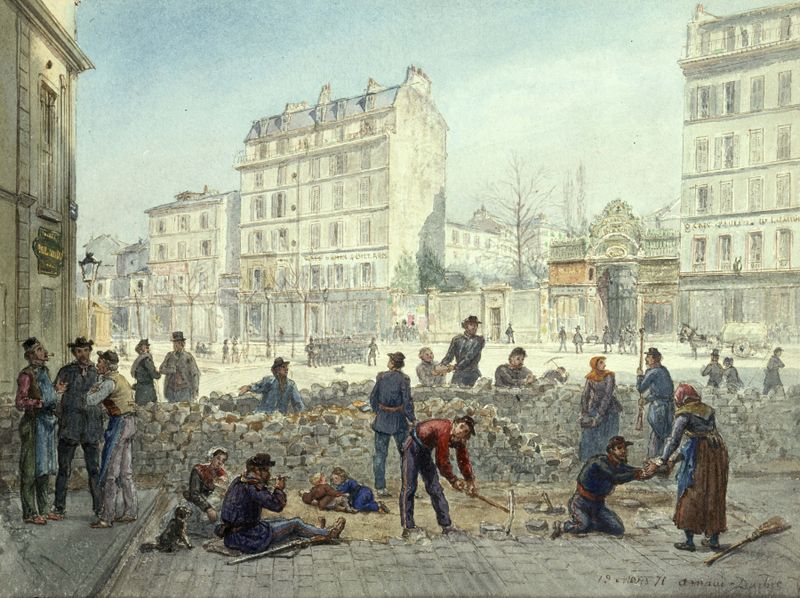
Barricade sous la Commune, place Blanche
Jean-Baptiste-François Arnaud-Durbec

Le Quai d’Auteuil au Point du Jour
Jean-Baptiste-François Arnaud-Durbec
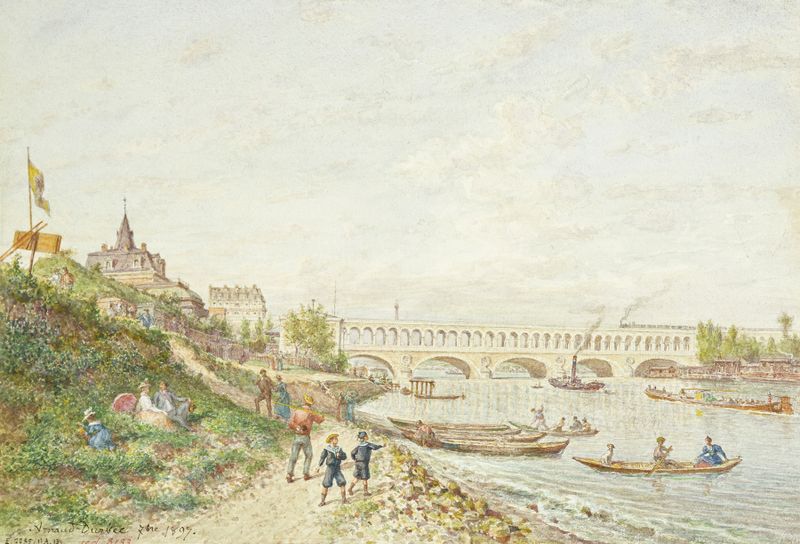
Viaduc du Point du jour, pris hors la porte de Billancourt
Jean-Baptiste-François Arnaud-Durbec

La Butte aux Moulins à Montmartre
Jean-Baptiste-François Arnaud-Durbec
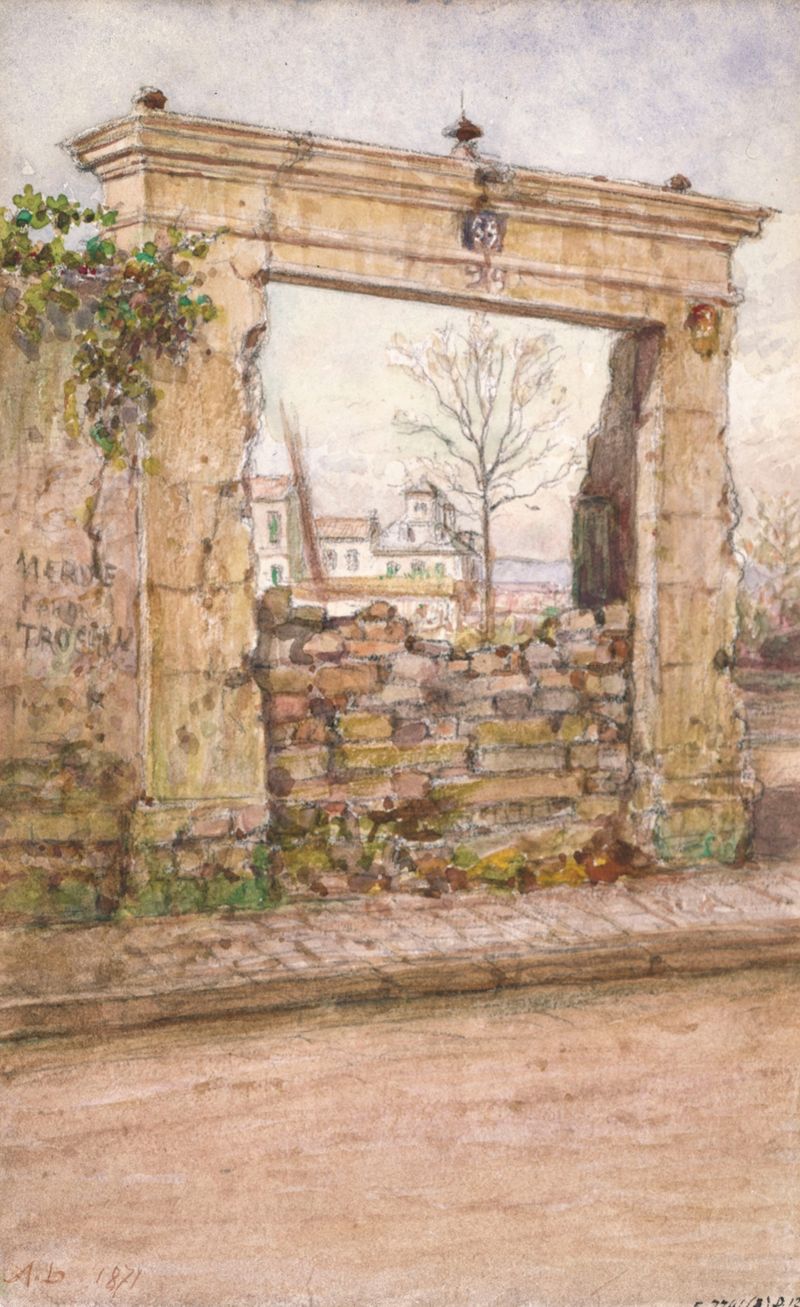
A la porte de Clignancourt
Jean-Baptiste-François Arnaud-Durbec





