
La Butte aux Moulins à Montmartre — History & Facts
The allure of movement encapsulates the pulse of life, reminding us of the delicate interplay between joy and sorrow. Focus on the vibrant strokes that capture the bustling energy of Montmartre, where the scene unfolds in an explosion of color and movement. Look to the center, where swirling figures weave through the canvas, brought to life by dynamic brushwork. The golden hues dance with the more muted tones, creating a sense of rhythm as the wind seems to tug at the figures’ garments and the trees sway gently.
The sky, brushed with soft blues and whites, suggests both serenity and an underlying turbulence, as if nature itself is echoing the emotional currents below. Amidst the lively portrayal of the windmill and the revelers, there is a tension between the carefree ambiance and the sense of urgency in their movements. The figures, though seemingly joyful, appear trapped in a fleeting moment, hinting at the bittersweet transience of happiness. This duality is underscored by the contrast between the sunlit foreground and the shadowy corners that linger at the edges, inviting viewers to ponder the stories that remain hidden from sight. Created during a period of social and political upheaval in France, this piece emerged in 1871, when Arnaud-Durbec found inspiration in the vibrant life of Paris’ Montmartre district.
The artist was deeply influenced by the evolving Impressionist movement, which sought to capture the essence of modern life through innovative techniques and a focus on light and movement. During this time, Arnaud-Durbec was honing his skills, striving to portray the beauty of everyday experiences, even as the world around him was marked by conflict and change.
More Artworks by Jean-Baptiste-François Arnaud-Durbec
Browse all →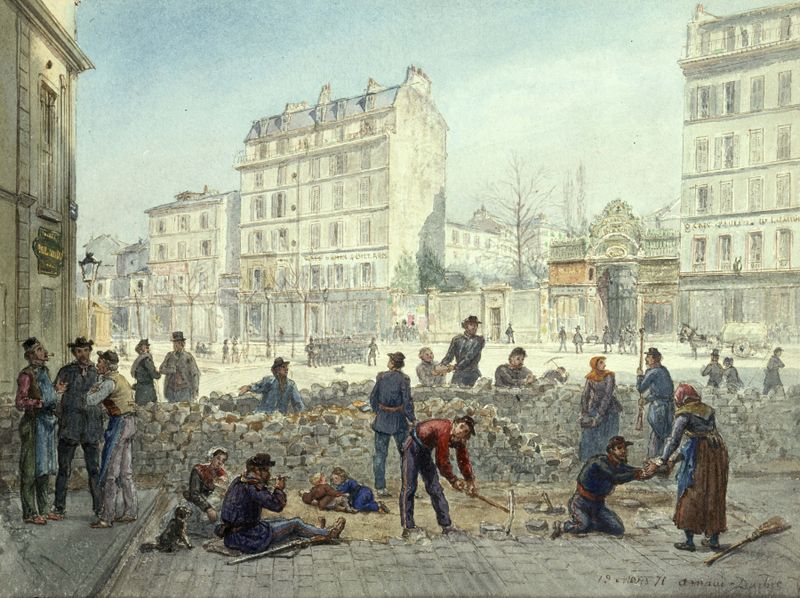
Barricade sous la Commune, place Blanche
Jean-Baptiste-François Arnaud-Durbec

Le Quai d’Auteuil au Point du Jour
Jean-Baptiste-François Arnaud-Durbec
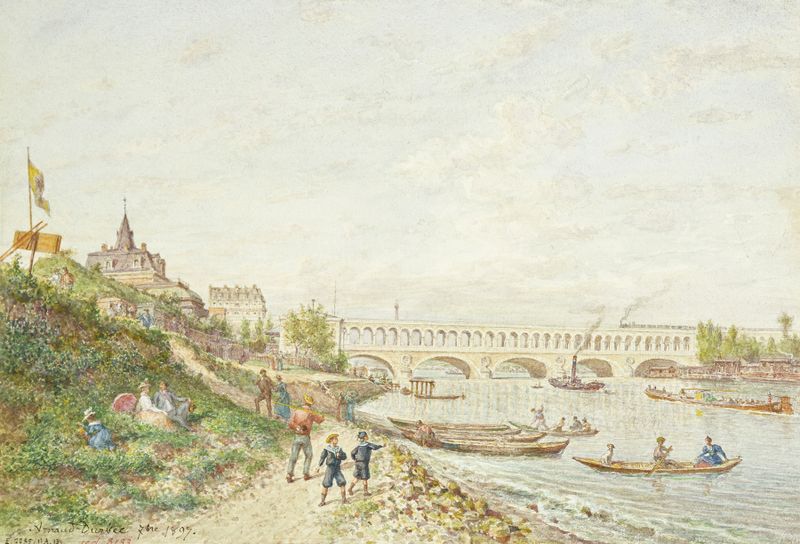
Viaduc du Point du jour, pris hors la porte de Billancourt
Jean-Baptiste-François Arnaud-Durbec
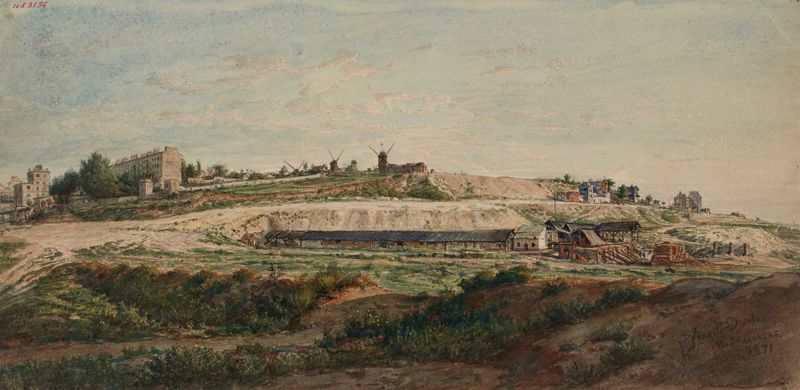
La Butte et les moulins de Montmartre, face nord
Jean-Baptiste-François Arnaud-Durbec
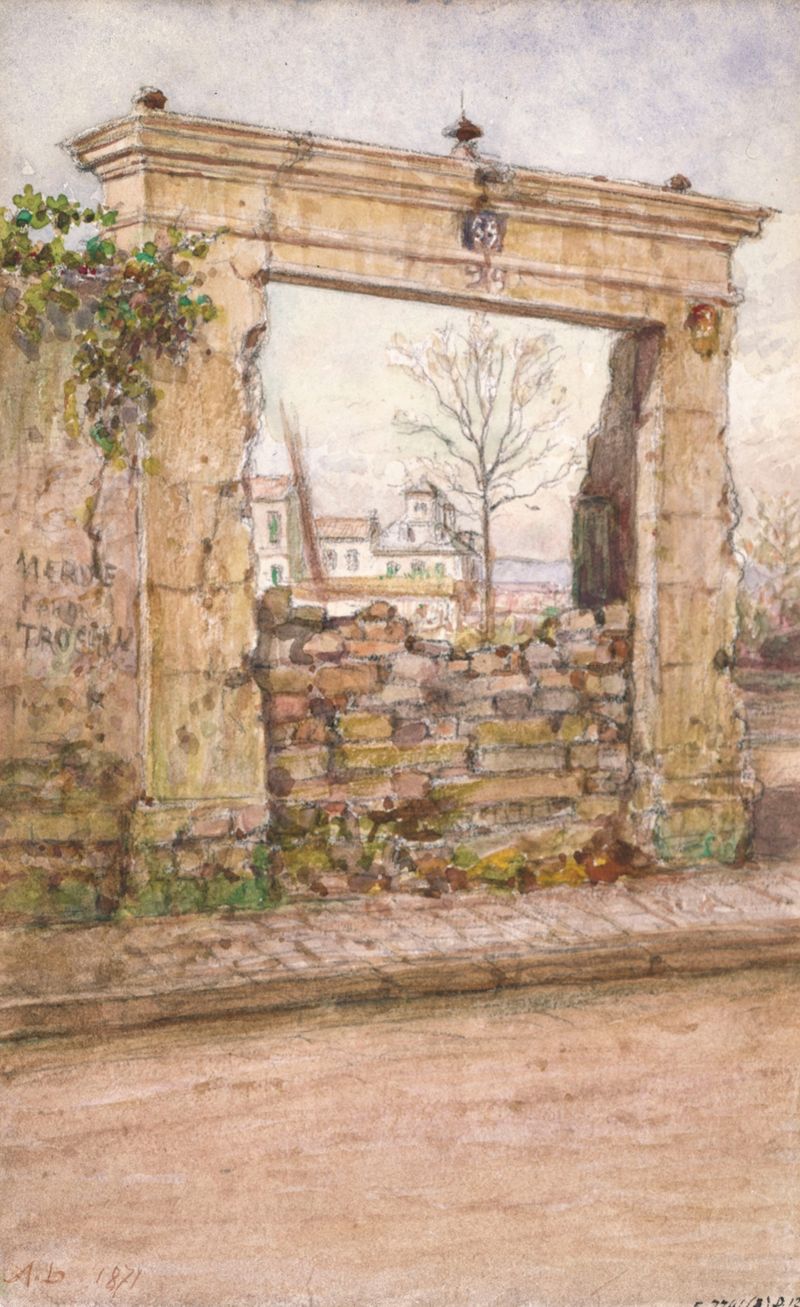
A la porte de Clignancourt
Jean-Baptiste-François Arnaud-Durbec





