
La famille du marin 91.2 Musée de la Vie romantique — History & Facts
What draws the eye first in La famille du marin is the way three figures—mother and children—are gathered into a single, sheltering form, their bodies wrapped in thick, earth-toned folds that seem to hold back the world. The artist, Ary Scheffer, leads us into the story through gesture: the mother’s protective arm, the way her head bends close to the older child, and the infant tucked safely in the crook of her elbow. The wind-whipped sky and rough rocks at their feet suggest exposure and uncertainty, yet the faces remain calm, almost inwardly lit, as if the real drama is not the storm outside but the quiet endurance within.
Every detail, from the mother’s broad-brimmed hat to the child’s anxious gaze, is chosen to draw us into their moment of waiting, their world balanced on the edge of hope and fear. Painted in 1826, this work belongs to the Romantic era, a time when artists like Scheffer turned their attention to the struggles and dignity of ordinary people. Paintings of sailors’ families, left behind on shore, resonated deeply in a Europe shaped by war, migration, and the uncertainties of industrial change. Such images were often meant for a public newly interested in the emotional lives of the humble, and they found homes in private salons and, later, in museums like the Musée de la Vie romantique, where this piece is now held in Paris.
History has kept few traces of this specific canvas’s journey, but its quiet power is unmistakable—inviting us to linger, to imagine the stories behind those watchful eyes, and to feel the weight of waiting alongside them.
More Artworks by Ary Scheffer

Princess Marie d'Orléans in Her Studio
Ary Scheffer
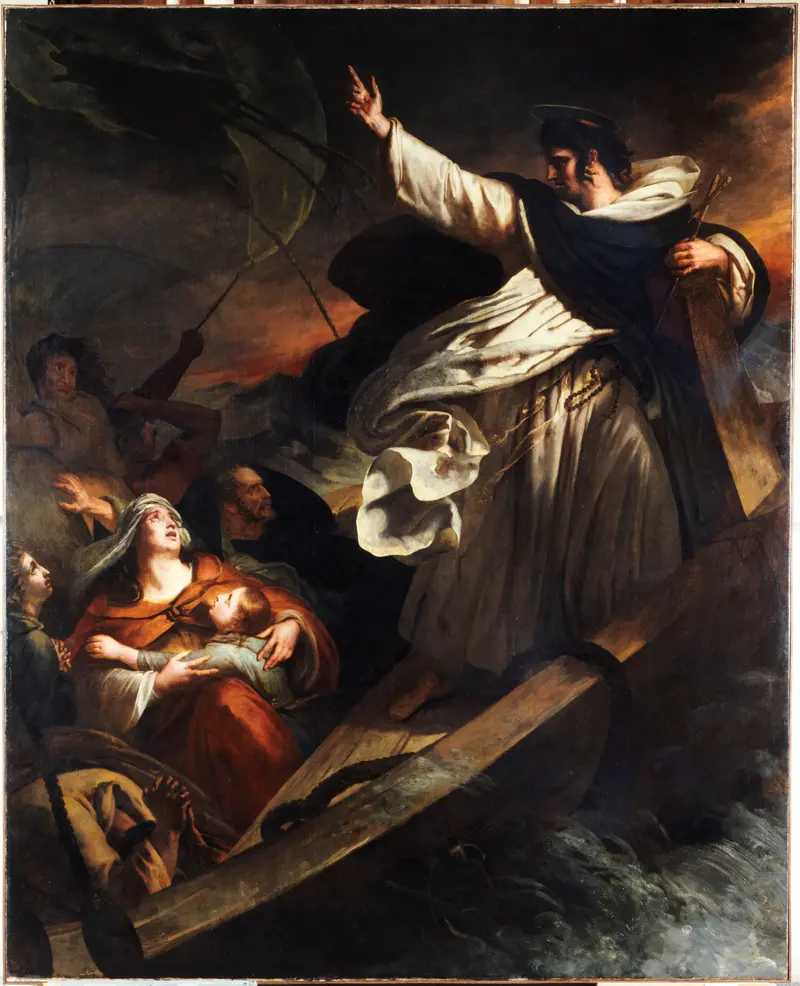
Saint Thomas d'Aquin prêchant la confiance en Dieu pendant la tempête
Ary Scheffer
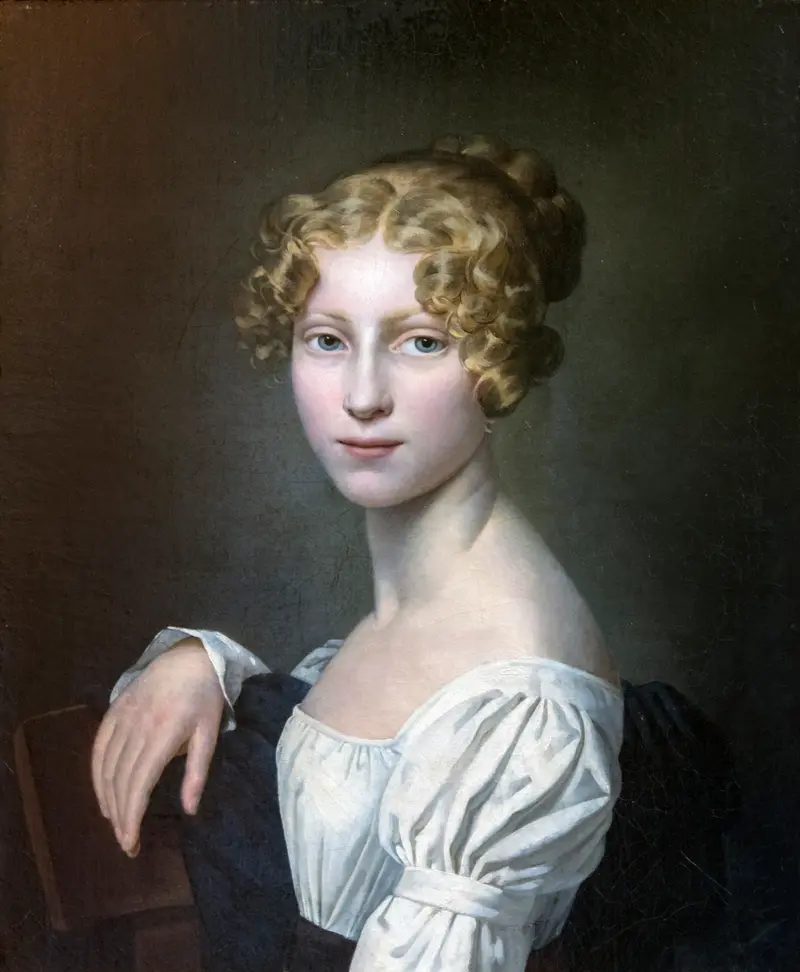
Pauline de Rémusat par Ary Scheffer
Ary Scheffer
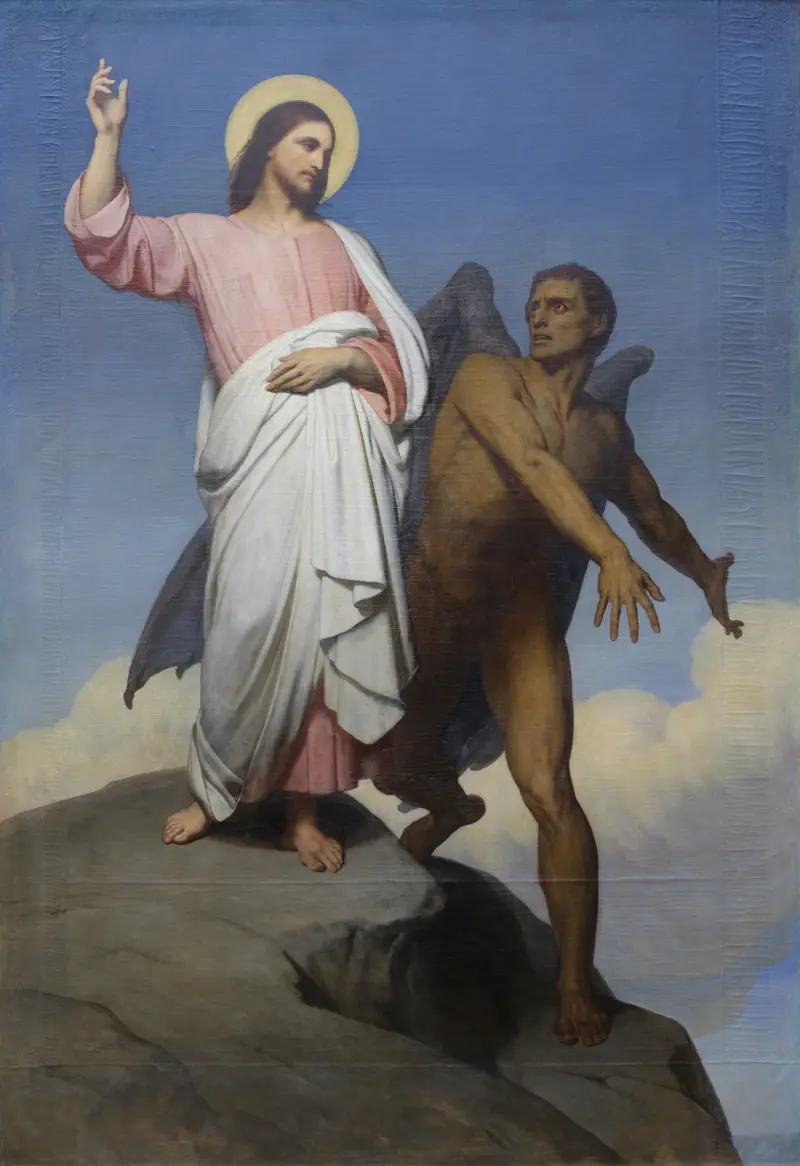
La Tentation du Christ Musée du Louvre Peintures MI 285
Ary Scheffer
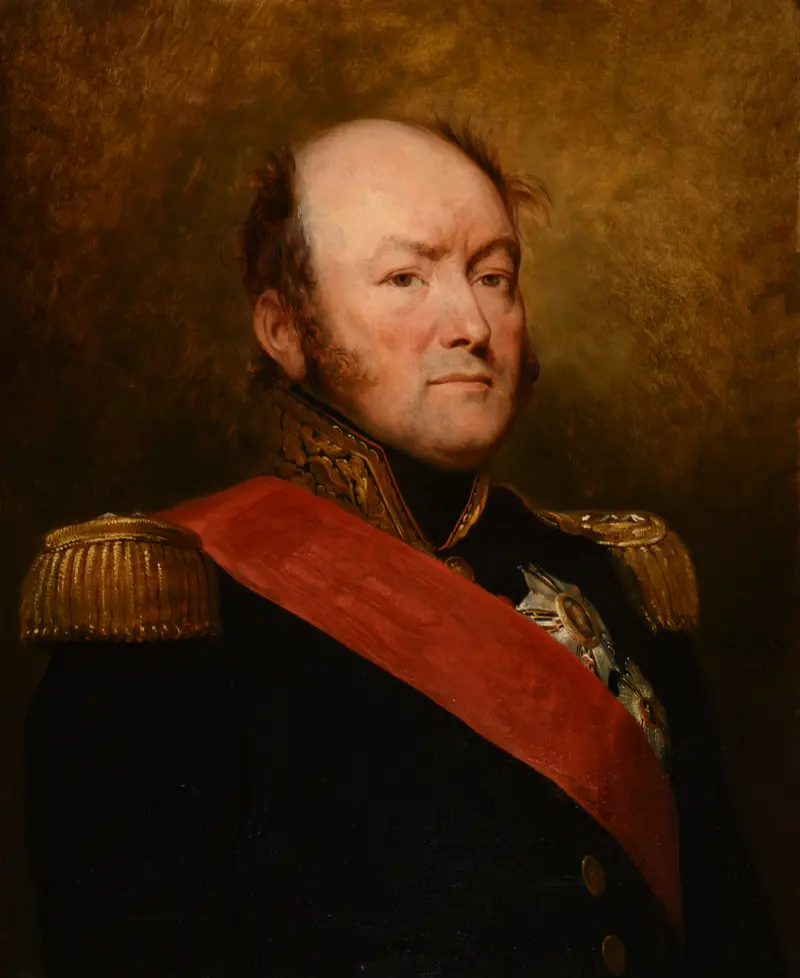
Comte Drouet d'Erlon
Ary Scheffer
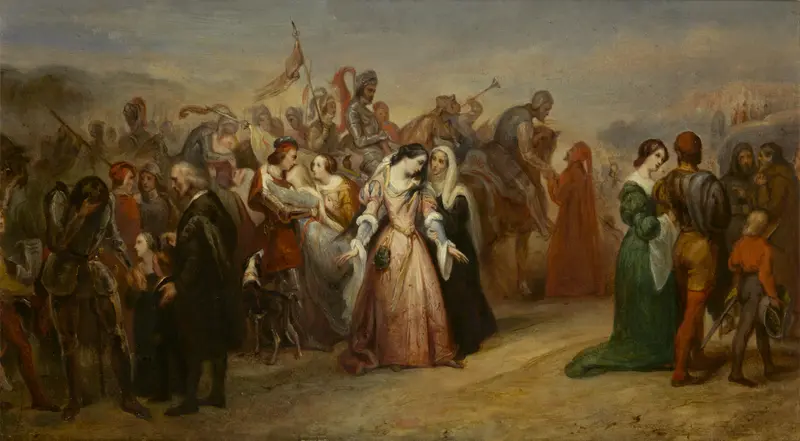
Lenore - de terugkeer van het leger
Ary Scheffer
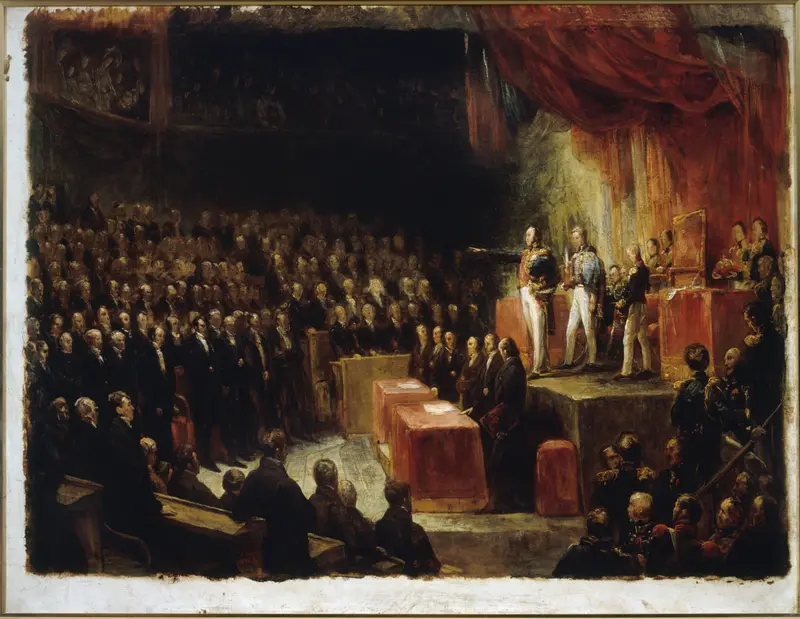
Louis Philippe prêtant serment devants les chambres, le 9 août 1830 P1537 Musée Carnavalet
Ary Scheffer
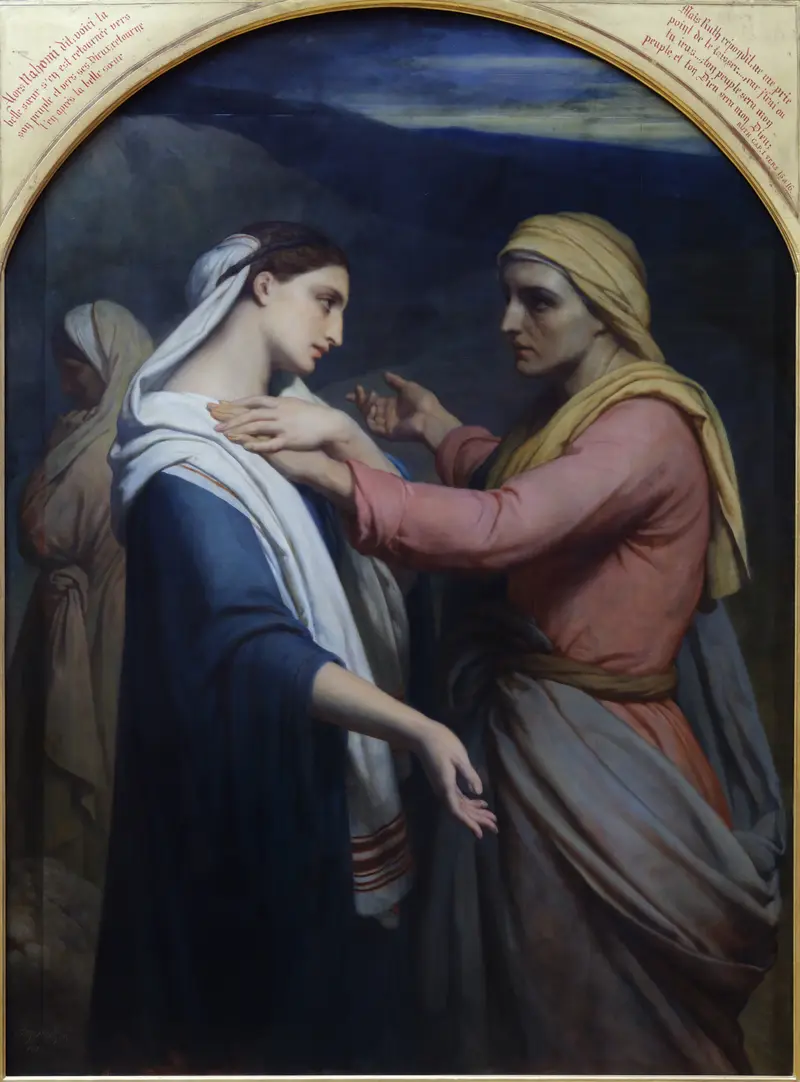
Ruth et Noémi Musée du Louvre Peintures RF 2013 4
Ary Scheffer

Figuur van een treurende engel DM S 70 Dordrechts Museum
Ary Scheffer
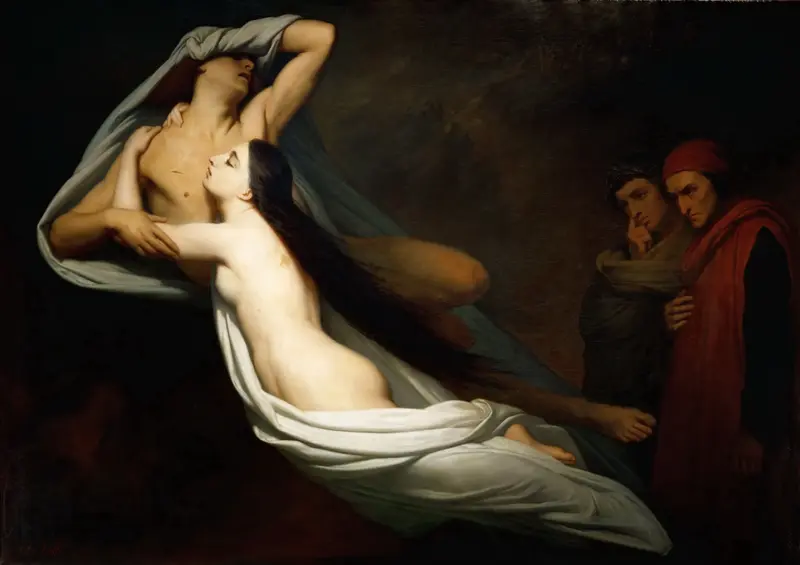
Francesca da Rimini and Paolo Malatesta appraised by Dante and Virgil
Ary Scheffer



