
La fontaine de Trevi à Rome — History & Facts
In the haunting stillness of La fontaine de Trevi à Rome, the viewer is drawn into an evocative exploration of emptiness, echoed through the careful artistry that surrounds the iconic fountain. It invites deep contemplation as one confronts the absence of figures, a silence that resonates through the storied architecture and flowing waters. Look to the left where the stonework of the fountain emerges, rendered with meticulous detail that captures its grandeur. The interplay of light and shadow dances across the surfaces, creating a mesmerizing depth that pulls you into the scene.
The colors, muted yet rich, evoke a sense of nostalgia and reverence, allowing the viewer’s gaze to linger on the flowing water, its movement contrasts sharply with the stillness of the surrounding space. Within this serene composition lies a profound tension between opulence and desolation. The absence of human presence amplifies the fountain's grandeur, transforming it into a solitary entity, committed to its eternal flow, while evoking a sense of loneliness. The careful placement of shadows further emphasizes this emotional void, suggesting the stories of countless visitors who have come and gone, leaving only echoes behind. Antonietta Brandeis created this work during the late 19th century, a time when she was deeply immersed in the vibrant art scene of Italy.
It was a period marked by the rise of plein air painting and a fascination with capturing the essence of place through light and atmosphere. Brandeis, a skilled watercolorist and oil painter, utilized this moment to encapsulate not just a physical location, but the emotional landscape that accompanies it.
More Artworks by Antonietta Brandeis
Browse all →
St Mark’s, Venice
Antonietta Brandeis

Venice, a View of Ponte de la Calcina on Rio di San Vio
Antonietta Brandeis
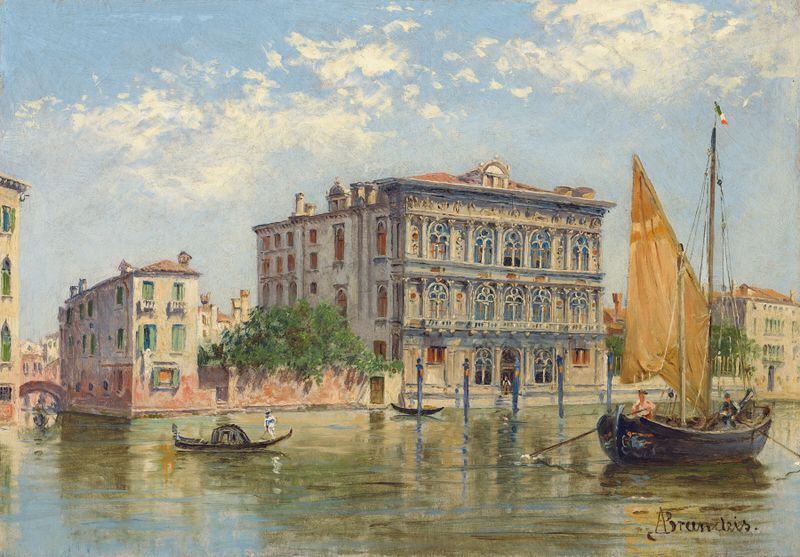
Ca’ Vendramin Calergi from the Grand Canal, Venice
Antonietta Brandeis
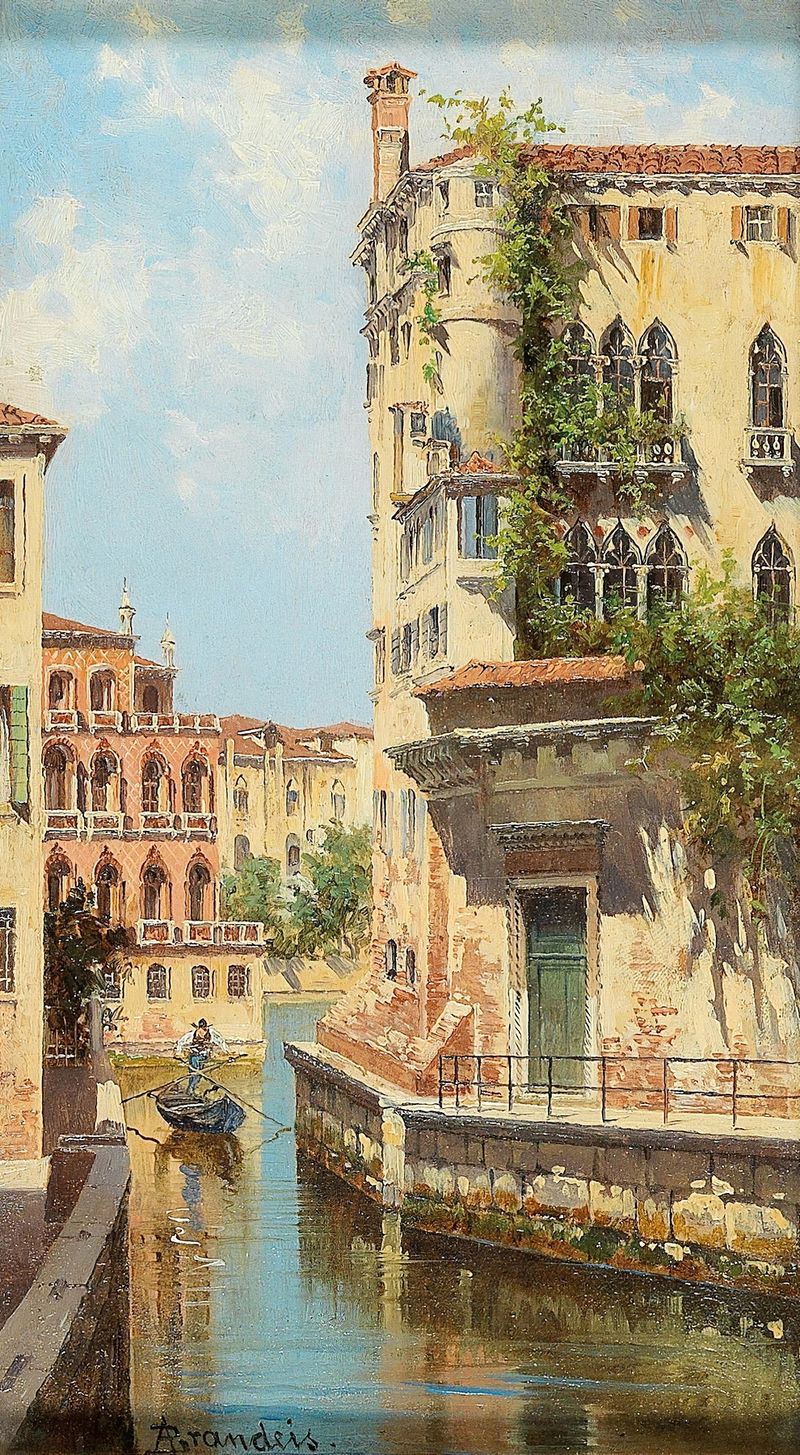
Canal In Venice With View Of The Back Of The Palazzo Rocca
Antonietta Brandeis
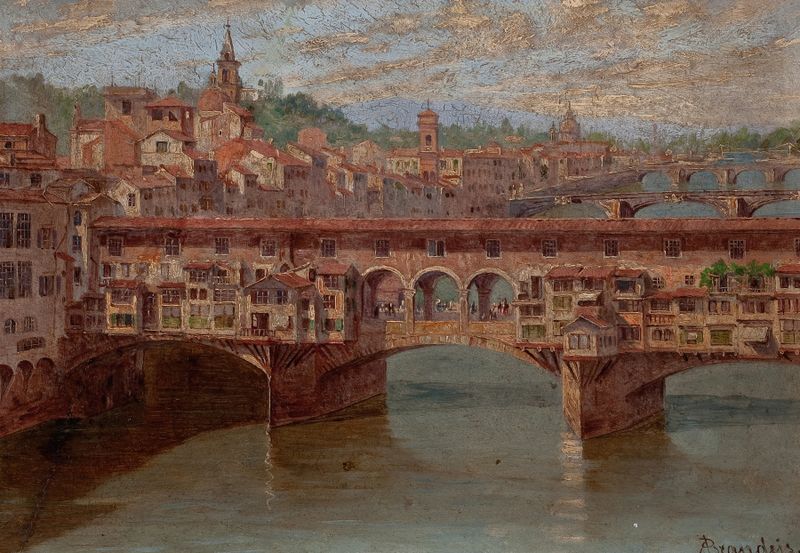
Ponte Vecchio, Florence
Antonietta Brandeis

The Grand Canal, Venice
Antonietta Brandeis
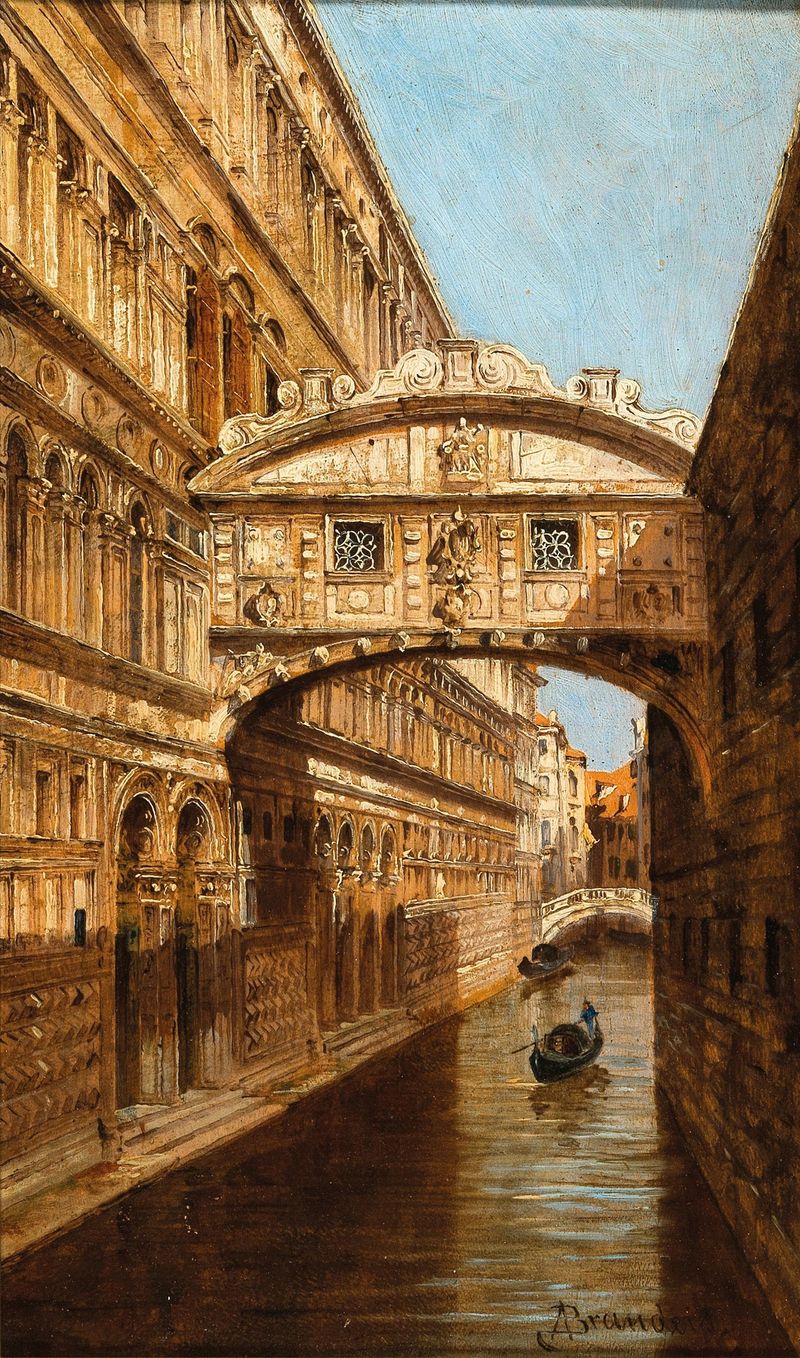
Venice, Le ponte dei Sospiri, Venezia
Antonietta Brandeis
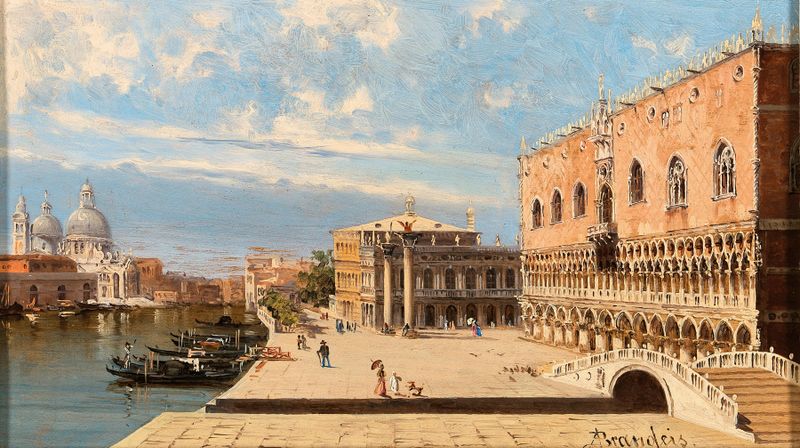
Il Palazzo Ducale Venezia
Antonietta Brandeis
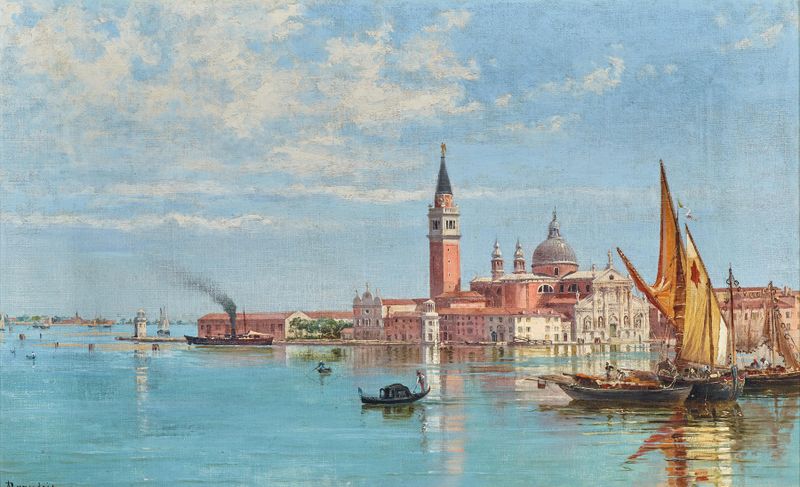
Venice, a View of San Giorgio Maggiore
Antonietta Brandeis
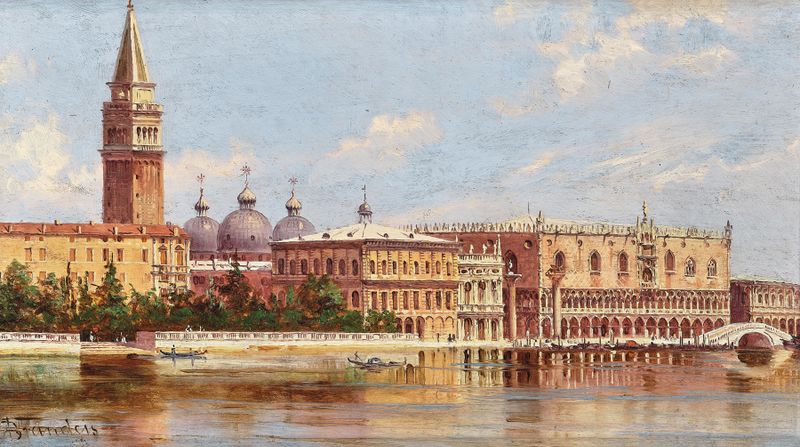
Venice, a View of the Bacino di San Marco
Antonietta Brandeis
More Architecture Art
Browse all →
The statue of Liberty
Frédéric Auguste Bartholdi

View of Houses in Delft, Known as ‘The Little Street’
Johannes Vermeer

View of Houses in Delft, Known as ‘The Little Street’
Johannes Vermeer

The Cathedral in Rouen. The portal, Grey Weather
Claude Monet

The yellow house
Vincent van Gogh

The Church in Auvers-sur-Oise, View from the Chevet
Vincent van Gogh