
La Garonne À Toulouse — History & Facts
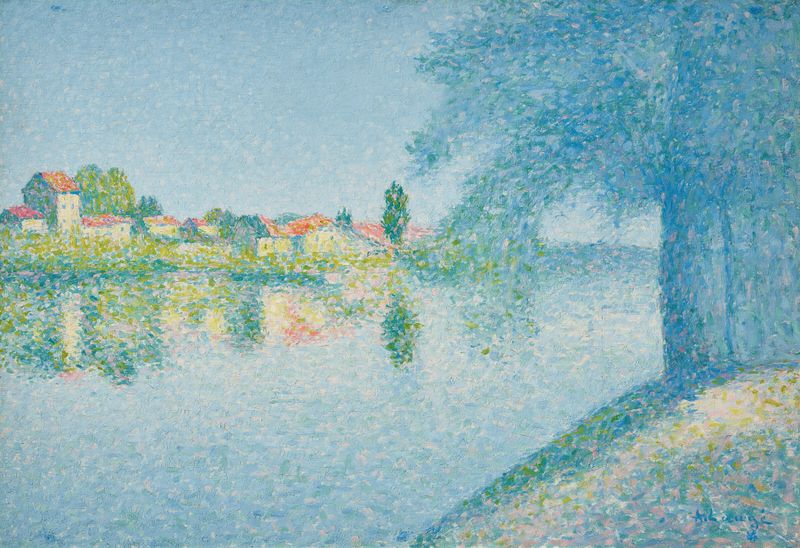
In the stillness of a river, moments relinquished to memory take root, whispering haunting truths of mortality. Look to the center of the canvas, where the Garonne meanders gracefully, its azure waters reflecting a tranquil yet somber sky. Notice how the interplay of soft brushstrokes creates a shimmering surface, inviting you to linger on the ripples that distort the reflections of the trees flanking the banks. The atmospheric perspective lures your gaze deeper into the scene, where muted tones of green and ochre harmonize with dappled sunlight, encapsulating both serenity and urgency. As the eye wanders, consider the juxtaposition of life and death; the vibrant colors of nature collide with the inevitable passage of time.
The motion of the water, so full of life, speaks to the fluidity of existence, yet the barren branches above suggest loss and decay. Each element tells a story of cycles—what thrives, what fades, and the quiet acceptance of transience that coats the canvas with a poignant sense of reflection. Achille Laugé painted La Garonne À Toulouse in the 1920s, a time when the world was transitioning into modernity, and art movements were rapidly evolving. Based in France, Laugé was influenced by Impressionism and Post-Impressionism, capturing landscapes with a focus on emotion and atmospheric effects.
In this era of social change, his work resonates with the deeper themes of memory and impermanence, inviting viewers to contemplate the fleeting nature of life itself.
More Artworks by Achille Laugé
Browse all →
Ruelle au balcon fleuri
Achille Laugé

L’hort À Cailhau
Achille Laugé
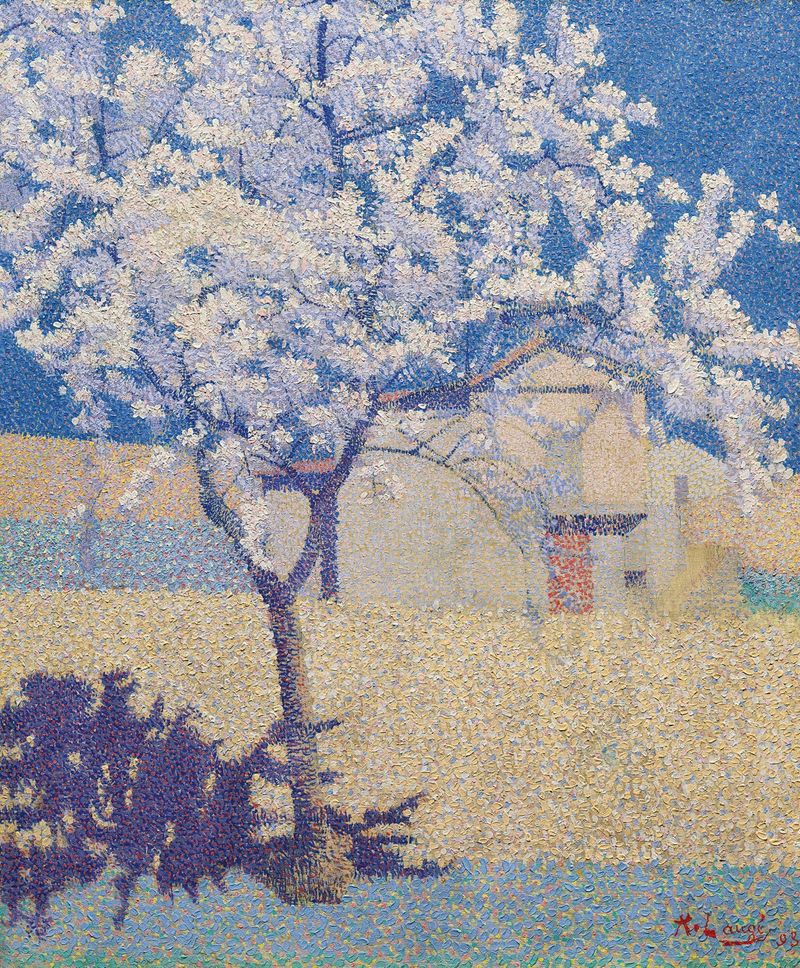
L’Arbre En Fleur
Achille Laugé

L’allée de saules derrière l’Alouette à Cailhau
Achille Laugé
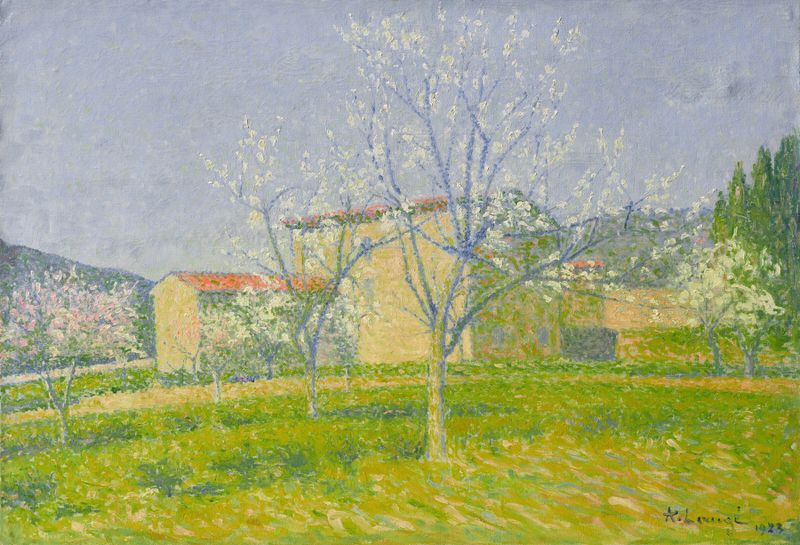
Verger en fleurs à Alet-les-Bains (Aude)
Achille Laugé
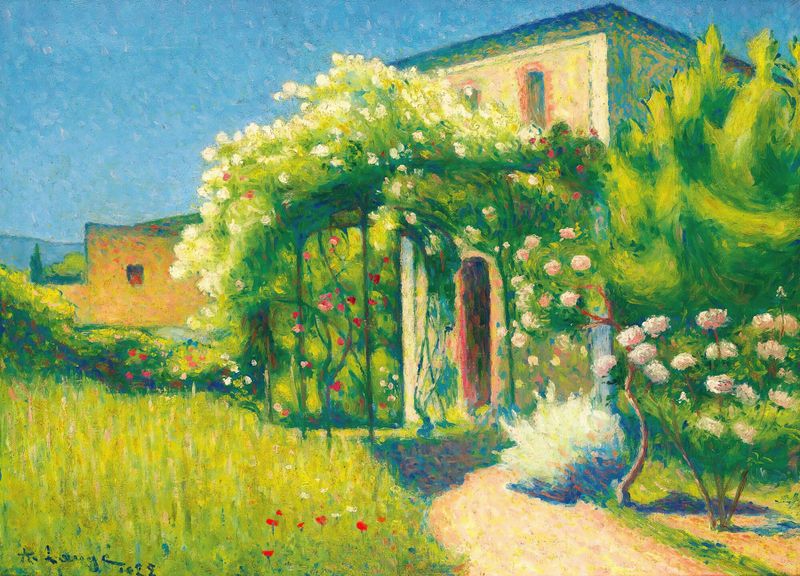
L’Atelier À Alet-Les-Bains
Achille Laugé
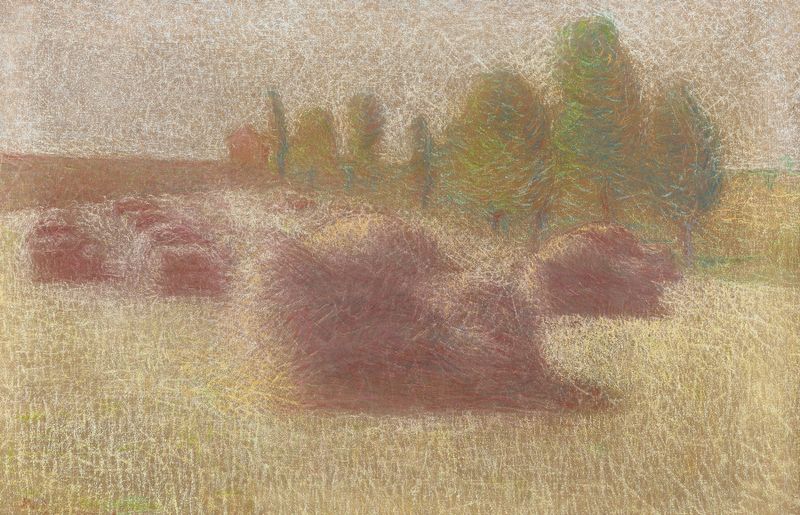
Les Gerbes
Achille Laugé
Vue des quais de la Garonne
Achille Laugé

La route de Belvèze vers le relais
Achille Laugé

La route (The Road)
Achille Laugé





