Les Gerbes — History & Facts
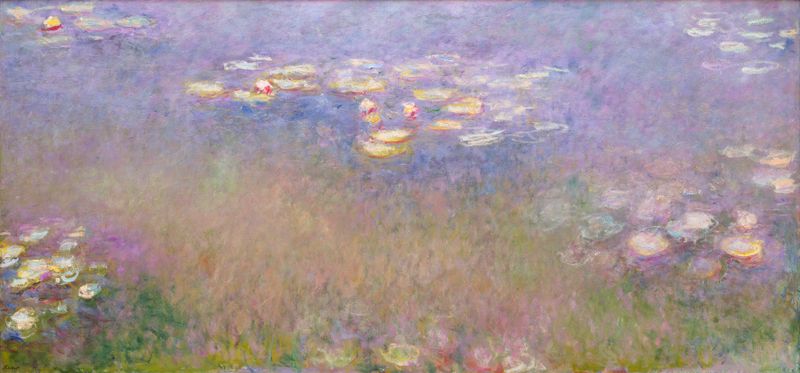
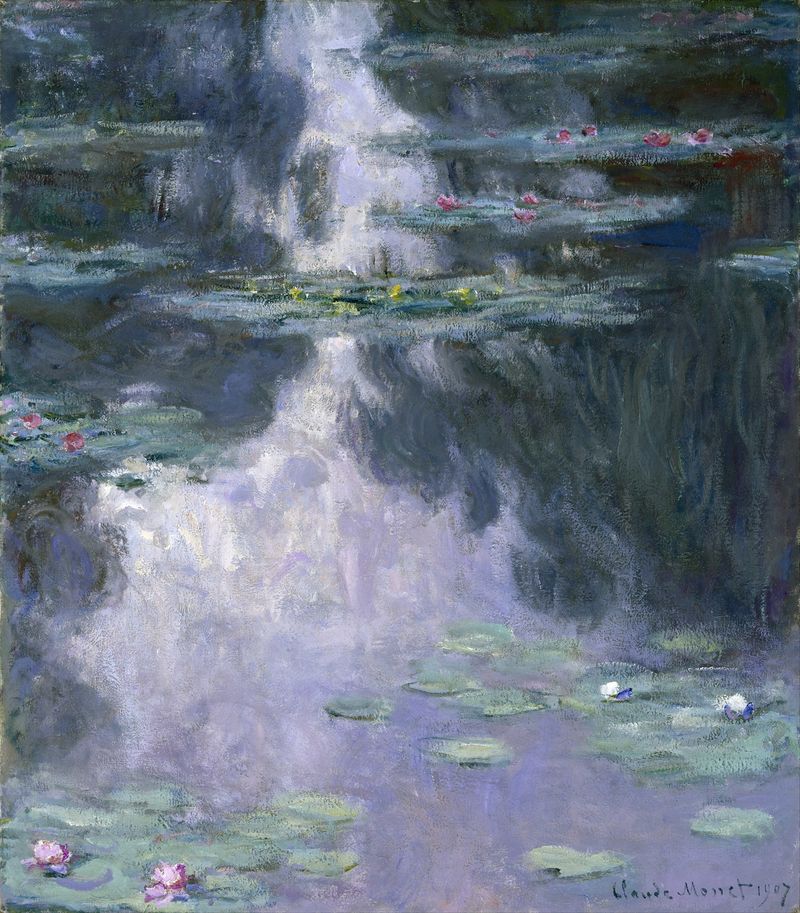
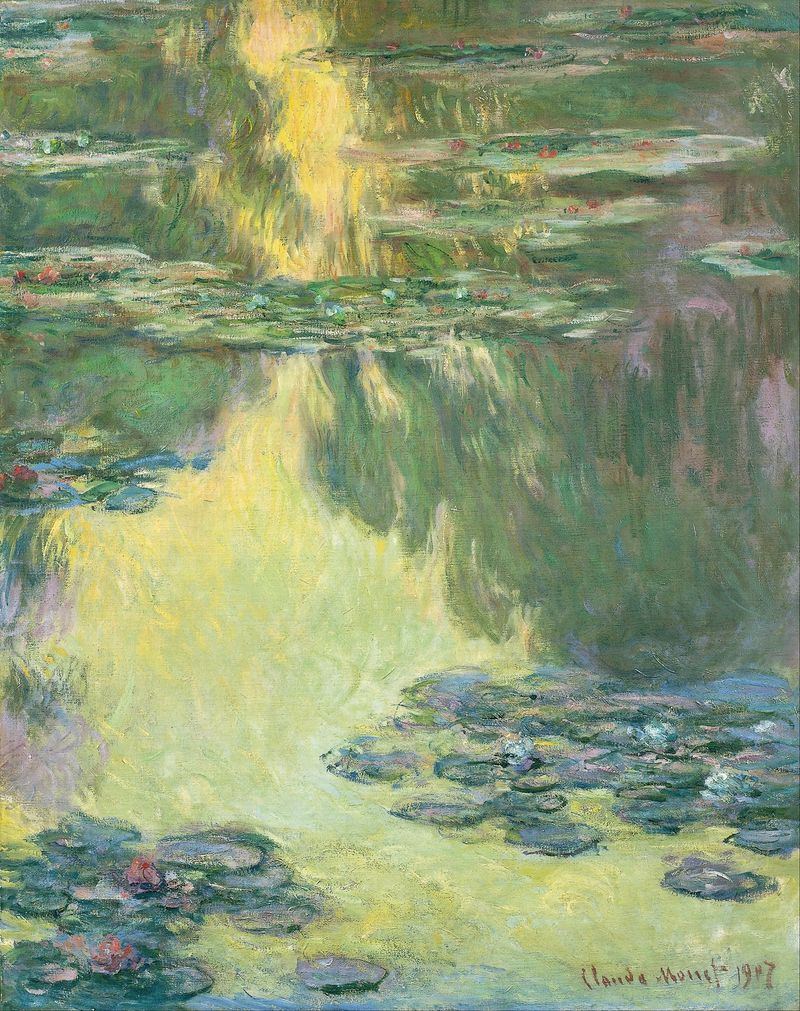
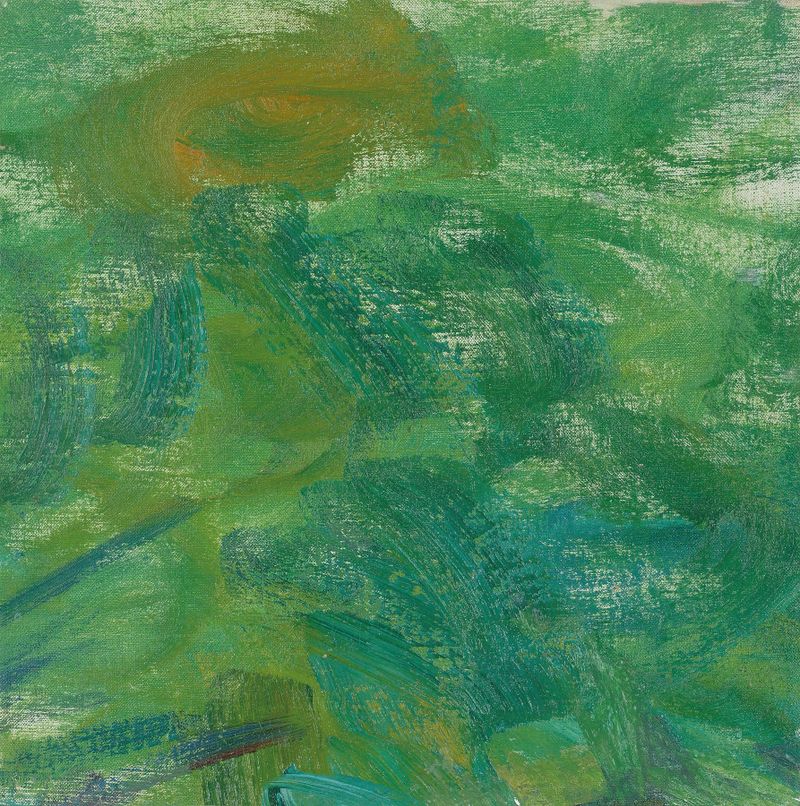
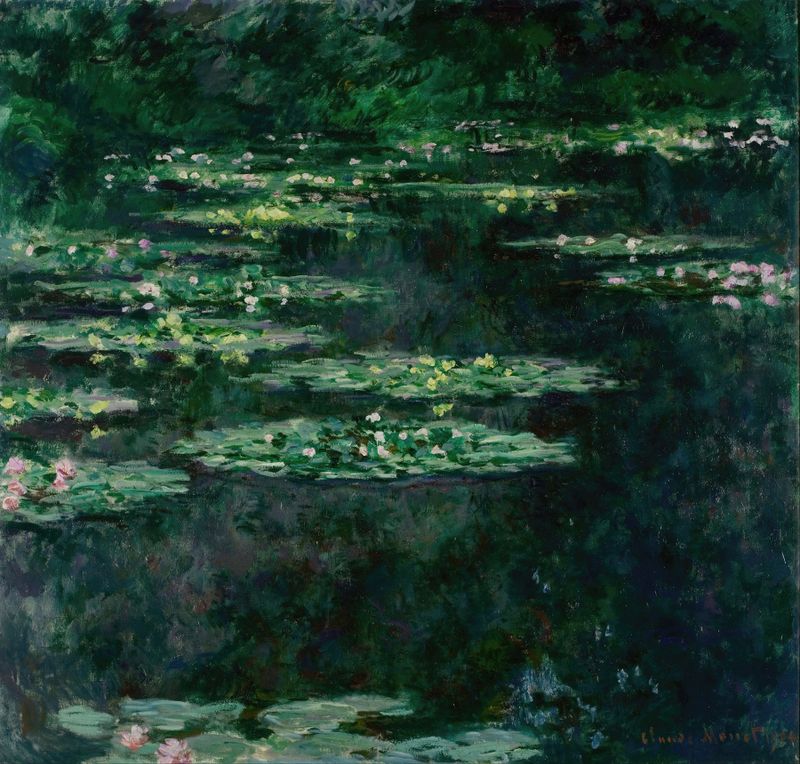
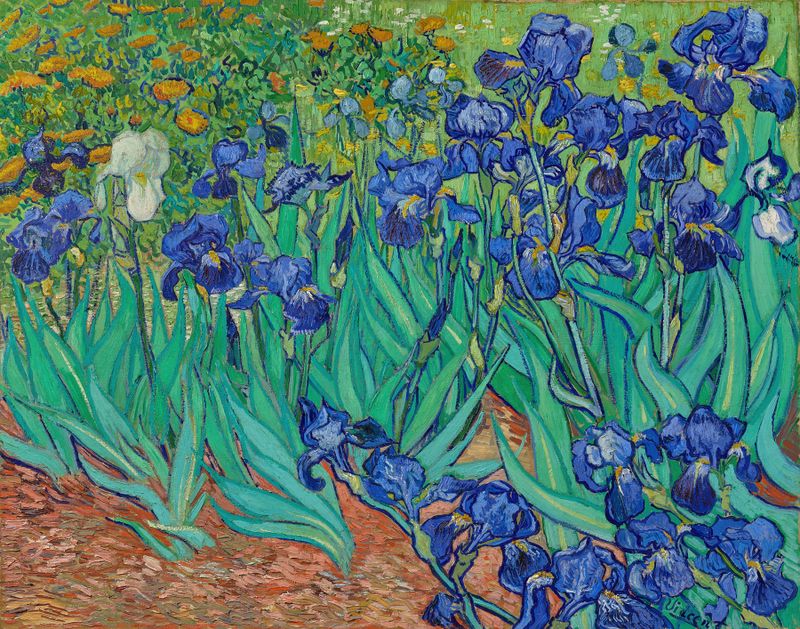
In the delicate interplay of color and texture, Les Gerbes embodies an awakening that transcends mere representation. It draws the viewer into a world where nature's vibrancy is captured with an intensity that resonates long after the visual encounter has ended. Look to the left, where sweeping strokes of green and gold swirl together, forming a lush tapestry of foliage. The artist employs a palette that vibrates with life, contrasting deep emeralds against the sunlit yellows, pulling you into the heart of a blossoming landscape.
Notice how the brushwork varies in texture; the thick impasto in the foreground gives a sense of movement, while softer strokes in the background create depth, inviting the eye to wander. Beneath the surface lies a tension between chaos and harmony. Each bundle of flowers seems to pulse with energy, symbolizing the transient beauty of life. The layering of colors suggests a moment frozen in time—a celebration of nature’s cycles, yet an echo of the ephemeral.
This duality evokes both joy and melancholy, a reminder that every blooming flower must eventually fade, urging a deeper appreciation of the present. Achille Laugé completed Les Gerbes in 1904, during a time of artistic exploration and innovation in France. Living in the heart of the post-impressionist movement, he was surrounded by the vibrant energy of new ideas and techniques. The artist was focused on capturing the essence of landscapes and flowers, reflecting his interest in the ephemeral beauty of nature amidst a rapidly changing world.
More Artworks by Achille Laugé
Browse all →
Ruelle au balcon fleuri
Achille Laugé

L’hort À Cailhau
Achille Laugé
L’Arbre En Fleur
Achille Laugé

L’allée de saules derrière l’Alouette à Cailhau
Achille Laugé
Verger en fleurs à Alet-les-Bains (Aude)
Achille Laugé
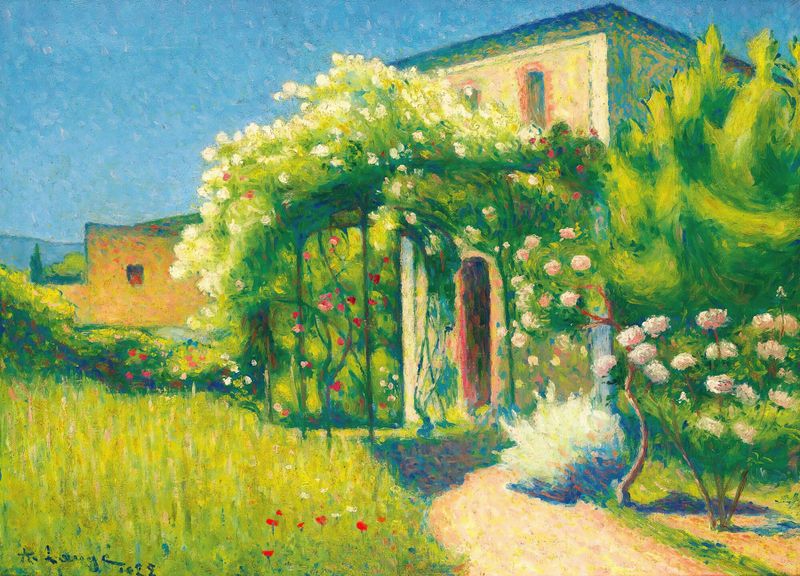
L’Atelier À Alet-Les-Bains
Achille Laugé
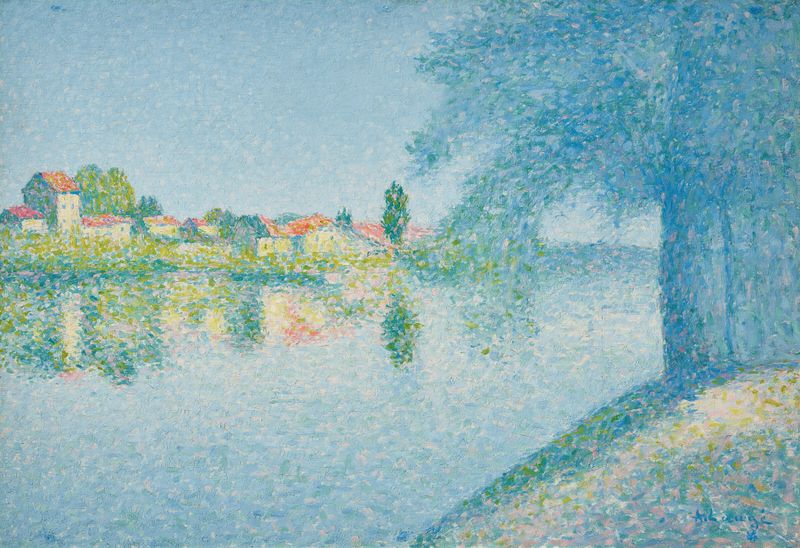
Vue des quais de la Garonne
Achille Laugé

La route de Belvèze vers le relais
Achille Laugé
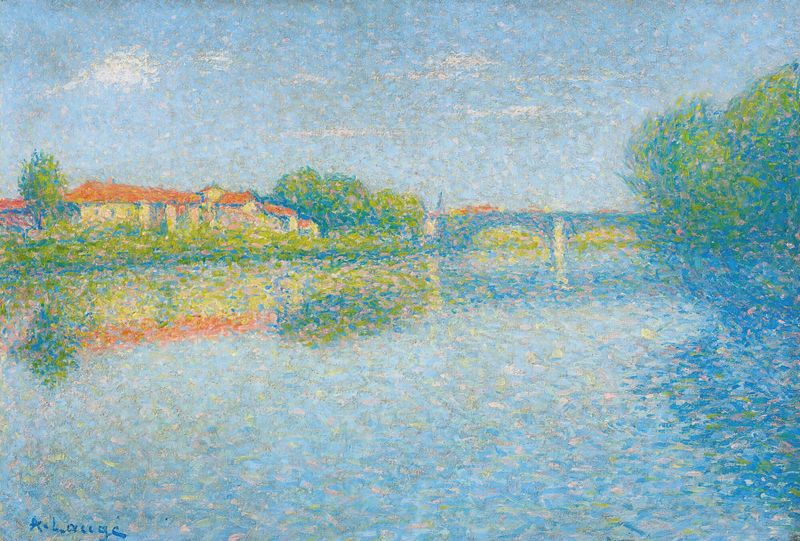
La Garonne À Toulouse
Achille Laugé

La route (The Road)
Achille Laugé