
La neige — History & Facts
In the heart of winter's grasp, a world shrouded in white reveals both beauty and madness, where stillness breathes the essence of life itself. Look to the foreground of La neige, where the delicate brushstrokes capture the textured layers of fresh, unblemished snow. Notice the subtle play of light as it dances across the surface, illuminating the scene with an ethereal glow. Your gaze is drawn to the solitary figures in the distance, almost spectral against the cold backdrop, their muted forms echoing the silence of the flurry around them.
The muted palette, dominated by whites and soft grays, hints at both serenity and a chilling stillness, drawing the viewer into a contemplative embrace. Within this snowy landscape, contrasts emerge—between light and shadow, warmth and chill, solitude and connection. The figures, though present, seem to float in their own realm, each lost in thoughts that echo the isolation of a winter’s day. The gentle swirl of snowflakes, captured mid-fall, alludes to a chaotic beauty, the madness of nature that, while serene, embodies an underlying tension.
Each stroke reveals not just the world outside, but also the inner turmoil of the human spirit. In 1899, Henri Le Sidaner painted this scene during a period marked by an exploration of light and color, influenced by his studies in Paris. At this time, he was captivated by the Impressionist movement, seeking to convey emotions through atmospheric effects. As he stood before this wintry landscape, he sought to balance the madness of human emotion with the tranquility of nature, crafting a moment that speaks to the heart of both solitude and clarity.
More Artworks by Henri Le Sidaner
Browse all →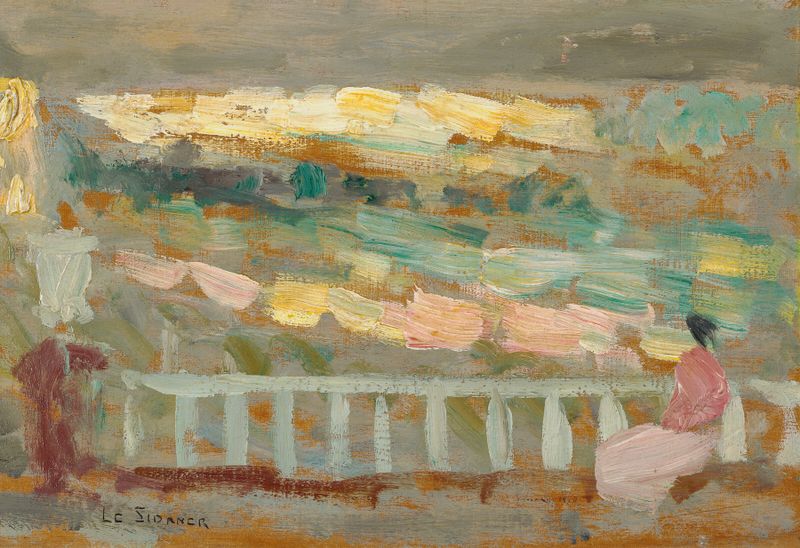
Terrasse à Gerberoy
Henri Le Sidaner
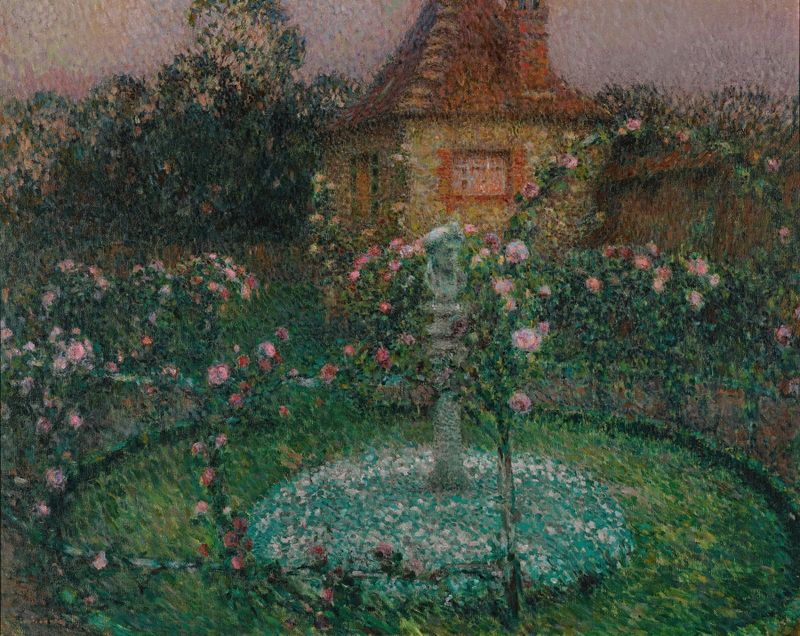
Le Pavillon, Gerberoy
Henri Le Sidaner
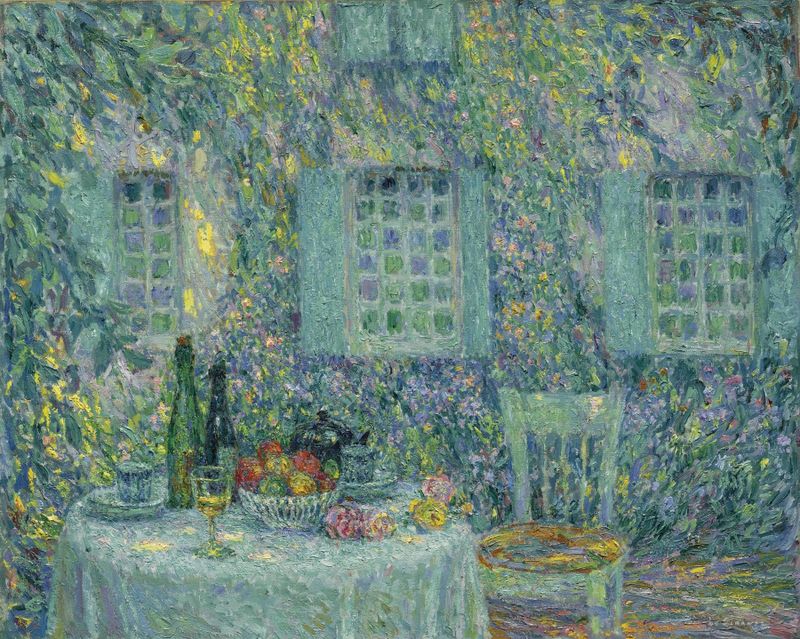
La Table, soleil dans les feuilles, Gerberoy
Henri Le Sidaner
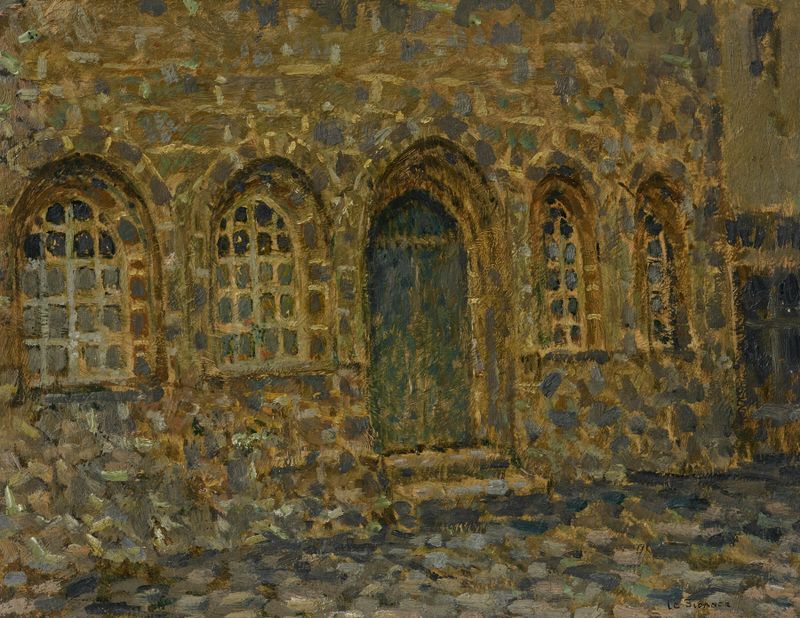
Maison ancienne, Tréguier
Henri Le Sidaner
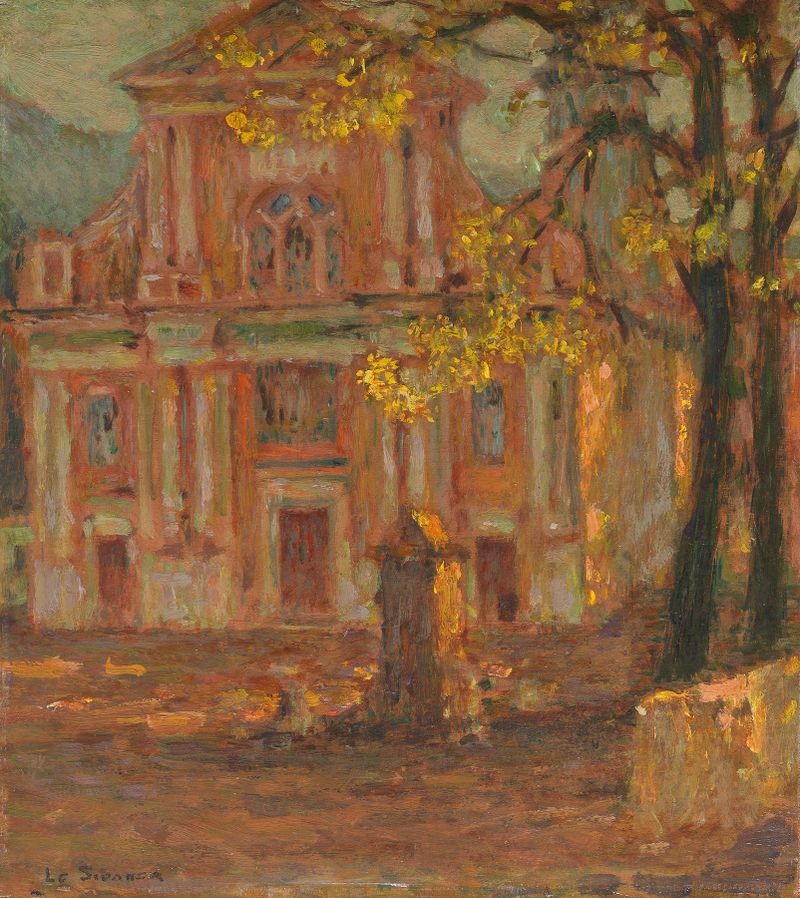
L’église, Dolceacqua
Henri Le Sidaner
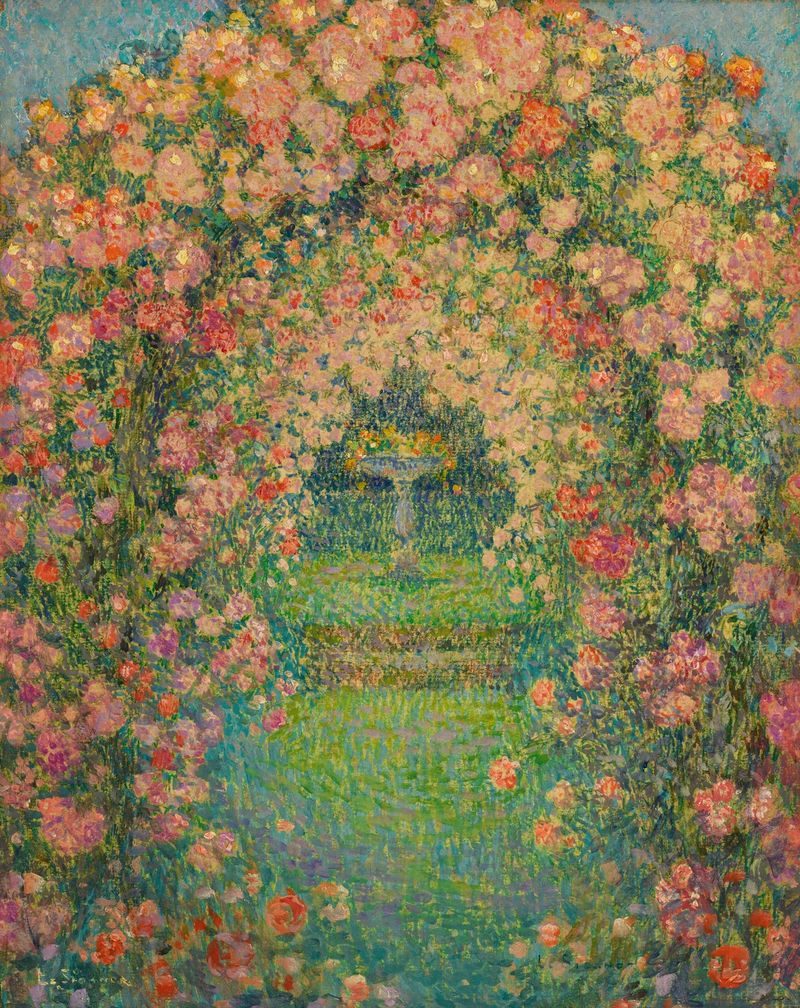
La Roseraie, Gerberoy
Henri Le Sidaner
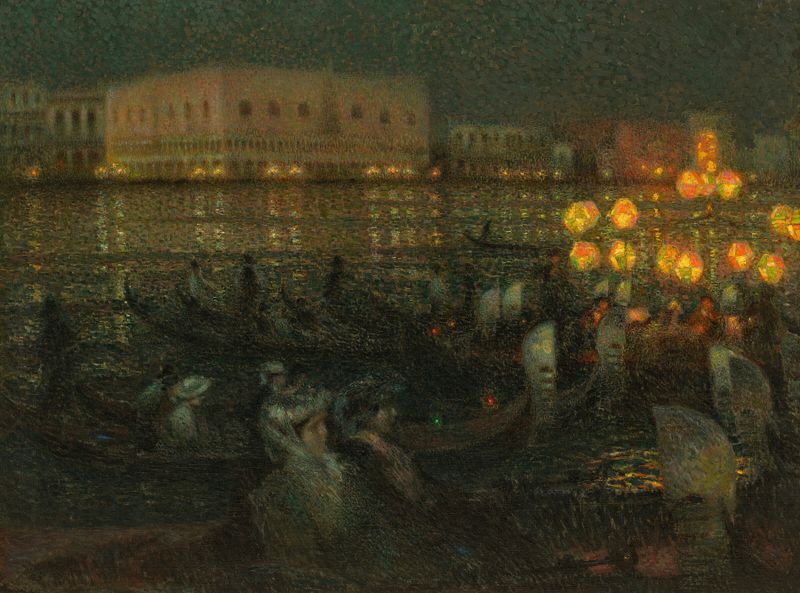
La Sérénade, Venise
Henri Le Sidaner
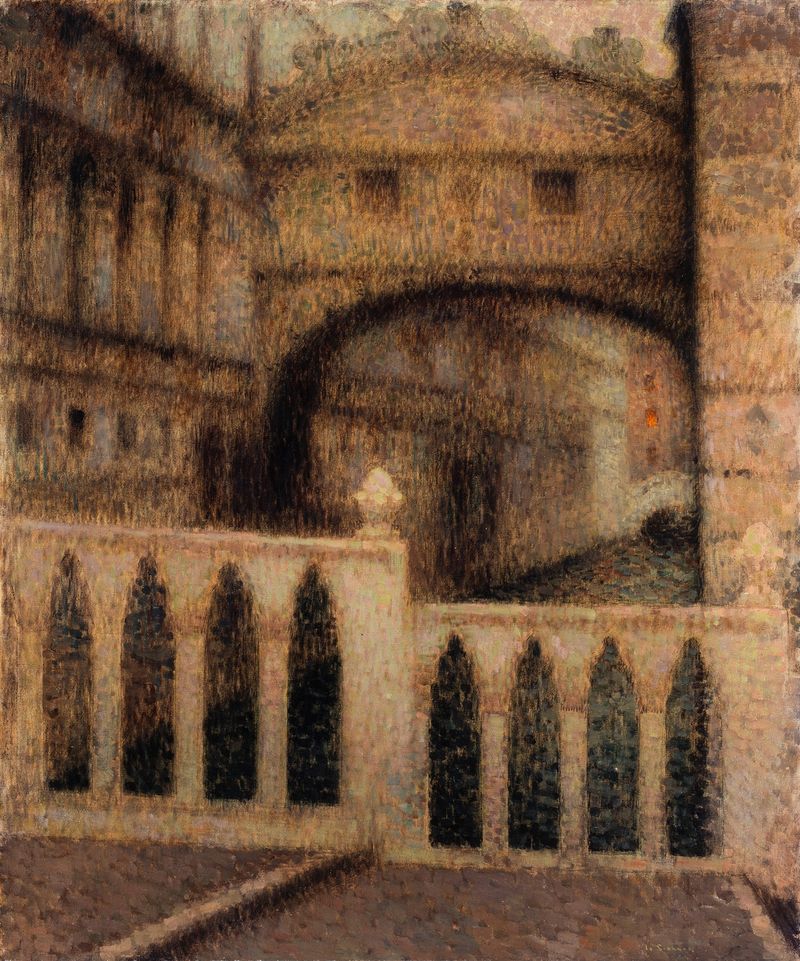
Le pont des Soupirs
Henri Le Sidaner
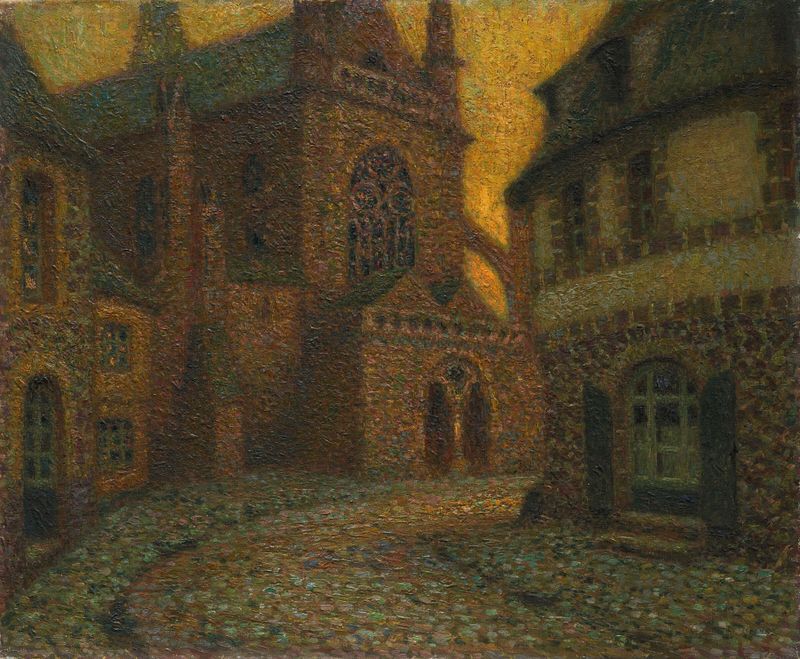
L’Église, Tréguier
Henri Le Sidaner
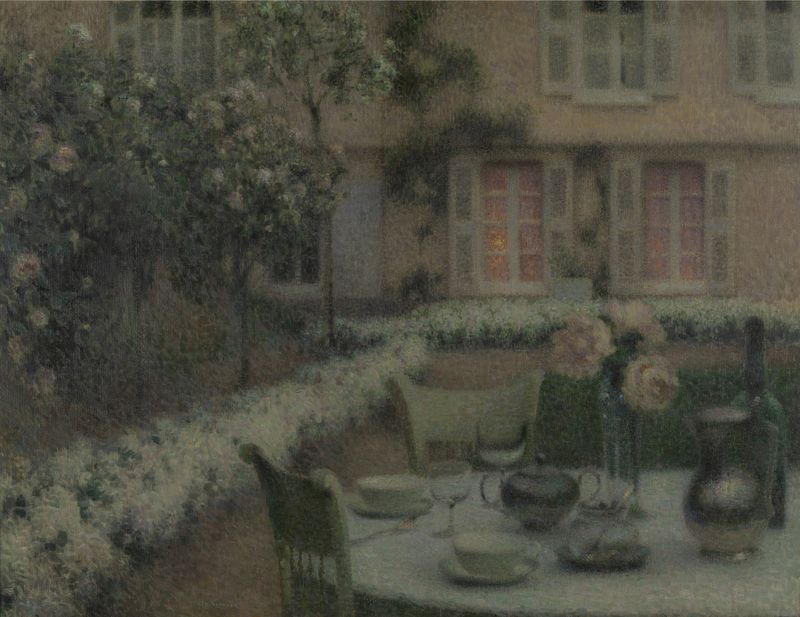
The Table in the White Garden at Gerberoy
Henri Le Sidaner





