
La place, neige — History & Facts
When did color learn to lie? As the cold blue of winter settles like a shroud, the ethereal beauty of snow transforms the familiar into an enchanted realm, where truth and illusion intertwine. Focus on the soft, pale palette that envelops the scene, drawing your gaze toward the center where a quaint square emerges, gently blanketed in white. Notice how the artist’s brushstrokes delicately capture the subtle interplay of light and shadow, casting an almost dreamlike quality over the buildings that peer out from beneath their snowy hoods. The muted hues of soft grays and whites create a tranquil atmosphere, inviting you to linger, to breathe in the stillness. Yet, within this serene tableau lies an underlying tension.
The empty square, devoid of human presence, sparks a sense of isolation; the viewer stands as the solitary witness to this moment frozen in time. The play of light hints at warmth amid the chill, suggesting a longing for connection amidst the starkness of winter, where the purity of the snow both conceals and reveals hidden truths of the heart. Henri Le Sidaner painted La place, neige in 1901 while living in France during a period marked by post-Impressionist influences. This creation came at a time when the artist sought to explore the emotional resonance of landscapes, reflecting personal introspections against the backdrop of an evolving art world that valued subjective experience over objective representation.
More Artworks by Henri Le Sidaner
Browse all →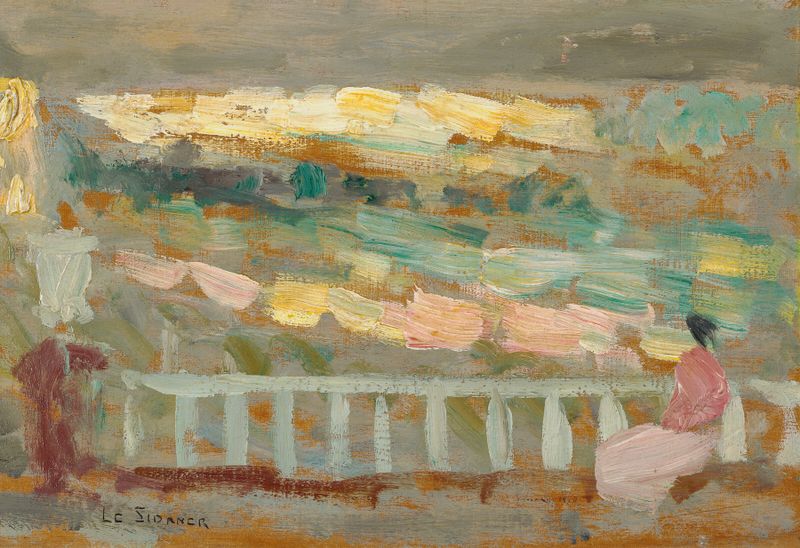
Terrasse à Gerberoy
Henri Le Sidaner
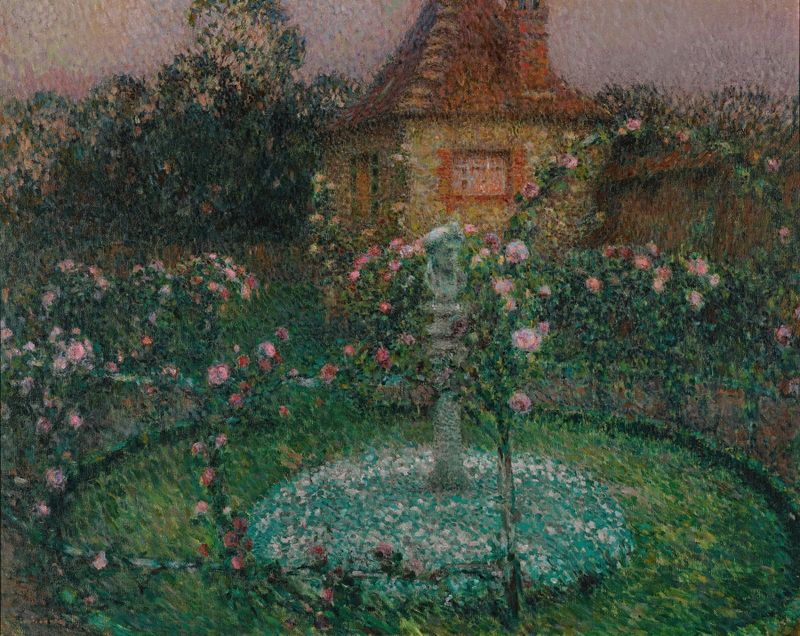
Le Pavillon, Gerberoy
Henri Le Sidaner
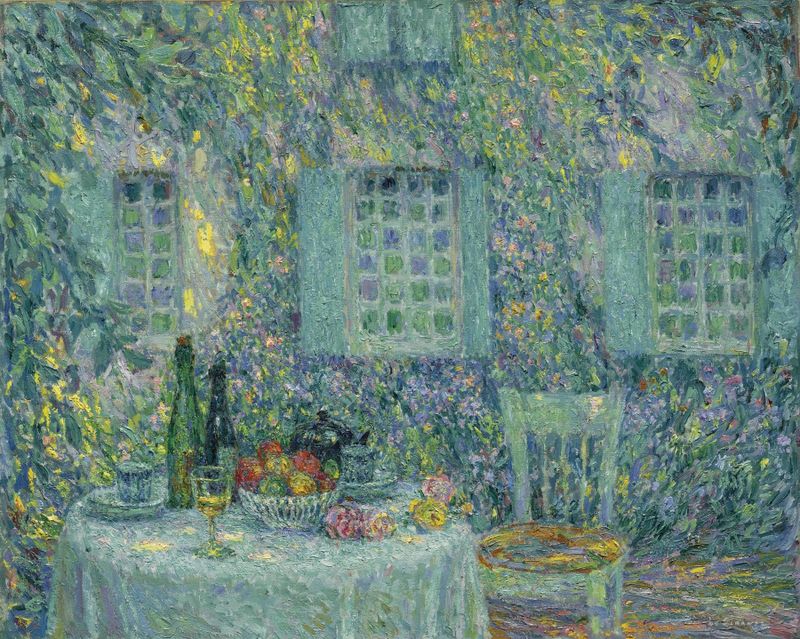
La Table, soleil dans les feuilles, Gerberoy
Henri Le Sidaner
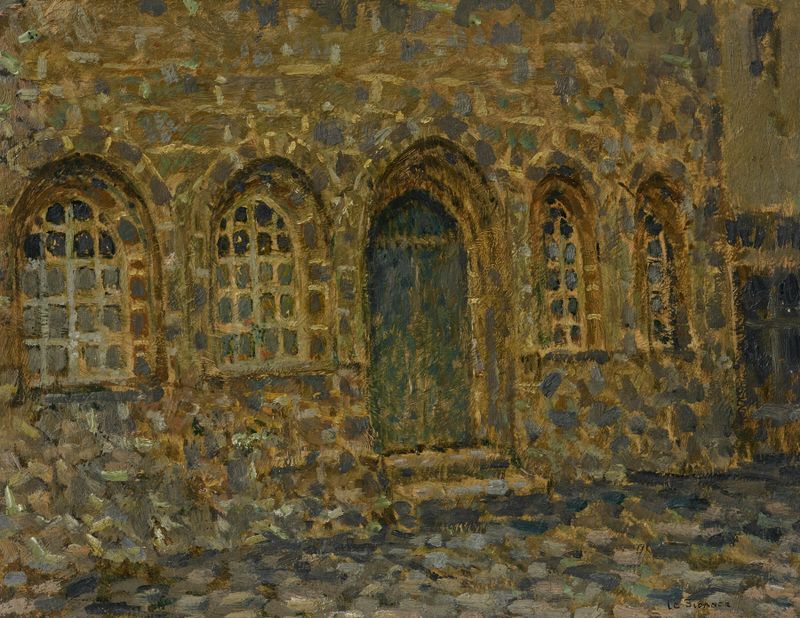
Maison ancienne, Tréguier
Henri Le Sidaner
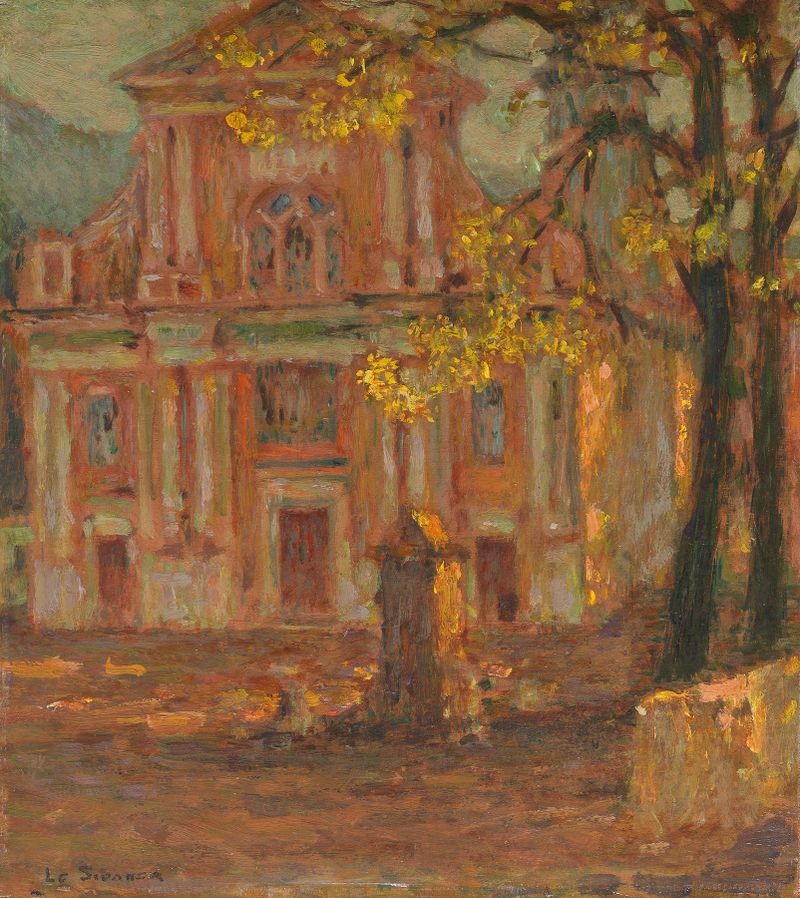
L’église, Dolceacqua
Henri Le Sidaner
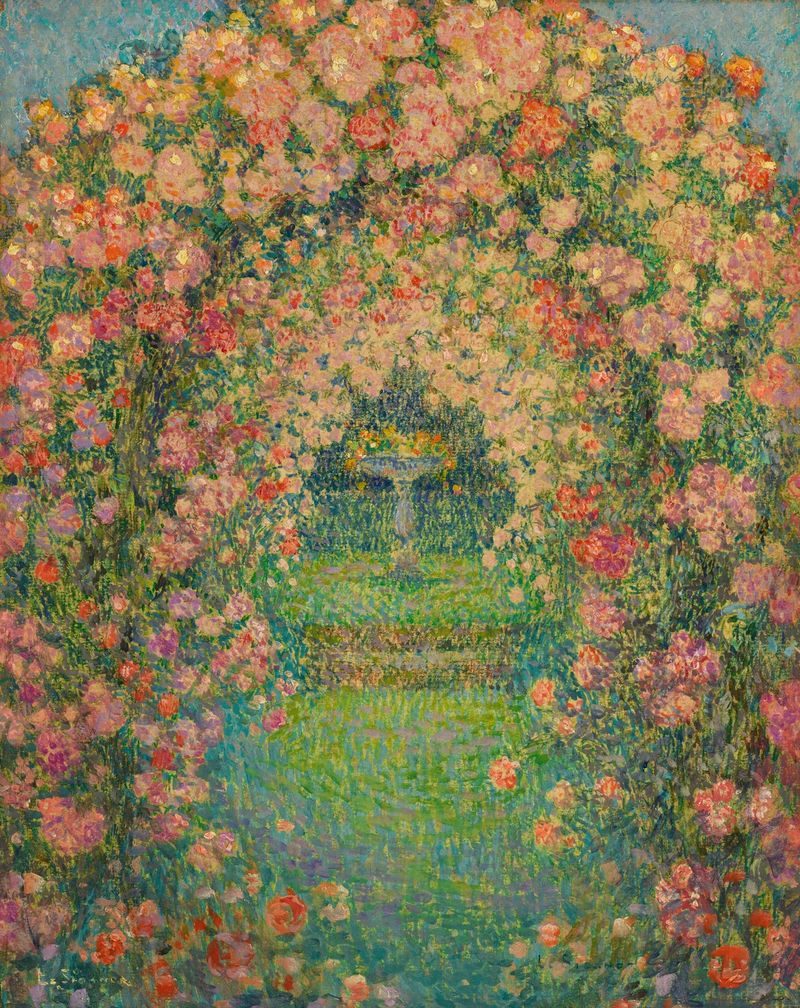
La Roseraie, Gerberoy
Henri Le Sidaner
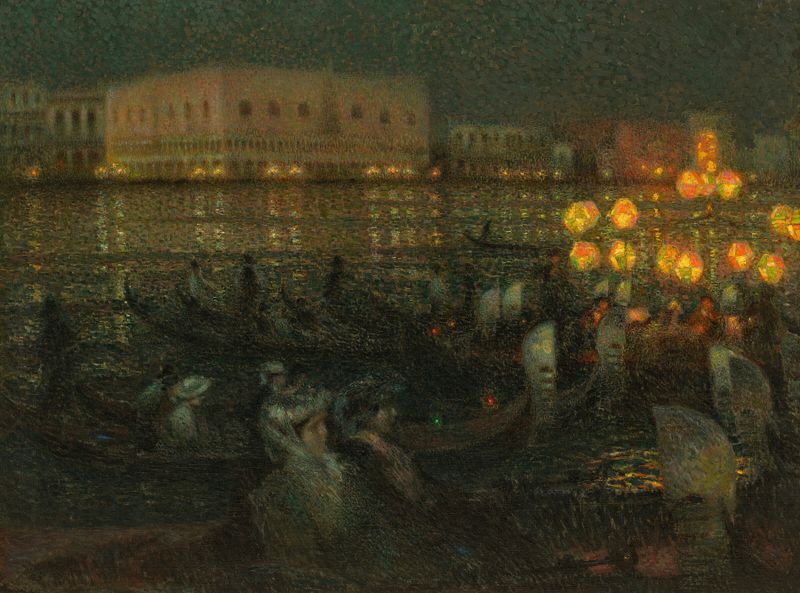
La Sérénade, Venise
Henri Le Sidaner
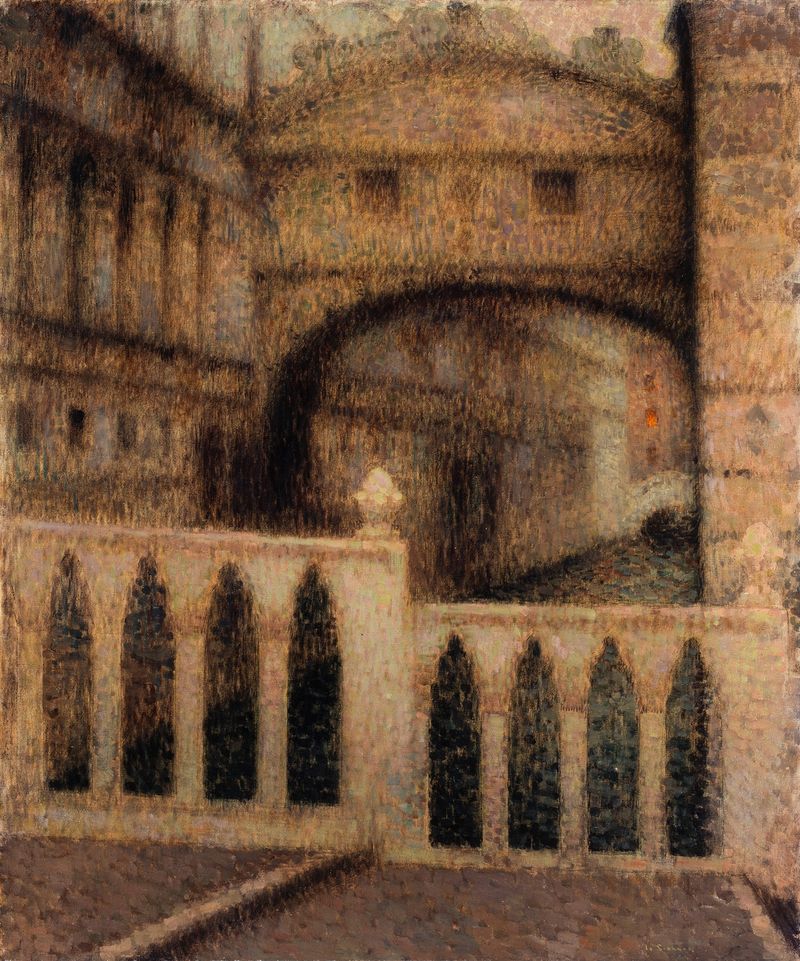
Le pont des Soupirs
Henri Le Sidaner
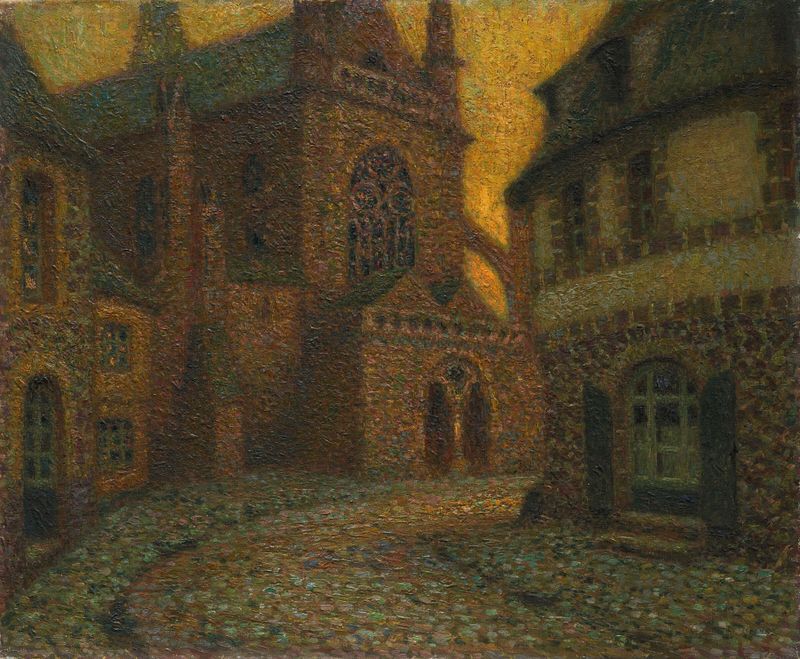
L’Église, Tréguier
Henri Le Sidaner
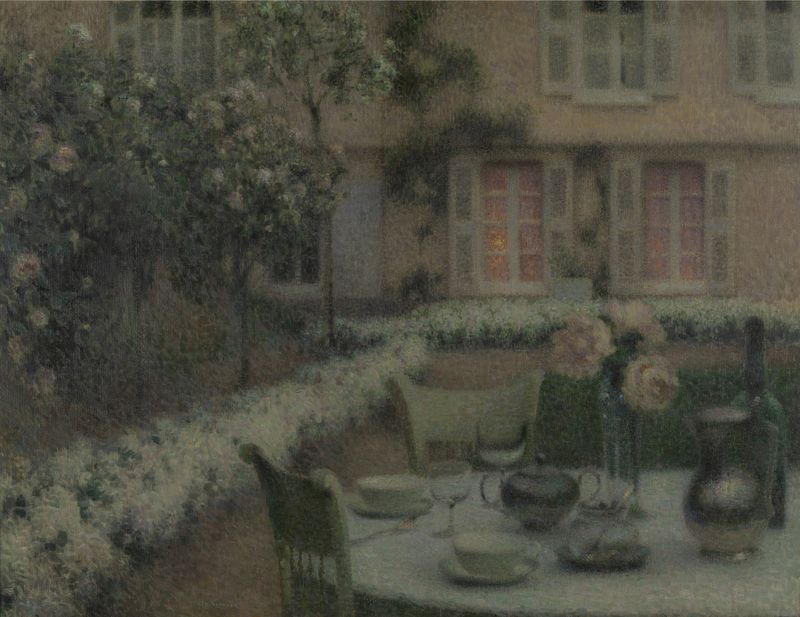
The Table in the White Garden at Gerberoy
Henri Le Sidaner





