La Plage de Fort-Mahon (Somme) — History & Facts
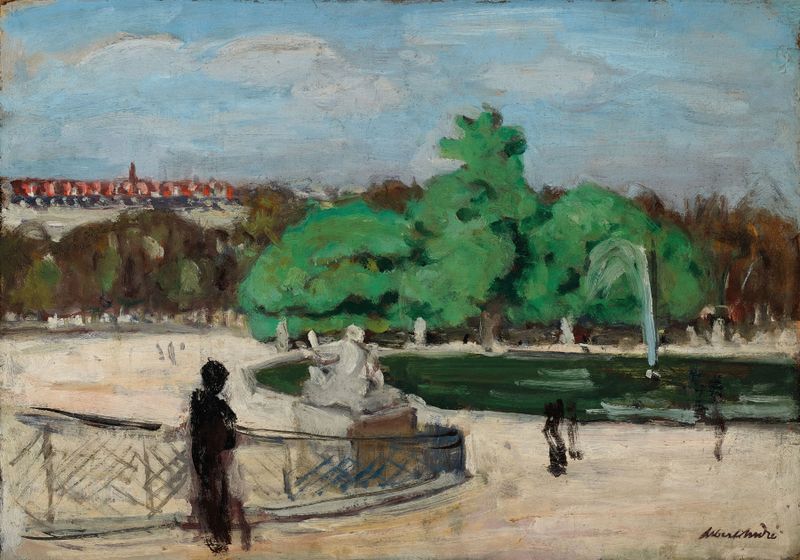
What secret hides in the quiet of the canvas? Beneath the pastel hues of sunlit sand and the gentle embrace of ocean waves lies the essence of a subtle yet profound revolution. Look to the left at the sailboats dotting the horizon, their white sails fluttering against the soft azure sky. The composition balances the warm tones of the beach with the cool blues of the sea, drawing the eye towards the rhythmic brushstrokes that create a sense of movement and serenity. Notice how the light plays upon the wet sand, shimmering with golden reflections that hint at a sun-drenched afternoon, inviting viewers to step into this tranquil world. Amidst the calm, a deeper emotional tension simmers beneath the surface.
The juxtaposition of the idyllic beach scene and the distant horizon suggests a longing for escape, perhaps reflecting post-war sentiments of hope and renewal. The figures in the foreground, engaged in leisure, contrast with the unoccupied boats—silent witnesses to stories untold, memories of journeys yet to begin. In 1926, the artist found inspiration in the idyllic settings of Fort-Mahon, during a time when Europe was navigating the aftermath of the Great War. André was part of the French post-impressionist movement, seeking to capture the beauty of everyday life while also hinting at the changes sweeping through society.
This artwork, with its vibrant palette and serene subject, stands as a testament to recovery and the quiet revolutions that occur in both art and life.