
La prairie — History & Facts
Who listens when art speaks of silence? In the gentle embrace of tranquility, La prairie whispers the profound beauty of creation, inviting introspection and stillness. Focus on the lush expanse of green that stretches across the canvas, giving way to dappled light filtering through the trees. Notice how the artist employs a delicate palette of greens and soft pastels, harmonizing the earth and sky. The composition draws the eye to the serene horizon where the landscape meets the sky, evoking a sense of infinite possibility that lies just beyond the visible. There’s a palpable tension between the tranquil serenity of the meadow and the vibrant life it harbors.
Small wildflowers dot the foreground, intermingling with the tall grass, symbolizing resilience amidst the vastness. The subtleties of light and shadow create a dynamic interplay, suggesting that even in stillness, nature breathes and pulses with life, an invitation to reflect on our own existence. In 1880, Henri Le Sidaner painted La prairie during a time when Impressionism was blooming, yet he sought to carve his unique path within the movement. Working in France, he was deeply influenced by the interplay of light and color, focusing on the emotional resonance of landscapes.
This painting reflects his desire to capture a moment of peace, a stark contrast to the rapidly industrializing world around him, highlighting his commitment to a more introspective approach to art.
More Artworks by Henri Le Sidaner
Browse all →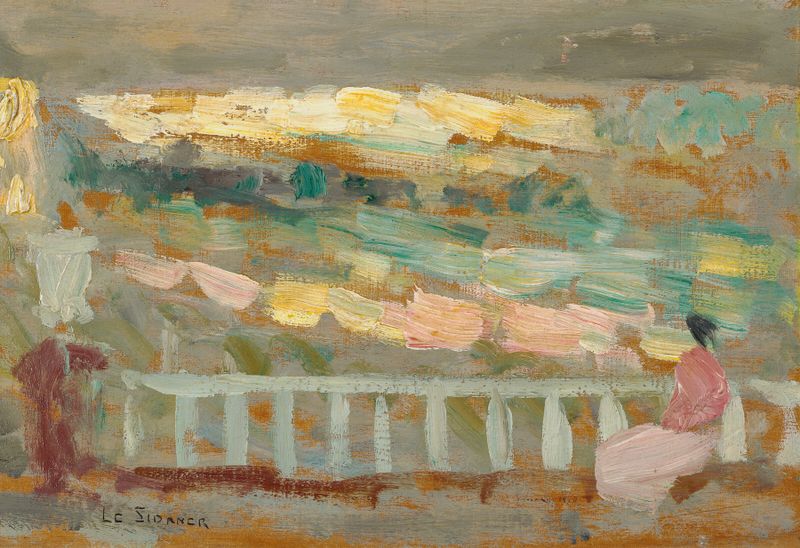
Terrasse à Gerberoy
Henri Le Sidaner
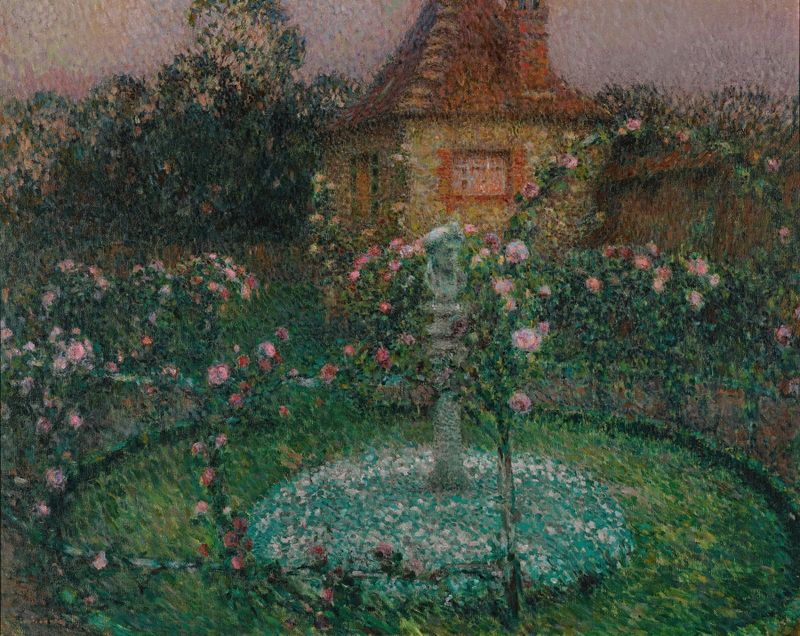
Le Pavillon, Gerberoy
Henri Le Sidaner
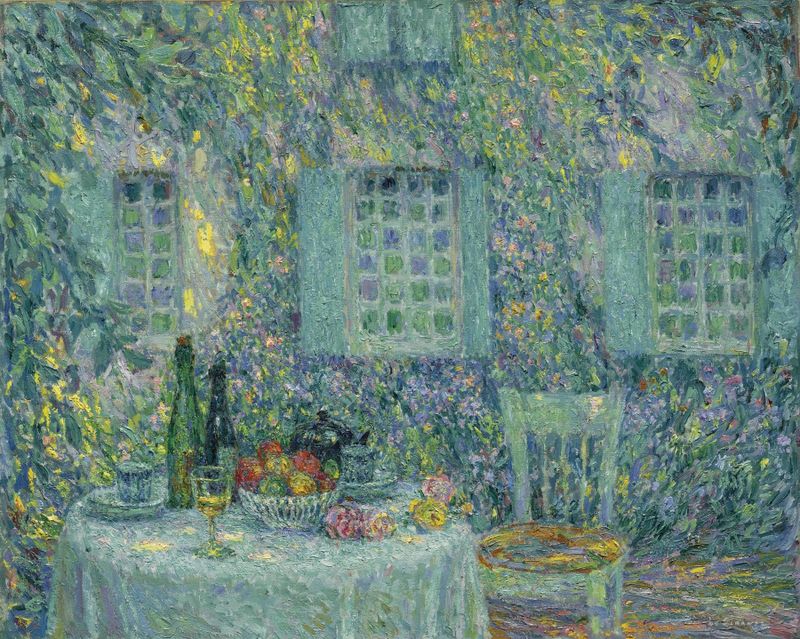
La Table, soleil dans les feuilles, Gerberoy
Henri Le Sidaner
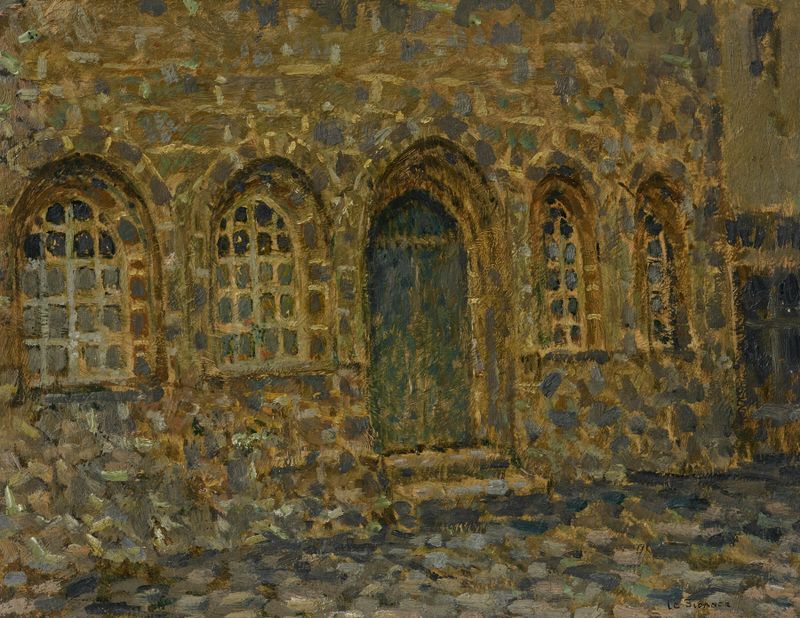
Maison ancienne, Tréguier
Henri Le Sidaner
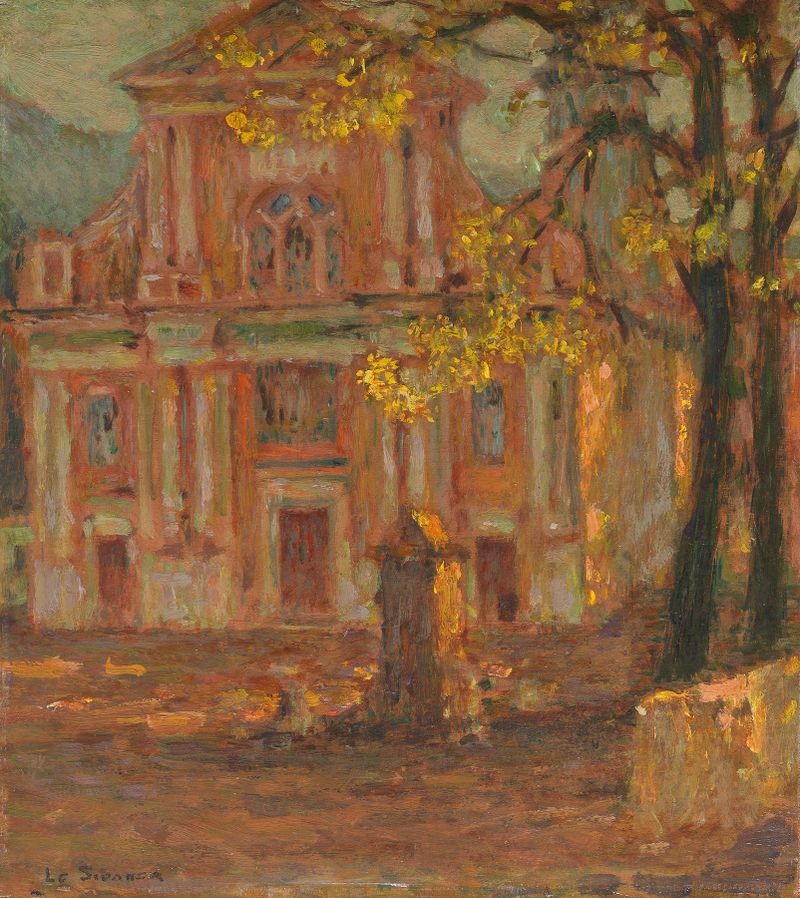
L’église, Dolceacqua
Henri Le Sidaner
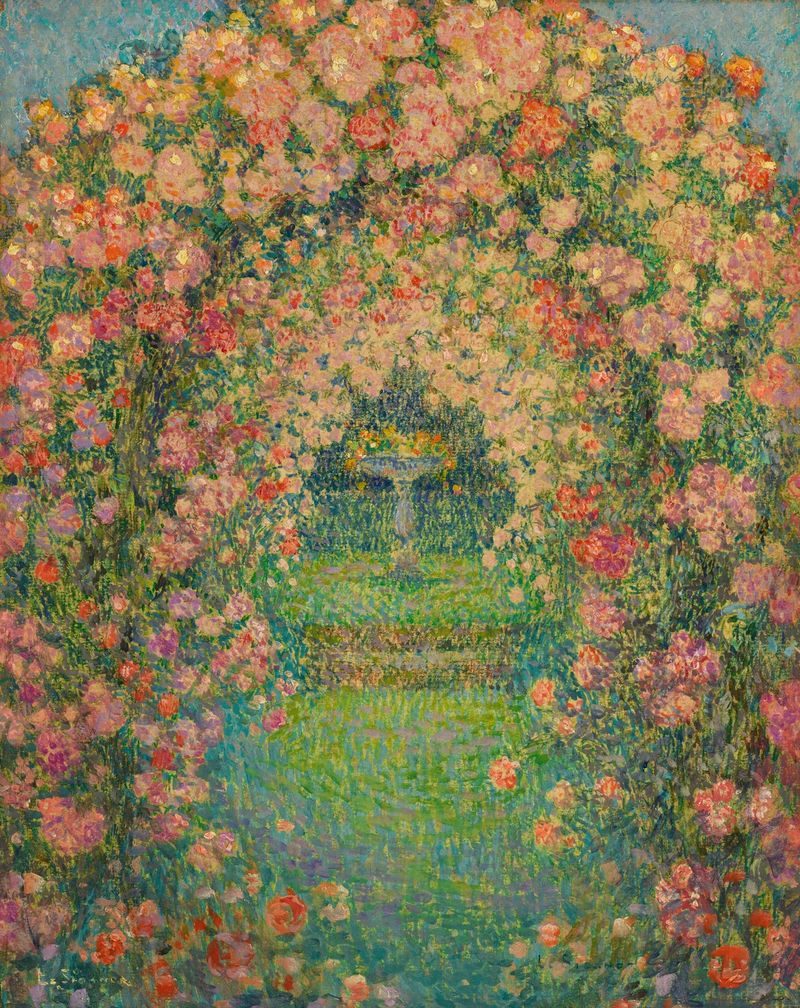
La Roseraie, Gerberoy
Henri Le Sidaner
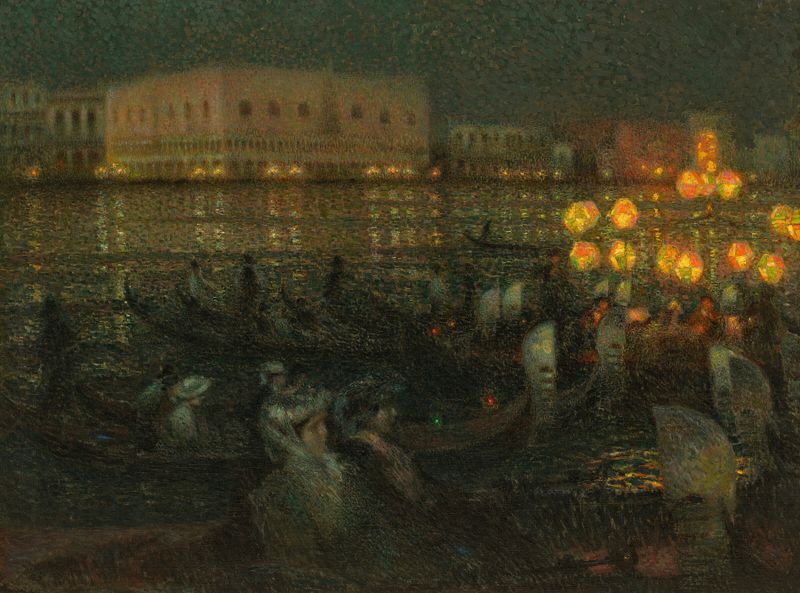
La Sérénade, Venise
Henri Le Sidaner
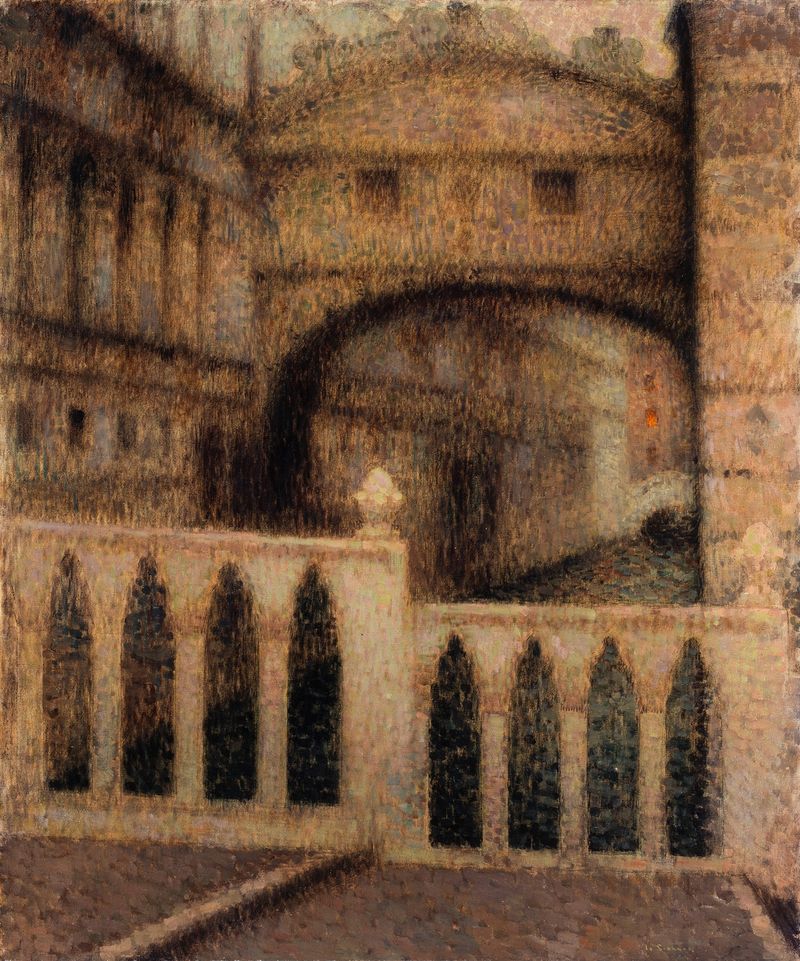
Le pont des Soupirs
Henri Le Sidaner
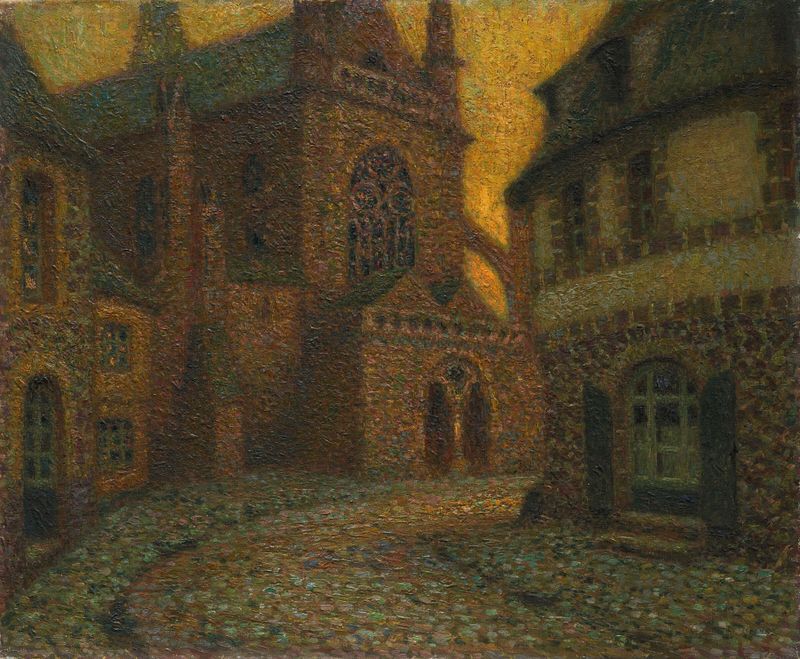
L’Église, Tréguier
Henri Le Sidaner
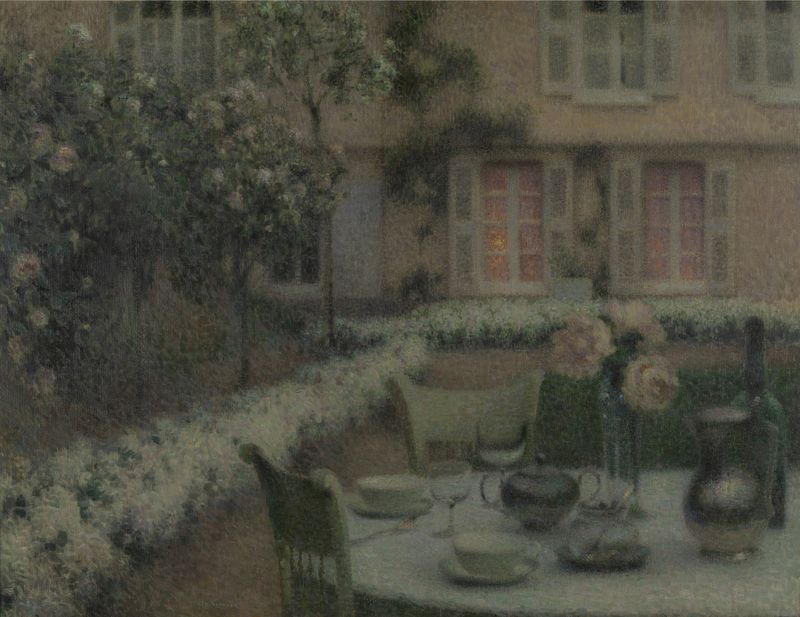
The Table in the White Garden at Gerberoy
Henri Le Sidaner





