
La Rue de Bièvre — History & Facts
In a city where shadows lurk and silence looms, fear waits just beneath the surface, yearning for expression. Look to the left, where a narrow, cobblestone street unfolds like a ribbon of forgotten history. The viewer's eye is drawn to the weathered façades of the buildings, their muted colors whispering tales of years gone by. Notice how the delicate play of light and shadow sculpts the scene, illuminating certain patches while leaving others shrouded in darkness.
This chiaroscuro evokes a sense of mystery, inviting contemplation of the lives that inhabit this space, sealed within the confines of their own fears and secrets. Yet, within this quiet street lies a tension between the known and the unknown. The contrast of warm and cool tones suggests a moment frozen in time, hinting at the emotions that swirl beneath the surface. Small details, like the potted plants on the windowsills, express a flicker of hope amidst the encroaching dread.
Each element exists in a delicate balance, a reminder that even the most mundane settings can harbor profound stories of vulnerability and resilience. Jean-Jules Dufour painted this piece during a time when Paris was caught in the grip of societal change, reflecting both the beauty and the anxiety of urban life. The exact date remains elusive, but his career flourished in the late 19th century, a period marked by the rise of Impressionism and a shift in artistic sensibilities. As he navigated this evolving landscape, Dufour’s work captured the pulse of the city, giving voice to the complexities of human experience in a world filled with uncertainty.
More Artworks by Jean-Jules Dufour
Browse all →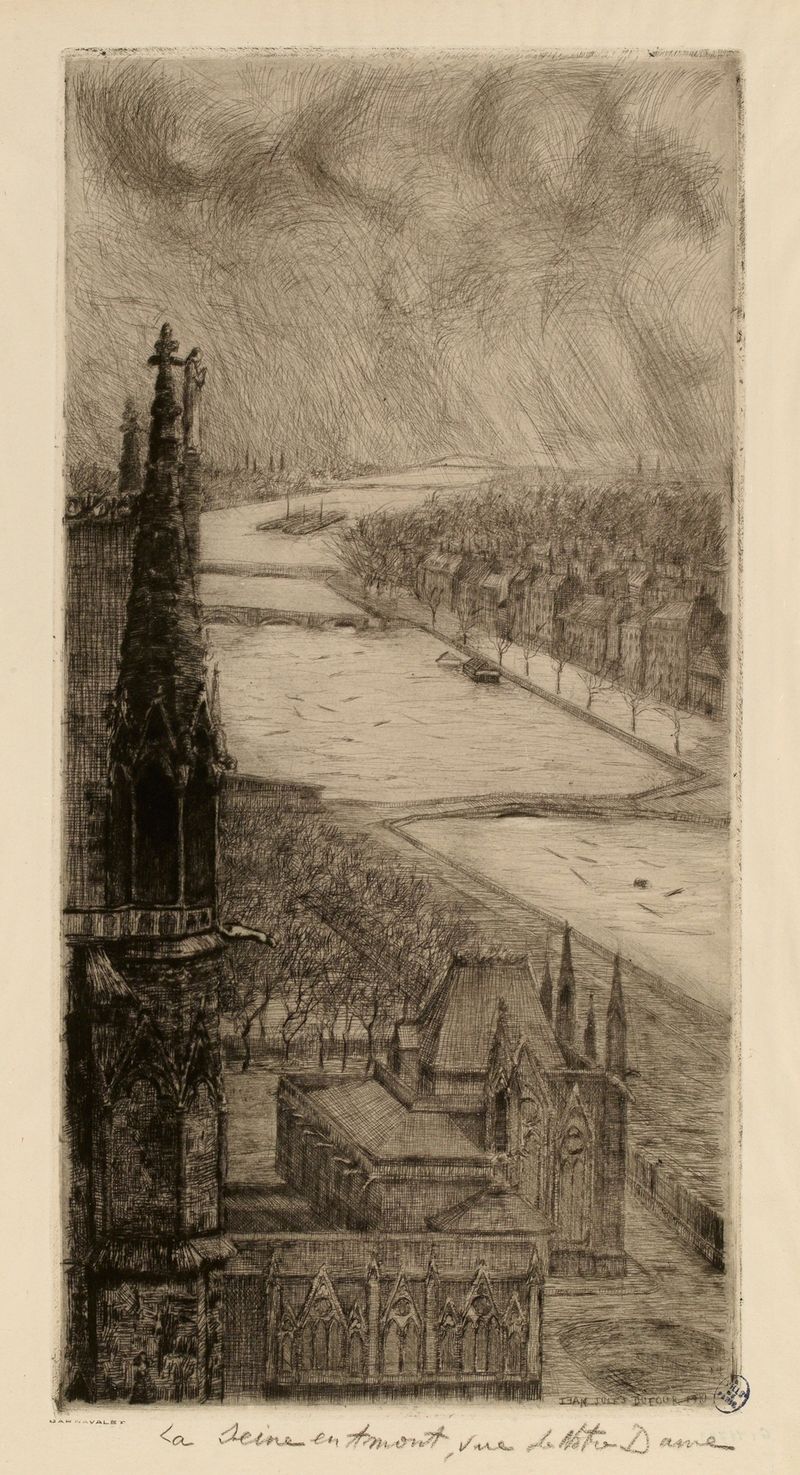
La Seine en amont, vue de Notre-Dame
Jean-Jules Dufour
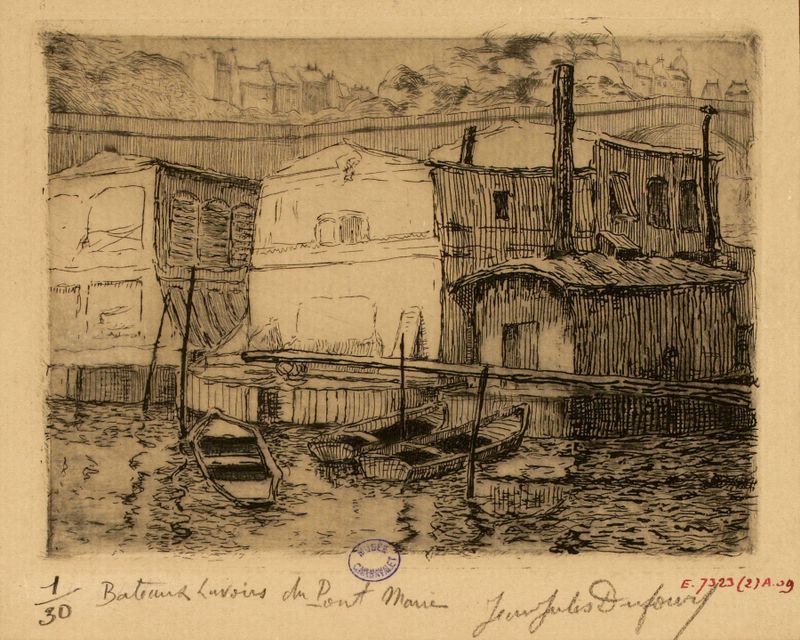
Bateaux-Lavoirs du Pont-Marie
Jean-Jules Dufour
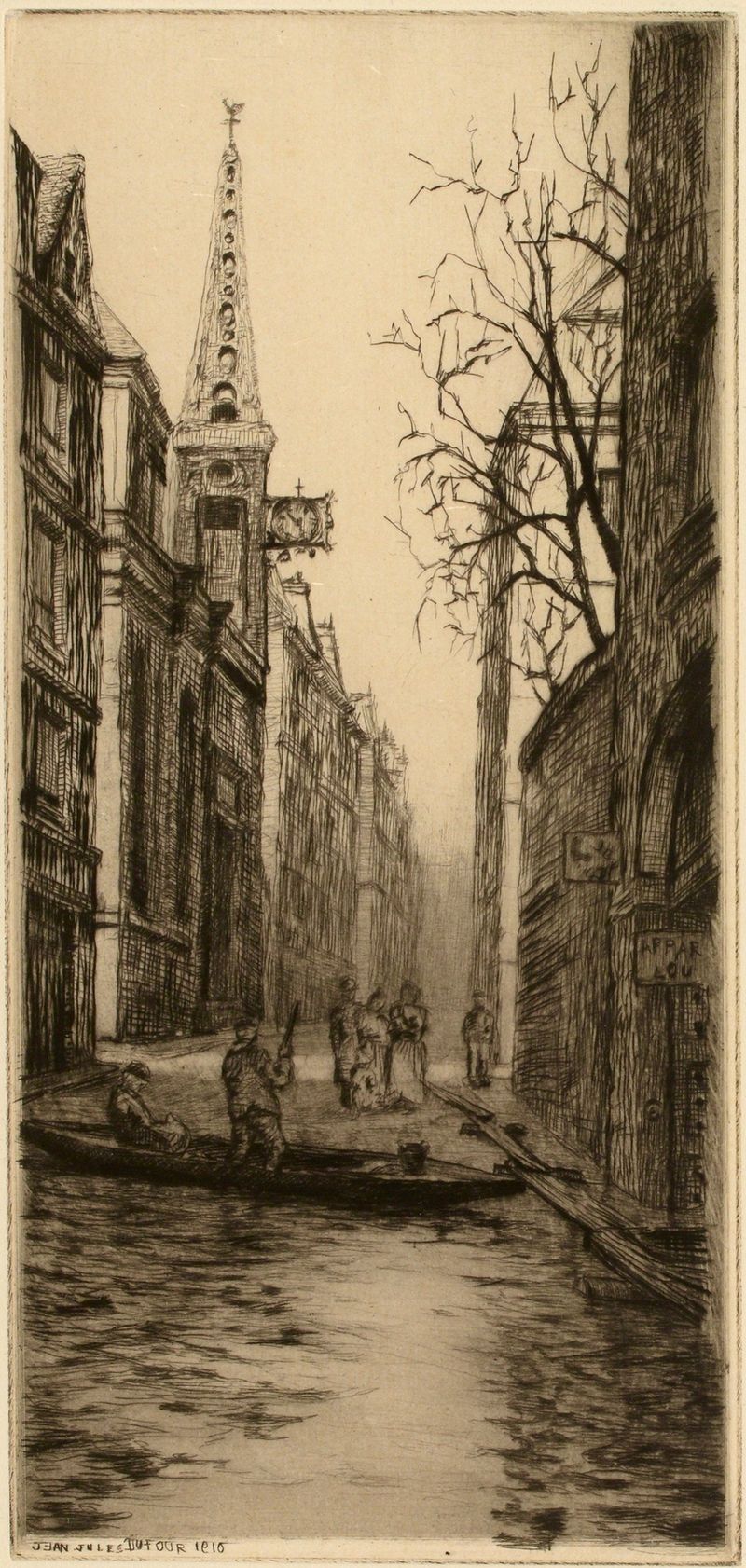
La rue St Louis en l’île
Jean-Jules Dufour

Intérieur d’église
Jean-Jules Dufour

La Rue Grenier sur l’Eau
Jean-Jules Dufour

Notre-Dame dans l’Eau. Rue du Cloître Notre Dame
Jean-Jules Dufour
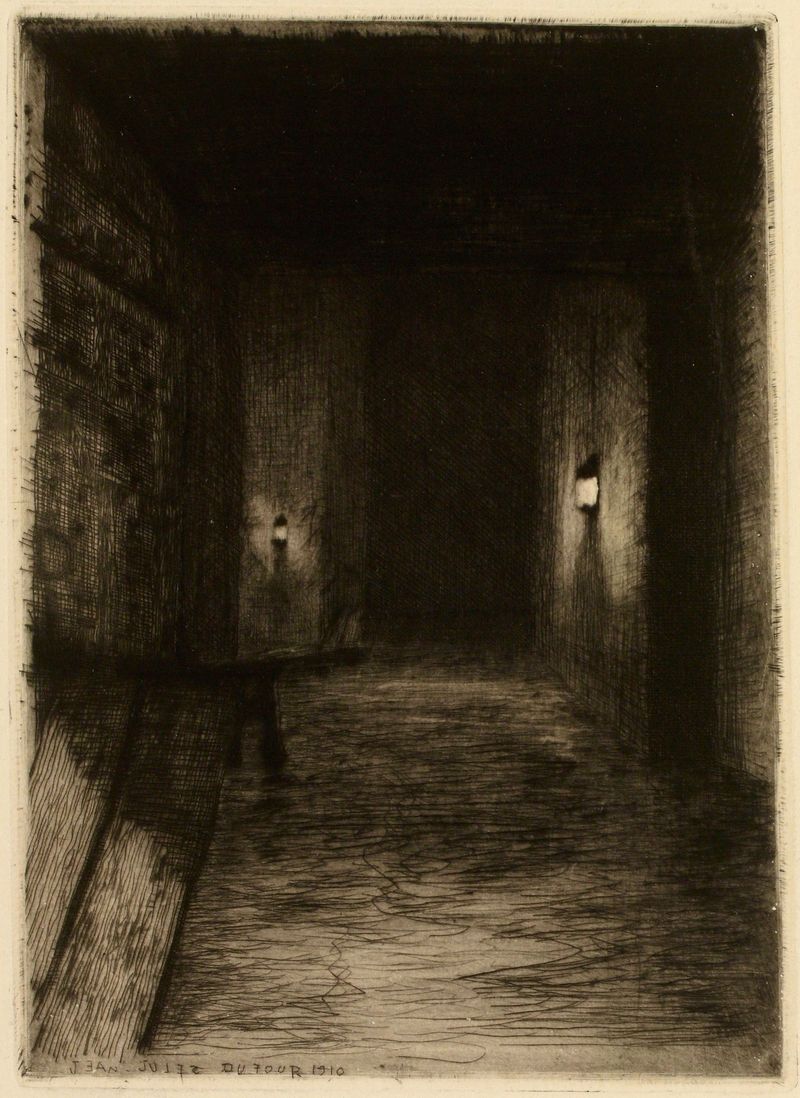
Porte rue Chanoinesse
Jean-Jules Dufour

Place Maubert, Rue du Haut-Pavé
Jean-Jules Dufour
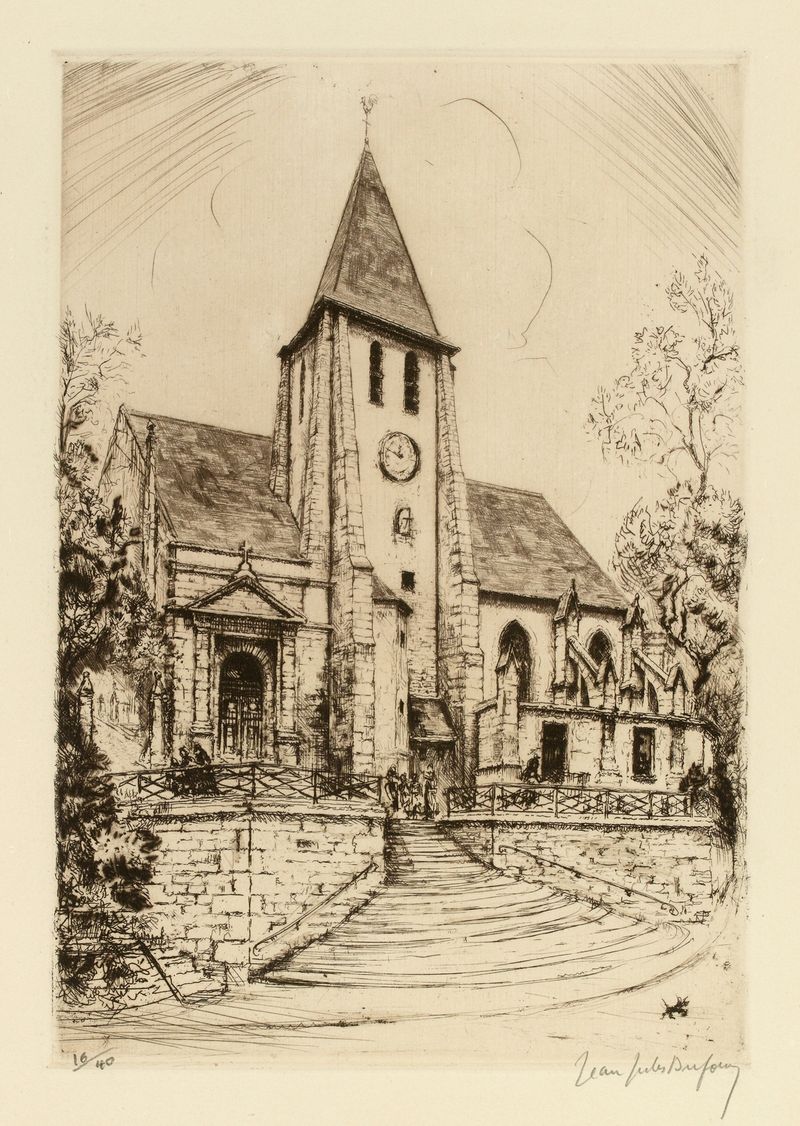
Eglise St Germain de Charonne
Jean-Jules Dufour
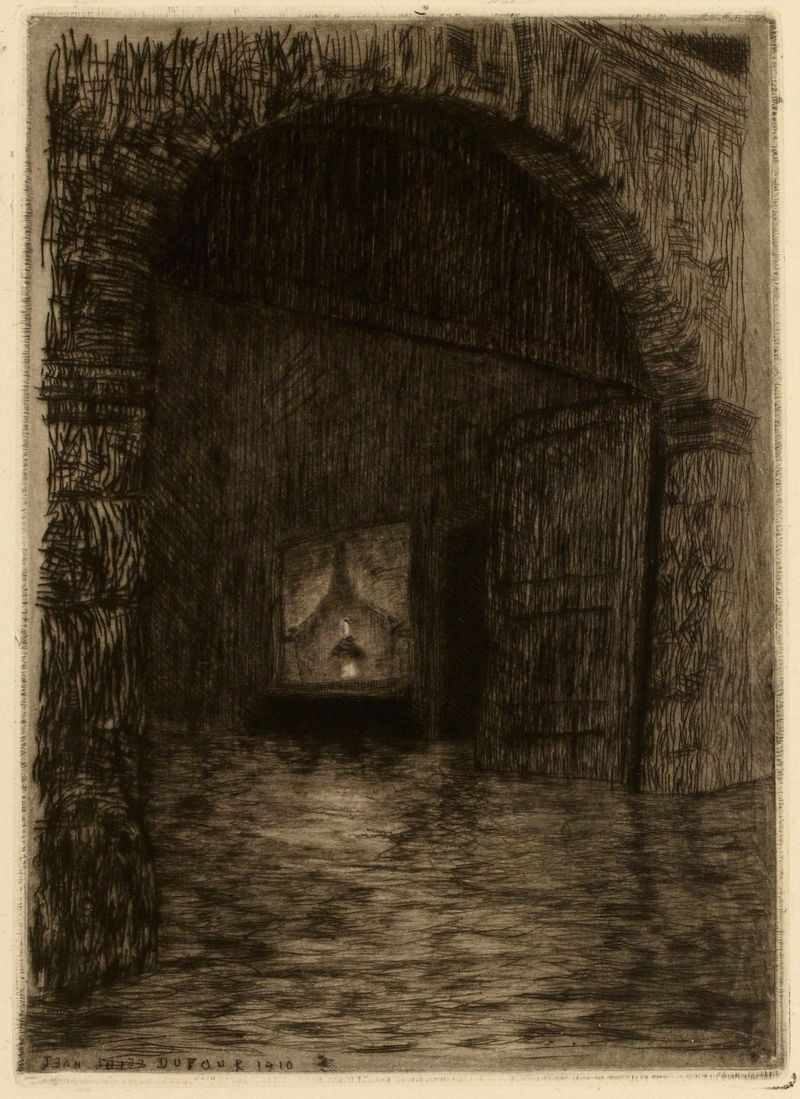
Porte rue Massillon
Jean-Jules Dufour





