
La Seine en amont, vue de Notre-Dame — History & Facts
Could a single brushstroke hold eternity? In La Seine en amont, vue de Notre-Dame, the essence of fleeting moments and ephemeral beauty is captured with delicate precision, inviting us to reflect on the fragility of existence. Look to the lower left where the soft ripples of the Seine gently cradle the reflections of boats and the distant cathedral. The muted palette of blues and greys evokes a serene atmosphere, while warm ochres peek through to suggest the warmth of the day’s light. Notice how the brushwork varies, from the fine, meticulous strokes outlining Notre-Dame to the more fluid, spontaneous marks depicting the water’s surface.
Such contrasts create a rhythm that pulls the eye along the flowing river, engaging the viewer in an interplay of stillness and movement. Within this tranquil scene lies a poignant tension. The looming silhouette of the cathedral speaks of permanence and history, while the shimmering surface of the Seine reminds us of the ever-shifting present. This duality—between the steadfast architecture and the transient water—reflects humanity's struggle with time, capturing both the enduring and the ephemeral.
Each element intertwines in a dance that evokes nostalgia, suggesting that beauty, much like life itself, is both precious and fleeting. Jean-Jules Dufour painted this work during a time of rapid industrial change in France, around the mid-19th century, as the country was navigating the tensions between modernity and tradition. Working in Paris, Dufour was influenced by the burgeoning Impressionist movement, pursuing a personal style that sought to convey the beauty of everyday life amidst the transformation. His focus on light, color, and water as themes reflects the growing appreciation for nature and the impact of urbanization on the landscapes of his time.
More Artworks by Jean-Jules Dufour
Browse all →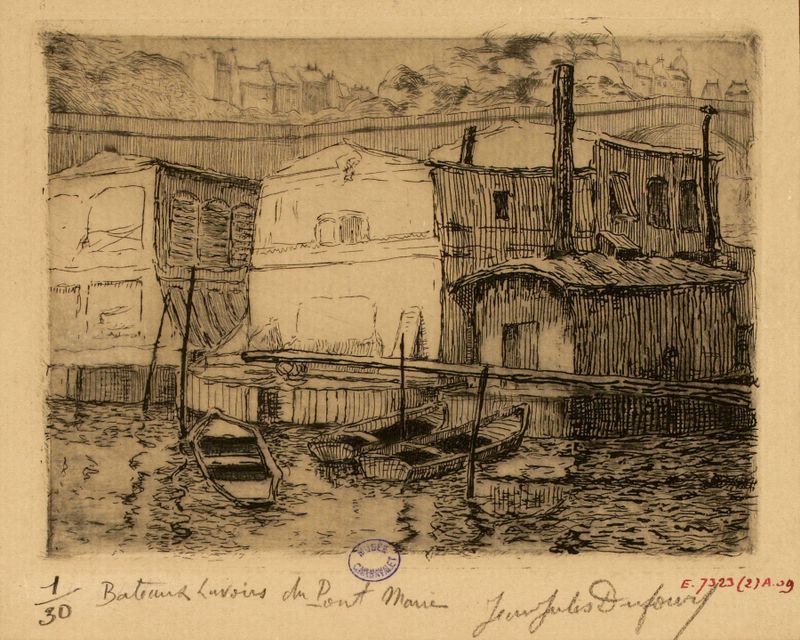
Bateaux-Lavoirs du Pont-Marie
Jean-Jules Dufour
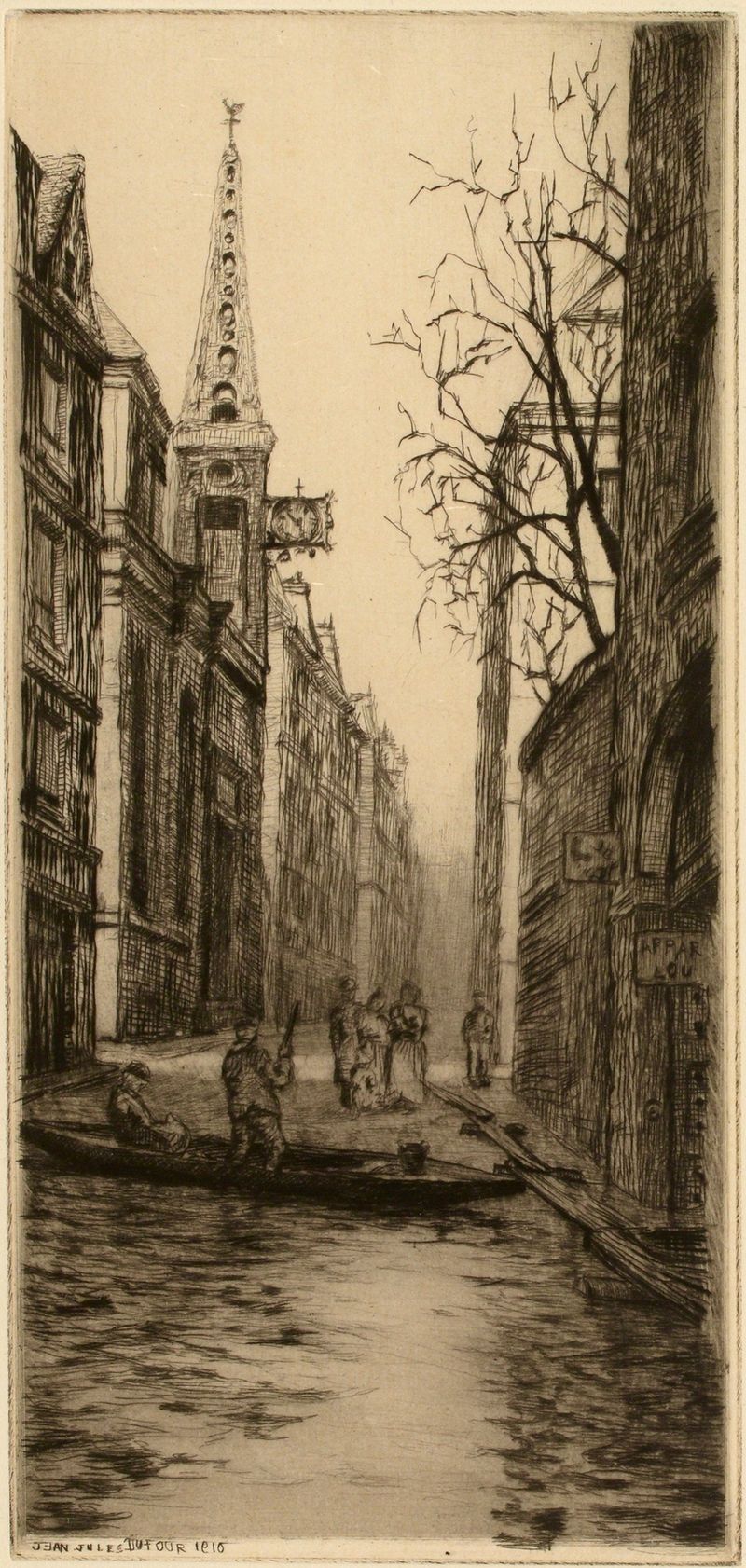
La rue St Louis en l’île
Jean-Jules Dufour

Intérieur d’église
Jean-Jules Dufour

La Rue Grenier sur l’Eau
Jean-Jules Dufour

Notre-Dame dans l’Eau. Rue du Cloître Notre Dame
Jean-Jules Dufour
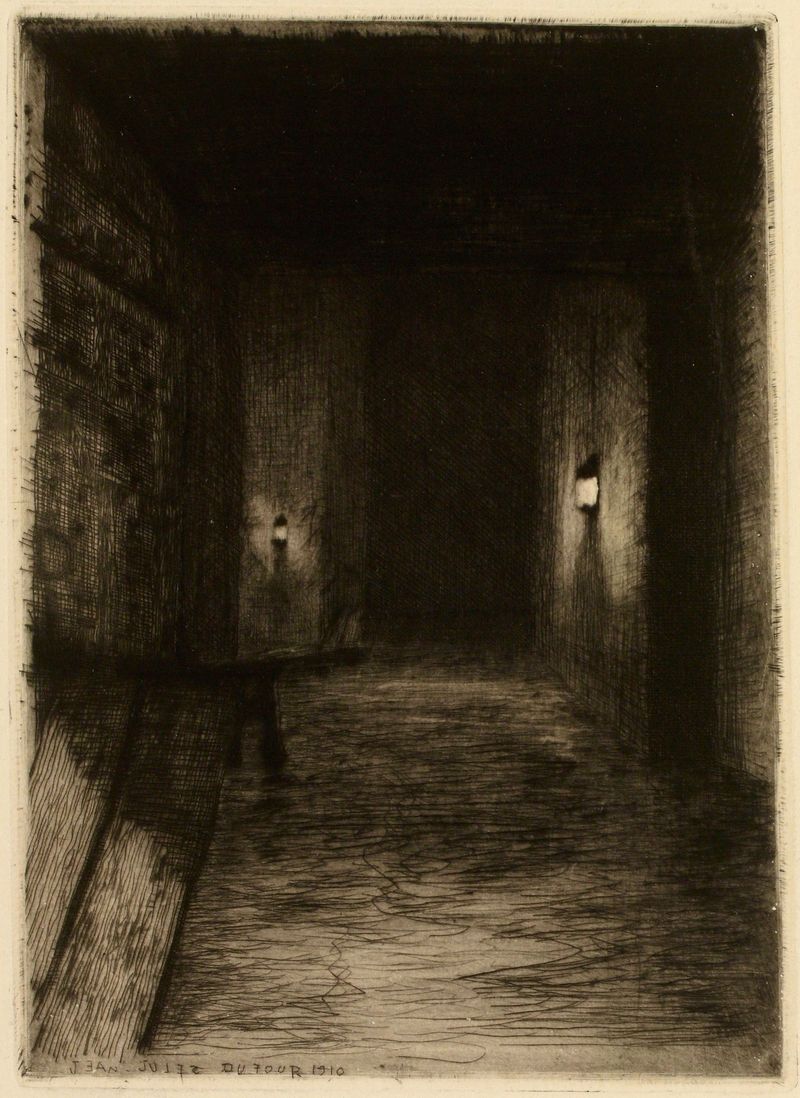
Porte rue Chanoinesse
Jean-Jules Dufour

Place Maubert, Rue du Haut-Pavé
Jean-Jules Dufour
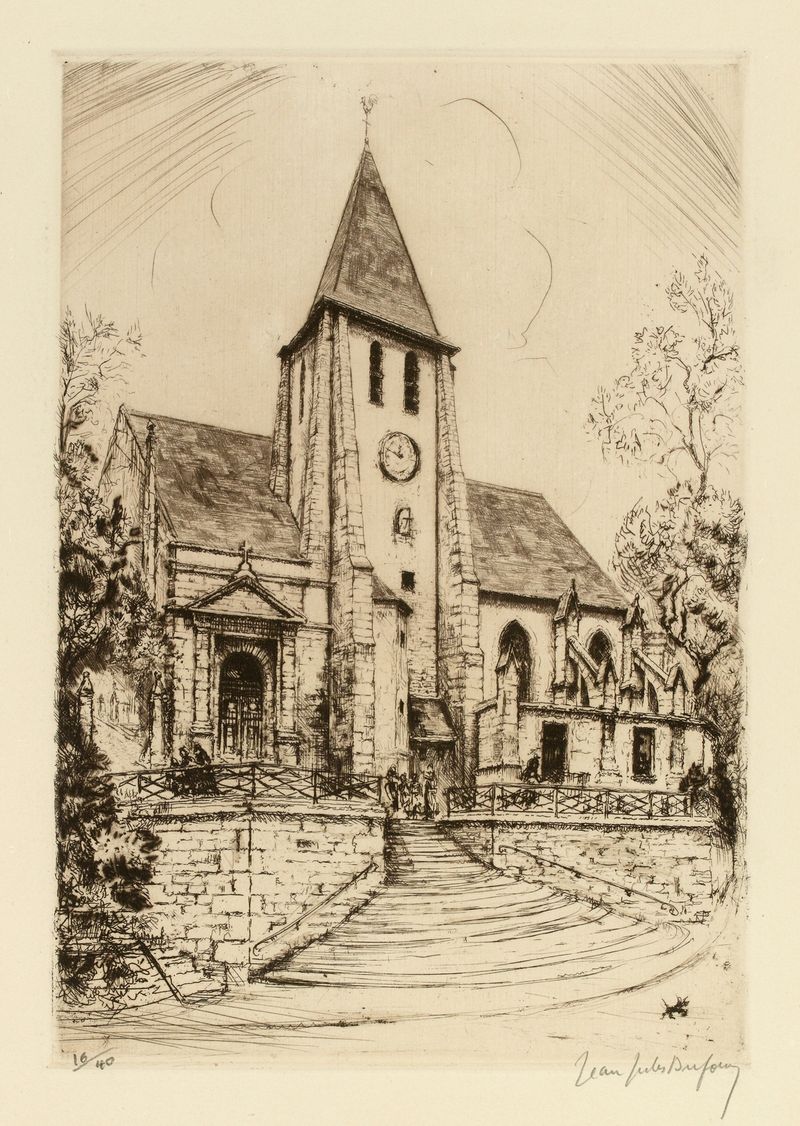
Eglise St Germain de Charonne
Jean-Jules Dufour
Porte rue Massillon
Jean-Jules Dufour
Le Quai d’Orléans – Inondations
Jean-Jules Dufour





