
La Rue Saint-Julien-le-Pauvre — History & Facts
Is this a mirror — or a memory? The intricate dance of light and shadow invites the viewer to peer into a world that feels both familiar and elusive, blurring the lines between reality and reflection. Look to the left at the weathered cobblestones, their edges softened by time, leading the eye toward the quaint arches of stone that stand as silent witnesses to history. Notice how the soft, golden light spills across the scene, illuminating the façade of the buildings while allowing the deeper shadows to cradle their secrets. The palette is rich yet muted, with hints of ochre and deep browns that evoke a sense of nostalgia, a reminder of warmth amidst the coolness of urban solitude. In the foreground, a solitary figure crosses the path, embodying the transient nature of existence.
This person, dwarfed by the grandeur of ancient architecture, reflects a deeper emotional tension between solitude and connection. Each element of the scene—be it the worn street, the textured walls, or the distant trees—serves to illustrate the passage of time, evoking a longing for moments lost yet cherished in memory, a silent witness to life’s transient truths. In 1886, Emmanuel Lansyer created this evocative piece during a period marked by the rise of Impressionism. Living in Paris, a city teeming with artistic innovation, he was influenced by the masters of the movement while seeking to capture the poetic essence of everyday life.
The bustling art scene of the time provided a backdrop of experimentation that resonated within his work, leading him to explore themes of light and perspective against the backdrop of historical memory, a hallmark of his artistic evolution.
More Artworks by Emmanuel Lansyer
Browse all →
La Rue Grenier-sur-l’Eau
Emmanuel Lansyer
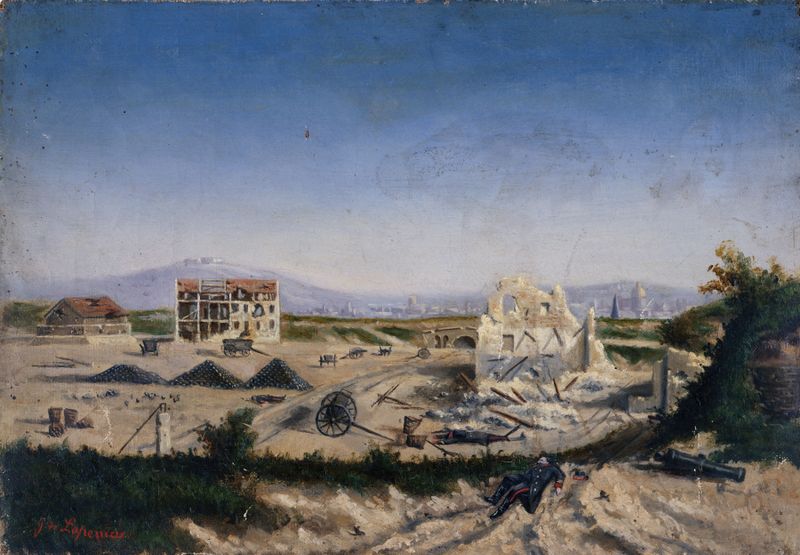
Le Fort de Vanves, pendant la guerre de 1870
Emmanuel Lansyer

La Cour de l’ancienne Sorbonne
Emmanuel Lansyer

La Rue Sauval
Emmanuel Lansyer
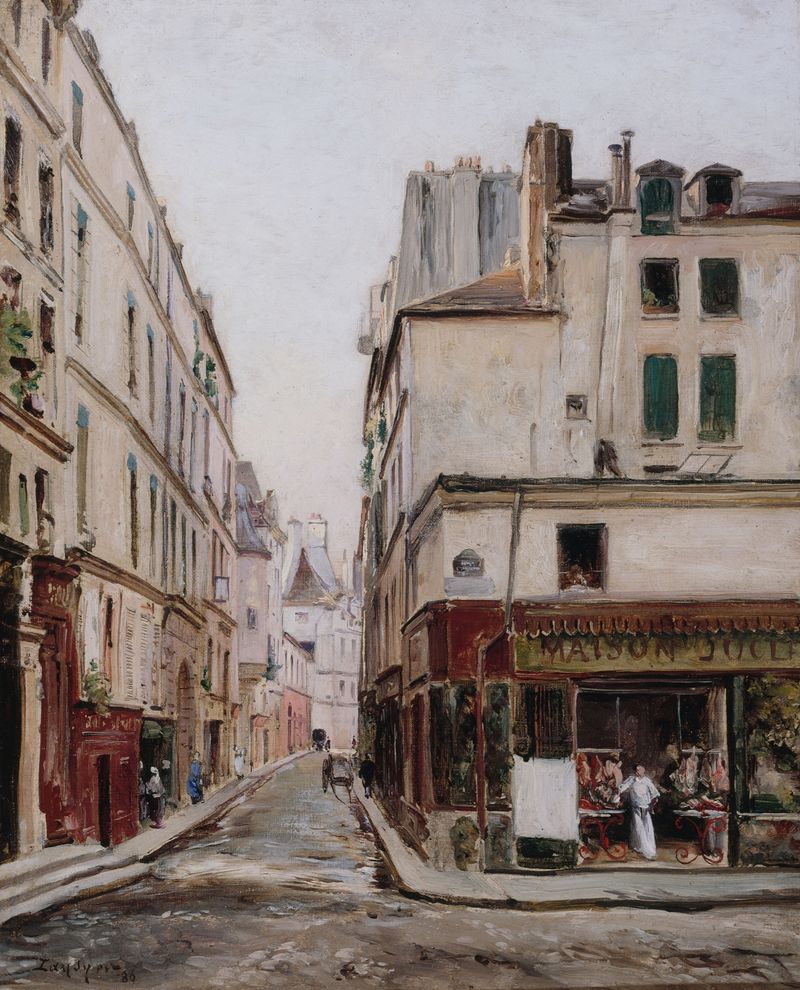
La Rue Hautefeuille
Emmanuel Lansyer

The Seine At Rouen
Emmanuel Lansyer

La Rue du Haut-Pavé
Emmanuel Lansyer

La Place Maubert
Emmanuel Lansyer
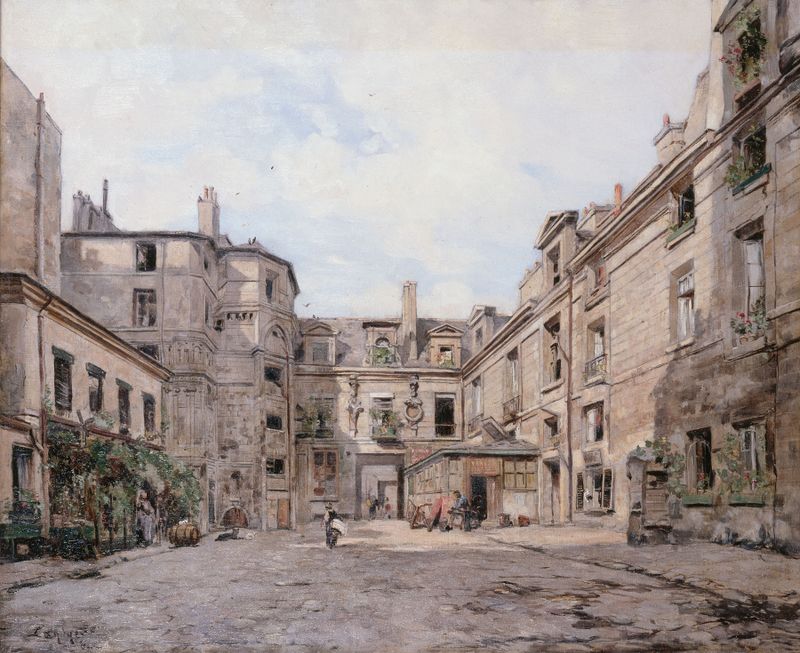
Le passage Charlemagne
Emmanuel Lansyer
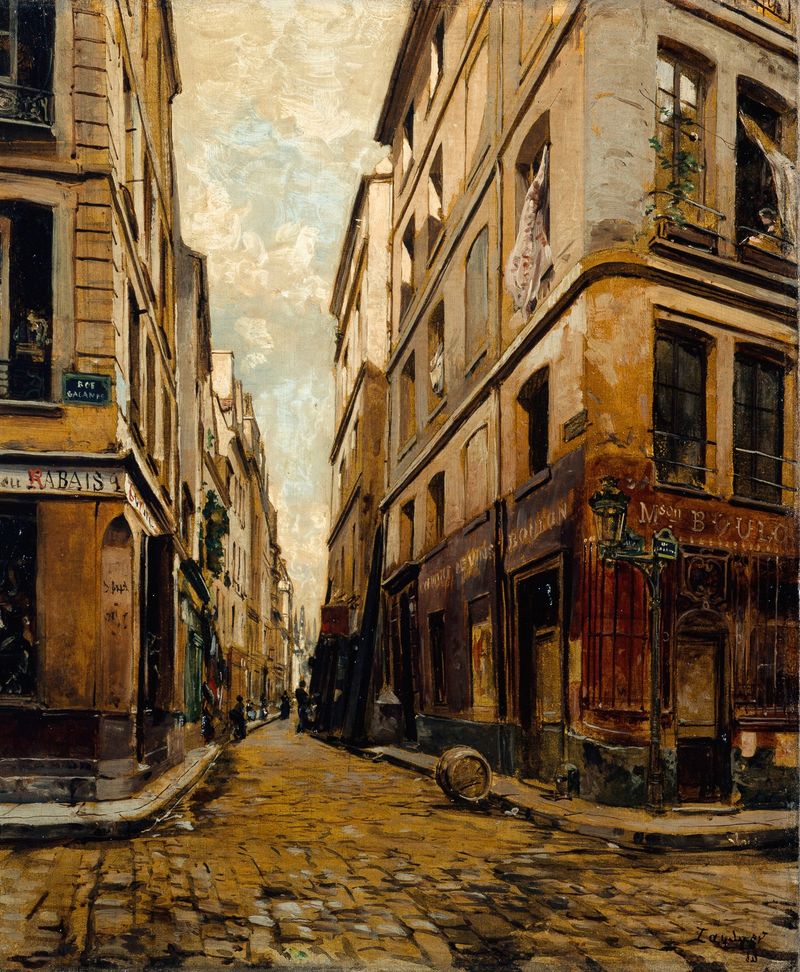
La Rue de l’Hôtel-Colbert
Emmanuel Lansyer





