
La Place Maubert — History & Facts
Is this a mirror — or a memory? The essence of a place whispers through the brushstrokes, evoking both nostalgia and a quiet decay that lingers in the air. Look to the left where the cobblestone street curves gently, drawing the viewer’s gaze into the scene. Notice how the warm ochres and muted blues create a harmony that contrasts sharply with the crumbling walls of the buildings. The light filters softly through the trees, illuminating patches of the pavement, while shadows gather in corners, hinting at stories untold.
The delicate interplay of light and shadow captures the essence of time passing, as the viewer is invited to wander both the physical space and the emotional landscape. The juxtaposition of vibrant life and the decay of the structures tells a deeper story of urban existence. Each peeling façade holds memories of laughter and sorrow, encapsulating the fleeting nature of human experience. The quiet figures, seemingly absorbed in their own worlds, evoke a sense of solitude amidst the hustle of daily life.
The artist captures the bittersweet beauty of a place caught between past and present, revealing the emotional tension between nostalgia and the inevitable decay that accompanies time. Created in 1888, this artwork emerged during Lansyer's time in Paris, a city bustling with artistic revival and experimentation. The late 19th century was marked by a shift towards Impressionism, wherein artists began to embrace the ephemeral qualities of light and life. As Lansyer painted La Place Maubert, he was responding to the changing rhythms of society, reflecting both the vitality and the decline of urban spaces through his evocative brushwork.
More Artworks by Emmanuel Lansyer
Browse all →
La Rue Grenier-sur-l’Eau
Emmanuel Lansyer
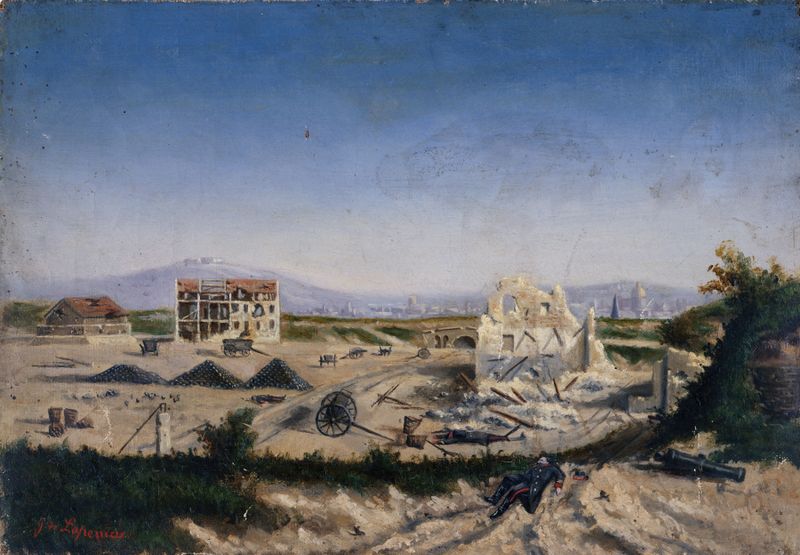
Le Fort de Vanves, pendant la guerre de 1870
Emmanuel Lansyer

La Cour de l’ancienne Sorbonne
Emmanuel Lansyer

La Rue Sauval
Emmanuel Lansyer
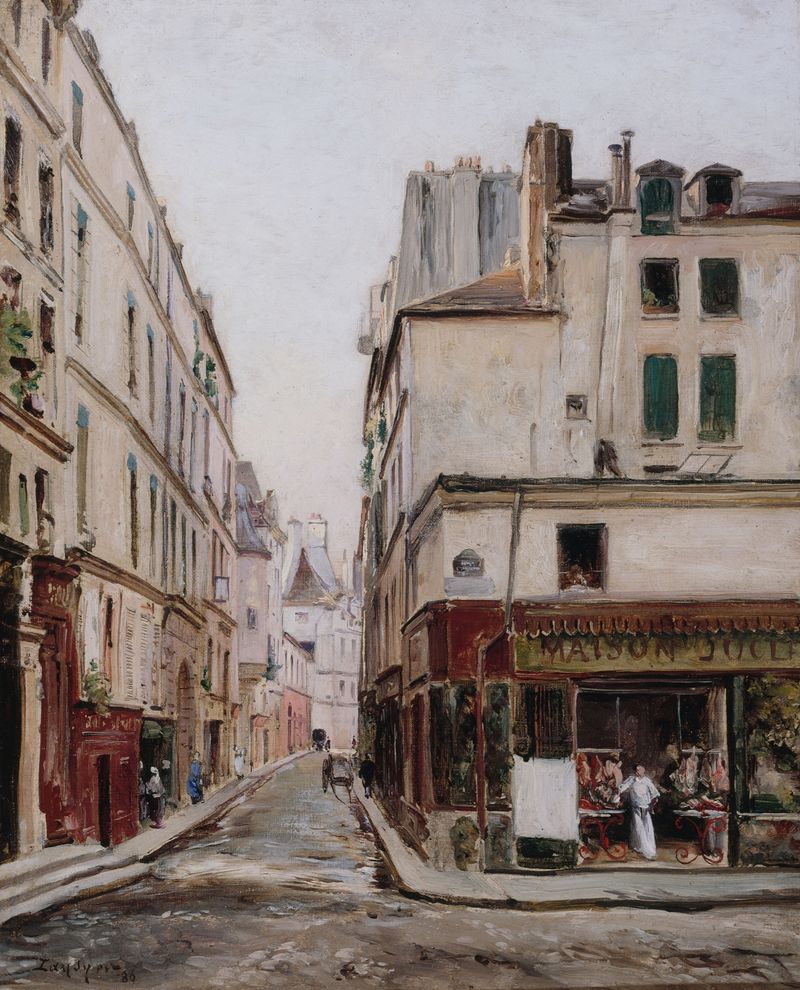
La Rue Hautefeuille
Emmanuel Lansyer

The Seine At Rouen
Emmanuel Lansyer

La Rue du Haut-Pavé
Emmanuel Lansyer
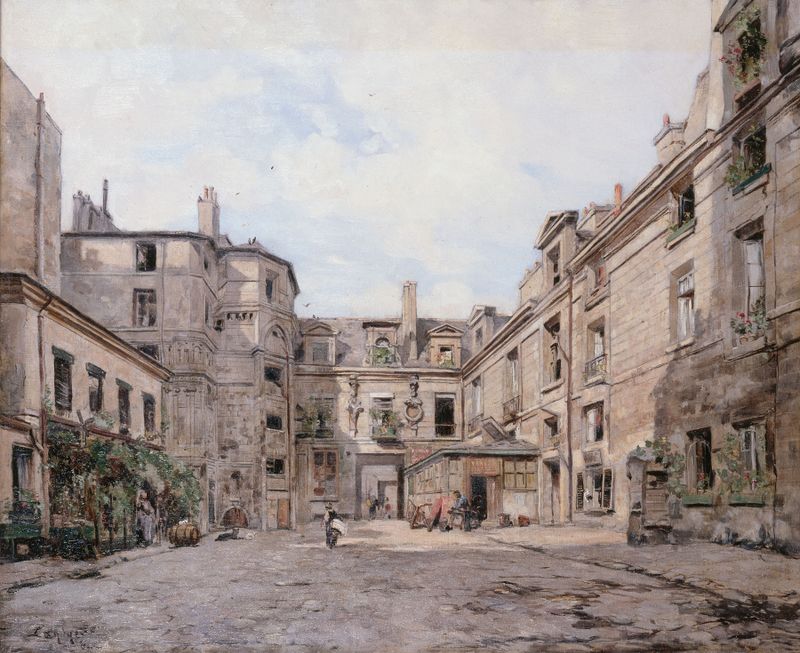
Le passage Charlemagne
Emmanuel Lansyer
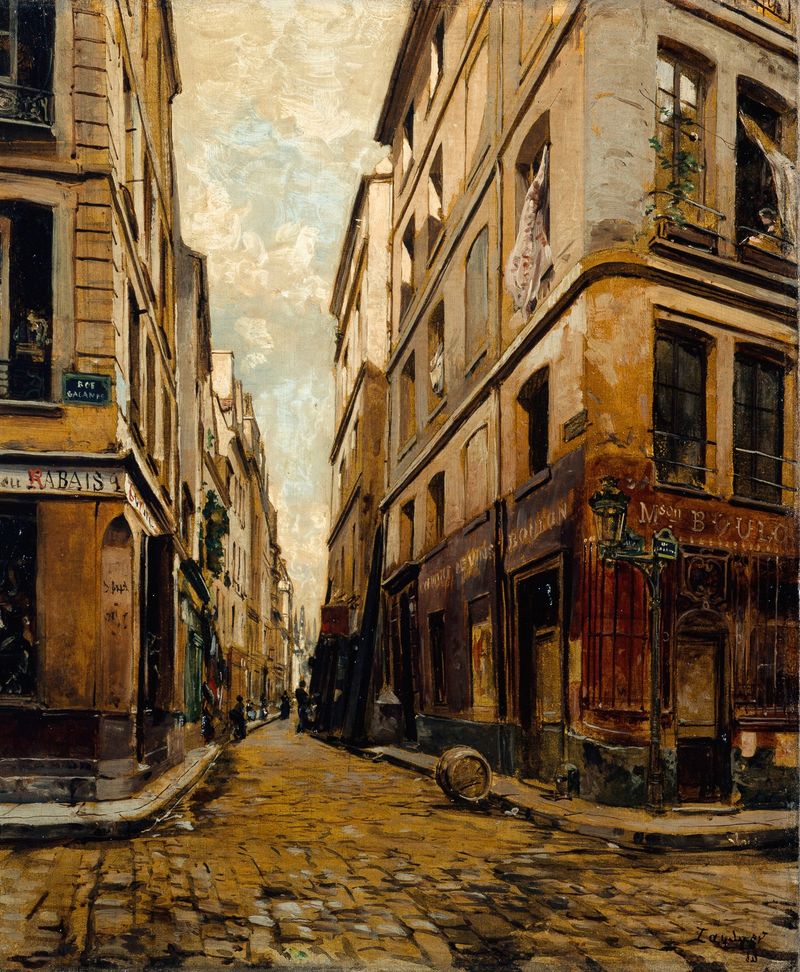
La Rue de l’Hôtel-Colbert
Emmanuel Lansyer

La Rue Saint-Julien-le-Pauvre
Emmanuel Lansyer





