
Le Quai d’Orléans – Inondations — History & Facts
What secret hides in the quiet of the canvas? Beneath the serene surface of Le Quai d’Orléans – Inondations, an awakening waits, poised to reveal the world beyond the floodwaters. Look to the foreground, where gentle ripples shimmer across the water’s surface, inviting your gaze. The muted palette of blues and greys envelops the scene, while the faint outlines of buildings loom in the background, their reflections dancing in the wetness. Notice how the soft brushwork contrasts with the precise architectural details, a tension between nature’s unpredictability and human persistence.
Light spills across the composition, subtly guiding you from the calm water to the stillness of a city caught in a moment of stillness, as if time itself has paused. Within this tranquil tableau lies a deeper narrative—a delicate balance between destruction and rebirth. The rising waters can symbolize both the peril of nature’s wrath and the resilience of those who dwell along the banks. The quietness of the scene belies an undercurrent of anxiety, as the viewer contemplates the impact of such floods on lives and livelihoods.
Each element whispers a story of adaptation, urging us to reflect on our relationship with the environment. Jean-Jules Dufour created Le Quai d’Orléans – Inondations during a period where urban landscapes were rapidly transforming due to industrialization and the threat of climate change was beginning to take shape. Though the exact date remains uncertain, it is clear that Dufour captured a pivotal moment in art history, focusing on the intersection of the idyllic and the catastrophic in a world that seemed to teeter between progress and nature’s reclamation.
More Artworks by Jean-Jules Dufour
Browse all →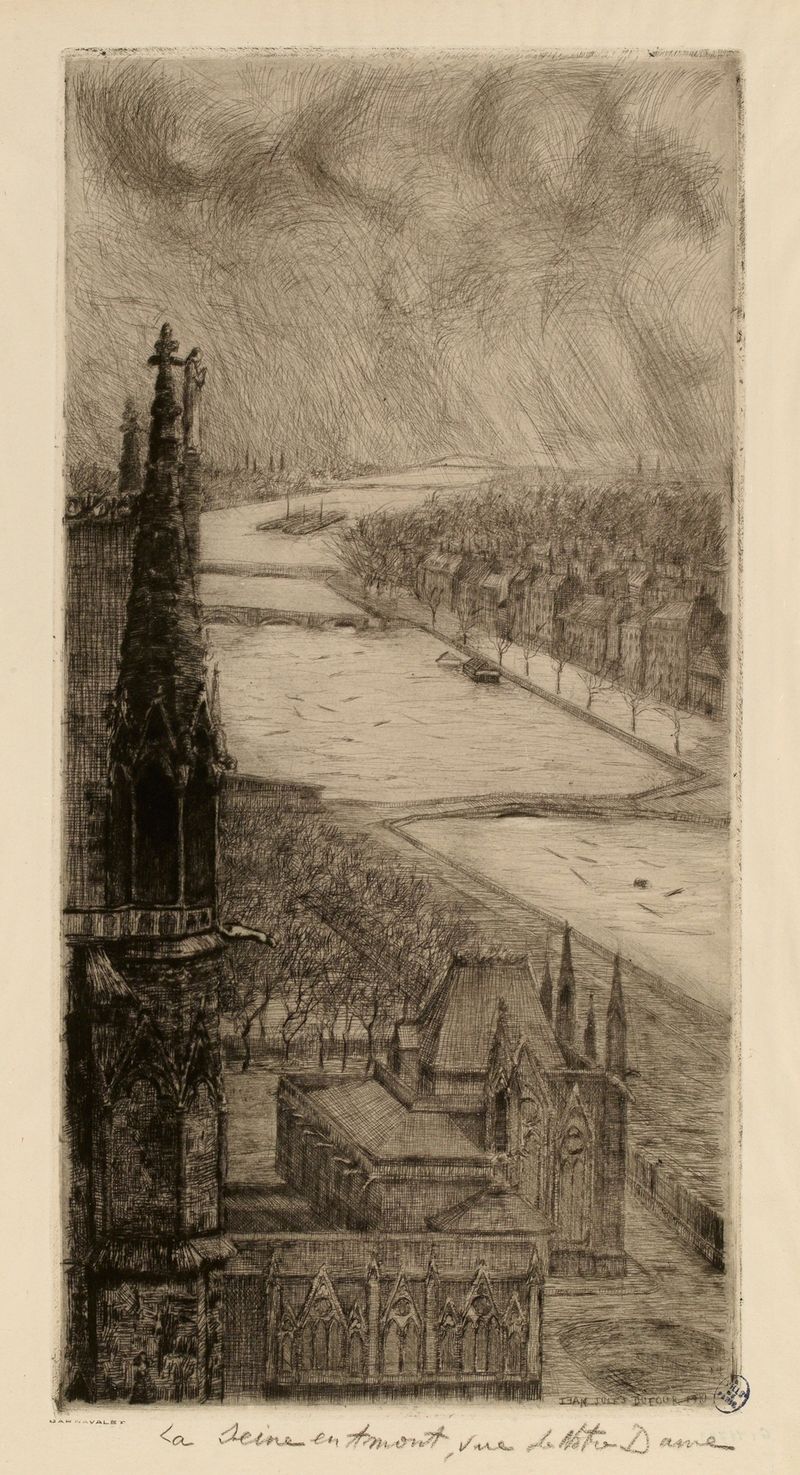
La Seine en amont, vue de Notre-Dame
Jean-Jules Dufour
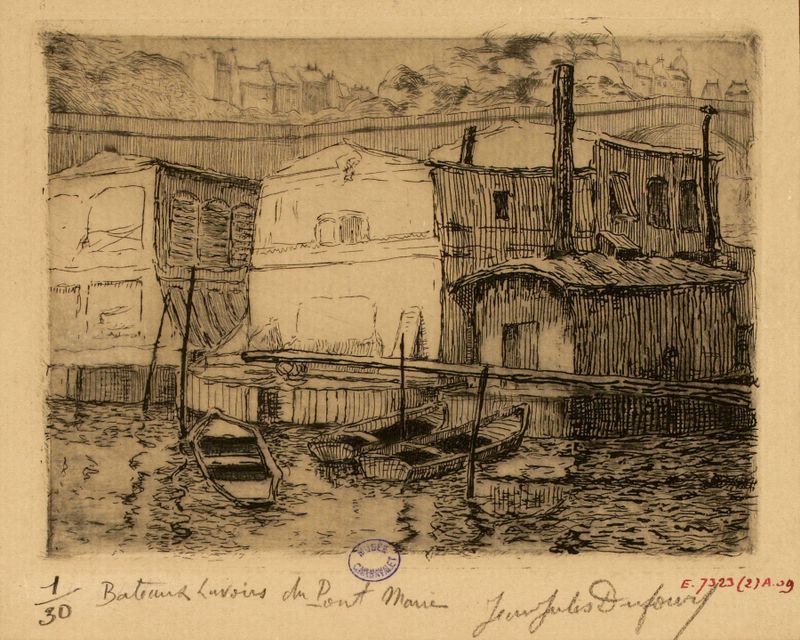
Bateaux-Lavoirs du Pont-Marie
Jean-Jules Dufour
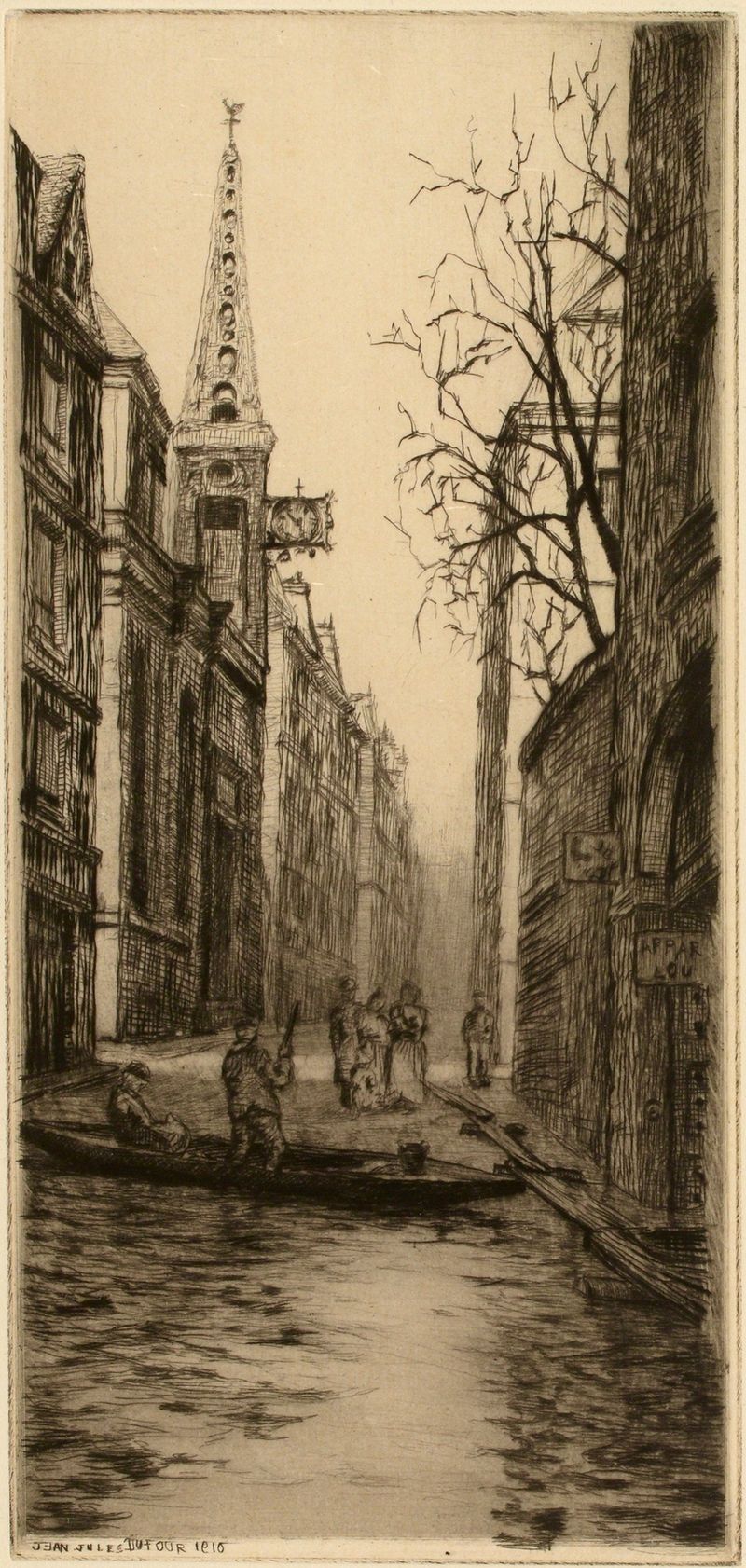
La rue St Louis en l’île
Jean-Jules Dufour

Intérieur d’église
Jean-Jules Dufour

La Rue Grenier sur l’Eau
Jean-Jules Dufour

Notre-Dame dans l’Eau. Rue du Cloître Notre Dame
Jean-Jules Dufour
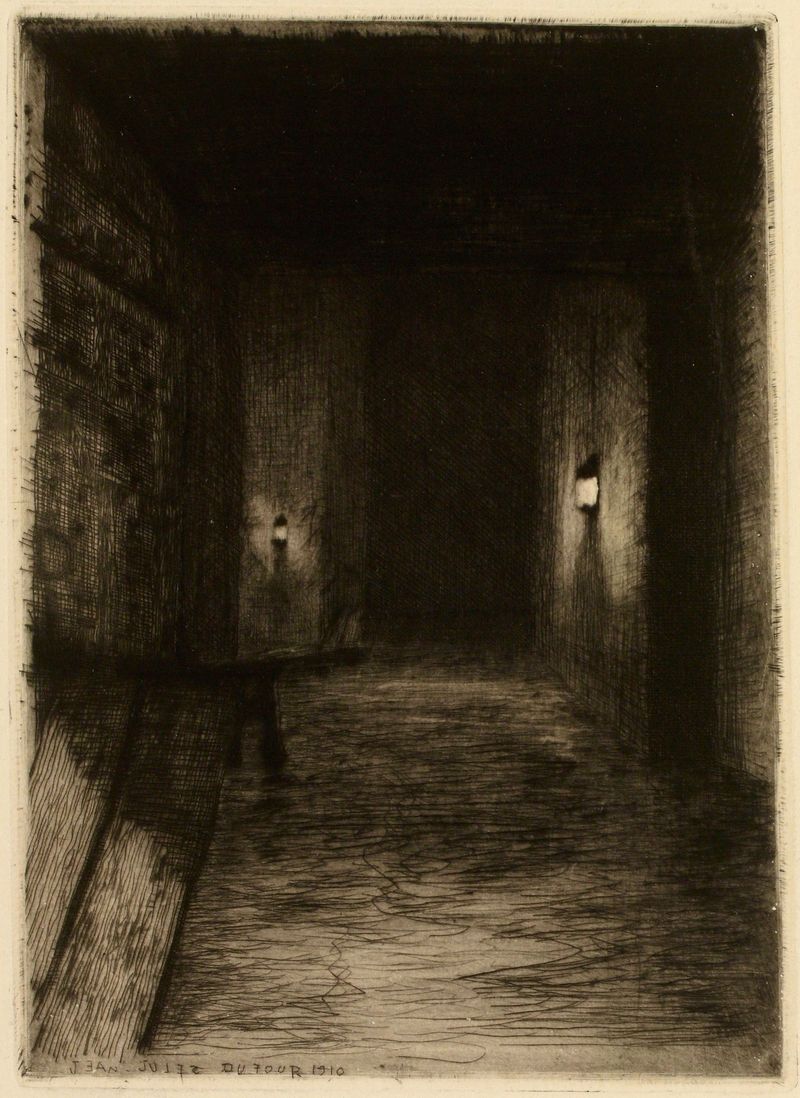
Porte rue Chanoinesse
Jean-Jules Dufour

Place Maubert, Rue du Haut-Pavé
Jean-Jules Dufour
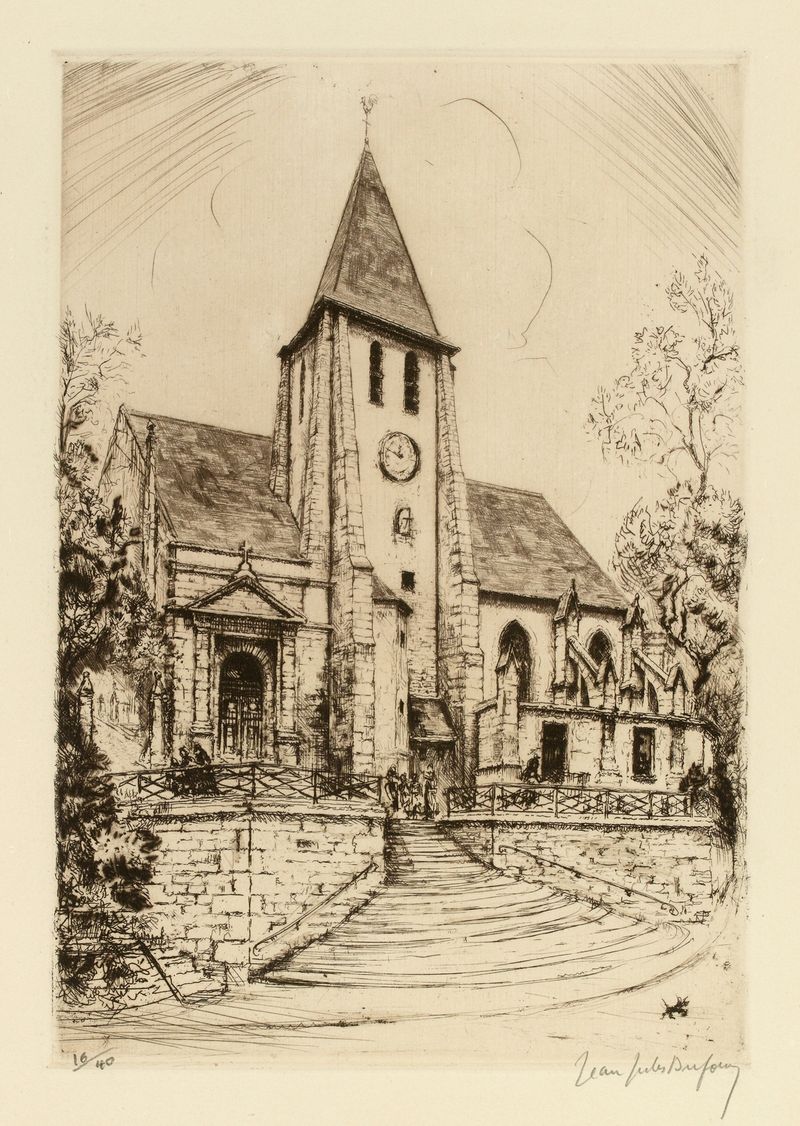
Eglise St Germain de Charonne
Jean-Jules Dufour
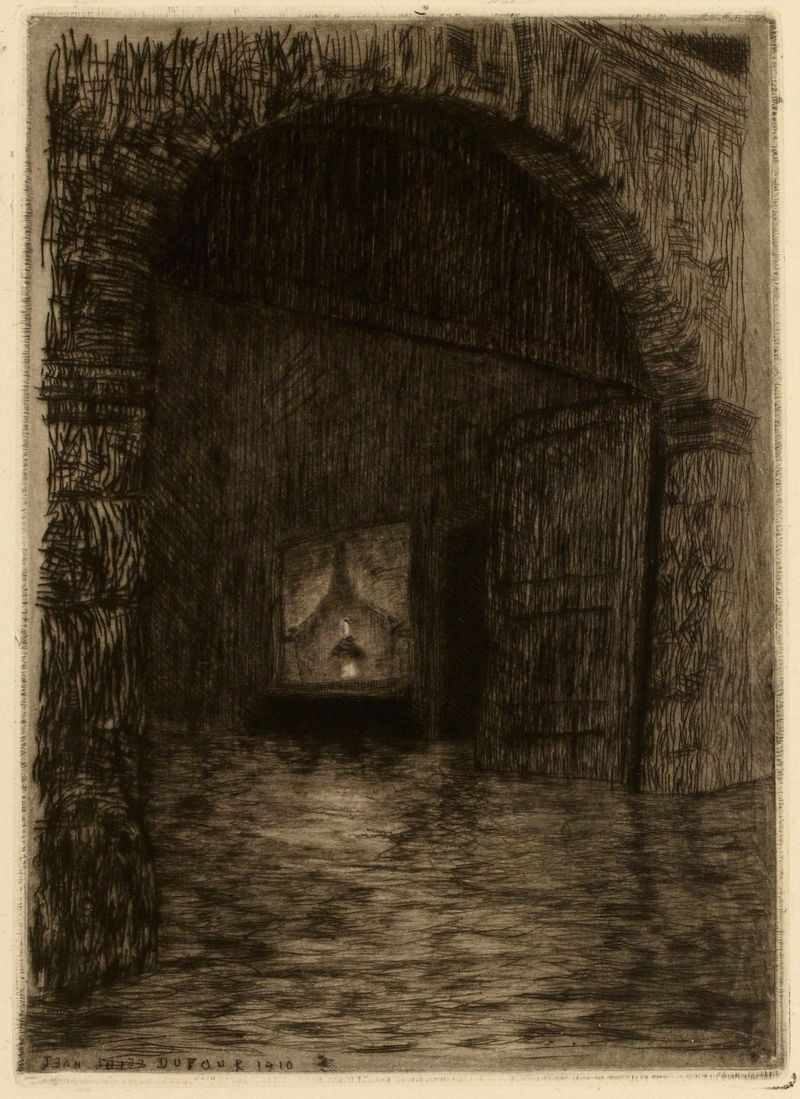
Porte rue Massillon
Jean-Jules Dufour





