La veue de la Vigne Pamphile du cote du Jardin — History & Facts
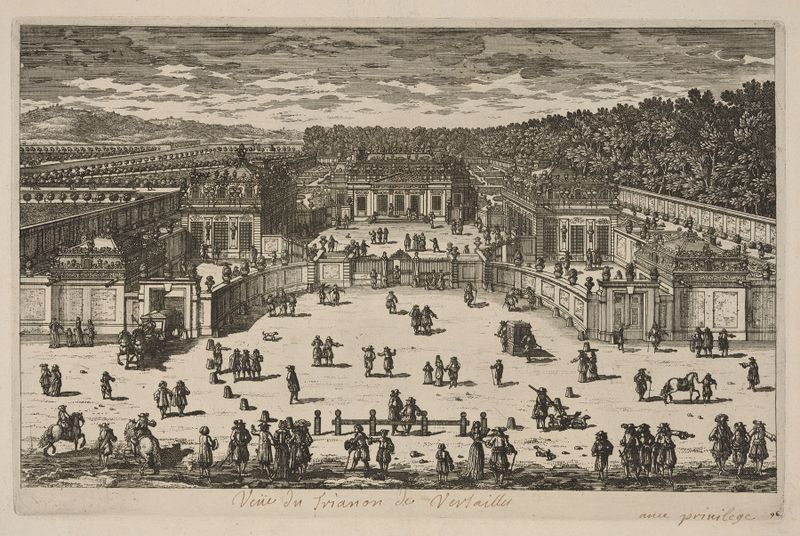
In the quiet folds of memory, we often find beauty hidden in the mundane, a reflection of life’s gentle rhythms and forgotten corners. Look to the left at the meticulously painted vines, their twisting forms suggesting a dance of growth and decay. The sun filters through the foliage, casting a soft glow on the textured landscape, while the rich earth tones evoke a sense of warmth and nostalgia. Notice how the artist captures the delicate balance between light and shadow, utilizing subtle gradations that breathe life into the scene.
Each brushstroke conveys the vitality of the vineyard, inviting viewers to step into this tranquil moment. Yet, beneath this serene surface lies a tension between nature’s bounty and the passage of time. The vibrant greens stand in stark contrast to the fading hues of the distant hills, hinting at the fleeting nature of beauty itself. The solitary figure in the foreground, seemingly lost in thought, embodies a sense of reflection and solitude that resonates deeply with the viewer.
This interplay of elements speaks to the impermanence of memory and the bittersweet remnants of what once was. Created during the late 17th century, this piece reflects the artistic climate of the Baroque era where the depiction of landscapes began to gain prominence. Gabriel Pérelle was known for his detailed etchings, and La veue de la Vigne Pamphile du cote du Jardin showcases his adeptness at capturing not just the physical world but the emotional undertones associated with it. As Europe experienced shifts in social and cultural landscapes, artists like Pérelle sought to immortalize the fleeting moments that defined everyday life.