
La Ville de Vevey. du côté du midi — History & Facts
When did color learn to lie? The vibrancy of hues can often mask the shadows of time, hinting at beauty while concealing decay beneath. Each brushstroke is a whisper of stories untold, a reminder that even the most picturesque scenes carry the weight of history. Look to the left at the delicate interplay of blues and greens that wrap around the quaint structures of Vevey. The artist’s mastery of light is evident in the soft, golden illumination washing over the buildings, giving them an ethereal quality that belies their age.
Notice how the gentle waves of Lake Geneva reflect the colors of dusk, creating a contrast between the lively exterior and the underlying stillness of the water. The composition invites the viewer to linger, to explore the serene town that seems suspended in time. Yet amid the idyllic landscape, there is a sense of longing, of a moment captured before it fades. The weathered facades hint at the stories of lives lived, dreams pursued, and the inevitable decay that follows.
The lush greenery framing the town, vibrant yet transient, suggests both abundance and the fleeting nature of beauty. Each element of the painting acts as a reminder that beneath the surface of this tranquil scene lies the inevitable passage of time, echoing a poignant tension between life and decay. Created in an uncertain period in his life, Pierre Samuel Louis Joyeux painted this work when he was immersed in the vibrant art scene of 19th-century France. While exact dates are elusive, it is likely that he sought solace in capturing the picturesque landscapes of his homeland, reflective of a broader movement toward realism in art.
His work speaks to a time of change, where nature’s beauty was cherished even as the specter of decay lingered—a theme that resonates deeply today.
More Artworks by Pierre Samuel Louis Joyeux
Browse all →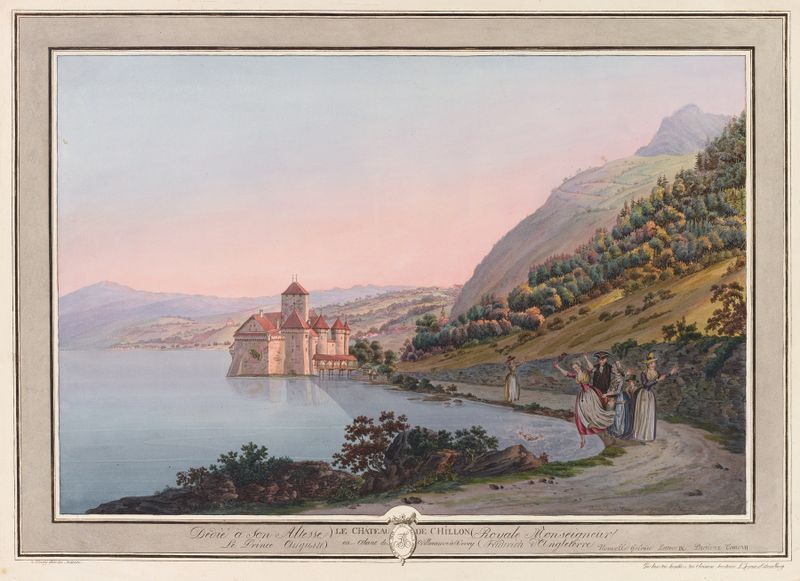
Le Château de Chillon. en Alant de Villeneuve à Vevey
Pierre Samuel Louis Joyeux
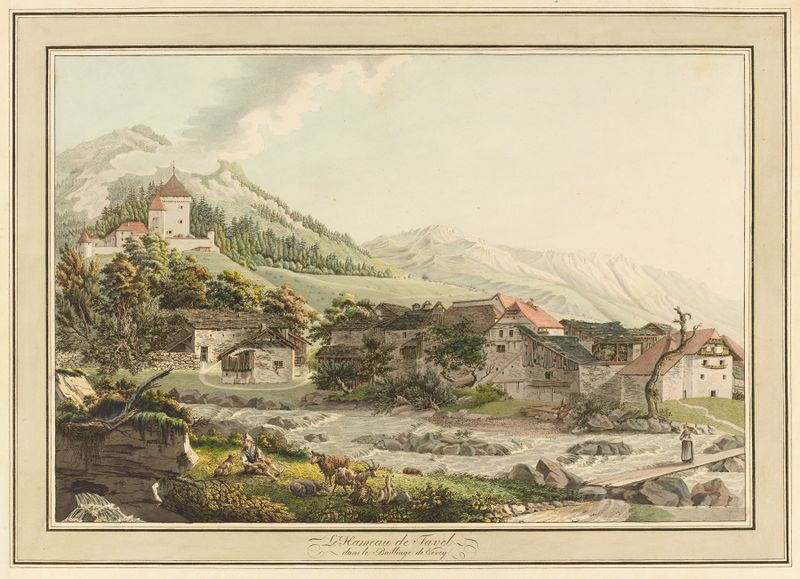
Le Hameau de Tavel dans le Bailliage de Vevey
Pierre Samuel Louis Joyeux
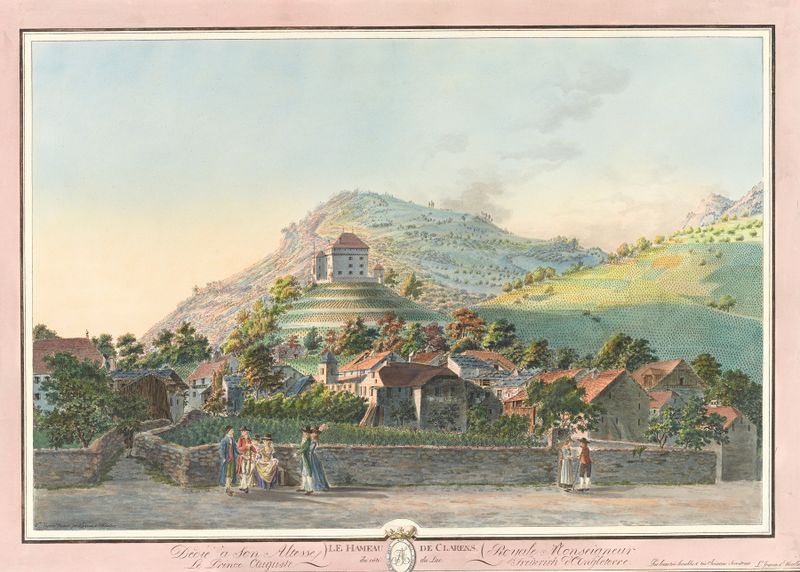
Le Hameau de Clarens. du côté du Lac
Pierre Samuel Louis Joyeux
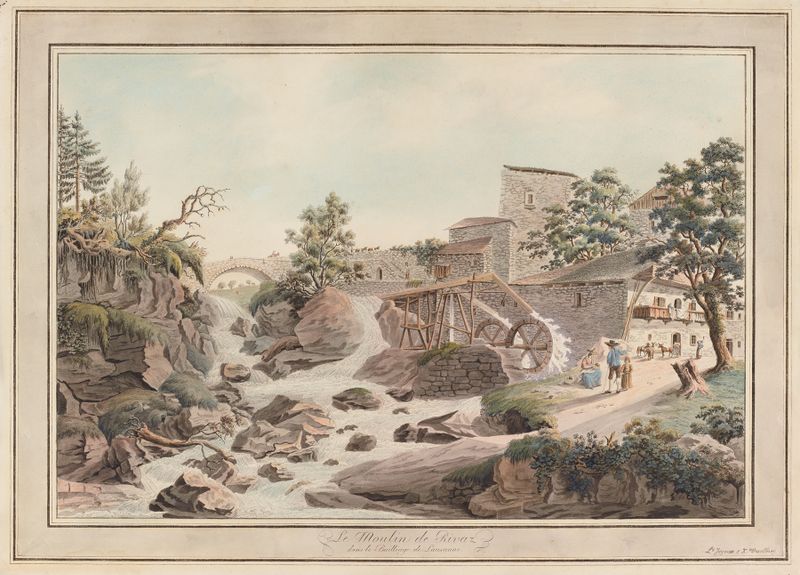
Le Moulin de Rivaz
Pierre Samuel Louis Joyeux
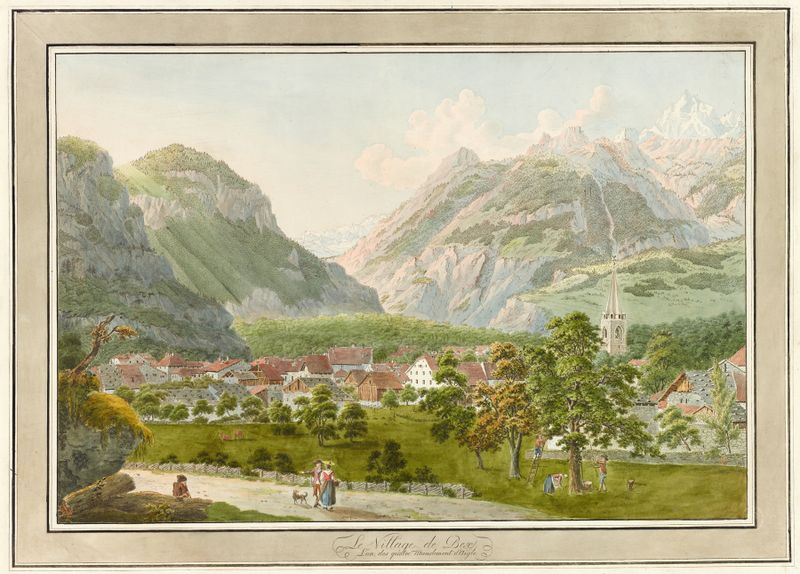
Le Village de Bex
Pierre Samuel Louis Joyeux
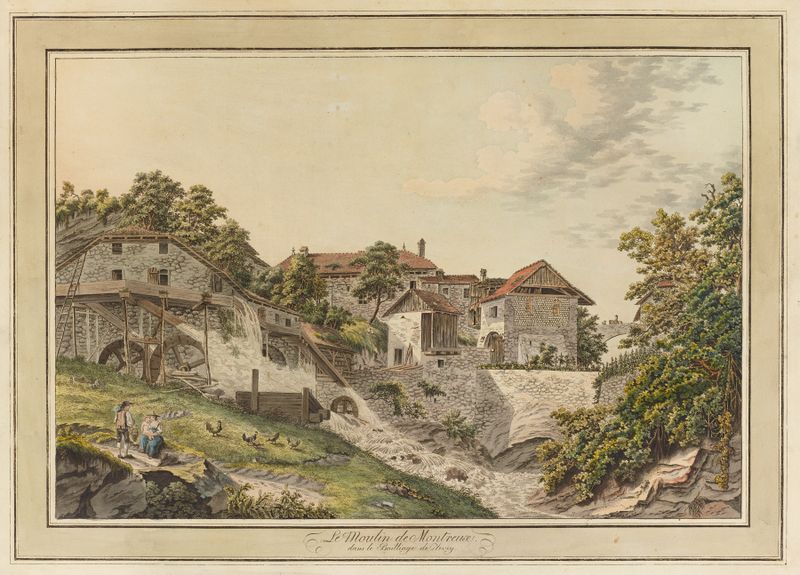
Le Moulin de Montreux dans le Bailliage de Vevey
Pierre Samuel Louis Joyeux
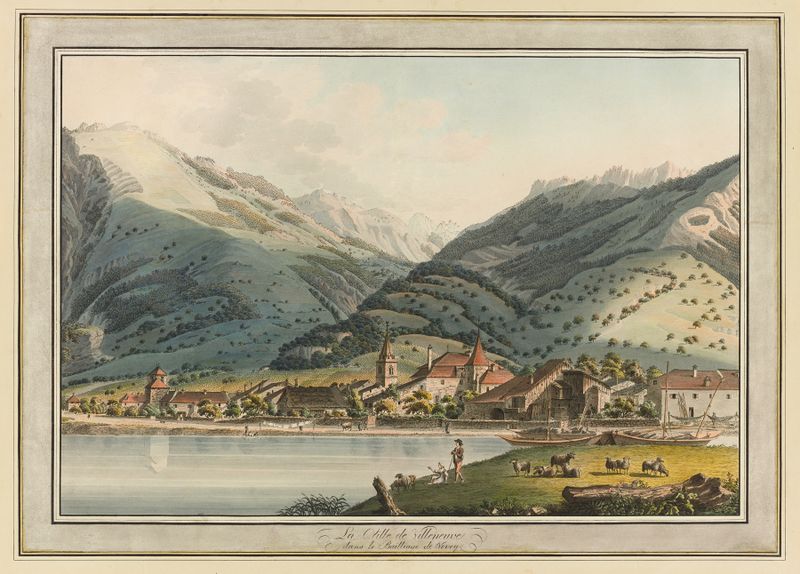
La Ville de Villeneuve dans le Bailliage de Vevey
Pierre Samuel Louis Joyeux
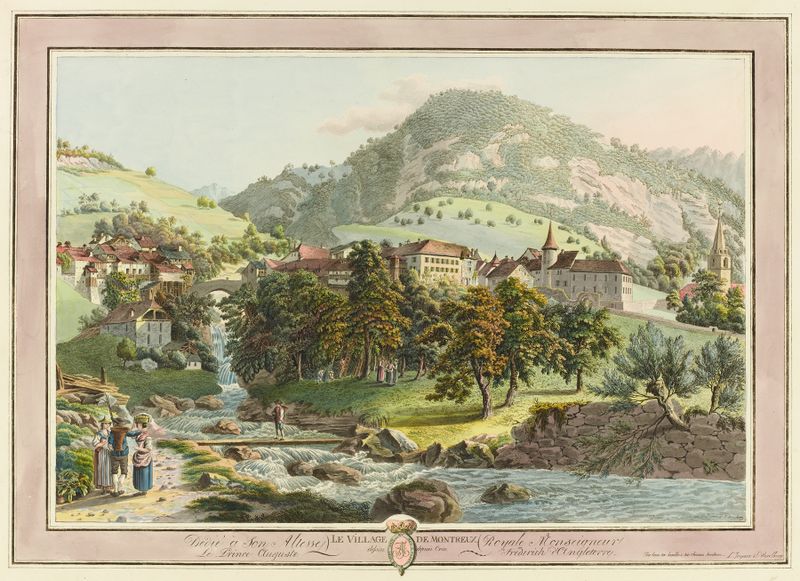
Le Village de Montreux. dessine depuis Crin
Pierre Samuel Louis Joyeux





