
Le Moulin de Rivaz — History & Facts
In the serene backdrop of Le Moulin de Rivaz, grief lingers like a shadow, inviting contemplation on the weight of loss and memory. Focus on the gentle ripples of the water, reflecting the soft hues of twilight. The windmill stands steadfast on the left, its weathered structure hinting at a history long cherished yet now tinged with melancholy. Notice how the palette of muted blues and greys evokes a somber atmosphere, while delicate strokes of light create a sense of longing, as if the scene itself mourns what has passed. The interplay between the stillness of the mill and the flow of the water suggests a tension between permanence and transience.
Each element tells a story—a whisper of lives once lived, where the blades of the windmill spin in melancholic rhythm, echoing the heart's sorrow. The viewer is drawn into this interplay, as the landscape becomes a reflection of emotional depth, capturing moments that hover just beyond reach. Created in an unknown year, Le Moulin de Rivaz was born during a period rich in romantic and naturalist influences. The artist, Pierre Samuel Louis Joyeux, painted amidst the shifting tides of 19th-century Europe, where the beauty of nature often intersected with personal grief and reflection.
This piece encapsulates his unique voice, inviting viewers to discover their own narratives between the strokes of his brush.
More Artworks by Pierre Samuel Louis Joyeux
Browse all →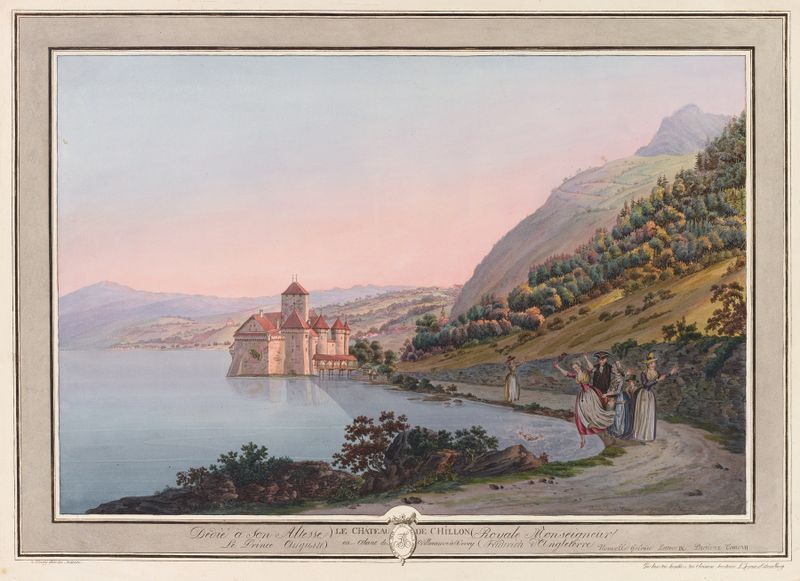
Le Château de Chillon. en Alant de Villeneuve à Vevey
Pierre Samuel Louis Joyeux
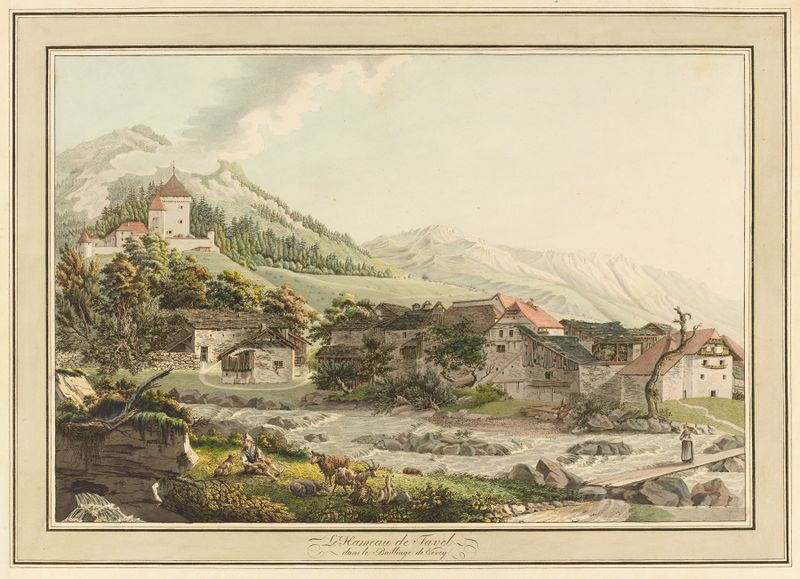
Le Hameau de Tavel dans le Bailliage de Vevey
Pierre Samuel Louis Joyeux
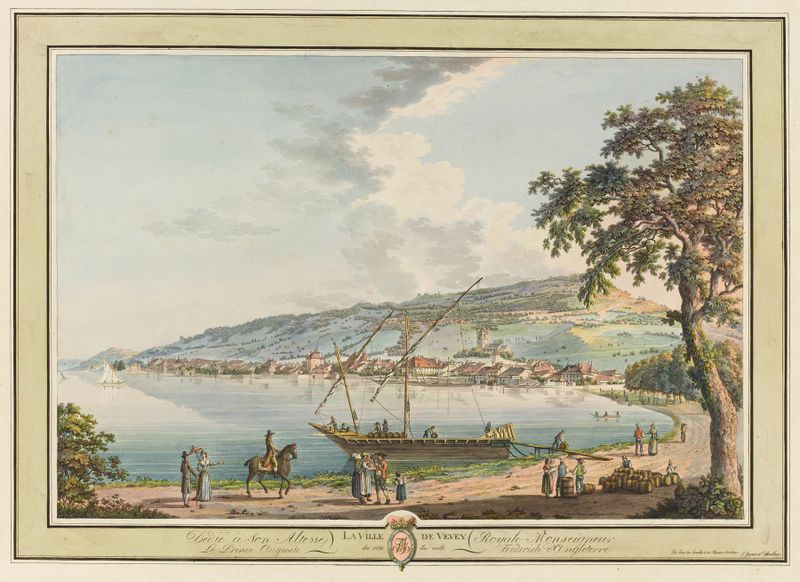
La Ville de Vevey. du côté du midi
Pierre Samuel Louis Joyeux
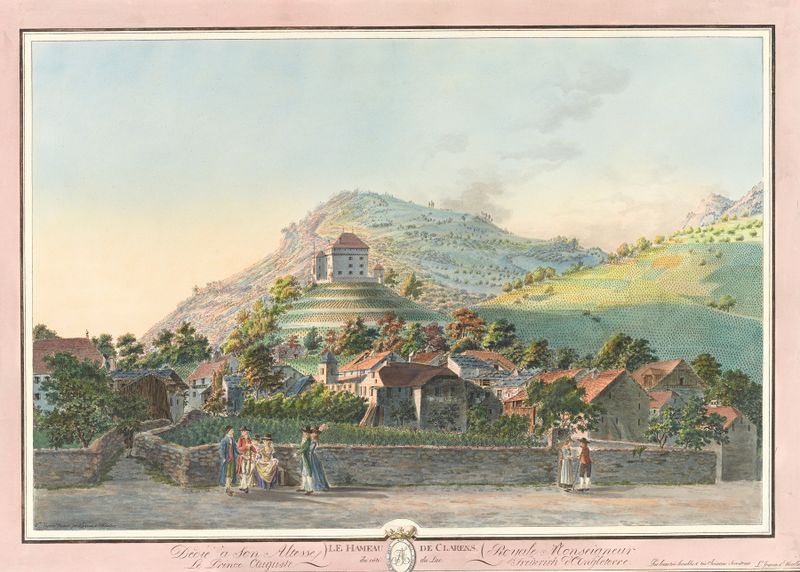
Le Hameau de Clarens. du côté du Lac
Pierre Samuel Louis Joyeux
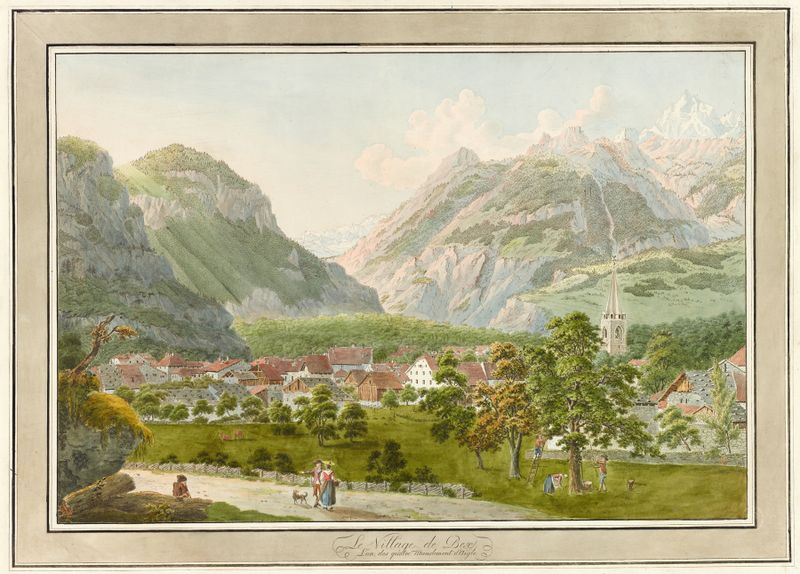
Le Village de Bex
Pierre Samuel Louis Joyeux
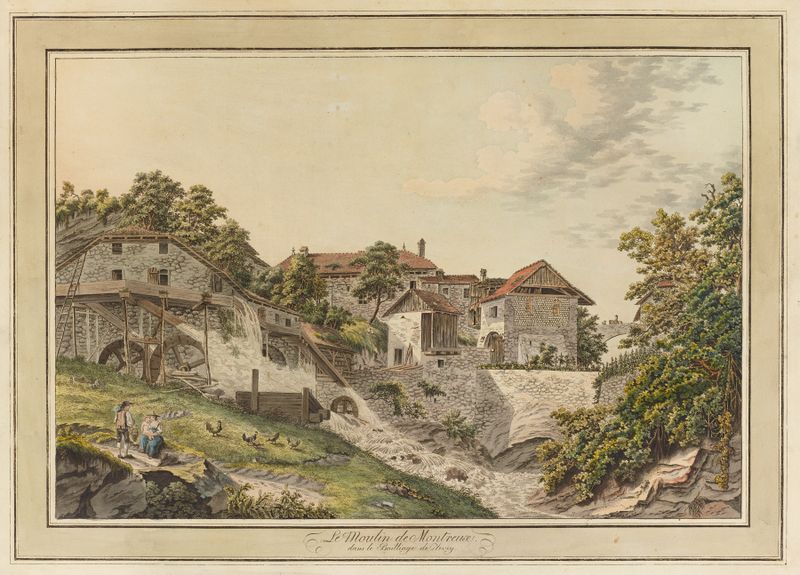
Le Moulin de Montreux dans le Bailliage de Vevey
Pierre Samuel Louis Joyeux
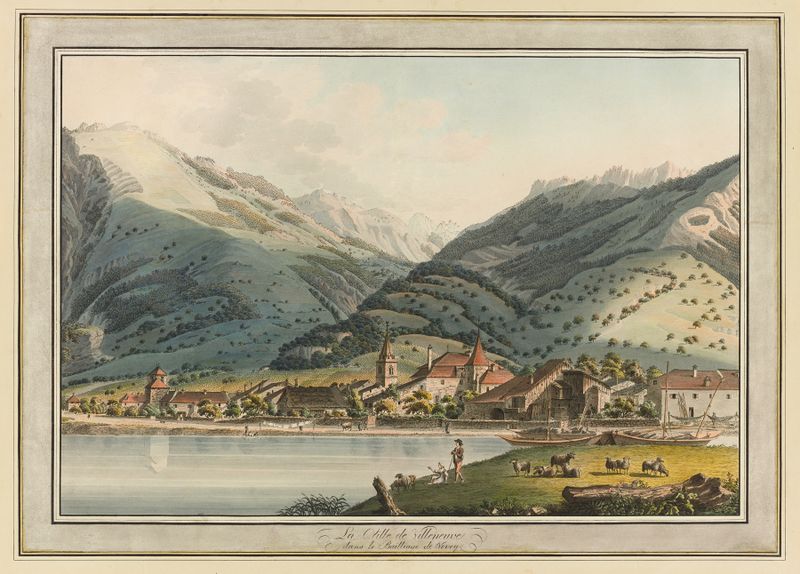
La Ville de Villeneuve dans le Bailliage de Vevey
Pierre Samuel Louis Joyeux
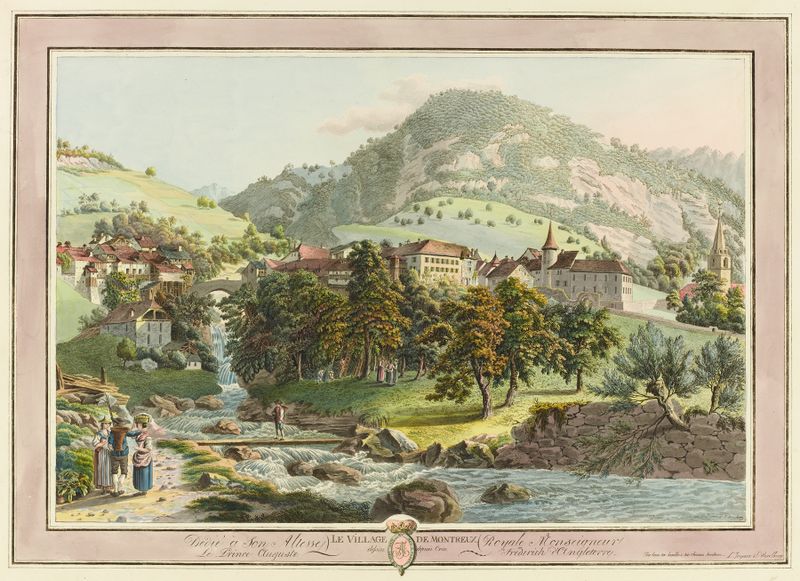
Le Village de Montreux. dessine depuis Crin
Pierre Samuel Louis Joyeux





