
La voile rouge — History & Facts
Could a single brushstroke hold eternity? In Henry Moret's La voile rouge, the answer whispers through the vibrant hues and passionate forms that embody an obsessive exploration of color and movement. Look to the lower left where a bold red sail captures the viewer’s attention, its undulating folds suggesting both motion and a stillness that commands the ocean's gaze. Notice how the light dances upon the water, reflecting a spectrum of blues and greens that speak to the vitality of the sea. Around the sail, the brushstrokes vary from thick, expressive lines to softer, more delicate touches, creating a dynamic tension between the energy of the wind and the calming pulse of the waves. The interplay of colors reveals emotional contrasts; the fiery red sail against the cool aquatic tones ignites a dialogue of passion versus tranquility.
Additionally, the presence of scattered clouds hints at a pending storm, suggesting that beauty can be fleeting—a moment seized amidst nature's vastness. Each element entwines in a narrative of longing, as the sail not only represents a vessel but also an insatiable desire for freedom, adventure, and the embrace of the unknown. In 1909, Moret painted this work in the coastal towns of Brittany, where he was captivated by the region's light and landscapes. This period marked a transition in his career as he embraced impressionist techniques, stepping away from traditional forms to explore a more vivid expression of reality.
His fascination with the sea and its rhythms became a recurring theme, reflecting not only his personal journey but also the broader movement of artists seeking to capture the essence of life through evocative brushwork.
More Artworks by Henry Moret
Browse all →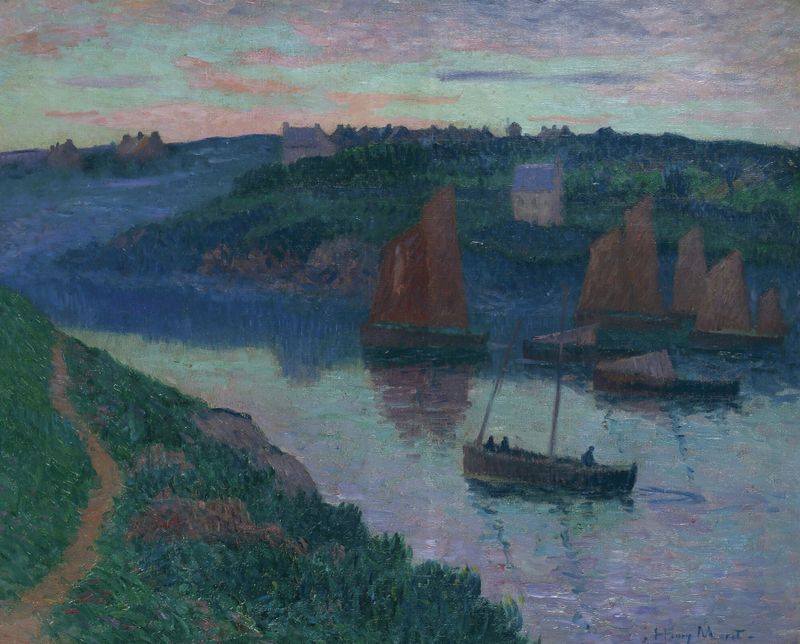
Bateaux De Pêche En Bretagne
Henry Moret
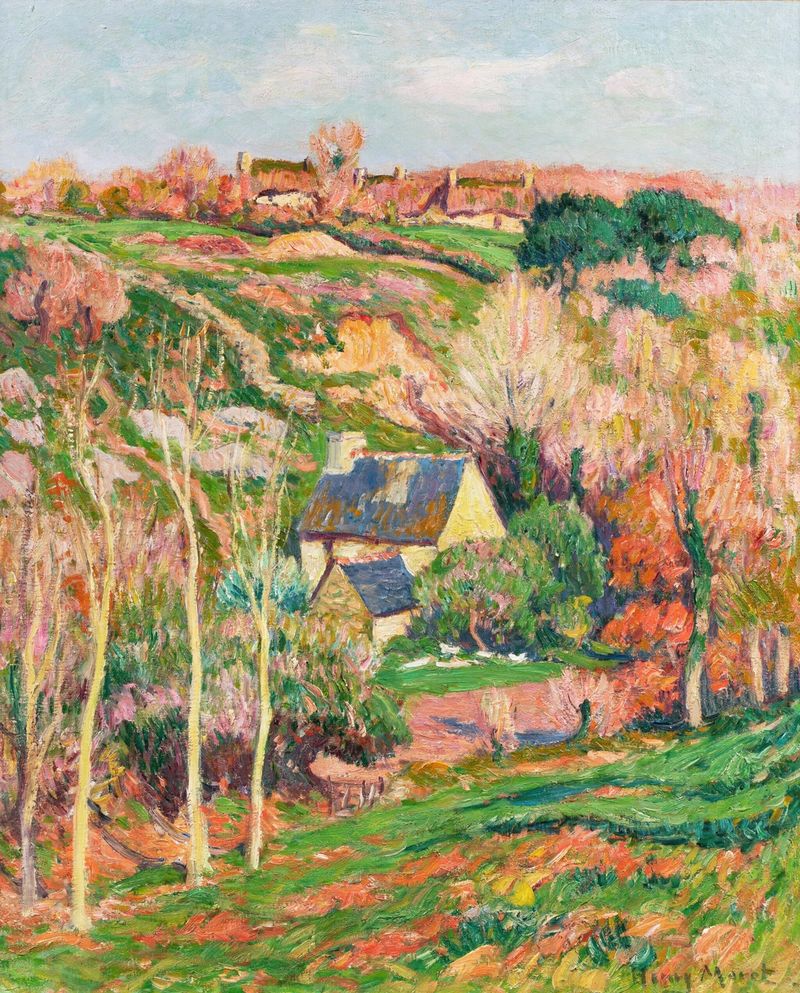
Fermes en Bretagne
Henry Moret
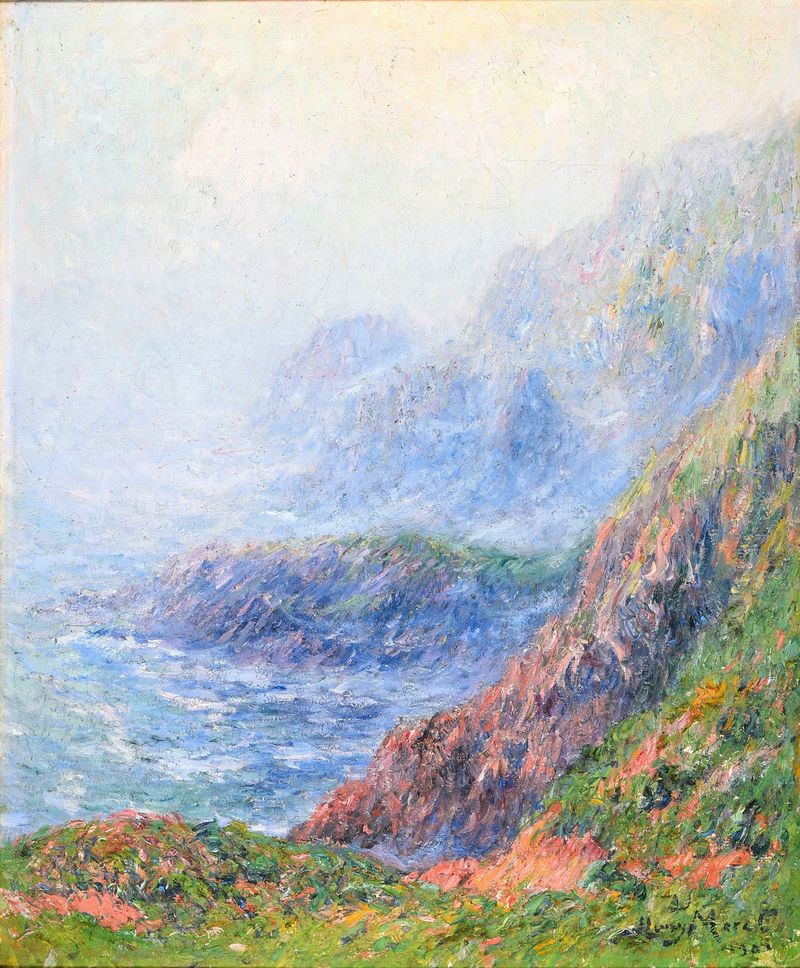
Matinée brumeuse à Ouessant
Henry Moret
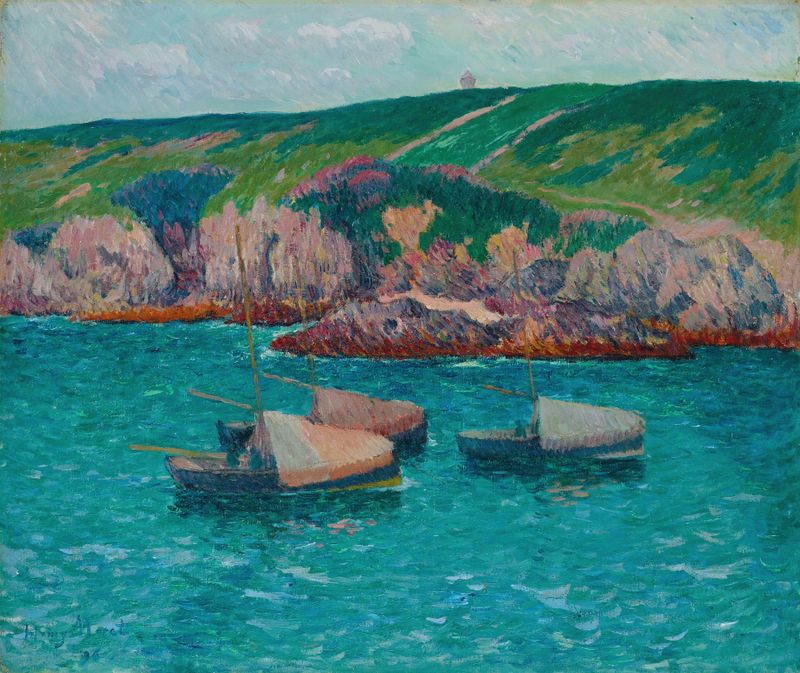
Les Barques à Doëlan
Henry Moret
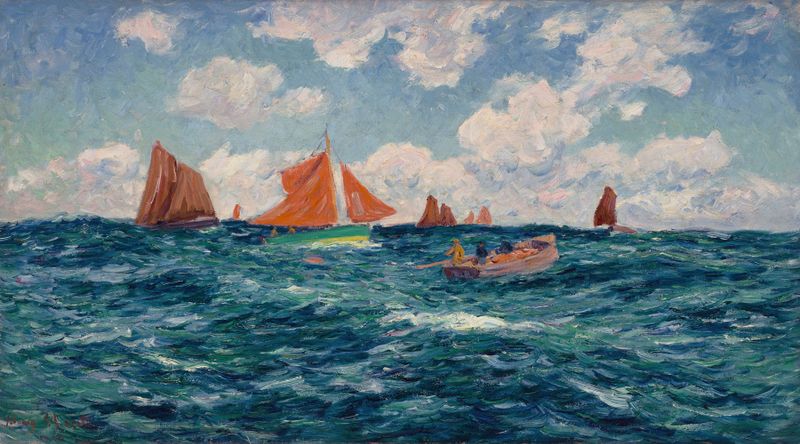
Pêcheurs au large
Henry Moret
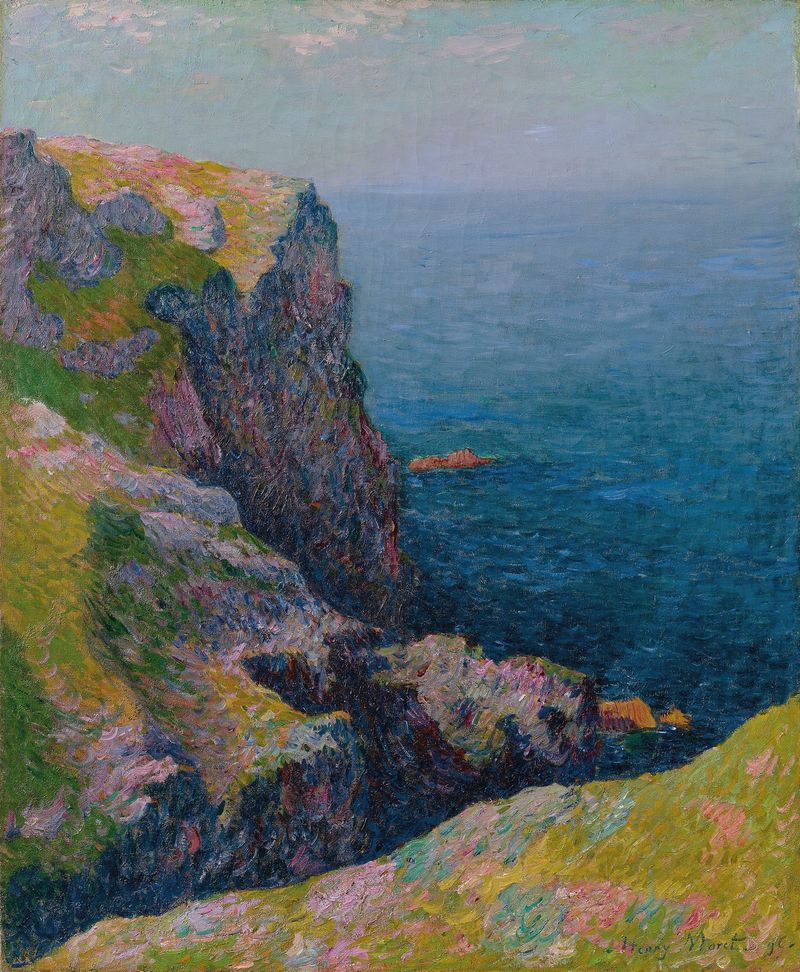
Ile de Groix, Pointe de l’Enfer
Henry Moret
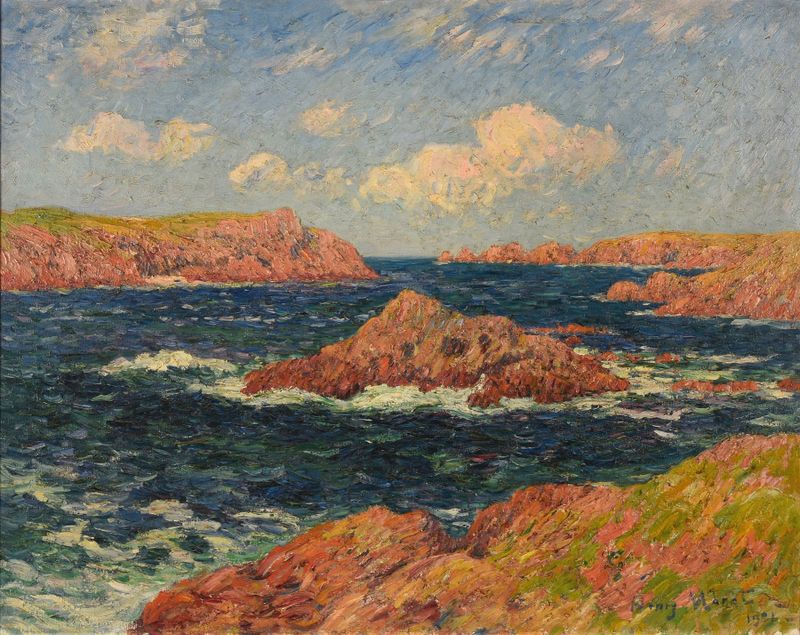
L’Ile de Kerellec (Ouessant)
Henry Moret
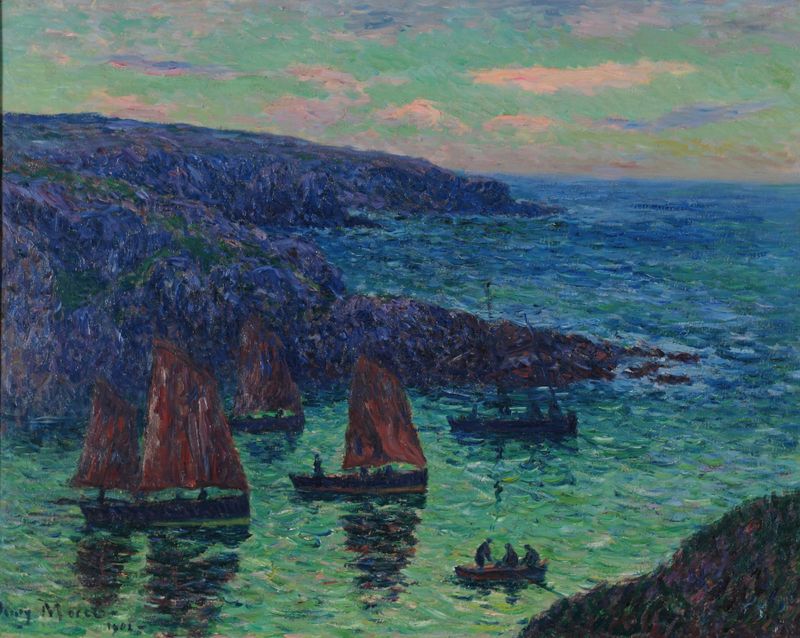
Le soir à Douëlan
Henry Moret
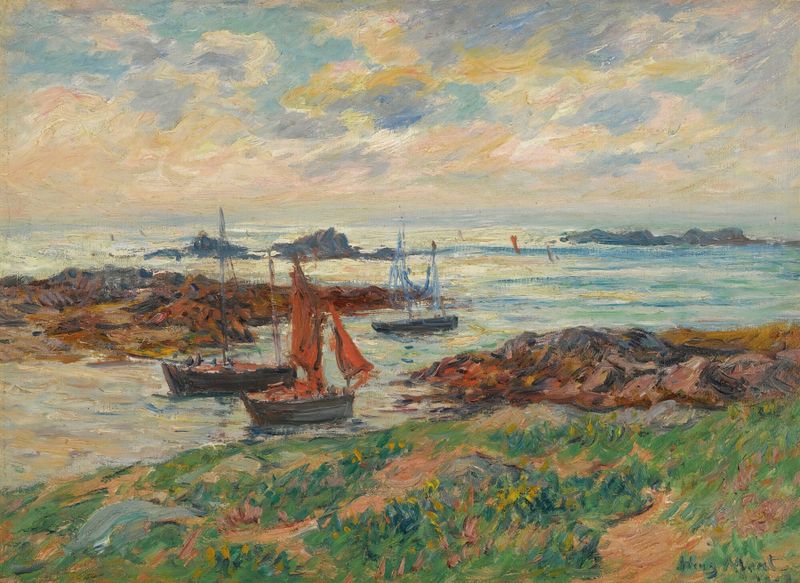
Les Glénans, Finistère
Henry Moret
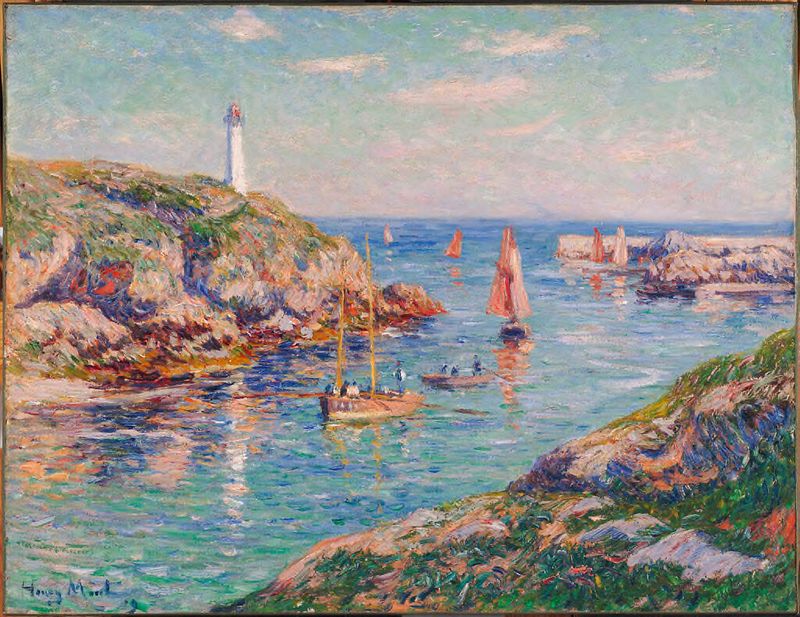
The Port of Douvelan
Henry Moret





