
Lac de Lowerz — History & Facts
When did color learn to lie? Perhaps it was the moment we sought to capture the essence of revolution within the confines of a canvas, where hues express more than mere beauty. Look to the foreground, where a vibrant blue lake stretches across the canvas, its surface glimmering under a radiant sun. Notice how the brushwork creates a fluidity that mimics the gentle ripples of water, drawing your gaze towards the horizon. The trees framing the scene shift from deep greens to fiery oranges, as if the very landscape is caught in the throes of transformation.
The bold use of color contrasts with the soft, almost melancholic strokes of the sky above, suggesting a world in flux. As you delve deeper, consider the implications of this juxtaposition. The lake, tranquil yet vibrant, symbolizes a calm amidst chaos, while the fiery treetops hint at an impending upheaval—nature itself responding to the spirit of change. Each stroke seems to vibrate with urgency, as if the landscape holds its breath in anticipation.
The serene beauty of the scene belies the turbulence of the human experience, revealing the tension between stability and revolution. Jean Jacottet painted this work during a time when the world was changing rapidly, though the exact date remains uncertain. Active in the late 19th to early 20th century, he was influenced by the evolving art movements of impressionism and post-impressionism. The fading boundaries between color and emotion in his work reflect a society grappling with transformation, mirroring the broader currents of artistic experimentation of the era.
More Artworks by Jean Jacottet
Browse all →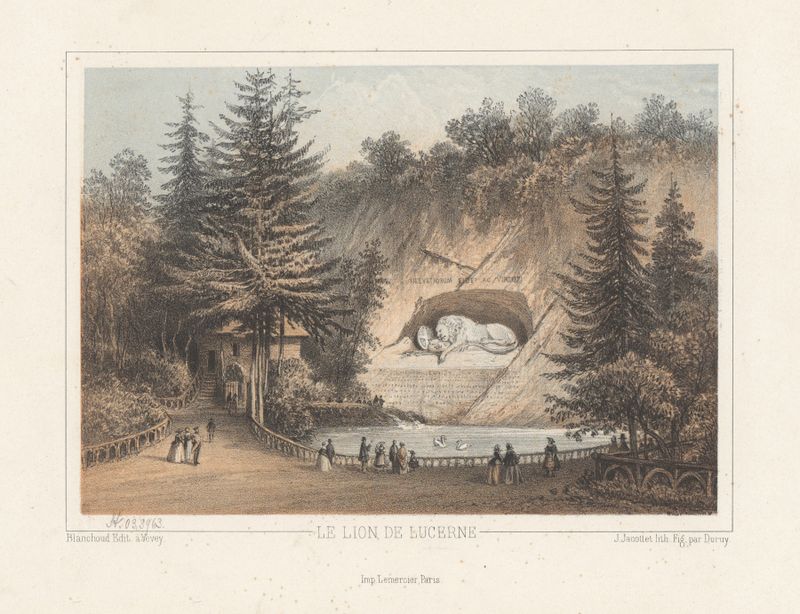
Le lion de Lucerne
Jean Jacottet
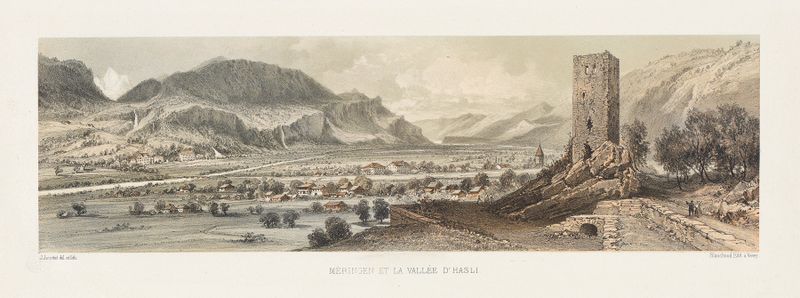
Méringen et la vallée d’Hasli
Jean Jacottet
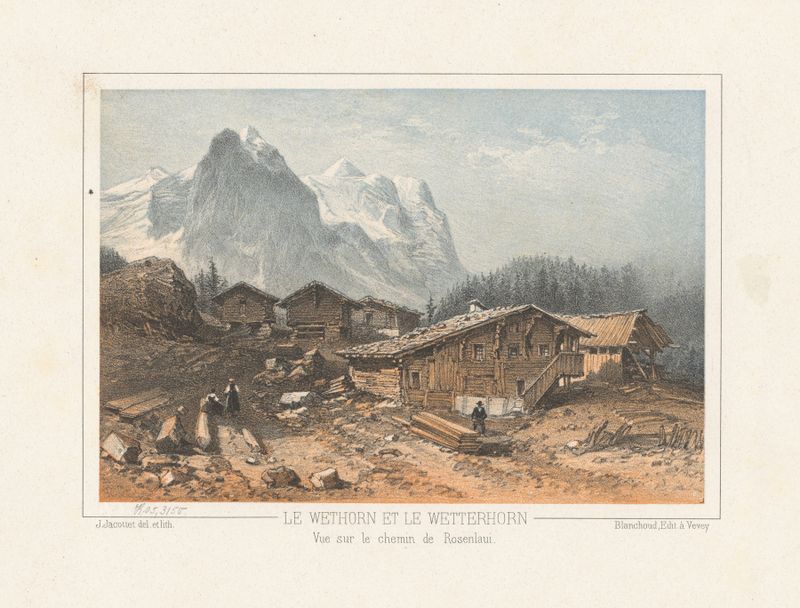
Le Wethorn et le Wetterhorn Vue sur le chemin de Rosenlaui
Jean Jacottet
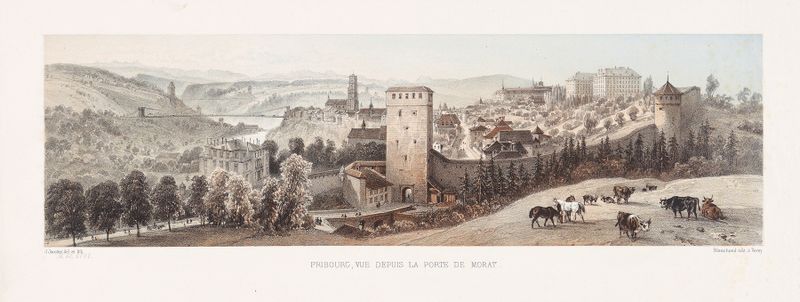
Fribourg, vue depuis la porte de Morat
Jean Jacottet
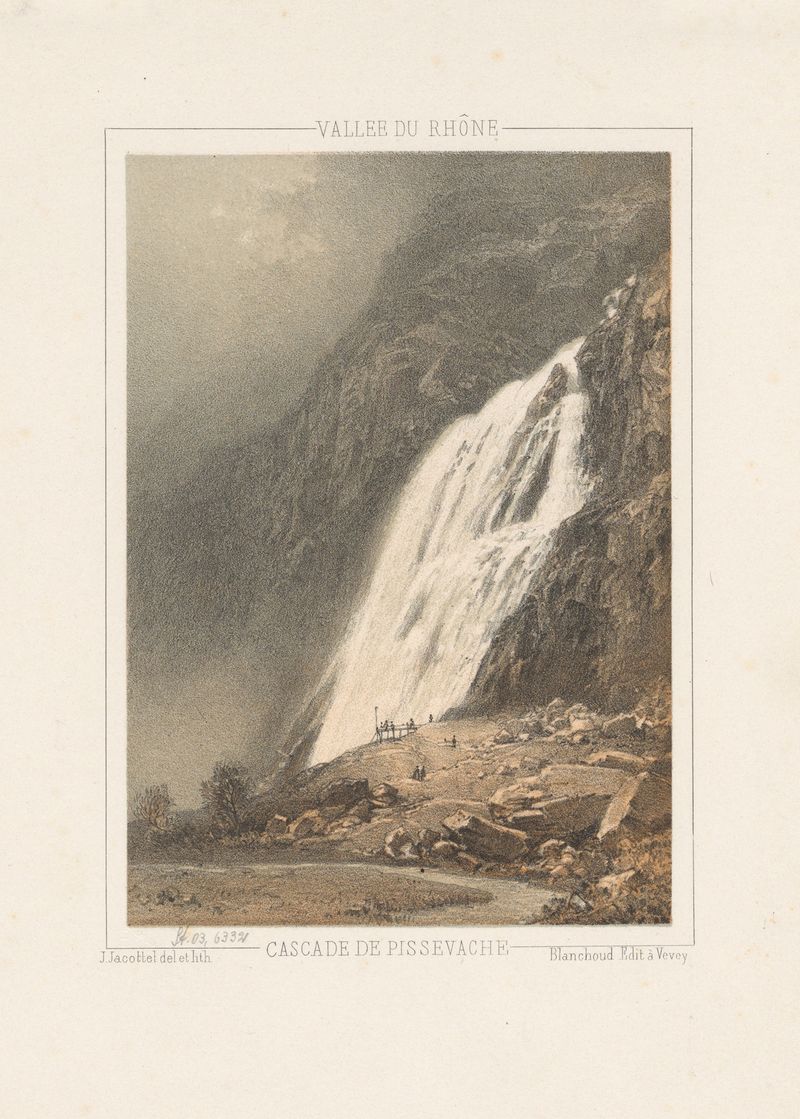
Cascade de Pissevache
Jean Jacottet
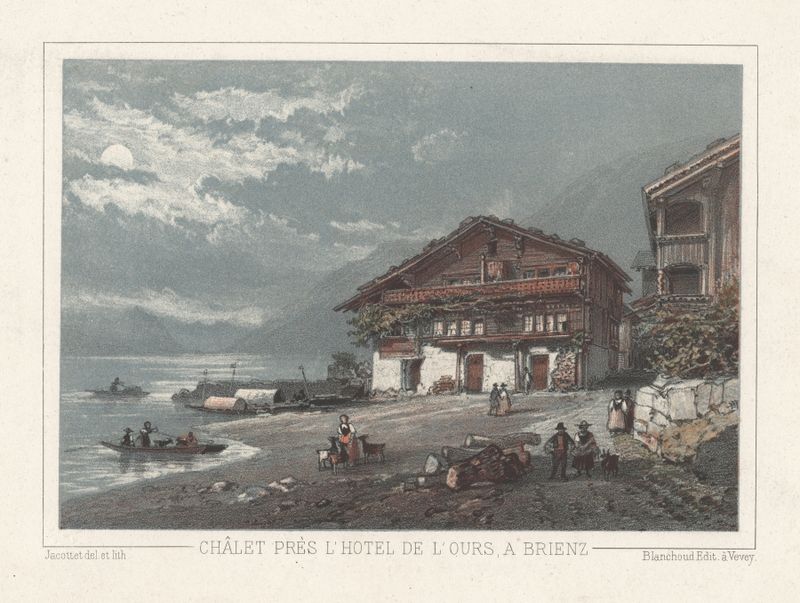
Châlet près l’Hotel de l’Ours, a Brienz
Jean Jacottet
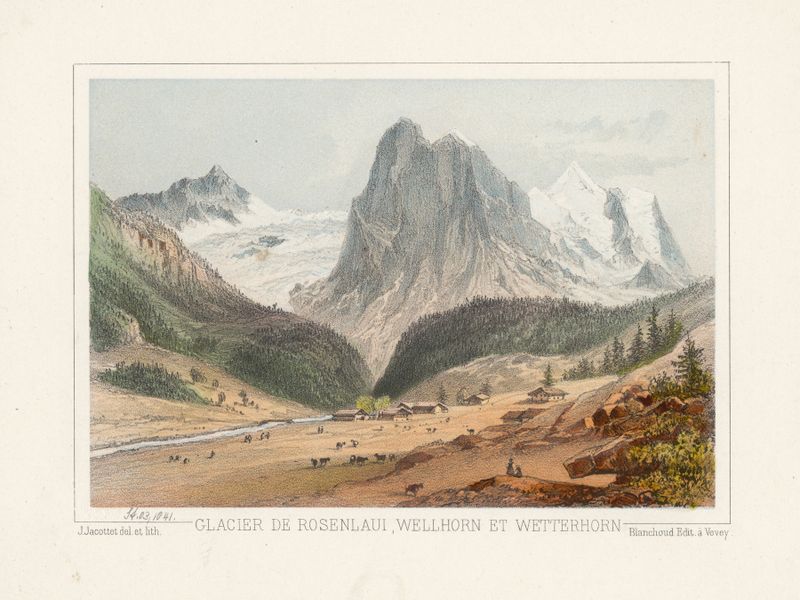
Glacier de Rosenlaui, Wellhorn et Wetterhorn
Jean Jacottet
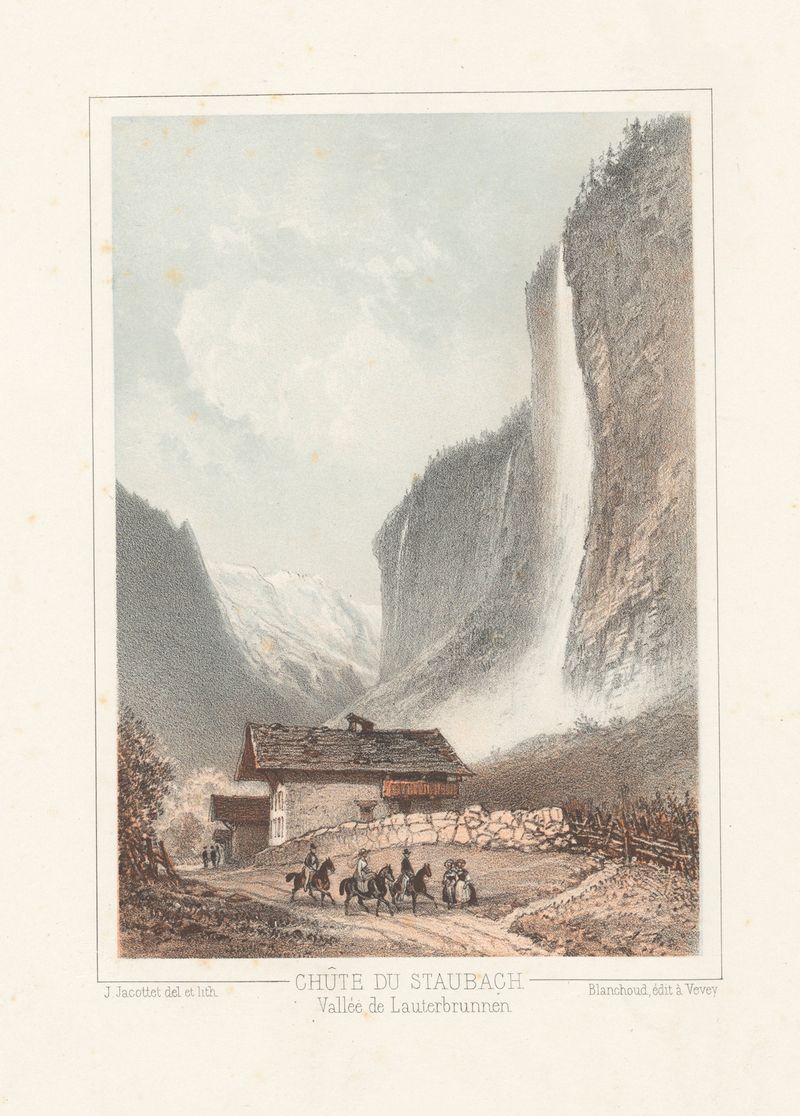
Chûte du Staubach Vallée de Lauterbrunnen
Jean Jacottet
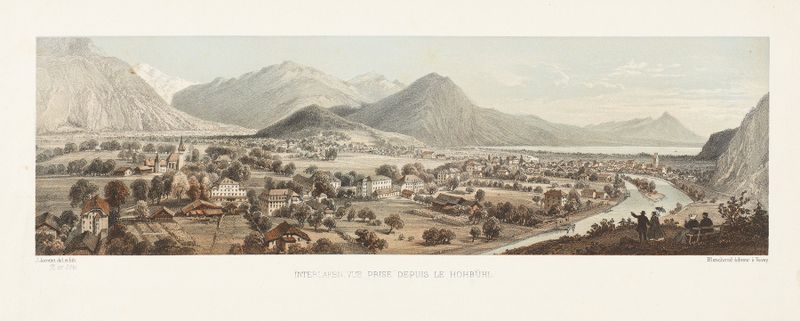
Interlaken, vue prise depuis le Hohbühl
Jean Jacottet
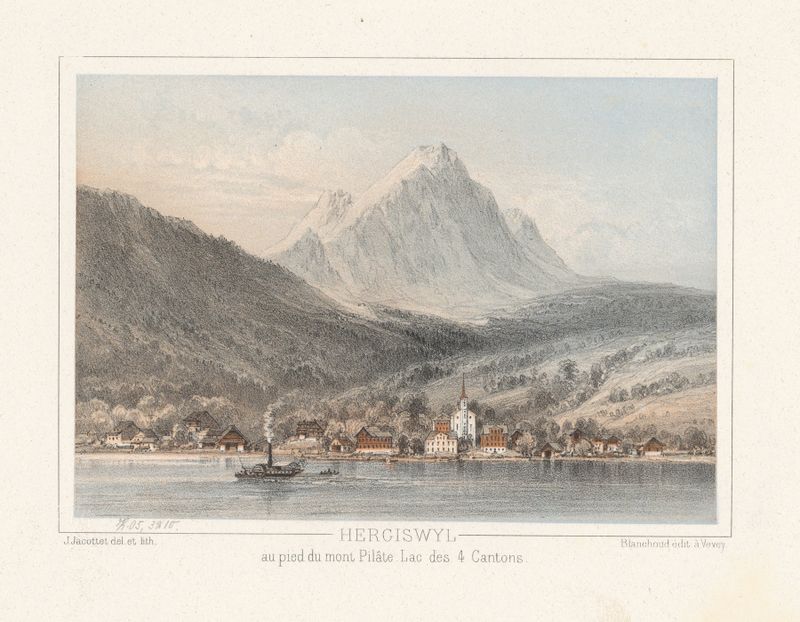
Hergiswyl au pied du mont Pilâte. Lac des 4 Cantons
Jean Jacottet





