Lake Windermere, England — History & Facts
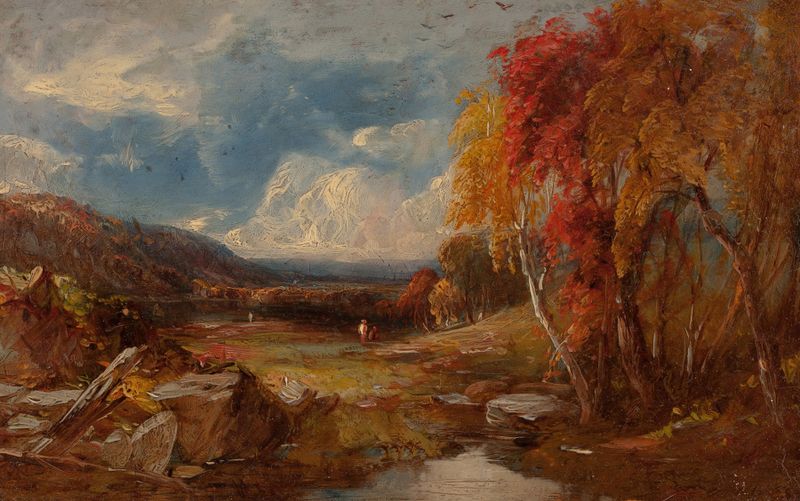
Within the delicate strokes of this artwork, a serene yet haunting reminder of mortality lies intertwined with nature’s beauty. Look closely at the tranquil water, where soft ripples dance beneath a gentle breeze. The lush greenery reflects a vibrant palette of greens and browns, leading the eye toward the horizon, where the mountains stand like silent sentinels. Notice how the interplay of light and shadow imbues the scene with an ethereal quality, suggesting that every moment is ephemeral—a fleeting glimpse of a world that is both alive and fading. As the viewer's gaze wanders, subtle contrasts emerge: the serenity of the lake juxtaposed with the looming mountains speaks to life's transient beauty.
The stillness invites contemplation, evoking feelings of nostalgia and the bittersweet weight of time passing. Hidden in the brushstrokes are whispers of memories—echoes of laughter, lost conversations, and the impermanence that underpins our existence. Here, nature becomes a canvas for both reflection and acceptance. This piece comes from an artist who thrived in the late 19th century, a time marked by aesthetic explorations of landscape and light.
Working in the midst of America’s Hudson River School movement, the artist captured the essence of nature while grappling with the tensions between the ideal and the real. Life during this period was marked by rapid change, and for the artist, these works became a way to preserve fleeting moments against the relentless march of time.