Rocks on the Shore — History & Facts
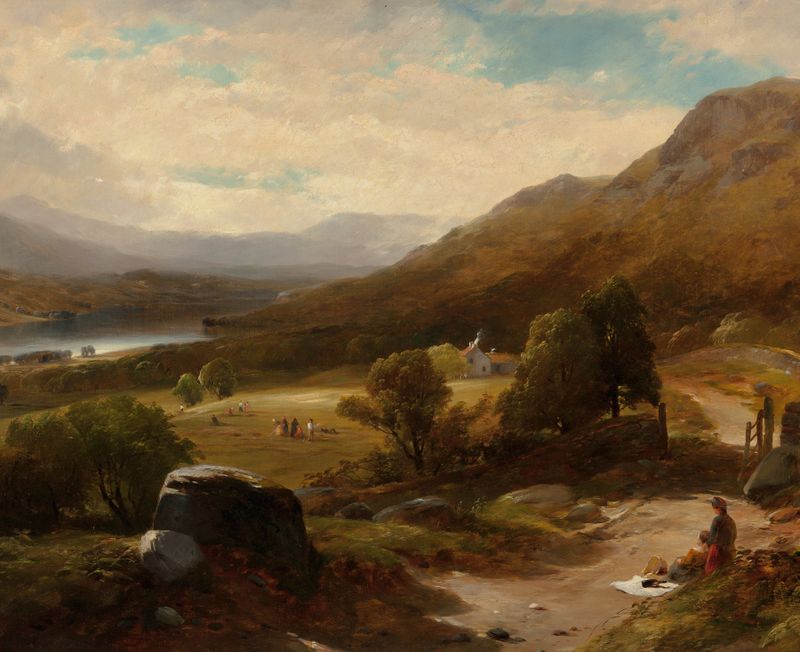
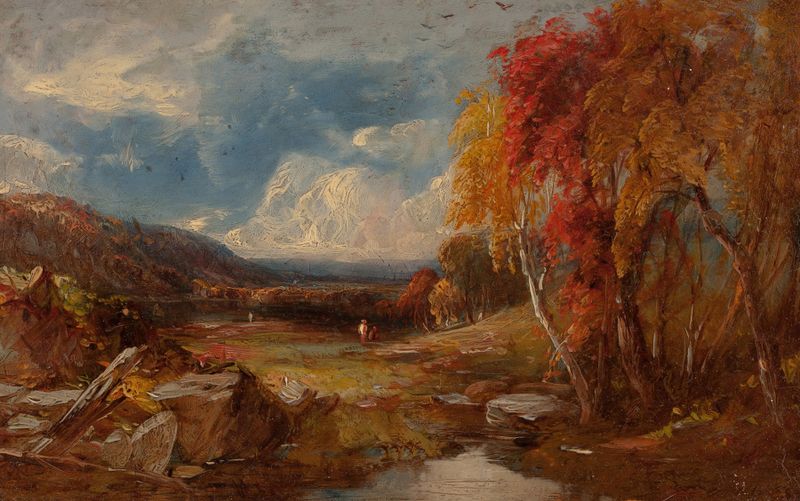
Did the painter know this moment would outlive them? As waves crash and retreat, the raw chaos of nature is captured in a still frame, forever echoing the tumult of life. Focus on the foreground, where the jagged rocks jut defiantly from the shoreline. The artist employs a rich palette of blues and greens, contrasting with the earthy browns and grays of the rocks, inviting the viewer to explore the textures and layers of the landscape. The tumultuous waves, painted with swift, fluid strokes, create a sense of movement, while the stillness of the rocks provides a counterbalance — a moment frozen in time amidst nature's relentless energy. Hidden within the tumult is a dialogue between stability and chaos.
The rocks, solid and unyielding, stand as silent witnesses to the unending assault of the sea, a metaphor for resilience against life’s storms. Meanwhile, the frothy waves symbolize both destruction and renewal, illustrating the duality of existence. Each cresting wave hints at the fleeting nature of time, urging viewers to ponder what remains once the chaos subsides. William M.
Hart painted this work during a period of significant artistic evolution in the mid-19th century, exploring themes of nature and realism. At that time, the Hudson River School artists were celebrating the American landscape, but Hart sought to capture both the beauty and tumult of nature beyond idealism. This painting reflects his deep appreciation for the dynamic forces at play in the world around him, showcasing his unique voice within the artistic movement.