
Landgoed Cleydael — History & Facts
Can paint confess what words never could? In the lush expanse of Landgoed Cleydael, the tranquility of nature contrasts sharply with the undercurrents of human conflict that linger just beneath the surface. Look to the foreground, where the meticulous detailing of the garden draws you in; vibrant flowers burst with life, their colors dazzling against the verdant backdrop. The play of light across the leaves dances with a soft radiance, guiding your gaze upward to the elegant architecture that frames this pastoral scene. Notice how the artist employs a delicate balance of shadow and illumination to evoke a sense of serenity, while hints of darkness lurk in the corners, suggesting an unsettling tension beneath the idyllic facade. The composition speaks volumes beyond its serene beauty.
The juxtaposition of the manicured garden and the looming architecture hints at a history of control and violence, a reminder that nature is often tamed by human hands. Each flower, blooming in its vibrant glory, serves as a metaphor for innocence threatened by the ruthless realities of existence. In the distance, the horizon blurs, inviting contemplation of what lies beyond this peaceful scene — perhaps the aftermath of conflict or the weight of unresolved histories. In 1661, the artist found himself in Antwerp, a time marked by a flourishing art market yet haunted by the vestiges of war.
As he painted Landgoed Cleydael, the region was experiencing a fragile peace following years of strife. This context of recovering from violence and seeking beauty amidst chaos undoubtedly influenced his work, imbuing it with layers of meaning that resonate through the ages.
More Artworks by Lucas van Uden
Browse all →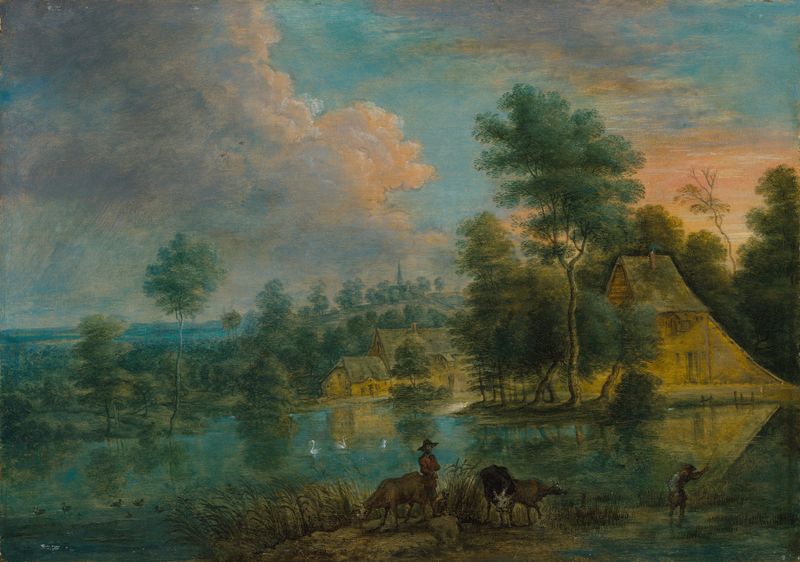
A river landscape with travellers
Lucas van Uden
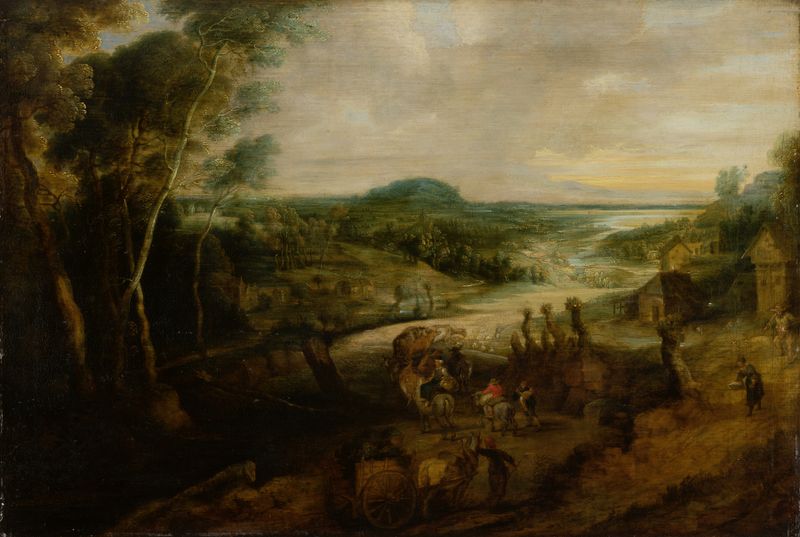
River Landscape with Peasants on the Way to Market
Lucas van Uden
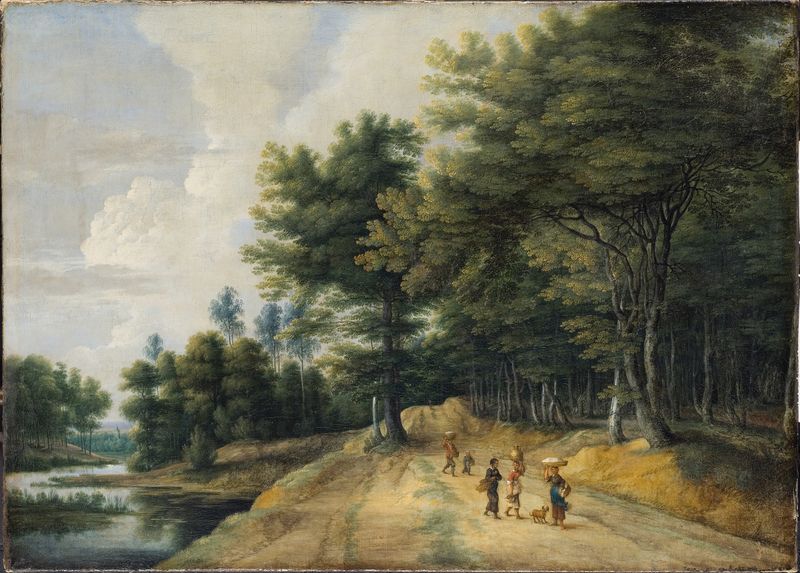
Landscape with a Road through a Wood of Beeches
Lucas van Uden
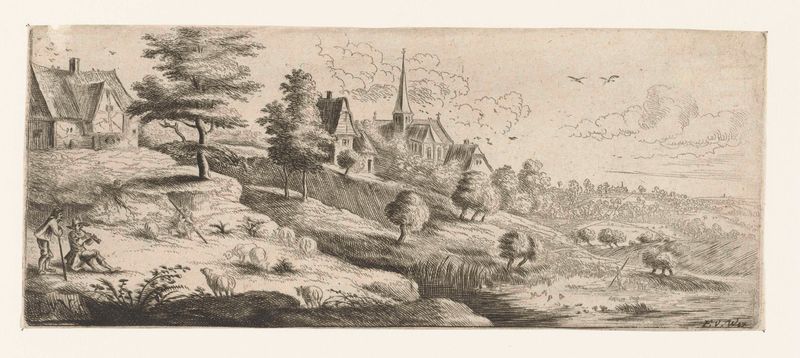
Landschap met een dorp en een schalmei spelende man
Lucas van Uden
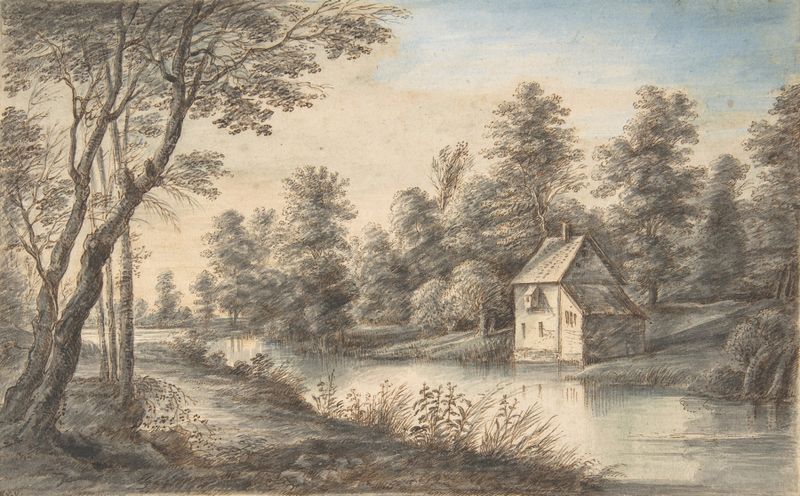
Wooded Landscape with a House beside a River
Lucas van Uden
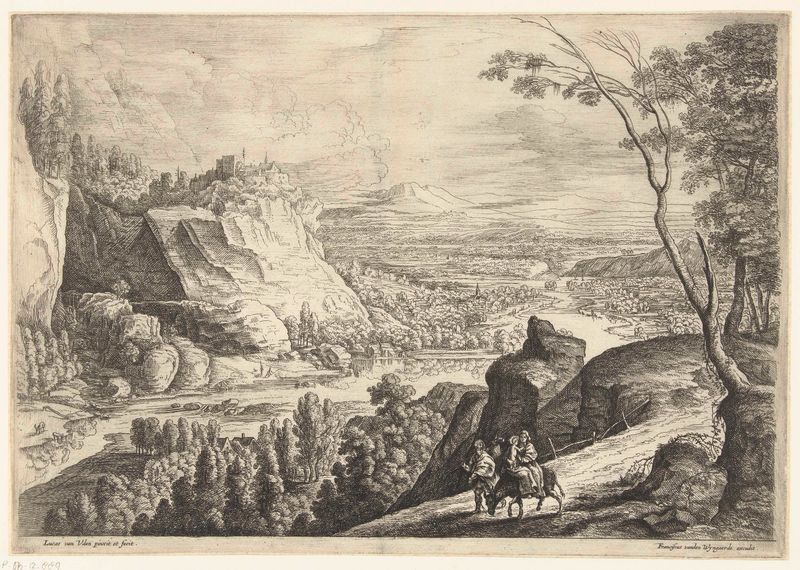
Landschap met de vlucht naar Egypte
Lucas van Uden
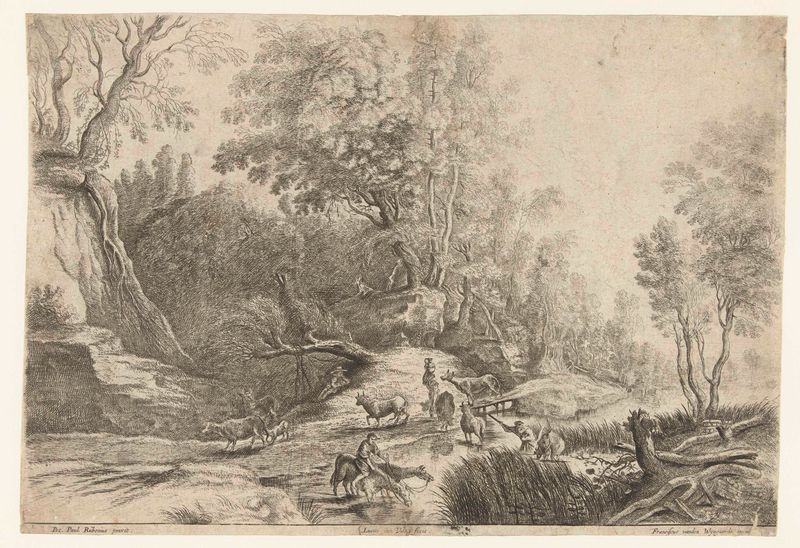
Paarden en koeien bij een drinkplaats
Lucas van Uden
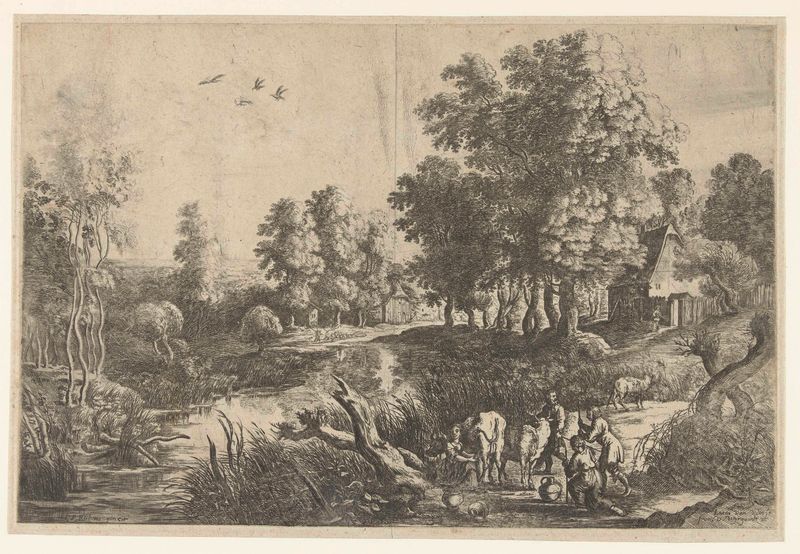
Boeren met vee bij een beek
Lucas van Uden
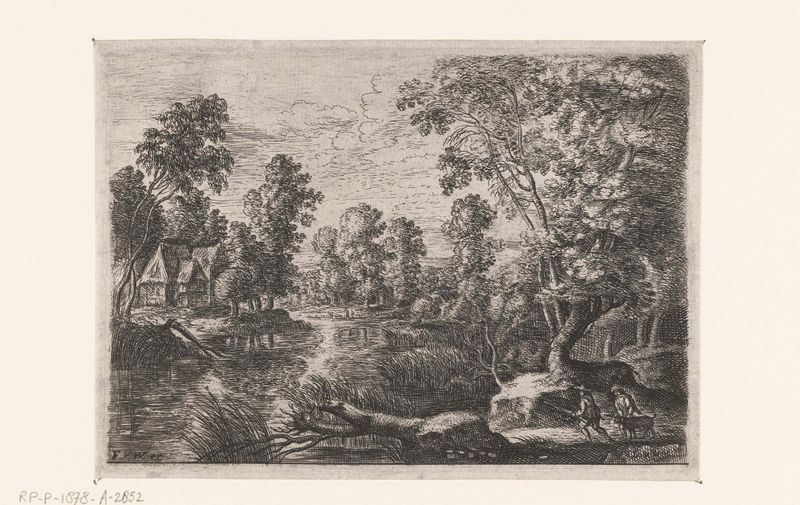
Landschap met een beek en een jager
Lucas van Uden
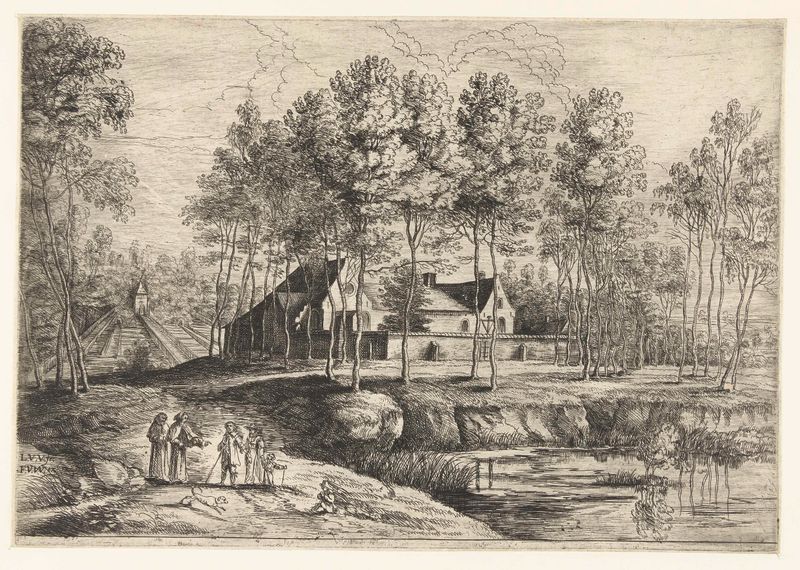
Gezicht op het kapucijnenklooster te Tervuren
Lucas van Uden





