
Landscape — History & Facts
Could beauty survive in a century of chaos? Look to the background of this work, where rolling hills meet an expansive sky, bathed in the soft, golden glow of twilight. The subtle gradients of blues and ochres draw the eye upward, where wisps of clouds seem to dance with light. Notice how the foreground is a rich tapestry of greens, each stroke conveying the lushness of the earth, while the delicate brushwork reveals a careful balance between chaos and serenity.
This interplay invites contemplation, as if each element is whispering its own story. As the viewer navigates through the landscape, an emotional tension unfolds. The juxtaposition of vibrant colors against a backdrop of impending night creates a sense of duality—beauty tinged with melancholy. The solitary tree, slightly bent as if weathered by unseen storms, serves as a potent symbol of resilience amidst uncertainty.
It invites reflection on betrayal, whether from nature or the human condition, illustrating how beauty can endure even in trying times. Cornelis Huysmans painted this work during a period marked by personal and societal turbulence, likely in the late 19th century. As an artist in the Netherlands, he sought solace in the natural world, capturing landscapes that mirrored his own inner struggles. At the time, the art world was transitioning, moving from Romanticism’s idealization to a more realistic portrayal of life, amidst the broader shifts in society.
In this context, the work stands as a quiet testament to the complexities of existence, where beauty and betrayal coexist.
More Artworks by Cornelis Huysmans
Browse all →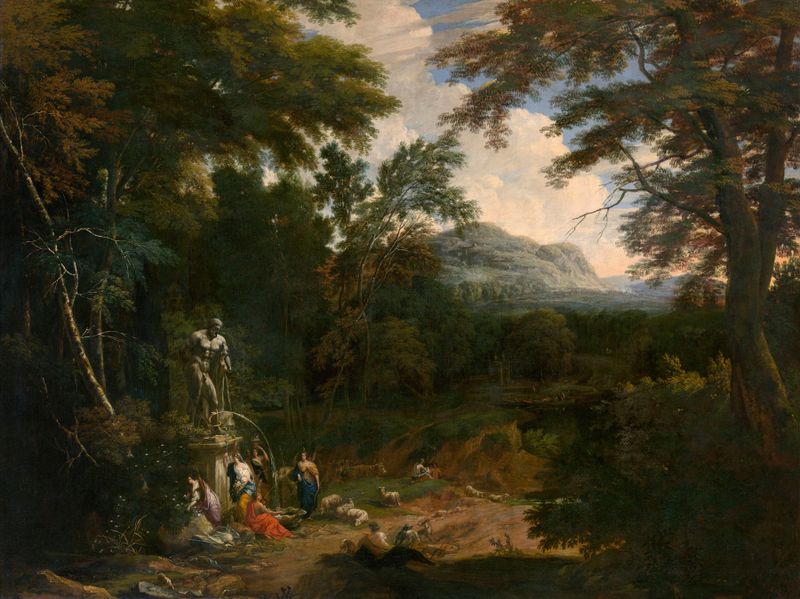
Landscape
Cornelis Huysmans
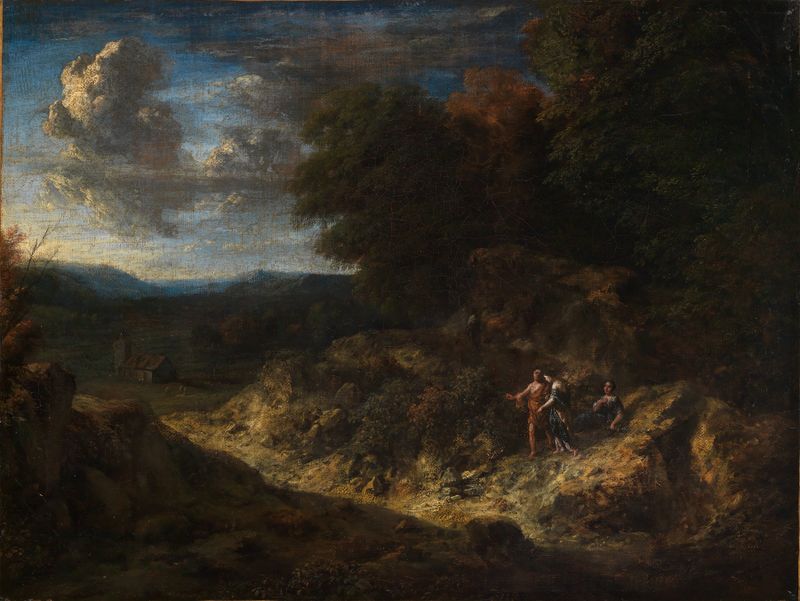
Waldrand mit Hirten
Cornelis Huysmans
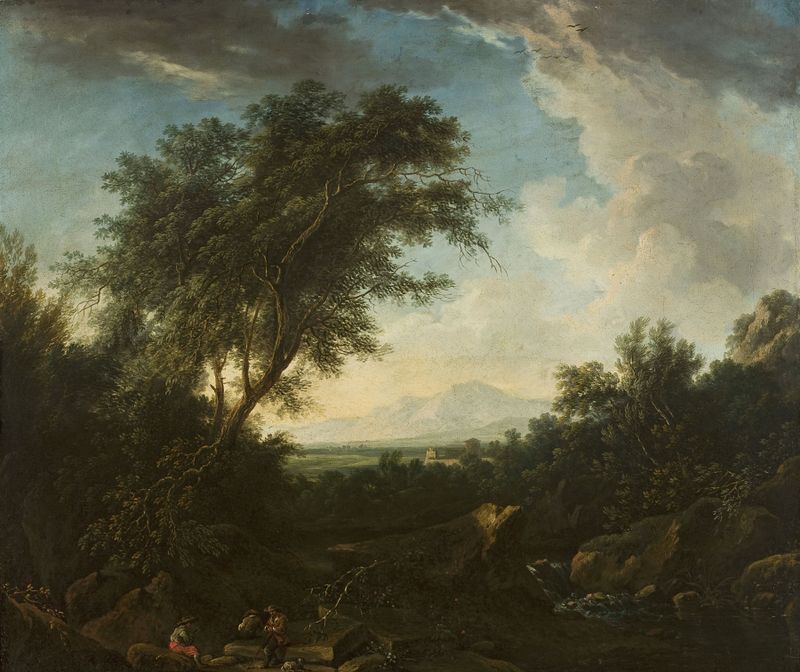
Landscape
Cornelis Huysmans
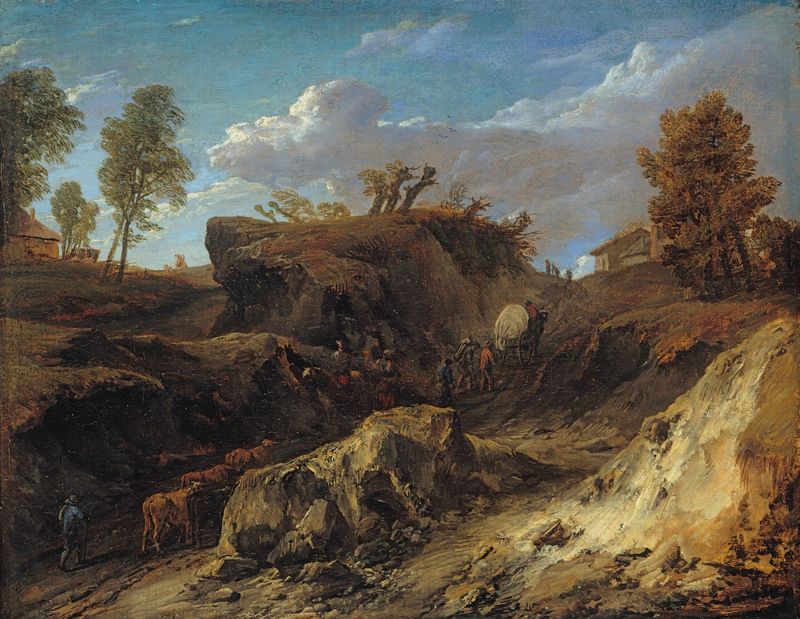
The Hollow Road
Cornelis Huysmans
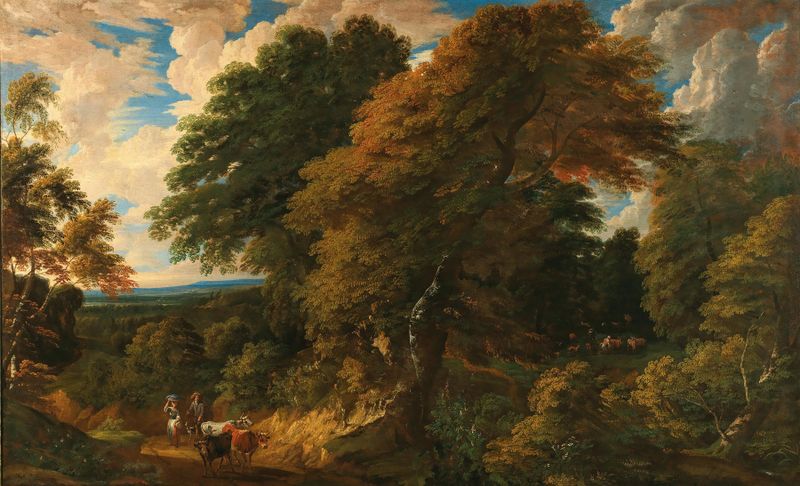
A wooded landscape with peasants and their cattle
Cornelis Huysmans
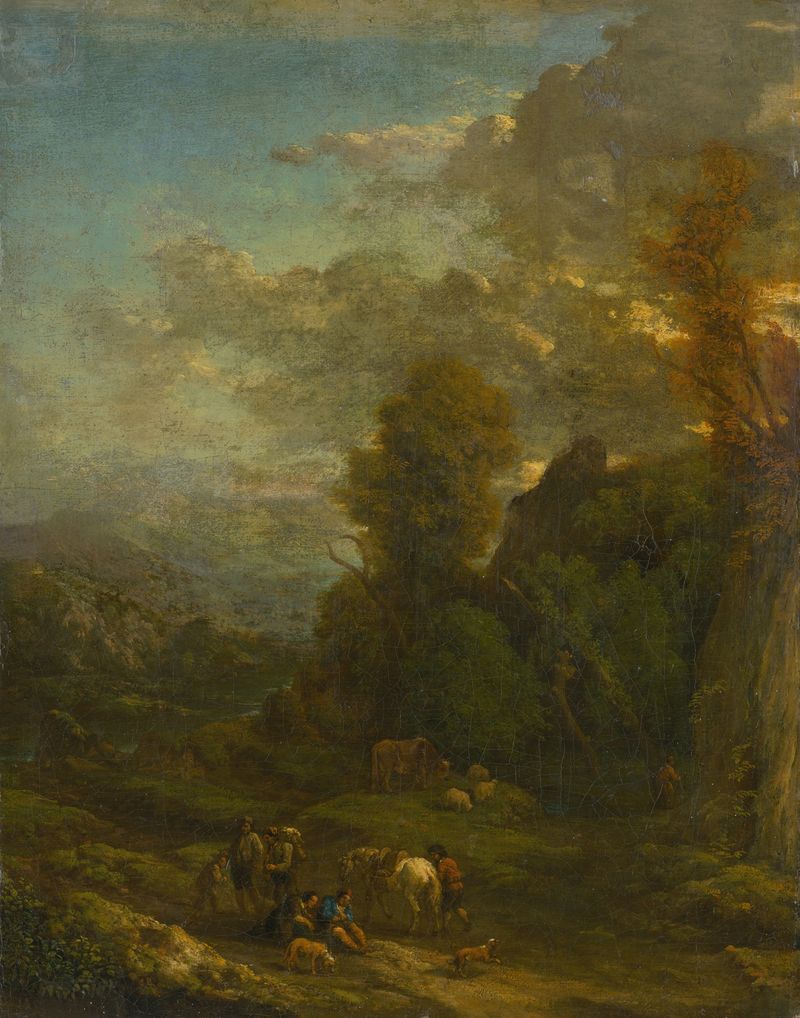
Evening Landscape With Travellers
Cornelis Huysmans
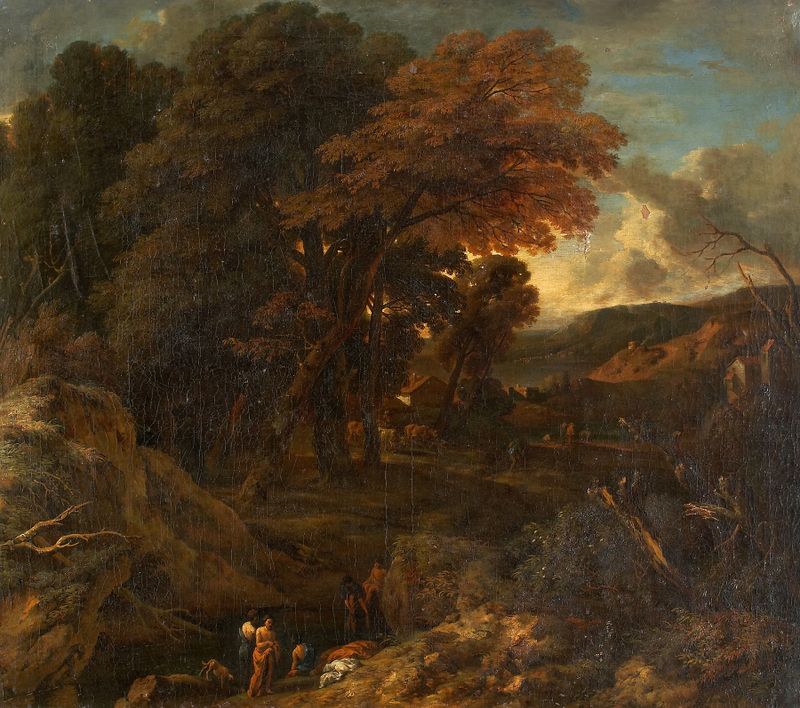
Southern Landscape with Bathers
Cornelis Huysmans
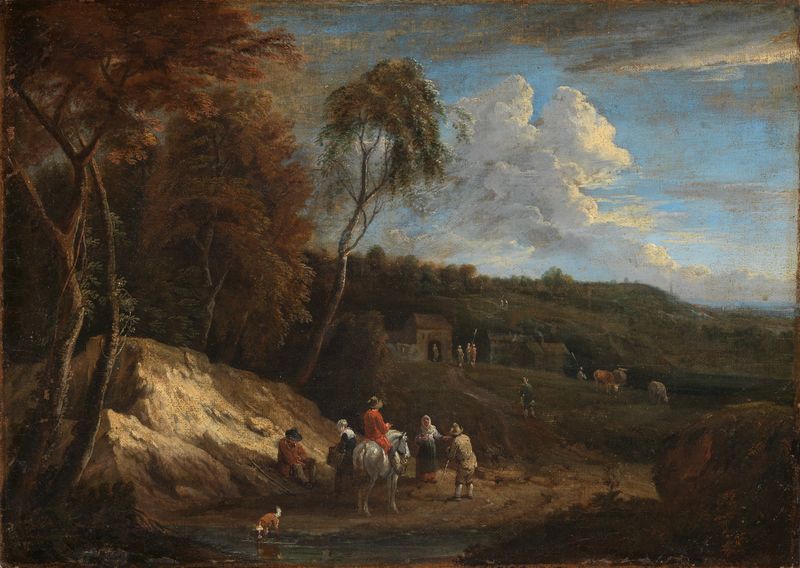
Waldrand mit Blick in eine Ebene und Staffage von Reisenden und Bauern
Cornelis Huysmans

The Hollow Road
Cornelis Huysmans





