
The Hollow Road — History & Facts
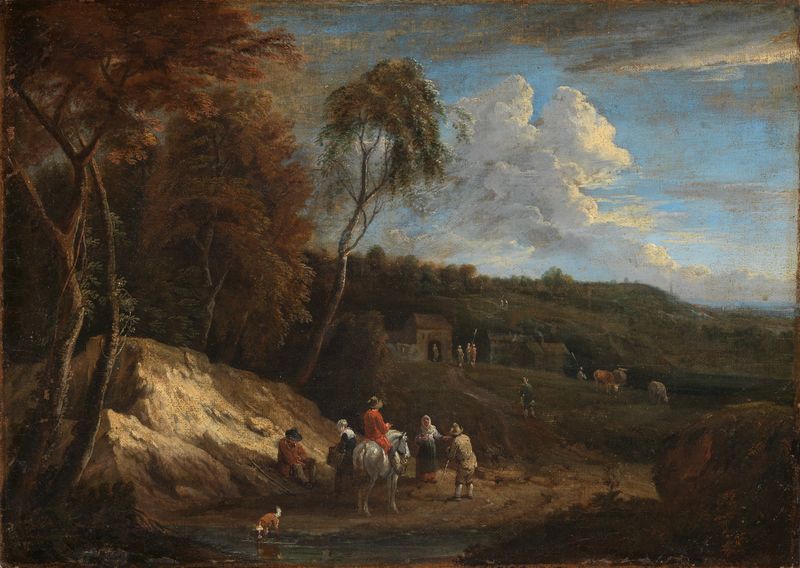
In the stillness of a moment, it holds the echo of unvoiced fears, the anticipation of what looms beyond the visible. Begin by focusing on the winding path that meanders through the dense foliage in The Hollow Road. The muted greens and browns envelop the canvas, pulling you into a world both inviting and foreboding. Notice how the light plays with the dark shadows, creating an atmosphere that feels charged, as if the trees themselves are whispering secrets.
The composition leads your eye along the road, prompting questions of where it might lead and what lies just out of sight. At first glance, the tranquil beauty of the scene belies a deeper tension. The encroaching trees feel almost oppressive, as if they guard the secrets of the road ahead. This contrast between serenity and looming uncertainty evokes a primal fear of the unknown — of the threats that dwell in the shadows.
Look closer at the interplay of light and dark, which symbolizes the fine line between safety and danger, the known and the unexplored. Cornelis Huysmans painted this work around 1700, during a time when landscape painting was evolving in the Dutch art scene. Having established himself in Amsterdam, he explored the transitions between the natural world and human emotion. This piece reflects not just his technical prowess but also the societal shifts of the time, as viewers began to seek deeper connections with nature, often shadowed by an undercurrent of fear and contemplation.
More Artworks by Cornelis Huysmans
Browse all →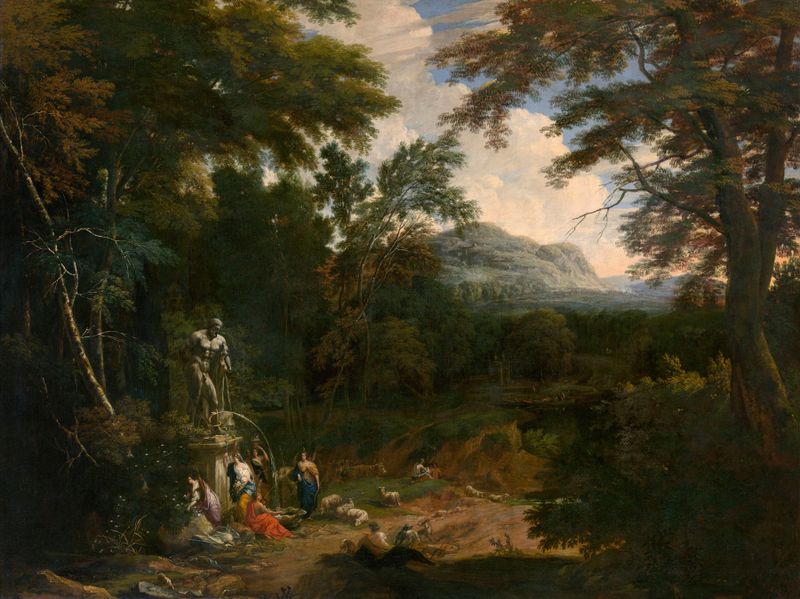
Landscape
Cornelis Huysmans
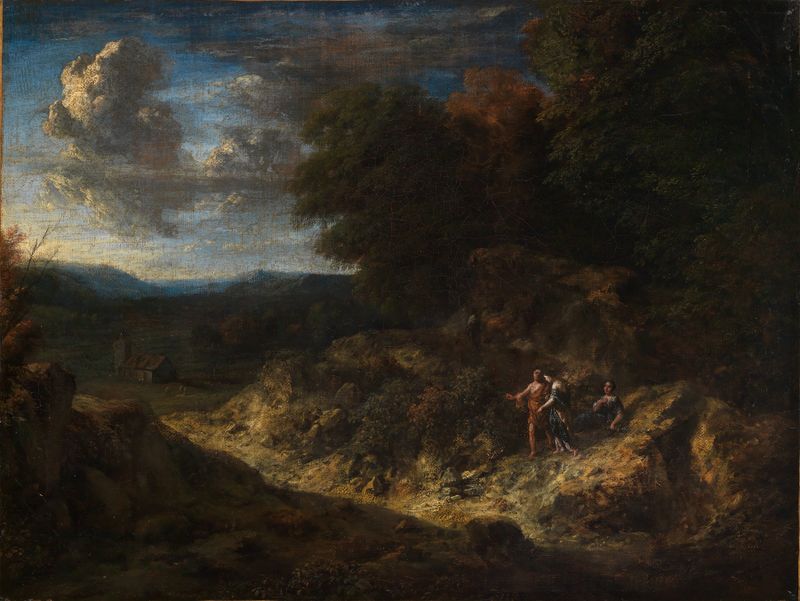
Waldrand mit Hirten
Cornelis Huysmans
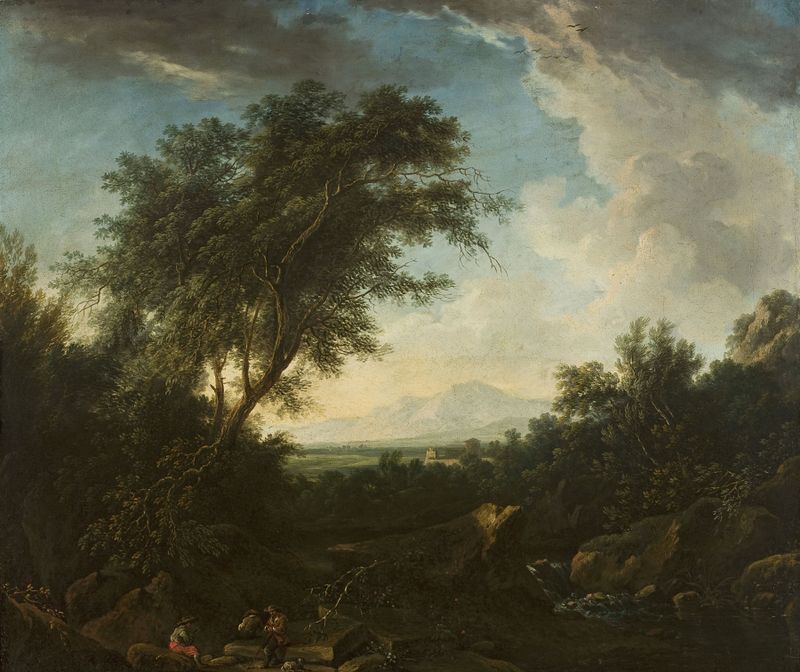
Landscape
Cornelis Huysmans
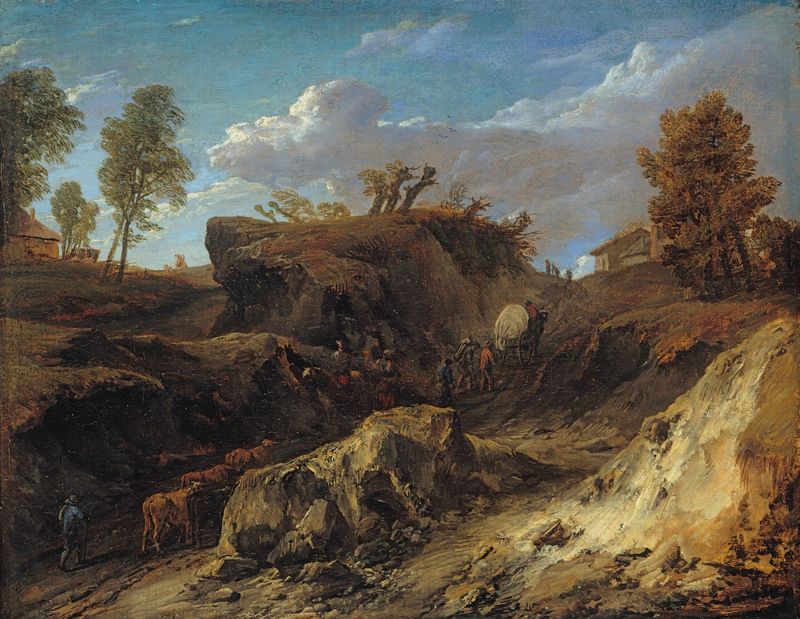
The Hollow Road
Cornelis Huysmans
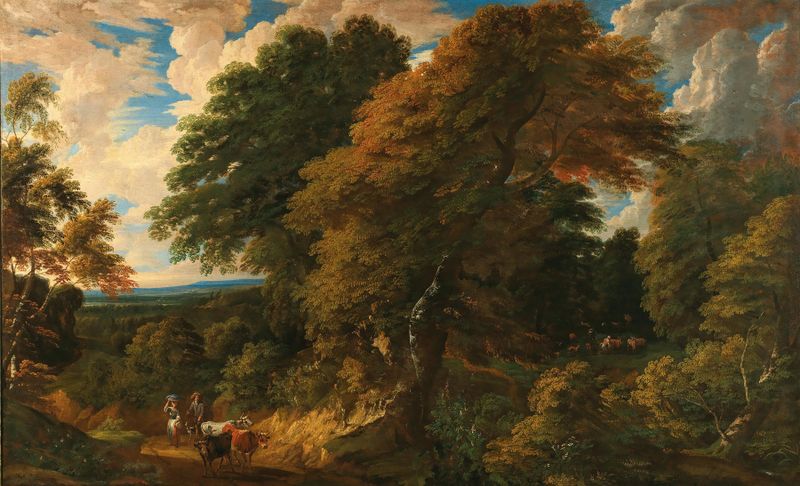
A wooded landscape with peasants and their cattle
Cornelis Huysmans
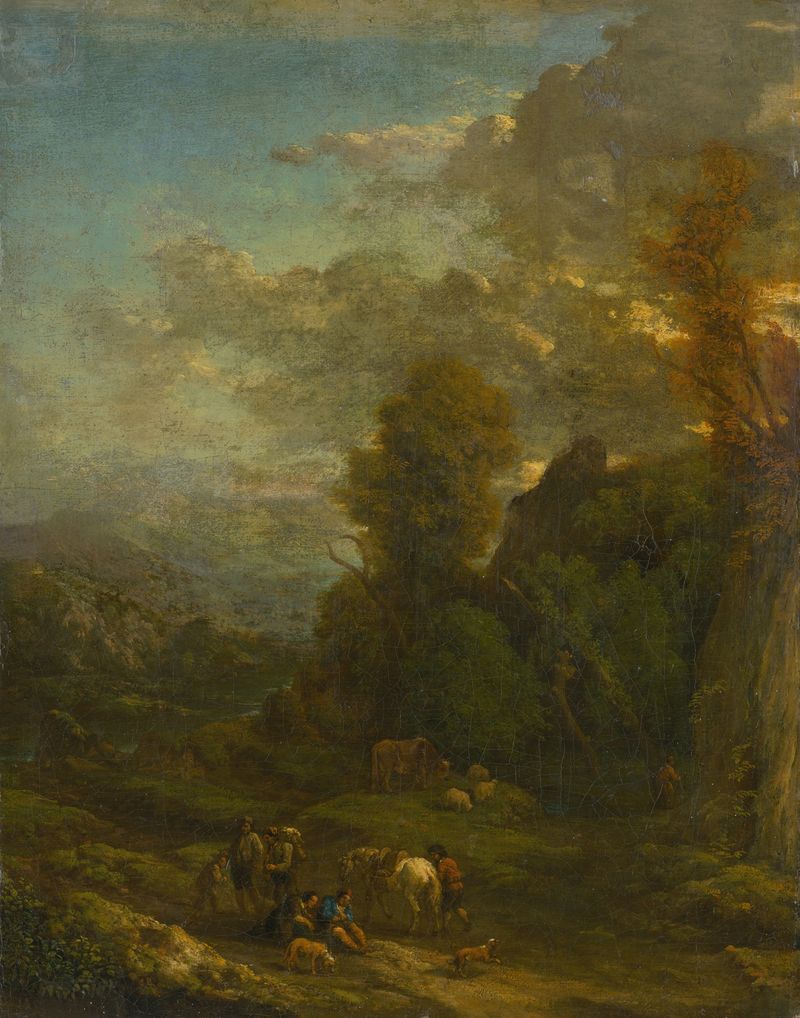
Evening Landscape With Travellers
Cornelis Huysmans
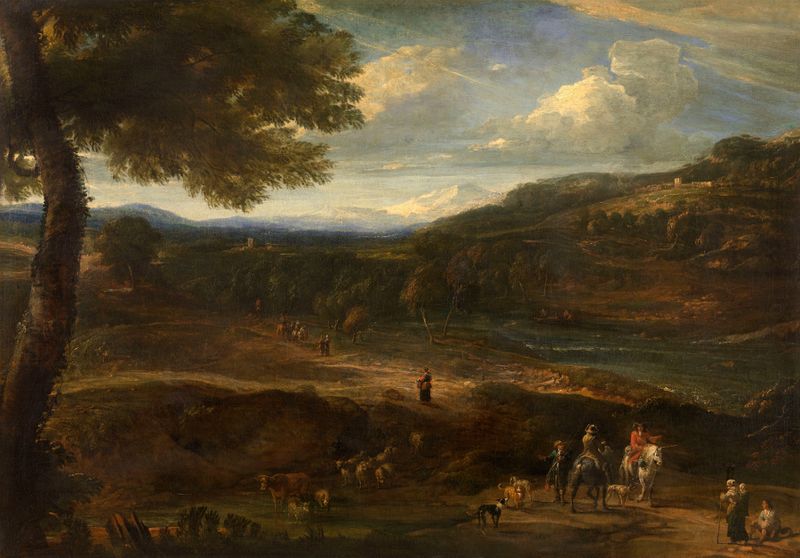
Landscape
Cornelis Huysmans
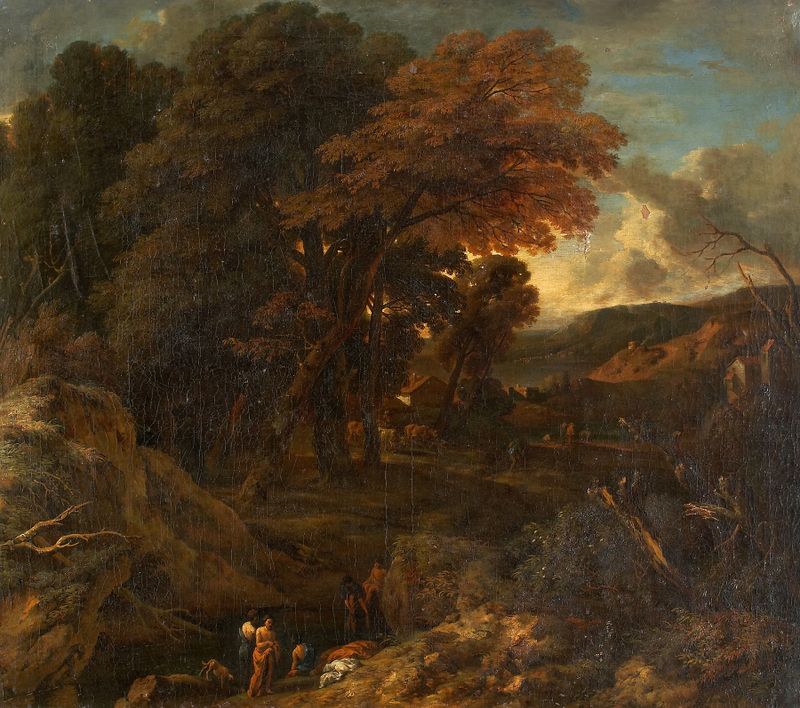
Southern Landscape with Bathers
Cornelis Huysmans
Waldrand mit Blick in eine Ebene und Staffage von Reisenden und Bauern
Cornelis Huysmans





