Landscape — History & Facts
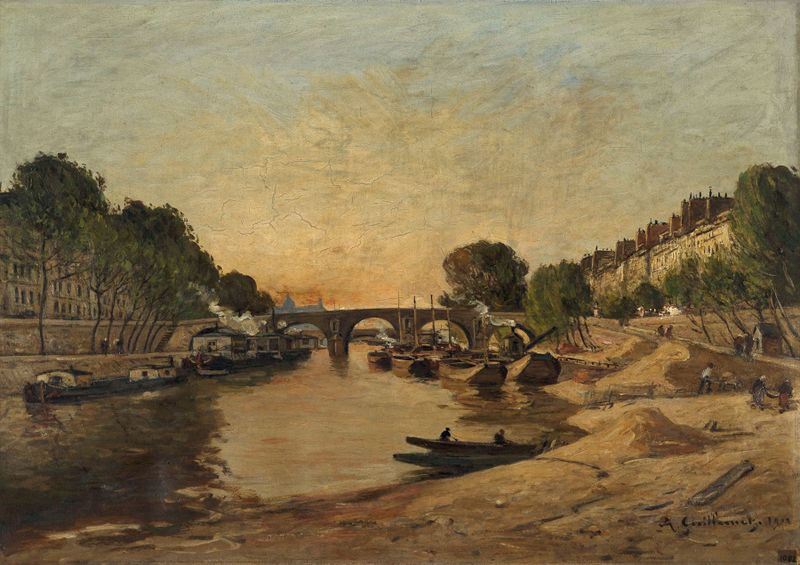
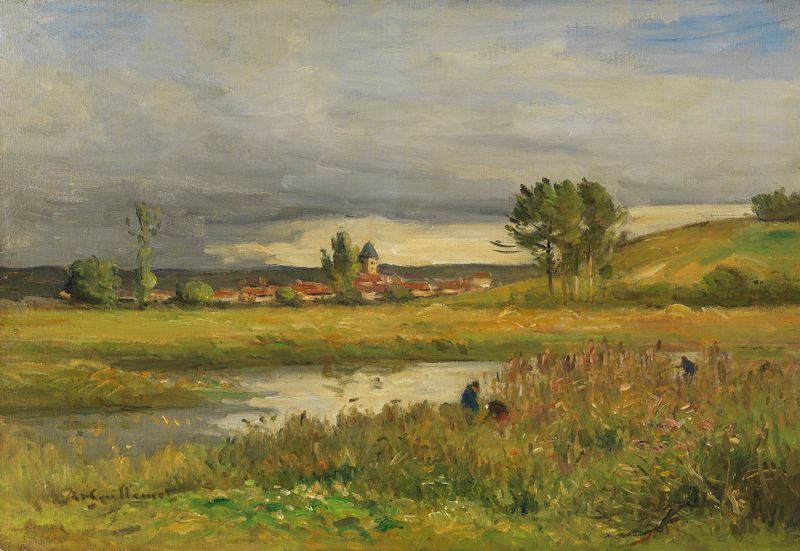
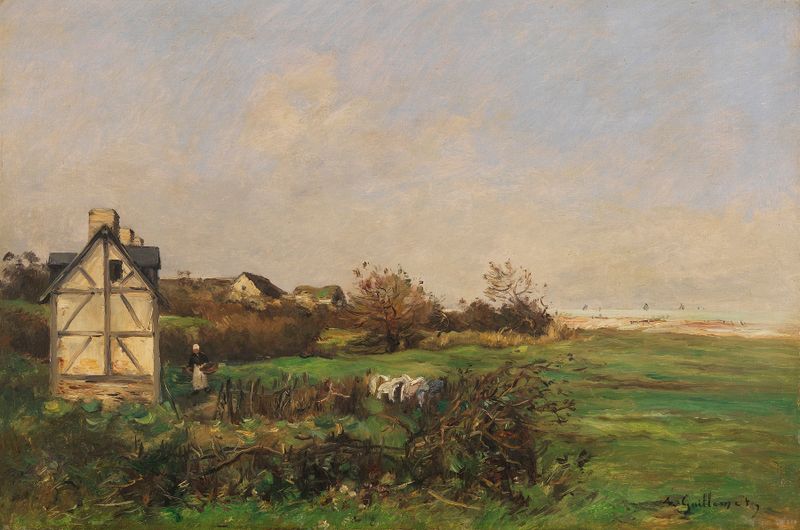
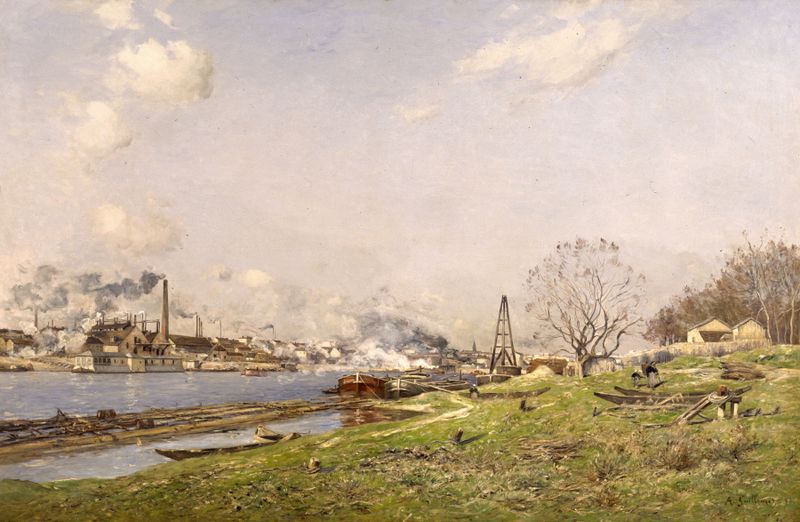
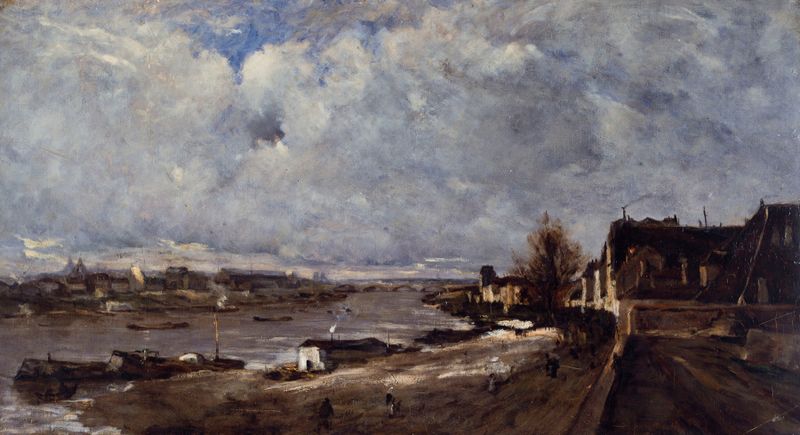
In this quiet moment, it invites us into a realm of awe, where nature unfolds in a symphony of color and light. Look to the left at the rolling hills, their gentle curves bathed in a soft golden hue, perfectly capturing the warm embrace of late afternoon sunlight. The sky, a vivid canvas of blues and whites, stretches above, filled with clouds that seem to dance in a serene ballet. Each brushstroke embodies a deliberate choice, revealing the artist's affinity for impressionistic techniques that celebrate the ephemeral beauty of the natural world. Within the composition lies an emotional tension, a contrast between the serenity of the landscape and the undercurrent of change.
The vibrant greens of the flora speak to life’s vitality, while the distant hills hint at an unknown—an impending season, or perhaps an unresolved longing. This juxtaposition invites the viewer to contemplate their own relationship with nature and the passage of time, encouraging introspection through its tranquil beauty. Antoine Guillemet created this artwork in 1908, during a pivotal time for the Impressionist movement in France. Living in a period marked by rapid industrialization, Guillemet sought to capture the untouched landscapes that were quickly disappearing from the contemporary scene.
His work reflects a deep reverence for nature at a time when artists were grappling with the balance between progress and preservation.