Discover insights about this artwork
Landscape (Paysage) — History & Facts
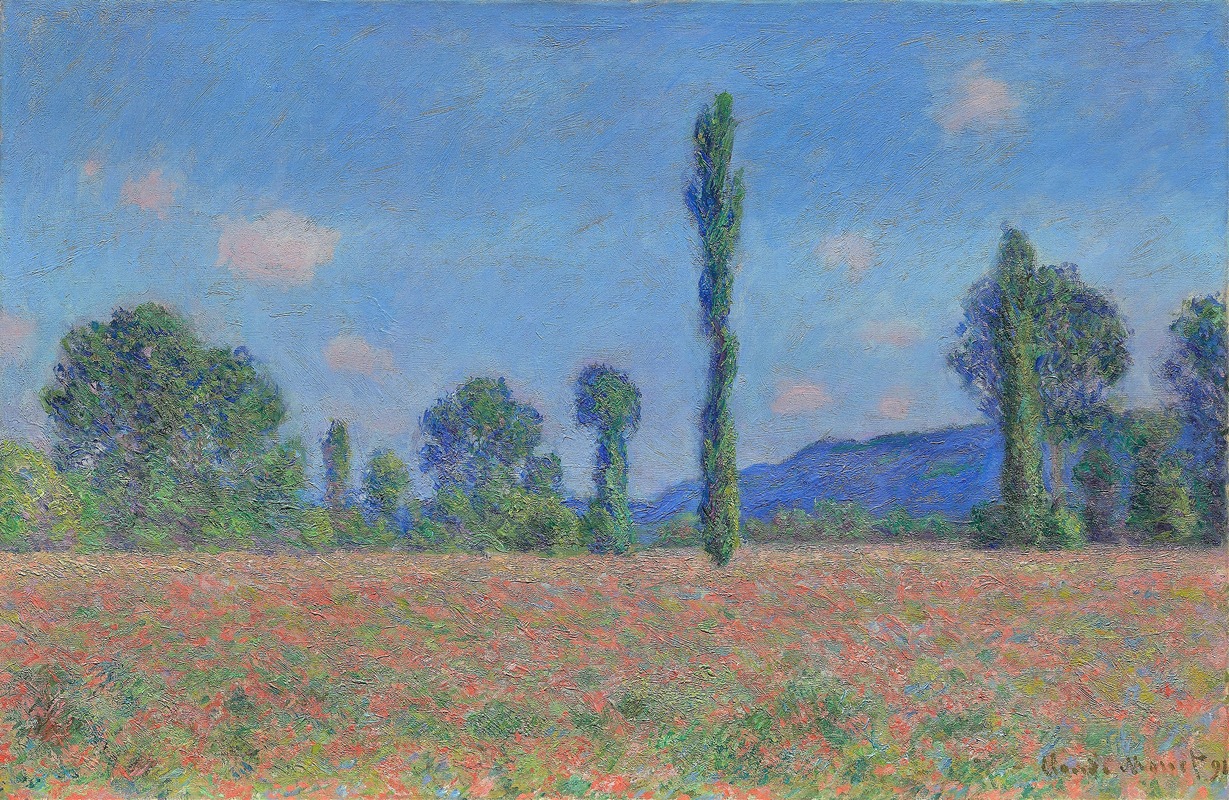
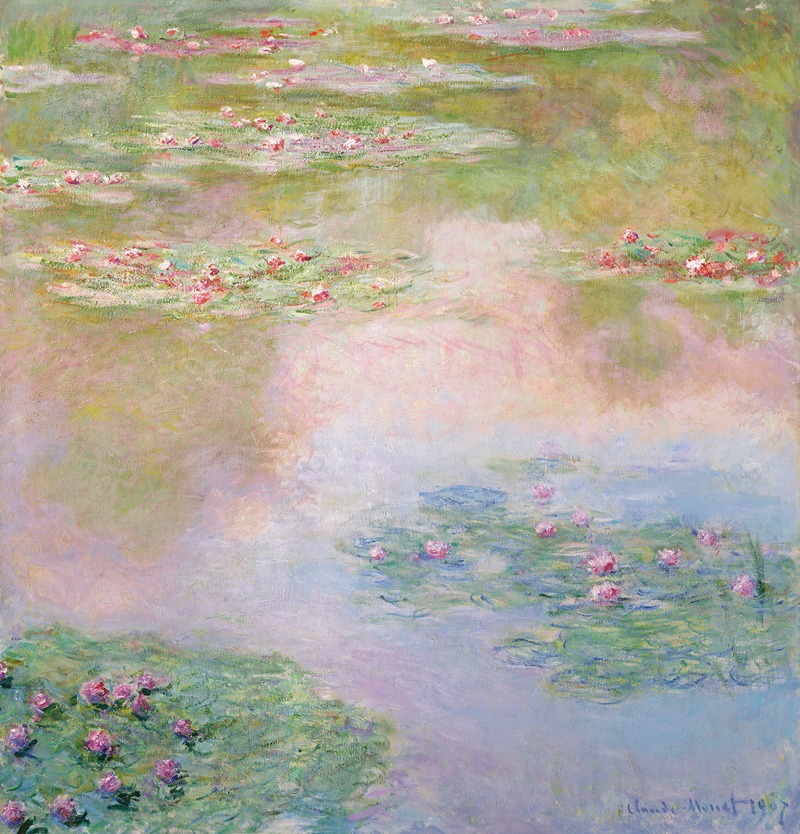
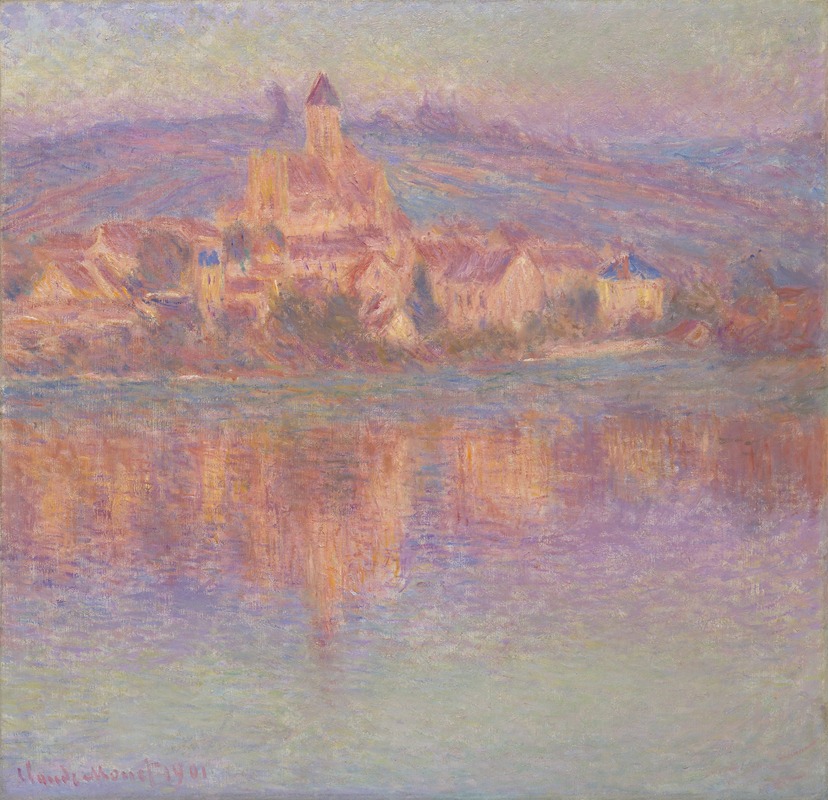
In Landscape (Paysage) by Pierre-Auguste Renoir, the viewer is greeted by a vibrant scene filled with lush greenery and soft, dappled light. The colors are rich and varied, with shades of green, blue, and hints of warm earth tones creating a harmonious atmosphere. The composition is likely to feature trees, fields, and perhaps a distant horizon, inviting the viewer into a serene natural setting.
Figures may be present, enjoying the landscape, typical of Renoir's focus on human interaction with nature. The painting is executed in oil on canvas, a common medium for Renoir, allowing for the fluid brushwork and rich color palette characteristic of Impressionism. The dimensions are approximately 60 x 80 cm, providing a medium-sized canvas that captures the essence of the landscape without overwhelming the viewer. Renoir's technique often involves layering colors to create depth and movement, which can be observed in the way light plays across the foliage and ground.
The brushstrokes are likely loose and expressive, emphasizing the fleeting quality of the scene. Pierre-Auguste Renoir was a leading figure in the Impressionist movement, known for his ability to capture light and color in a way that felt spontaneous and alive. This particular work, created in the 1880s, reflects his mature style, where he began to focus more on the beauty of nature and less on the human figure. An interesting fact about Landscape (Paysage) is that it exemplifies Renoir's transition towards a more relaxed approach to composition, moving away from the tighter, more structured works of his earlier career.
This painting is housed in the Musee d'Orsay, where it continues to inspire viewers with its vibrant depiction of the natural world.
More Artworks by Pierre-Auguste Renoir
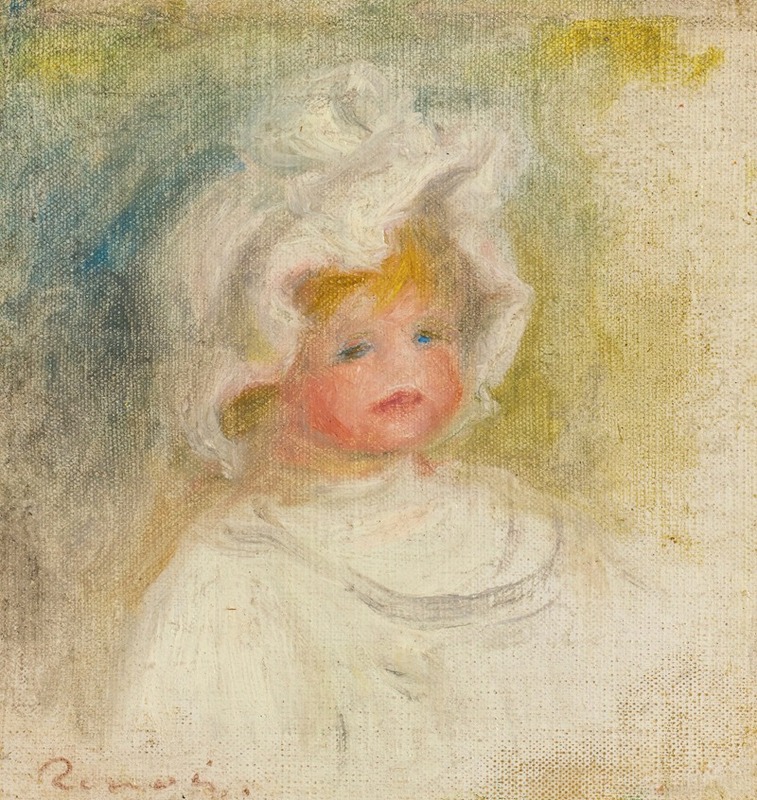
Portrait De Coco Renoir
Pierre-Auguste Renoir
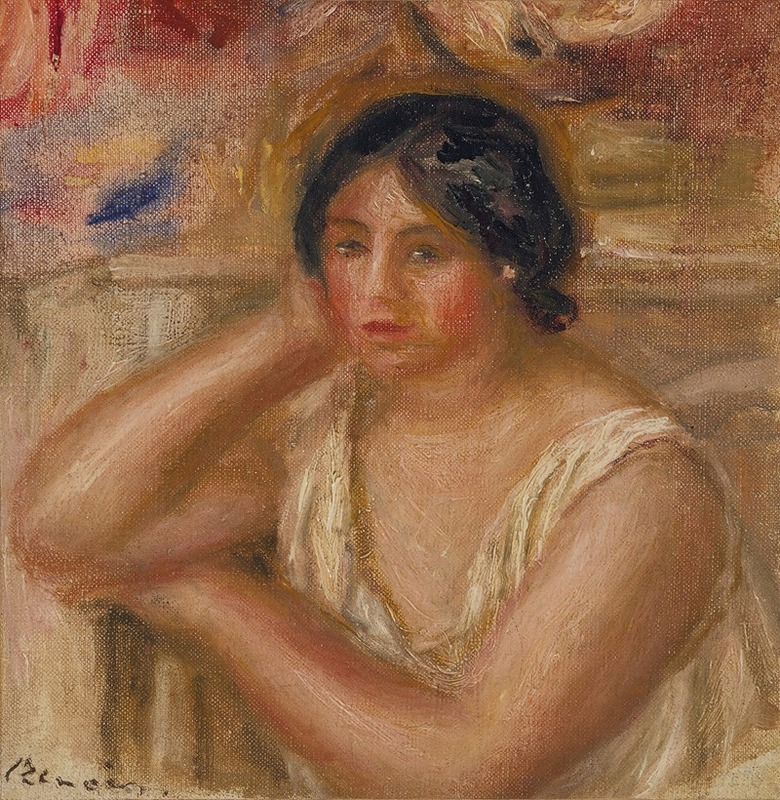
Portrait De Gabrielle
Pierre-Auguste Renoir
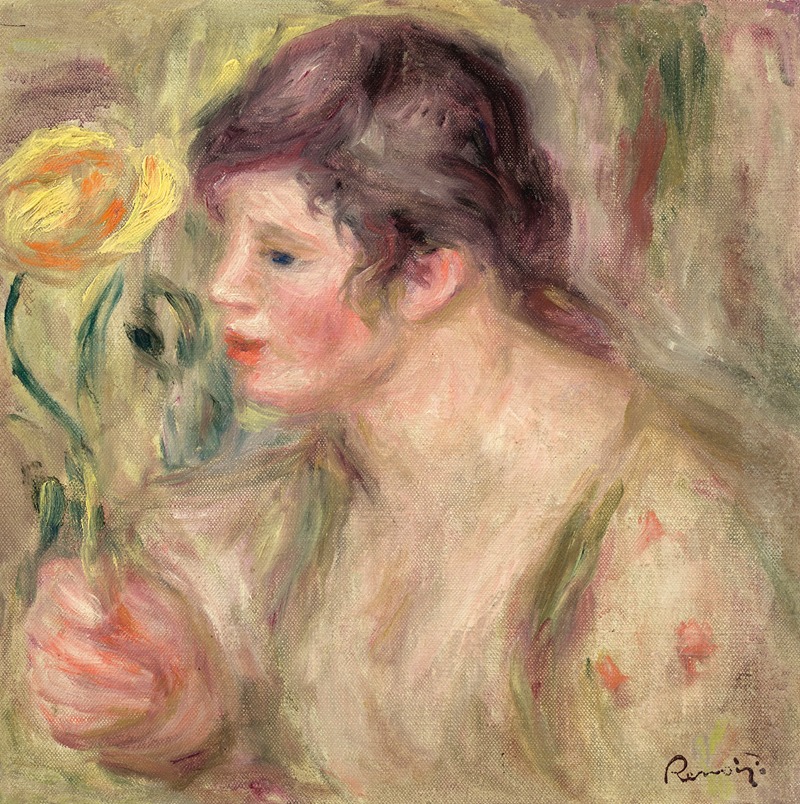
Femme à la rose
Pierre-Auguste Renoir
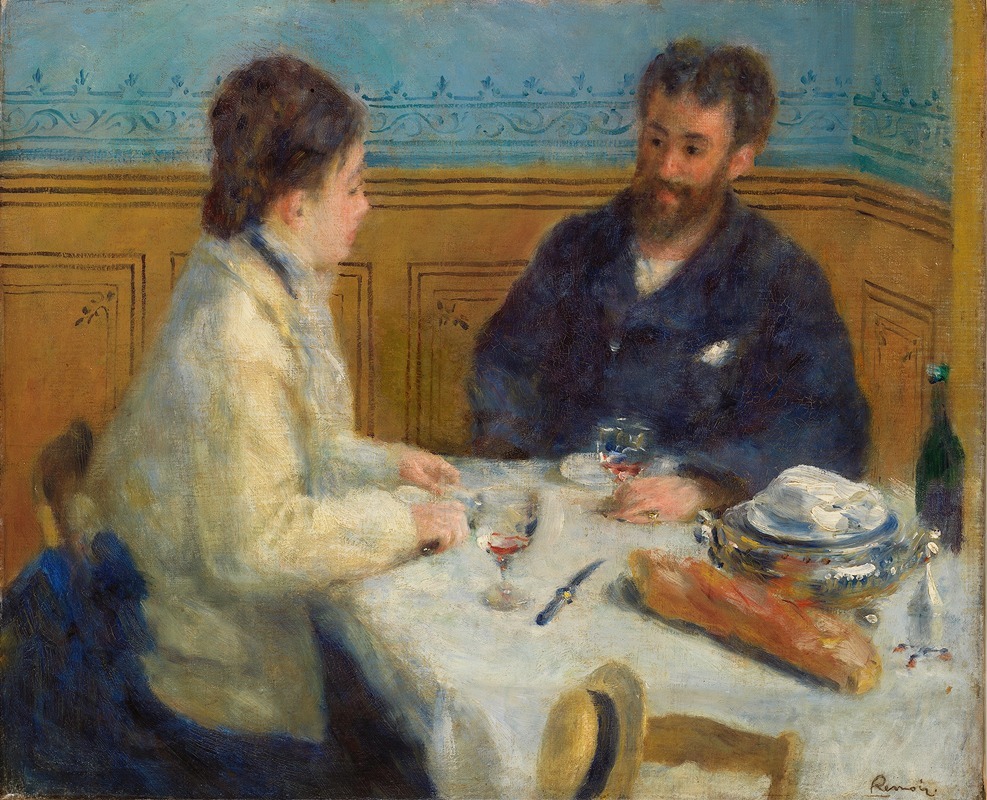
Luncheon (Le Déjeuner)
Pierre-Auguste Renoir
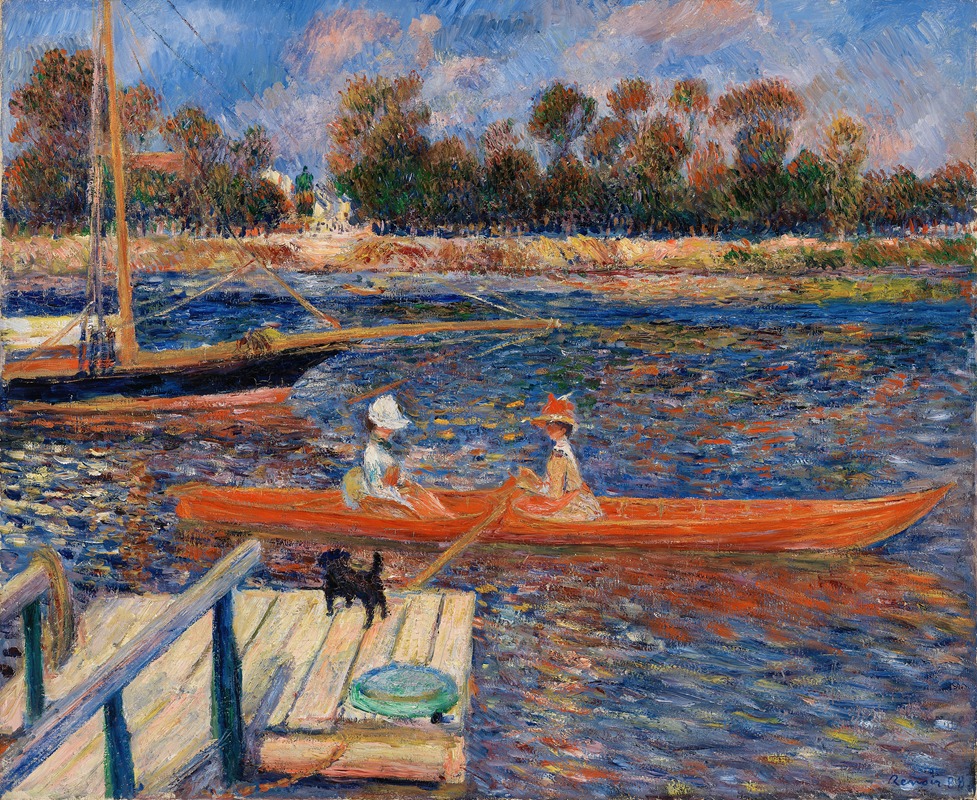
The Seine at Argenteuil (La Seine à Argenteuil)
Pierre-Auguste Renoir
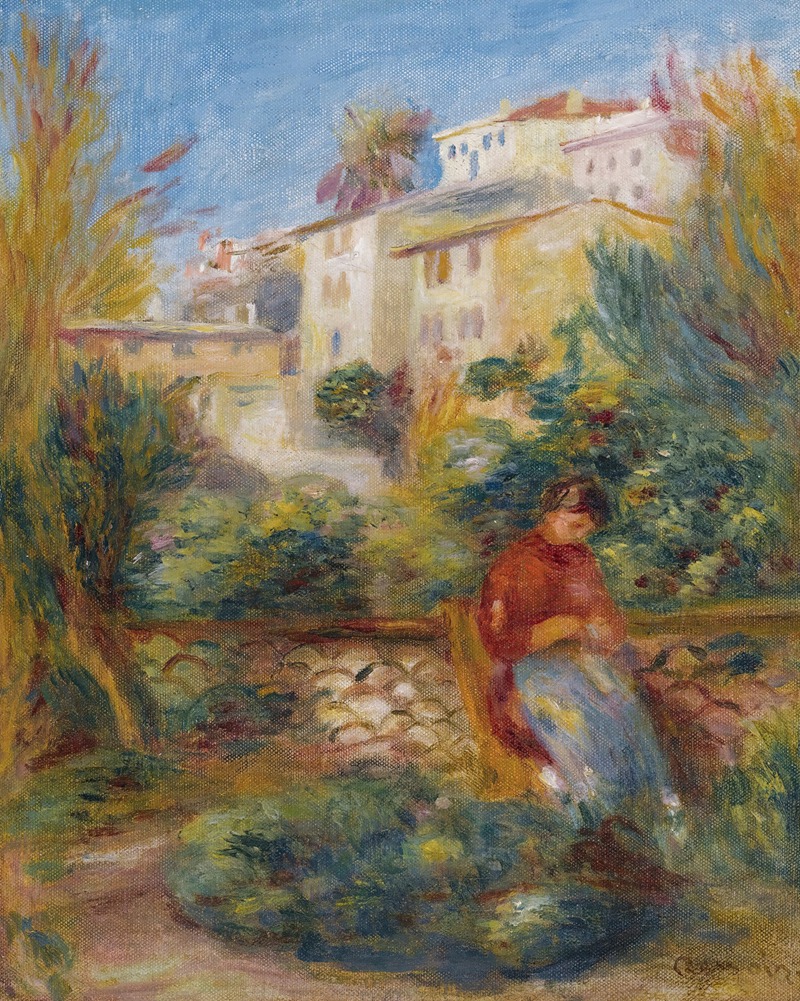
La Terrasse À Cagnes
Pierre-Auguste Renoir
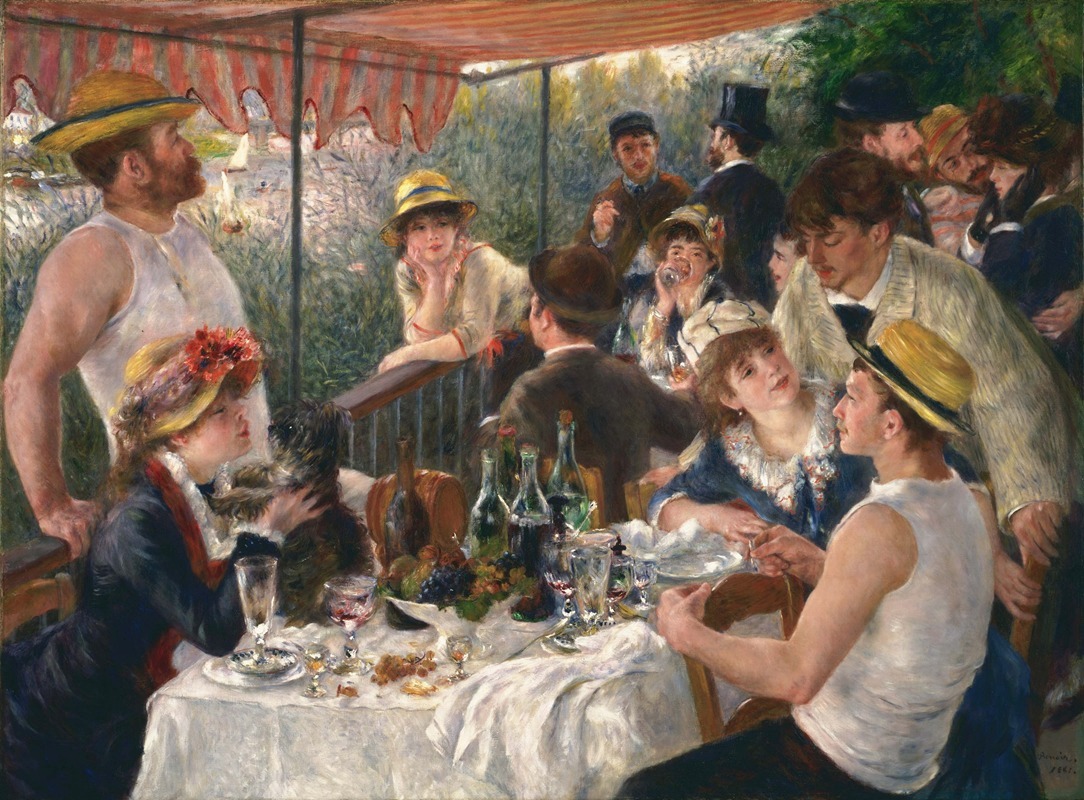
Luncheon of the Boating Party
Pierre-Auguste Renoir
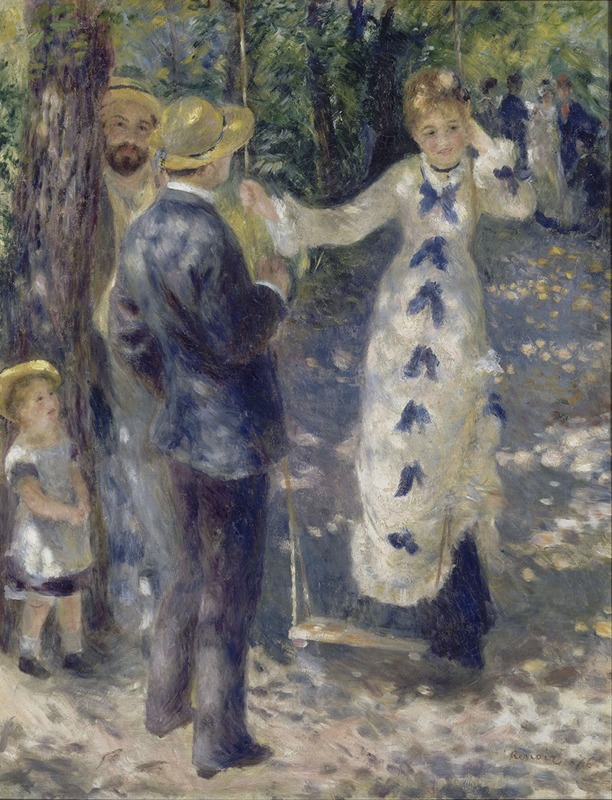
The Swing
Pierre-Auguste Renoir
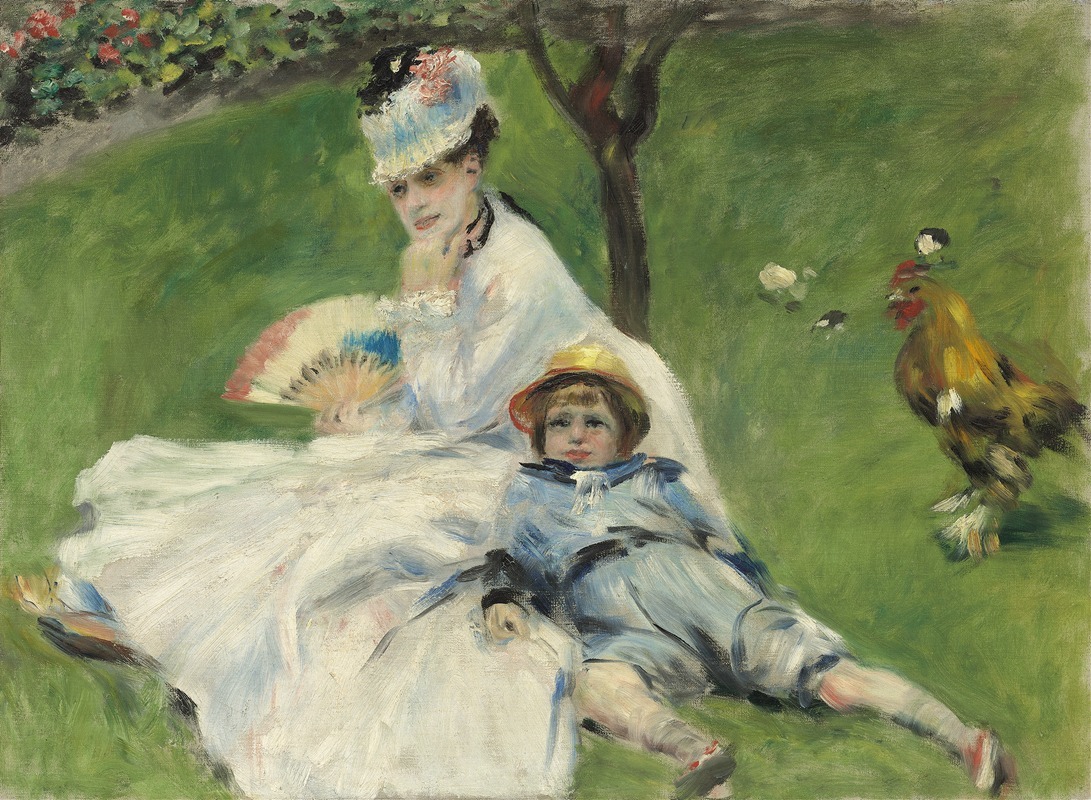
Madame Monet and Her Son
Pierre-Auguste Renoir
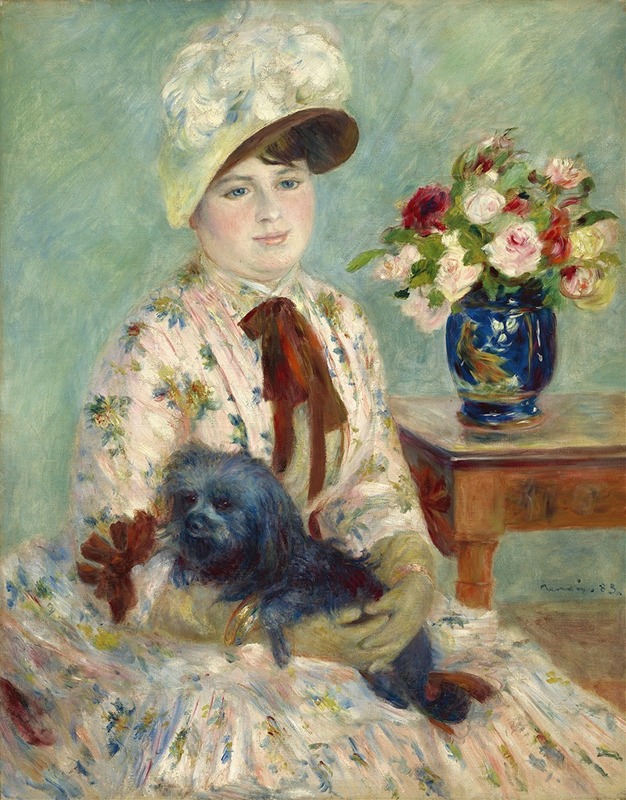
Mlle Charlotte Berthier
Pierre-Auguste Renoir