Landscape representing the Meuse near the commune of Aiglemon — History & Facts
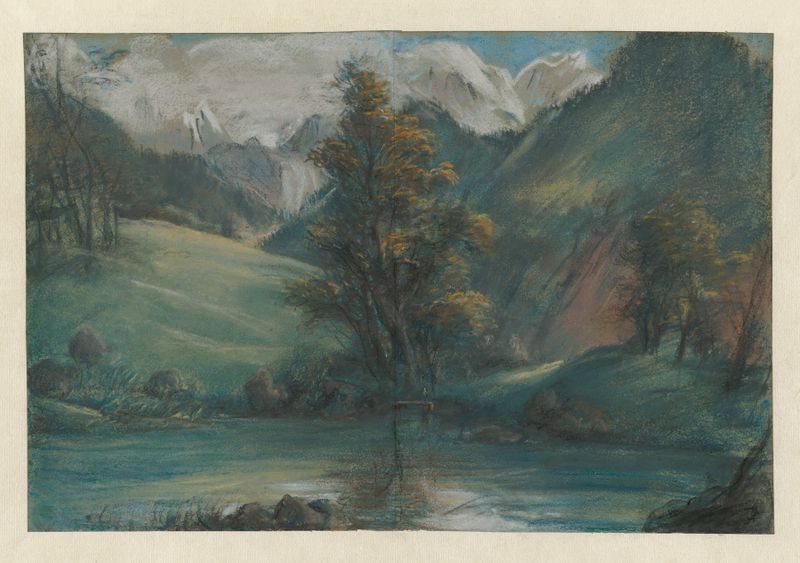
In the delicate interplay of light and shadow, the landscape whispers secrets of time and place, inviting us to lose ourselves in its tranquil embrace. Look to the foreground, where the soft ripples of the Meuse catch glimmers of sunlight, illuminating the water in a dance of shimmering blue and gold. The lush greenery frames the scene, leading the eye upward toward the gentle hills that cradle the village of Aiglemon. The artist’s brushstrokes evoke a sense of serenity, while the skilful gradation of color captures the fleeting moments of dawn or dusk, hinting at an emotional undercurrent beneath the surface. As you delve deeper, notice the contrasting elements at play — the stillness of the water against the gentle movement of the trees, swaying as if in conversation with the wind.
This tension embodies a sense of longing, perhaps for a simpler time or a connection to nature that feels perpetually out of reach. Subtle variations in hue and light bring forth emotions tied to nostalgia, transforming the landscape into a mirror reflecting our innermost yearnings. Elisabeth Louise Vigée Le Brun, celebrated for her portrait work, painted this landscape around the late 18th century, during a pivotal time in her career. After establishing herself at the French court, she traveled throughout Europe, fostering a greater appreciation for landscapes.
This piece stands as a testament to her artistic versatility and the influences of the natural world on her evolving style, reflecting a time when women began to gain recognition as serious artists.