Paysage montagneux — History & Facts
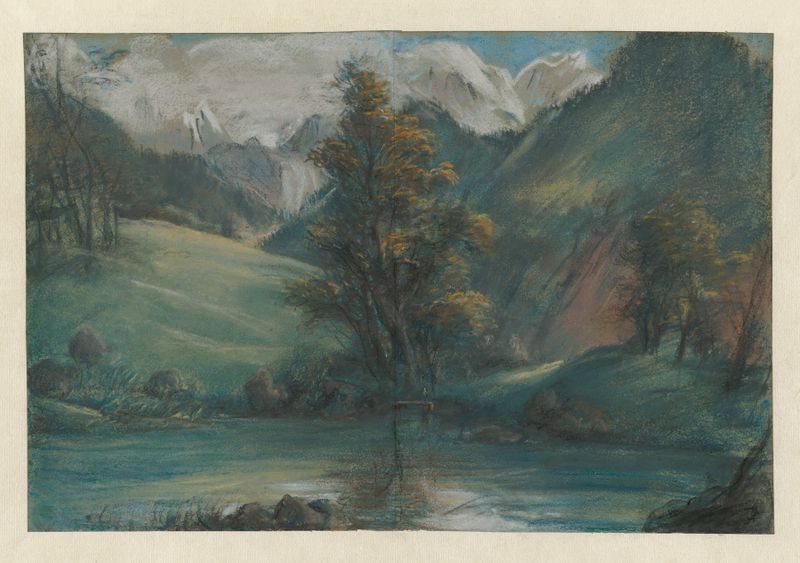
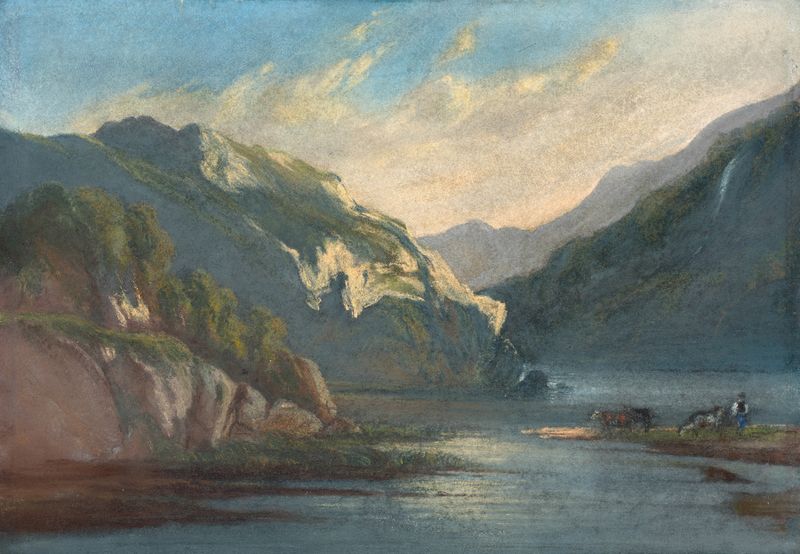
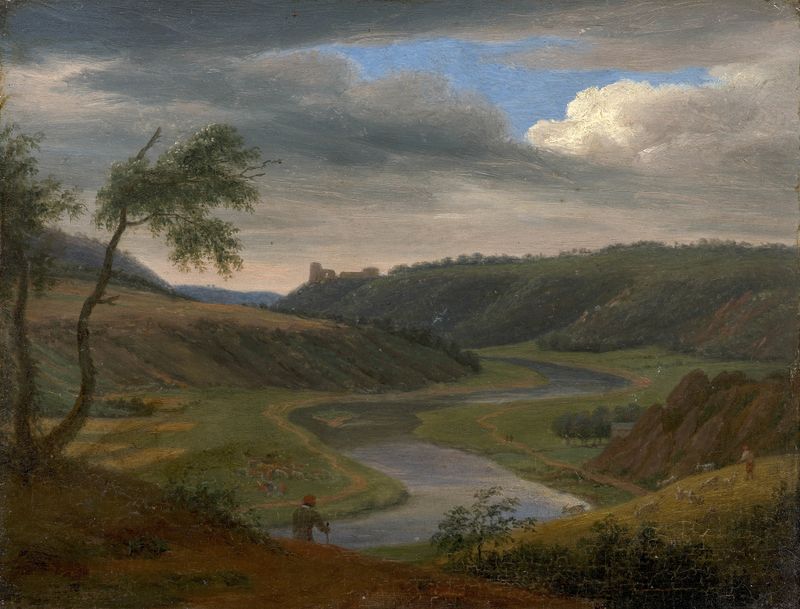
Such is the weight of memory, shadowed by the turbulence of emotions that paint our existence. The transient beauty of nature often masks a violence just beneath the surface, a reminder of life's fragility and the storms that shape it. Look to the foreground; the vibrant green of the hills dances with flecks of sunlight, each stroke pulsating with life. The distant mountains rise majestically, their peaks kissed by a soft, ethereal light that suggests both hope and foreboding.
Notice how the clouds swirl above, a dynamic interplay of light and shadow, capturing the tension between tranquility and turmoil. Vigée Le Brun’s deft use of color and texture creates a landscape that feels alive, almost breathing under the gaze of the viewer. Delve deeper into the contrasts that lie within the scene. The serene beauty of the landscape belies the potential chaos of nature's forces; the juxtaposition of lush foliage next to jagged cliffs embodies the duality of creation and destruction.
Tucked in the folds of the hills, one might sense the echoes of historical violence—battles fought over land that once seemed untouched. This landscape speaks to the resilience of beauty, even when it serves as a backdrop to human strife. Painted during a period of personal and societal upheaval, the artist created this work, likely in the late 18th century, when France was on the brink of revolution. Vigée Le Brun found her voice amid a male-dominated art world and embraced her identity as a female artist, navigating the complexities of her time while capturing the sublime essence of the natural world.