Landscape solitude — History & Facts
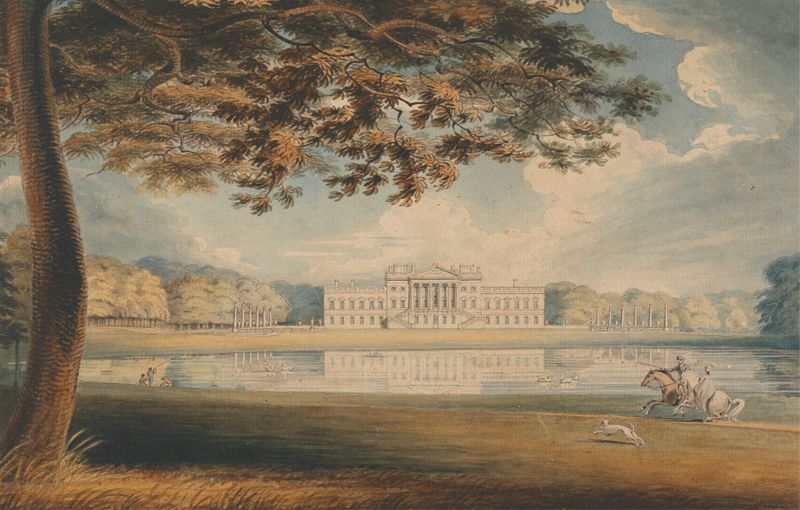
Who listens when art speaks of silence? In the stillness of Landscape Solitude, a fragile world unfurls, inviting viewers to ponder their own place within it. Look to the center where a solitary figure stands, dwarfed by the vastness of nature. The gentle, muted greens and browns harmonize, while wisps of clouds in soft blues dance overhead, drawing one's gaze outward. Notice how the play of light creates a serene ambiance, softly illuminating the contours of the landscape, suggesting both warmth and isolation.
The composition balances the majesty of the natural world with the vulnerability of the lone inhabitant, stirring a deep empathy. At a closer inspection, the uneven brushstrokes evoke a sense of fragility and transience, as if the scene itself could dissolve into nothingness. The contrast between the figure's stillness and the dynamic sky above hints at the tension between human existence and the overwhelming forces of nature. Each detail—the delicate branches, the subtle ripples in the grass—whispers of a profound loneliness and the search for connection within an expansive, indifferent environment. In 1811, Richard Westall painted this work during a period when Romanticism was flourishing, emphasizing emotion and the sublime.
As he explored themes of solitude and introspection, Westall was deeply influenced by the changing world around him—a time of industrial expansion that often led to alienation. This piece reflects his personal journey as an artist navigating his own sense of isolation in an evolving society.