Wanstead House — History & Facts
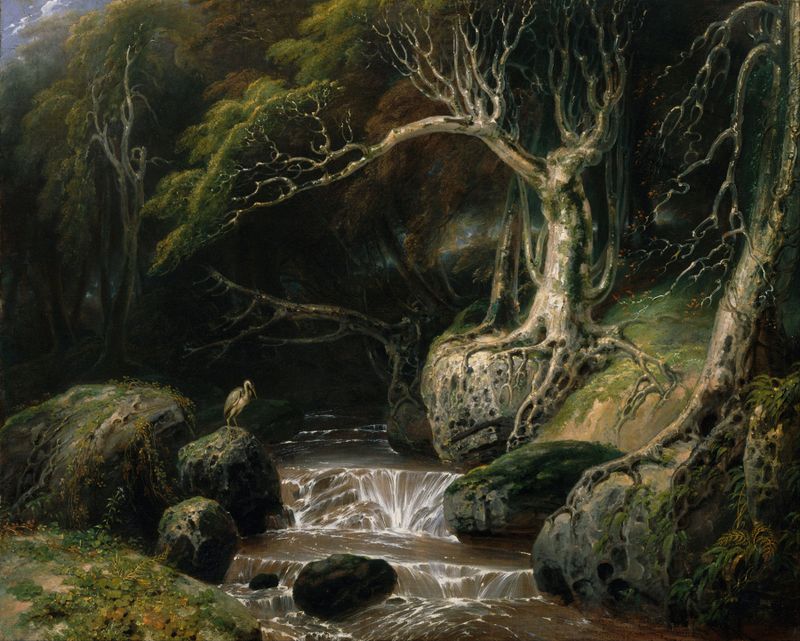
When did color learn to lie? In a world drenched in the hues of optimism and despair, Wanstead House unfolds a narrative brimming with the promise of hope, yet shrouded in layers of complexity. Look to the left, where the sunlight cascades through the branches, filtering into the soft greens of the garden. The majestic structure of the house looms quietly in the background, its brick facade painted in a warm embrace of ochres and browns that evoke nostalgia. Notice how the meticulous brushwork captures the texture of the foliage—each leaf dances with life, contrasting against the solid, unyielding lines of the architecture.
It’s a delicate interplay between the vitality of nature and the permanence of man’s creation. Beneath the surface, the painting speaks to the tension between the fleeting beauty of the moment and the weight of history. The vibrant colors suggest an idyllic setting, yet the looming edifice may symbolize the permanence of human ambition, hinting at the stories and lives that have unfolded within its walls. The garden, lush yet carefully manicured, represents the duality of nature and nurture—the hope that emerges when humanity and nature coexist harmoniously, even as history has often played its cruel hand. Created during a period when the British art scene was navigating the transition from Neoclassicism to Romanticism, Wanstead House emerged in the midst of Richard Westall's artistic evolution.
He painted this work likely in the early 19th century, a time of shifting societal values and burgeoning interest in the interplay between landscape and architecture. Westall’s life was marked by exploration and experimentation, making his work a testament to the era’s complex relationship with hope, beauty, and the passage of time.