
Landscape with a Windmill — History & Facts
When did color learn to lie? In the vibrant interplay of hues and forms, reality bends, inviting us to ponder the veracity of perception itself. Look to the left at the windmill, its sails stretched wide, painted in bold strokes of white and blue that contrast with the verdant greens of the landscape. Notice how the soft yellows of the sun-drenched field blend seamlessly into the darker, brooding clouds hovering in the distance. The composition draws your eye outward, inviting exploration of the horizon while framing the windmill as a steadfast sentinel amidst nature’s evolving drama. As you delve deeper, the painting reveals layers of meaning.
The windmill, a symbol of industriousness, stands in stark contrast to the serene fields and turbulent sky, suggesting a tension between human endeavor and the uncontrollable forces of nature. The brushwork, both precise and spontaneous, echoes the duality of creation—where structure meets chaos, and where the artist’s hand wrests control from the elements. Each stroke becomes a dialogue between stability and movement, reminding viewers that beauty often resides in the in-between. Heinrich-Ludwig von Gleichen-Russworm created this work in 1888, during a period of significant artistic transition.
Living in Europe, he experienced the rise of Impressionism, which encouraged exploration of light and color over realism. In this context, the artist engaged with evolving perceptions of nature’s representation, reflecting the shifting currents of thought that echoed across the continent.
More Artworks by Heinrich-Ludwig von Gleichen-Russworm
Browse all →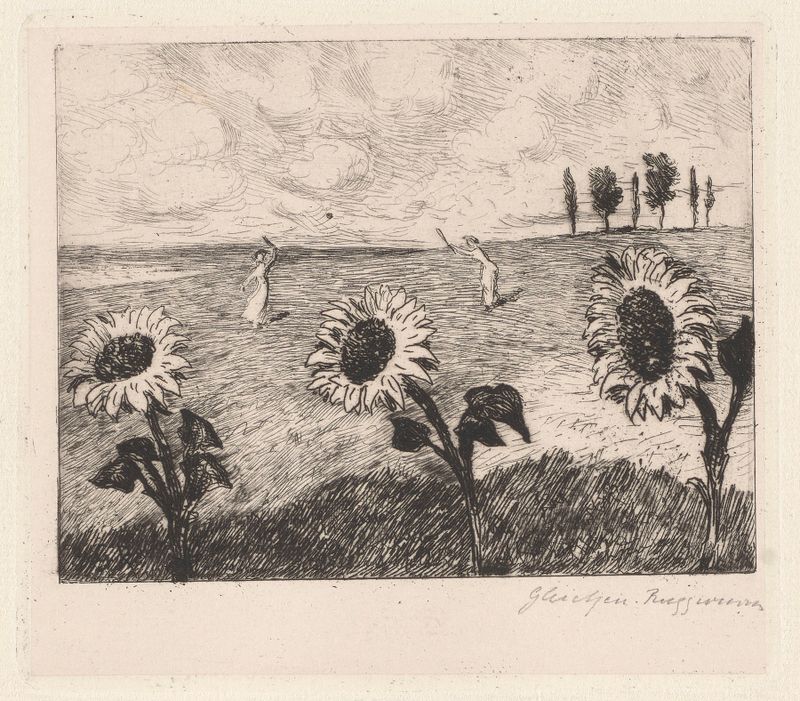
Landscape with Sunflowers
Heinrich-Ludwig von Gleichen-Russworm

Landscape with a Shepherd Seen from the Back
Heinrich-Ludwig von Gleichen-Russworm
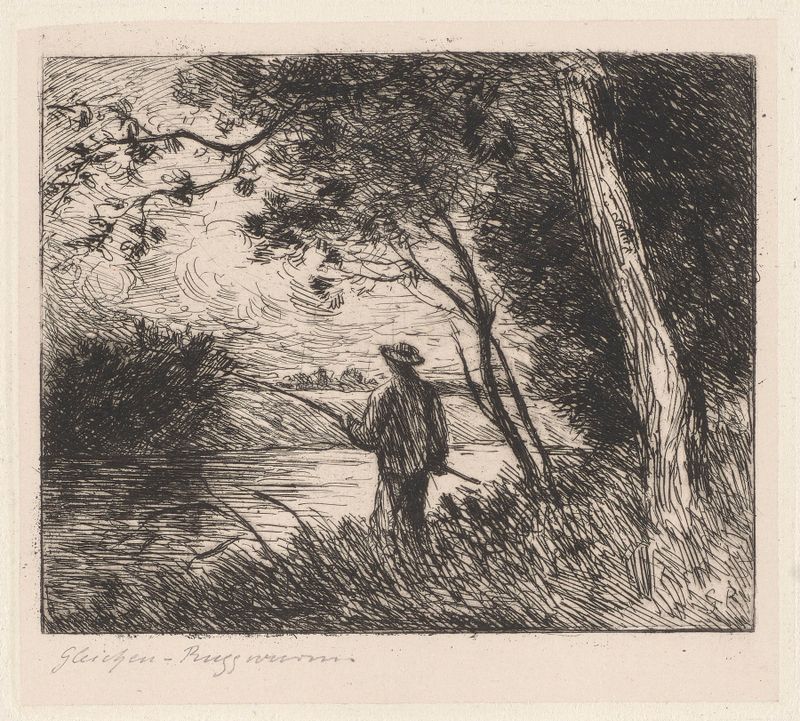
Landscape with an Angler
Heinrich-Ludwig von Gleichen-Russworm
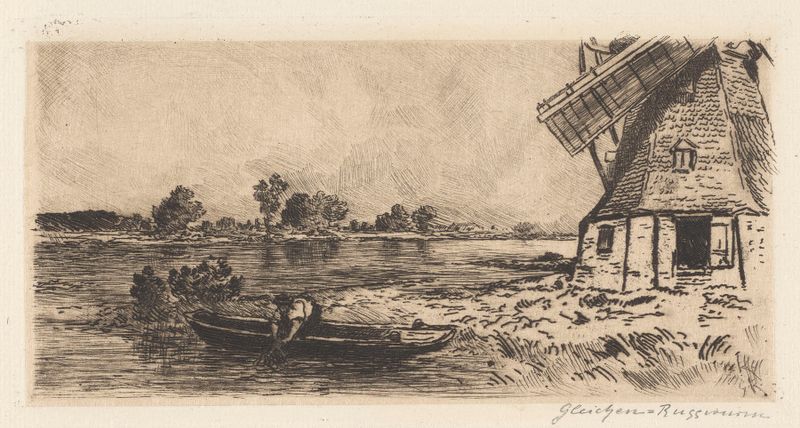
Landscape with an Angler
Heinrich-Ludwig von Gleichen-Russworm

Women in the forest carrying brushwood
Heinrich-Ludwig von Gleichen-Russworm
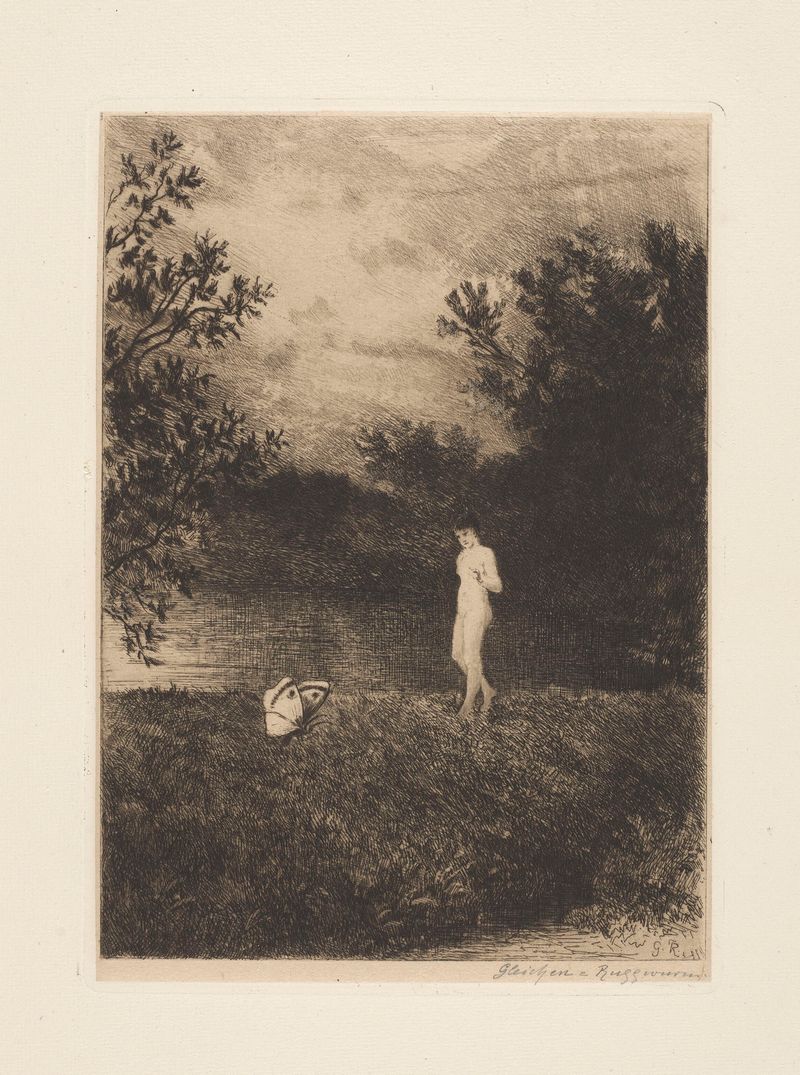
Fantastical Landscape with a Girl and a Butterfly
Heinrich-Ludwig von Gleichen-Russworm

City Landscape with a Horse Cab
Heinrich-Ludwig von Gleichen-Russworm

Landscape with Sailing Ships
Heinrich-Ludwig von Gleichen-Russworm
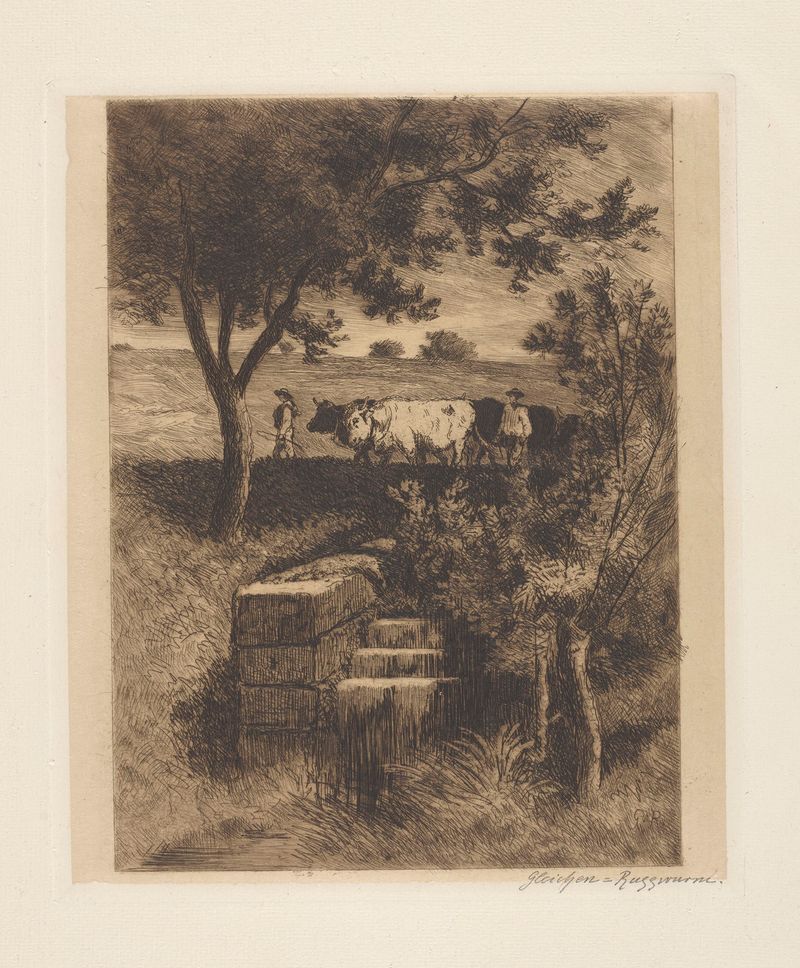
Landscape with Shepherds Leading the Herd
Heinrich-Ludwig von Gleichen-Russworm

Woman Working in the Garden
Heinrich-Ludwig von Gleichen-Russworm





