
Women in the forest carrying brushwood — History & Facts
What if silence could speak through light? In Women in the forest carrying brushwood, the artist captures an ethereal moment where the ordinary melds with the transcendent, illuminating the depth of human experience within the natural world. Look to the left, where the figures of the women emerge from a dappled interplay of shadows and sun. Their silhouettes are defined yet delicate, harmonizing with the forest's vibrant greens and browns. Notice how the light filters through the trees, illuminating their faces with a soft glow.
This careful balance of light and dark draws us into their serene toil, inviting contemplation of their strength and grace amidst the surrounding wilderness. At first glance, the act of carrying brushwood may seem mundane, but delve deeper into the expressions etched on their faces — a mix of determination and quiet reverie. The contrast between their labor and the tranquil setting speaks volumes about resilience and the sacred nature of routine. The way the brushwood is gathered hints at a connection to the earth, a reverence for nature that transcends time, suggesting that these moments are vital threads in the tapestry of life. In 1875, as Heinrich-Ludwig von Gleichen-Russworm painted this work in Germany, he reflected a growing interest in the depiction of rural life and the struggles of women in a rapidly modernizing society.
The art world was experiencing shifts towards realism, and von Gleichen-Russworm's focus on the intimate bond between humanity and nature aligns with these evolving themes, marking a significant moment in the late 19th-century artistic landscape.
More Artworks by Heinrich-Ludwig von Gleichen-Russworm
Browse all →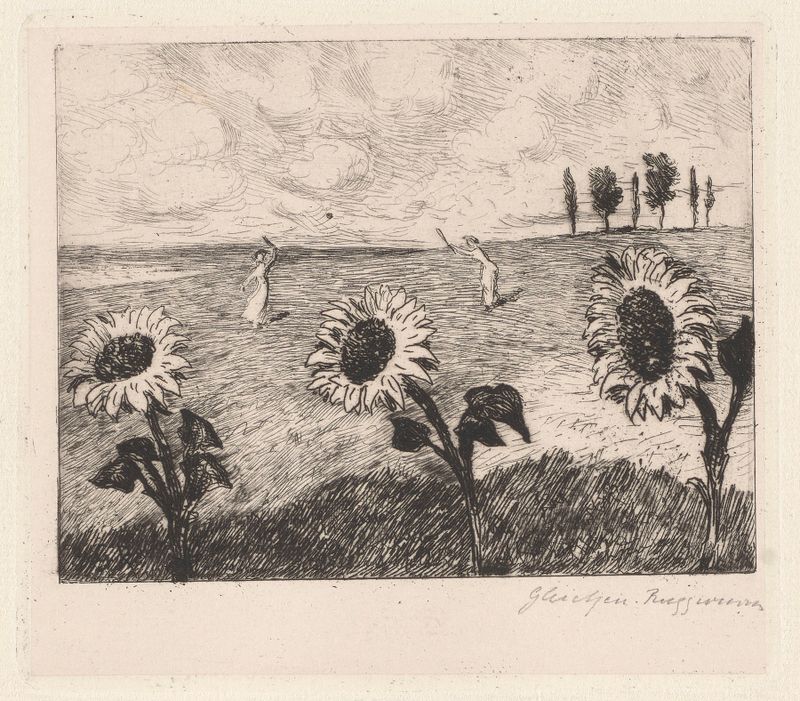
Landscape with Sunflowers
Heinrich-Ludwig von Gleichen-Russworm

Landscape with a Shepherd Seen from the Back
Heinrich-Ludwig von Gleichen-Russworm
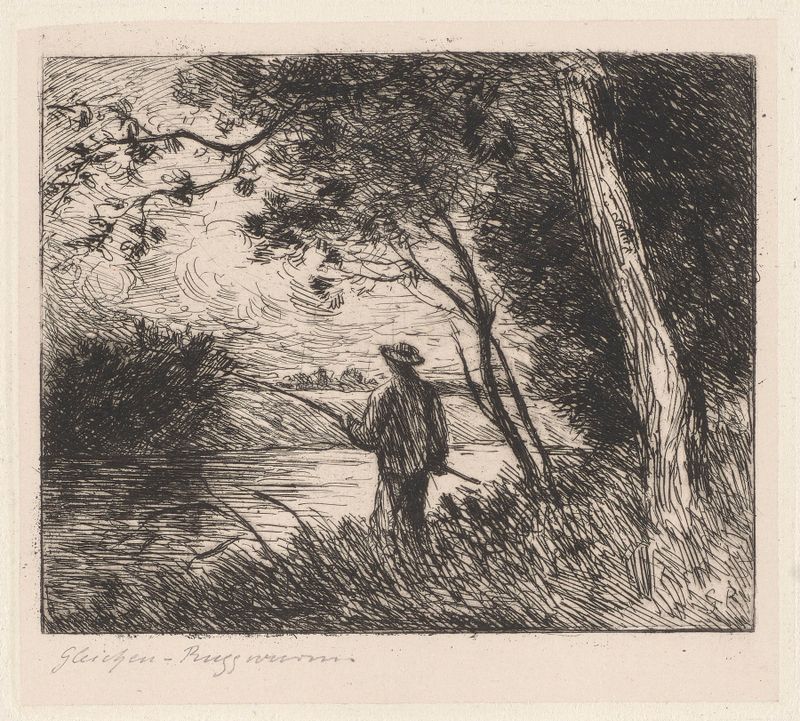
Landscape with an Angler
Heinrich-Ludwig von Gleichen-Russworm
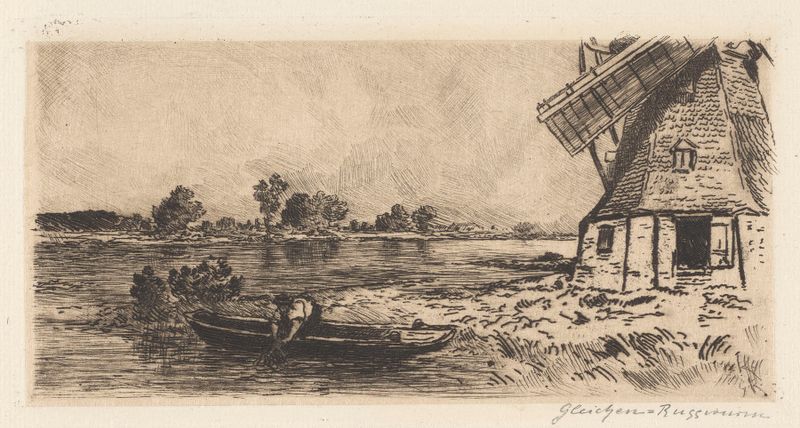
Landscape with an Angler
Heinrich-Ludwig von Gleichen-Russworm
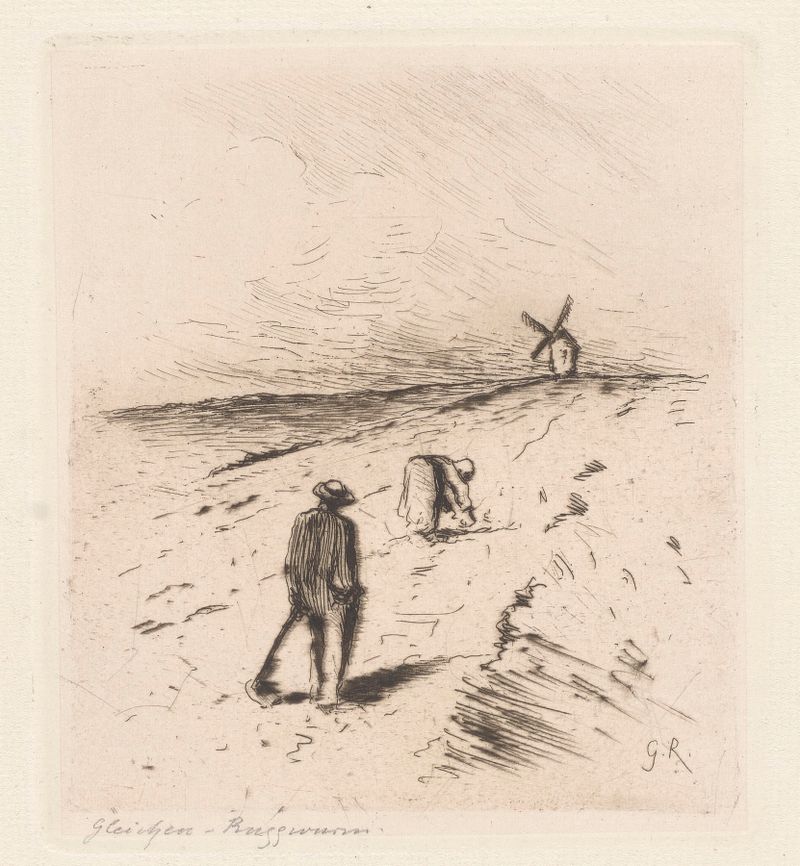
Landscape with a Windmill
Heinrich-Ludwig von Gleichen-Russworm
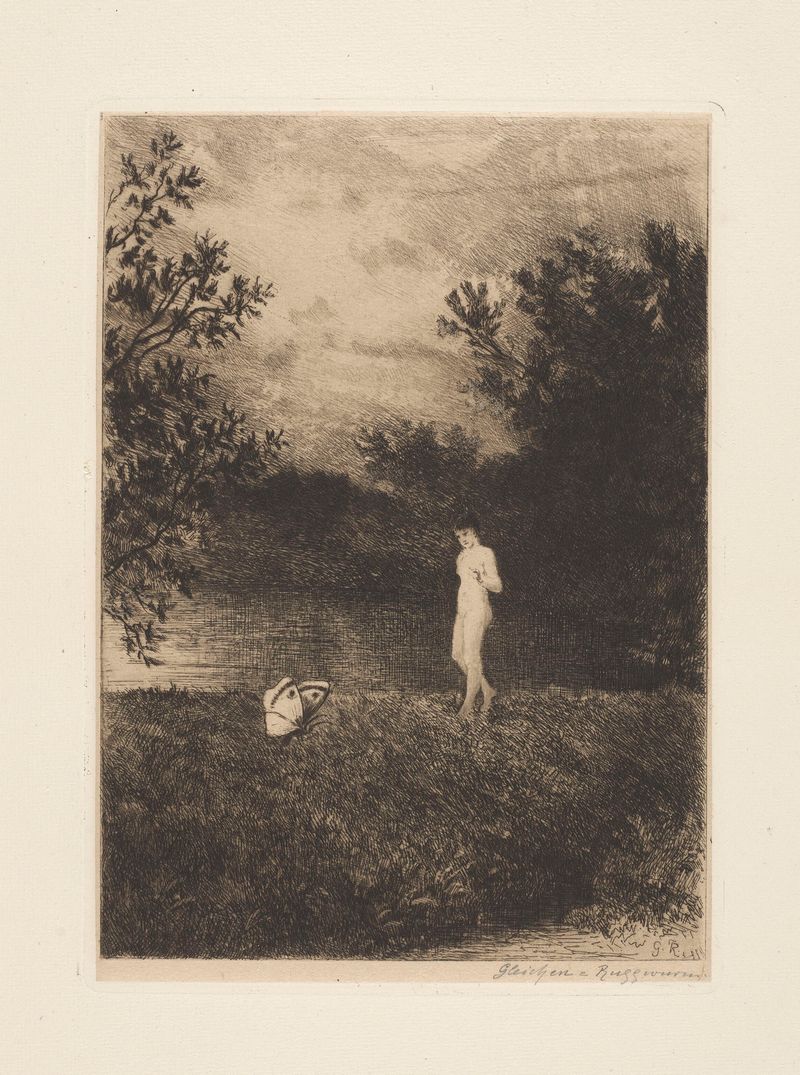
Fantastical Landscape with a Girl and a Butterfly
Heinrich-Ludwig von Gleichen-Russworm

City Landscape with a Horse Cab
Heinrich-Ludwig von Gleichen-Russworm

Landscape with Sailing Ships
Heinrich-Ludwig von Gleichen-Russworm
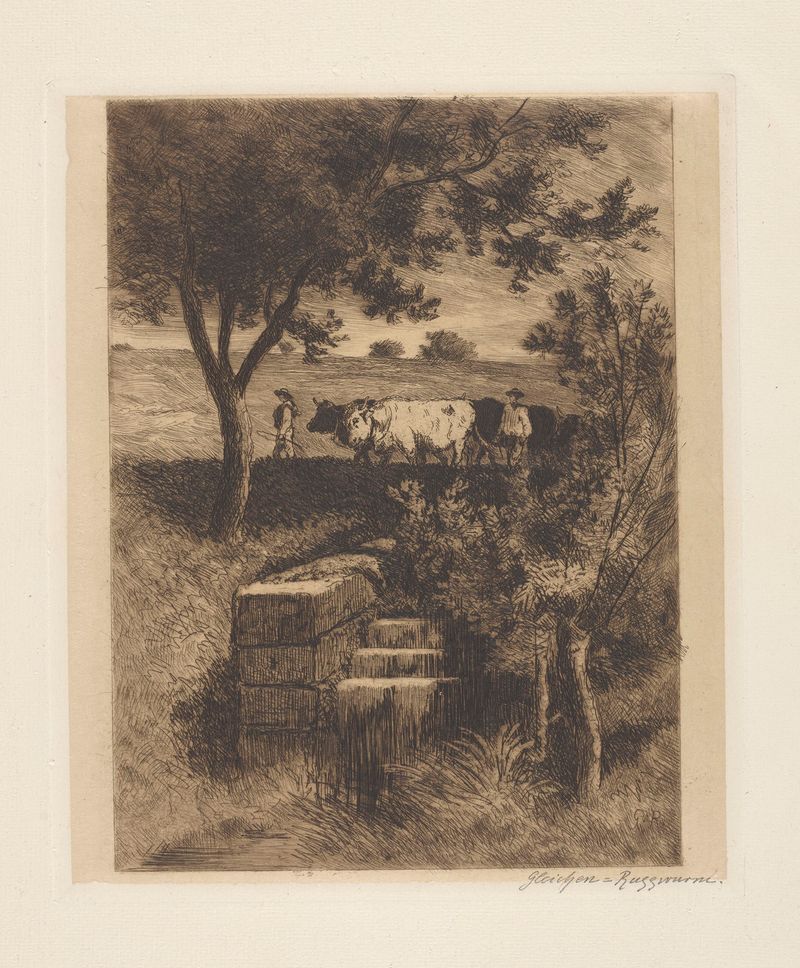
Landscape with Shepherds Leading the Herd
Heinrich-Ludwig von Gleichen-Russworm

Woman Working in the Garden
Heinrich-Ludwig von Gleichen-Russworm





