Landscape with a Windmill — History & Facts
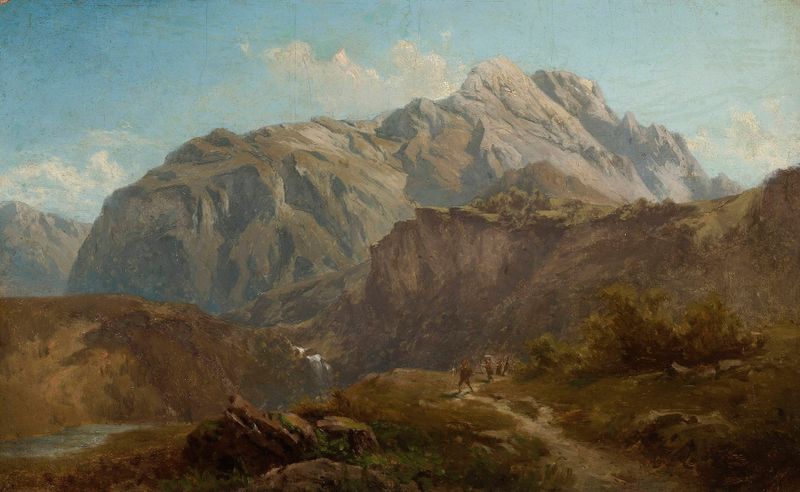
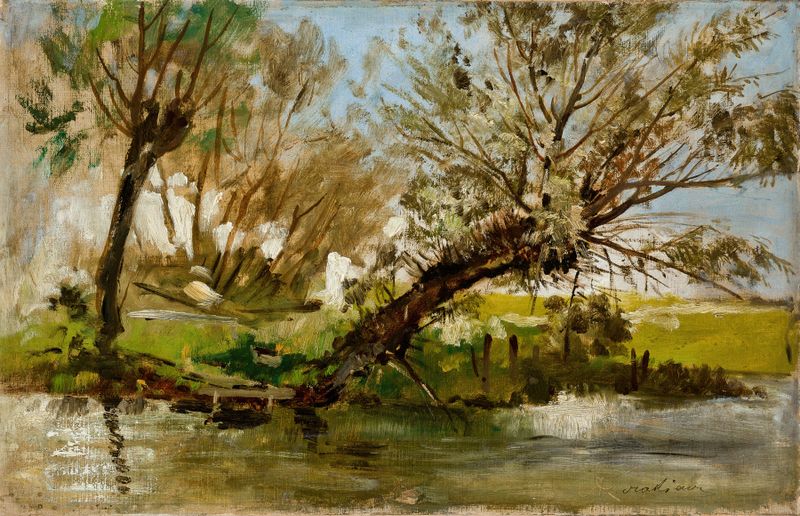
In Landscape with a Windmill, the quiet beauty of pastoral life is laced with an undercurrent of violence, as if nature itself holds its breath. Look to the center of the canvas, where the windmill stands tall against a tumultuous sky. The swirling clouds, painted in deep blues and grays, evoke a sense of impending storm, while the golden fields below seem to tremble beneath the weight of the atmosphere. Notice how the brushstrokes fluctuate—firm and confident around the windmill, yet frantic and chaotic in the grass, suggesting a tension between order and chaos. The windmill, a symbol of toil and rural life, contrasts starkly with the ferocity of the heavens above.
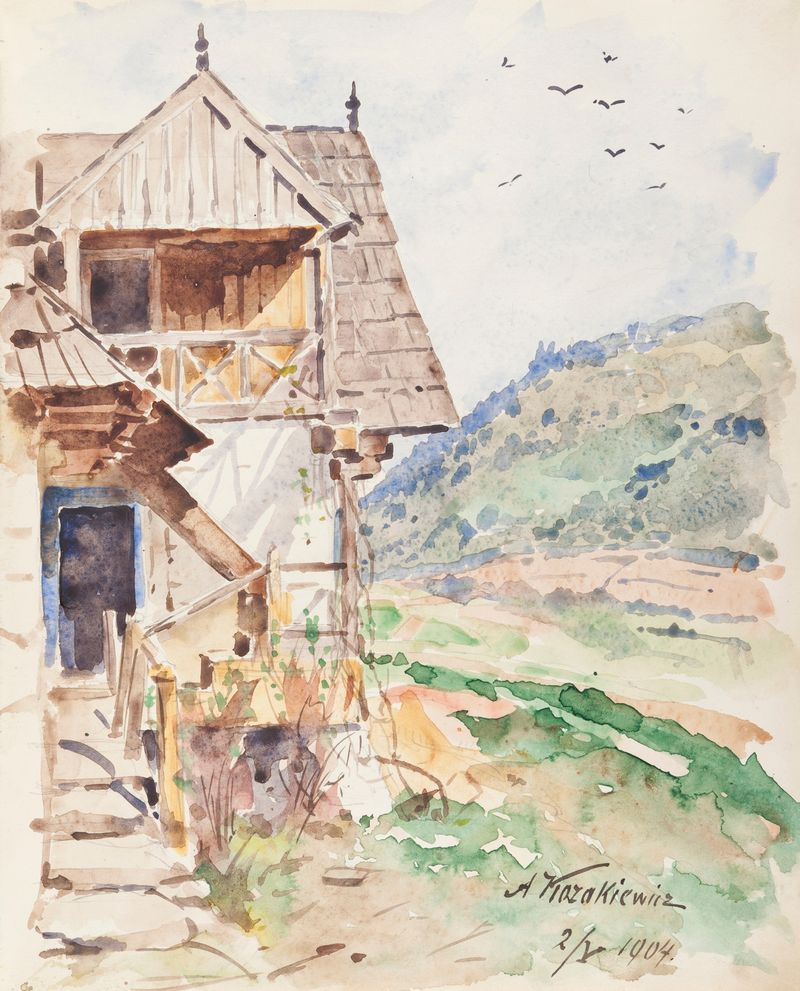
The vibrant colors of the fields, full of life, hint at the struggle for survival in a world where peace is fleeting. Each element is imbued with a duality; the landscape feels alive yet on the brink of disruption, echoing the conflict between human endeavor and nature’s unpredictable wrath. Painted in 1880, this work emerged during a period of rapid change in Europe, as industrialization began to reshape the countryside. Kozakiewicz, with a keen eye for the nuances of nature, sought to capture both its beauty and its ferocity.
As he navigated the shifting tides of artistic expression, reflecting the tension between the idyllic and the violent, he created a piece that resonates with the fragility of peace in a changing world.