Landscape with Cattle — History & Facts
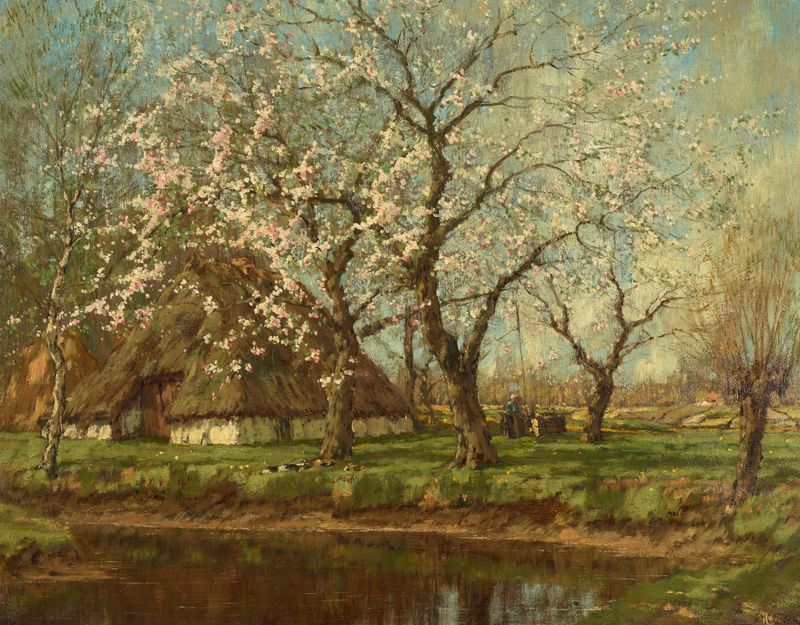
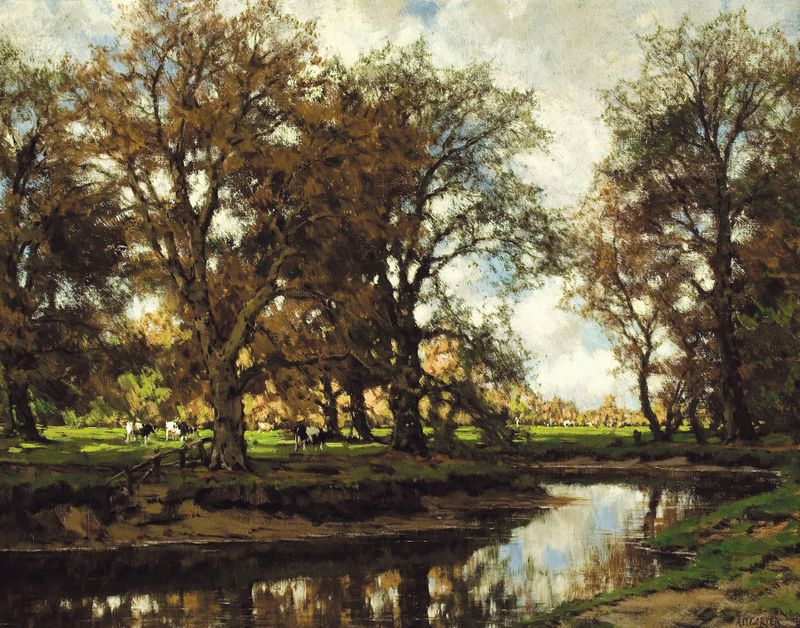
What if silence could speak through light? In Landscape with Cattle, the quietude of nature envelops the viewer, enveloping us in a serene ecstasy that resonates deep within. Look to the horizon first, where a soft golden light spills over rolling hills, casting a gentle glow that dances upon the forms of grazing cattle. Notice how the warm hues blend seamlessly with the cool greens of the grass, creating a harmony that invites you to linger. The composition draws your eye through the landscape, leading you past the tranquil beefy silhouettes and into the vast, open sky that looms overhead, hinting at the infinite possibilities of life beyond the scene. Delve deeper into the painting, and the hidden emotions begin to unfurl.
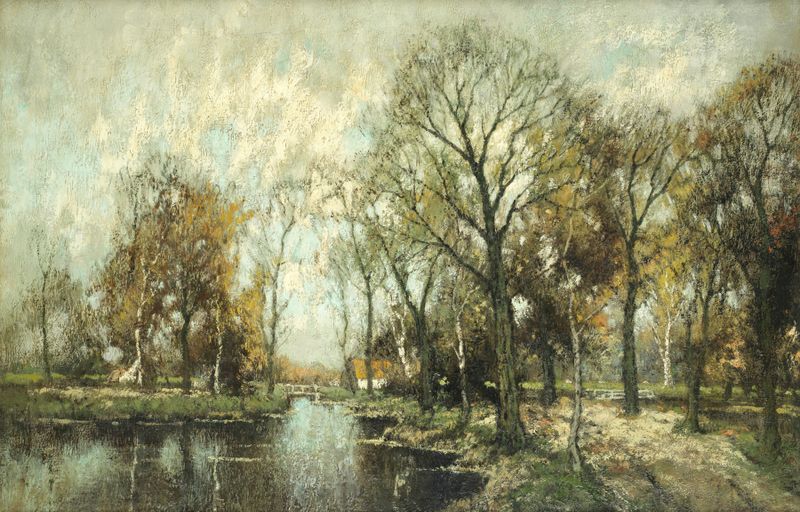
The cattle, though seemingly still, embody a quiet vitality, a reminder of the pulse of nature that thrives in stillness. The contrast between the solid, grounded figures and the ethereal sky evokes a sense of balance—life exists in both the tangible and the intangible. This duality reflects not just nature’s beauty but also a longing for connection to the earth, an ecstasy found in simplicity and solitude. Created in the late 19th century, Landscape with Cattle emerged during a time when Gorter was exploring the interplay of light and color in the Dutch countryside.
Immersed in a region steeped in pastoral tradition, he sought to capture the essence of rural life, focusing on its tranquil charm amidst the rapid changes of an industrializing world. The painting stands as a testament to his dedication to this theme, blending realism with an emotional resonance that invites contemplation.