
Landscape With Figural Staffage — History & Facts
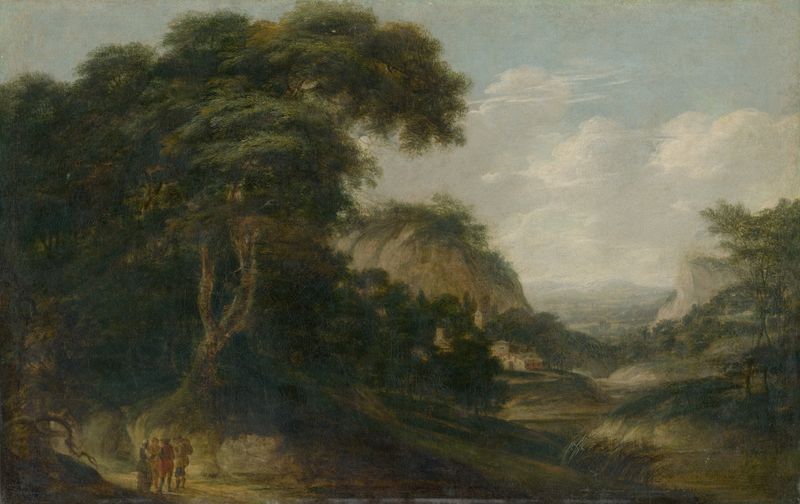
Can beauty exist without sorrow? In Landscape With Figural Staffage, a serene vista unfolds, inhabited by delicate figures whose presence hints at stories untold, embodying an awakening that mingles joy with a whisper of melancholy. Look to the left at the verdant hills, where layers of soft greens blend seamlessly with the azure sky, inviting tranquility. The figures, rendered in gentle hues, seem to stroll amidst nature, their gestures relaxed yet contemplative. Notice how the light dances across the scene, illuminating the pathways and casting shadows that breathe life into the painted landscape.
Beich’s deft brushwork creates a harmonious balance between the natural elements and human presence, guiding the viewer’s gaze through a world that feels both idyllic and introspective. Delve deeper into the composition, and you may sense the contrast between the peaceful environment and the solitude of the figures. Their slight distance from one another suggests a moment of individual reflection, evoking the bittersweet nature of existence. The interplay of light and shadow not only enhances the visual beauty but also mirrors the emotional layers of the human experience.
Each figure’s posture and expression embody a moment of awakening, capturing the tension between the allure of nature and the weight of personal introspection. Franz Joachim Beich painted Landscape With Figural Staffage between 1720 and 1730, during a period when European art was increasingly leaning towards a blend of realism and idealism. Working in the context of a changing art scene, he sought to harmonize the human experience with the beauty of the natural world, reflecting both the pastoral ideal and the complexities of life in the 18th century.
More Artworks by Franz Joachim Beich
Browse all →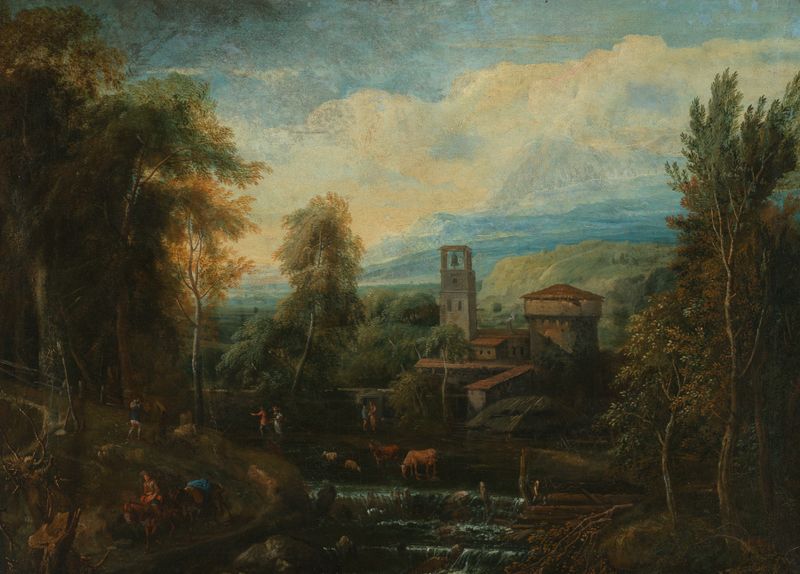
Italienische Landschaft
Franz Joachim Beich
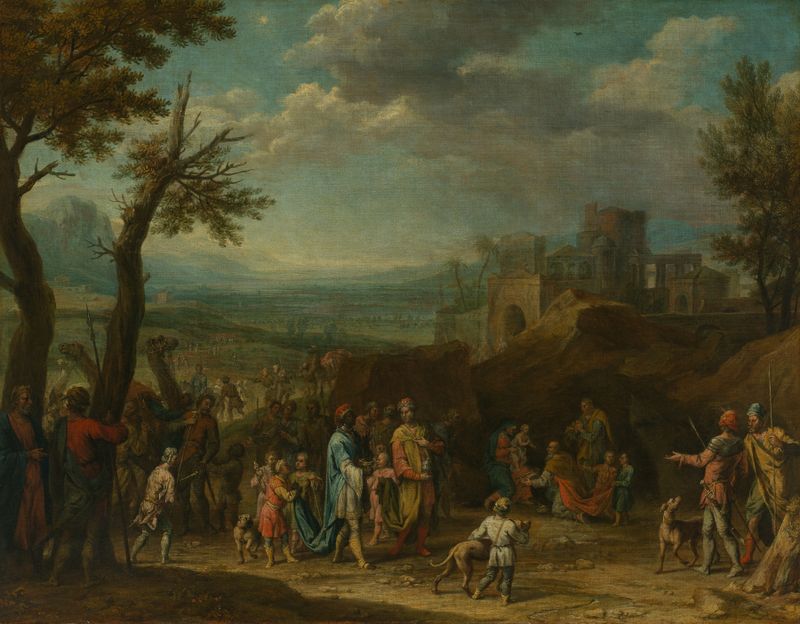
Anbetung der Könige vor weiter Landschaft
Franz Joachim Beich
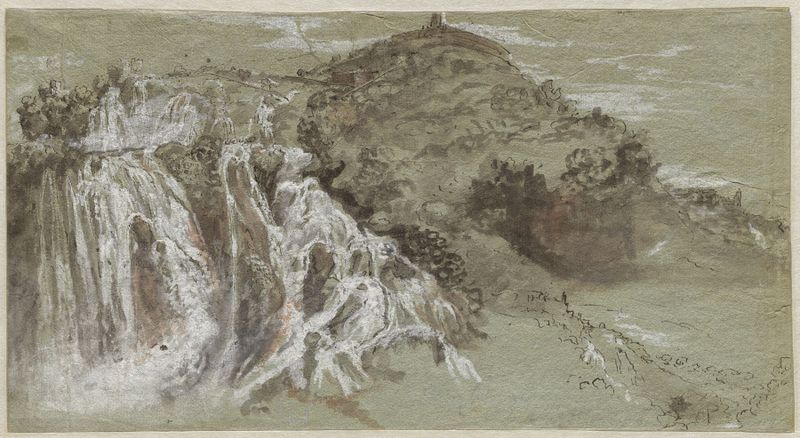
The Waterfalls at Tivoli (recto)
Franz Joachim Beich
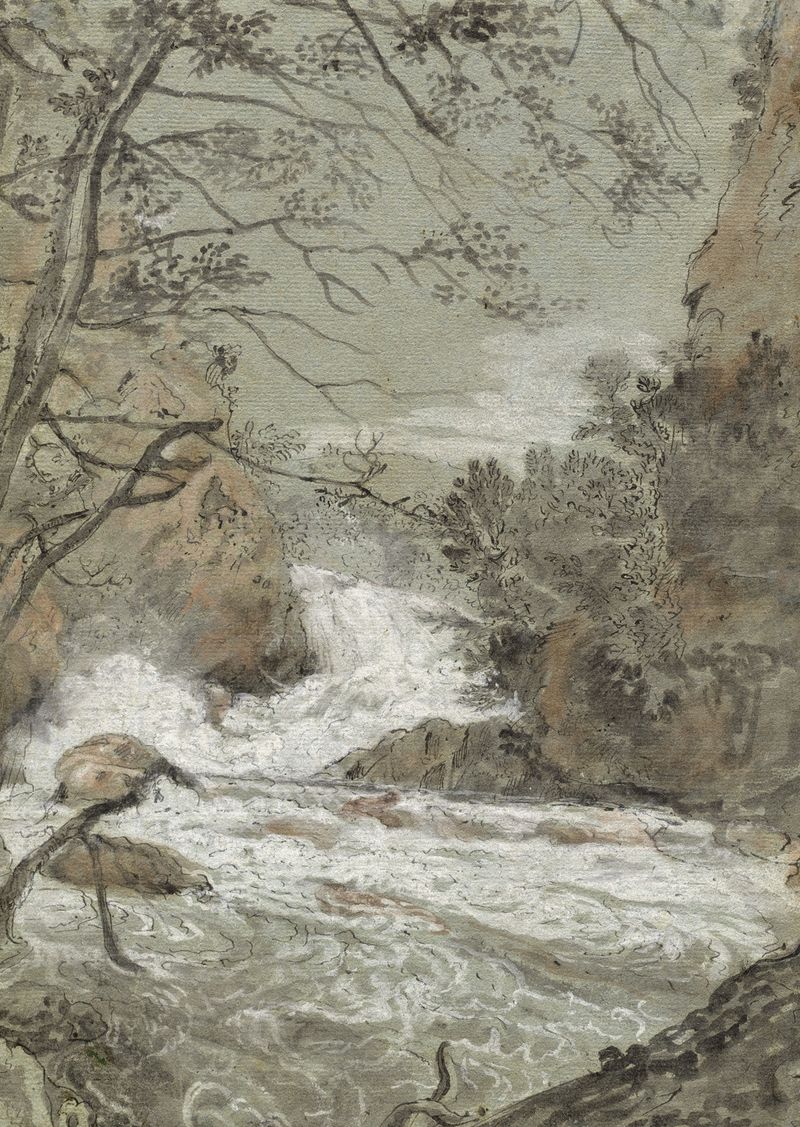
River Landscape with a Waterfall (recto)
Franz Joachim Beich
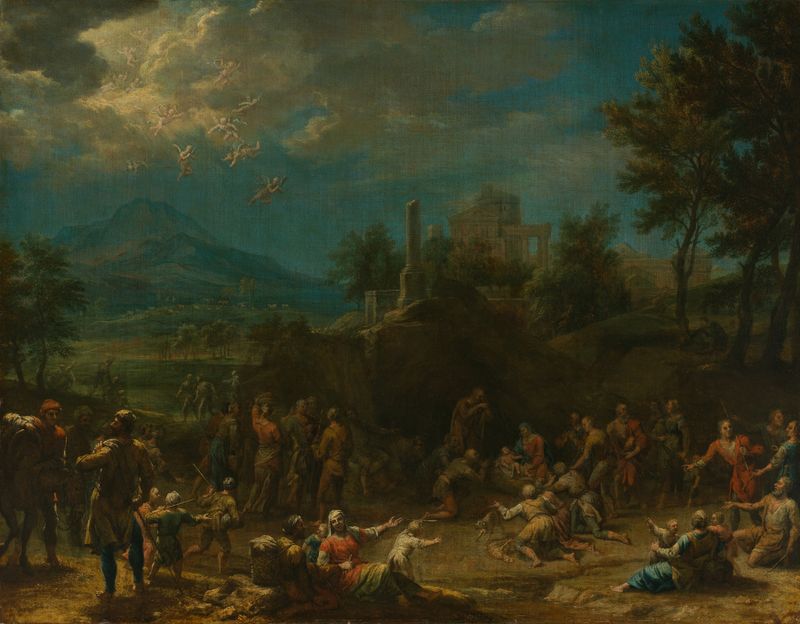
Anbetung der Hirten vor weiter Landschaft
Franz Joachim Beich
Landscape with Figural Staffage
Franz Joachim Beich
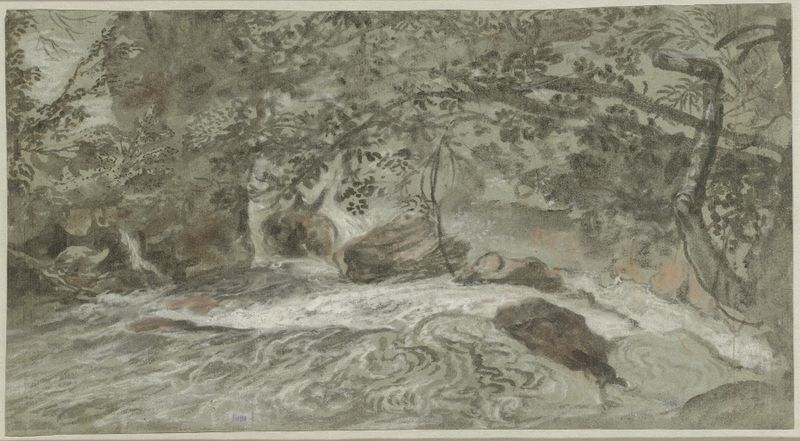
Rapids with Overhanging Branches (verso)
Franz Joachim Beich





