
Landscape with Figural Staffage — History & Facts
In the quiet stillness of Landscape with Figural Staffage, a hidden dialogue unfolds between nature and human presence, reflecting a deeper truth often overshadowed by daily life. Look to the horizon where soft, undulating hills meet a cerulean sky, inviting the viewer into a serene embrace. The gentle strokes of the artist's brush breathe life into the landscape, while the figural staffage—small figures entwined within the scene—urges you to explore the relationship between humanity and the environment. Notice how the warm hues of ochre and green contrast with the cool blues, creating a palpable sense of tranquility and reflection. In this work, the figures appear almost as whispers against the backdrop of wide-open spaces, evoking feelings of solitude and contemplation.
They remind us that, despite our smallness within the grand canvas of nature, our presence is vital. The careful balance of light and shadow not only guides the eye but also reinforces a theme of introspection, inviting us to ponder our place within this expansive landscape. Franz Joachim Beich painted this piece in 1720, amidst a flourishing era of Dutch influence on landscape art. Living in a time when personal expression through nature was beginning to take shape, he contributed to the movement’s evolution, drawing inspiration from the surrounding beauty of his native landscape.
It was a period marked by a growing appreciation for the emotional resonance of the natural world, as artists began to explore not just the physical but the reflective spaces within themselves.
More Artworks by Franz Joachim Beich
Browse all →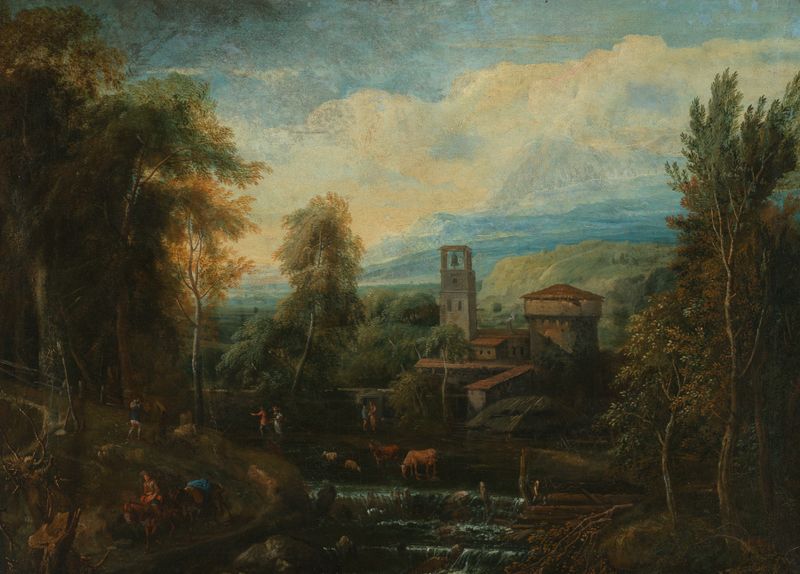
Italienische Landschaft
Franz Joachim Beich
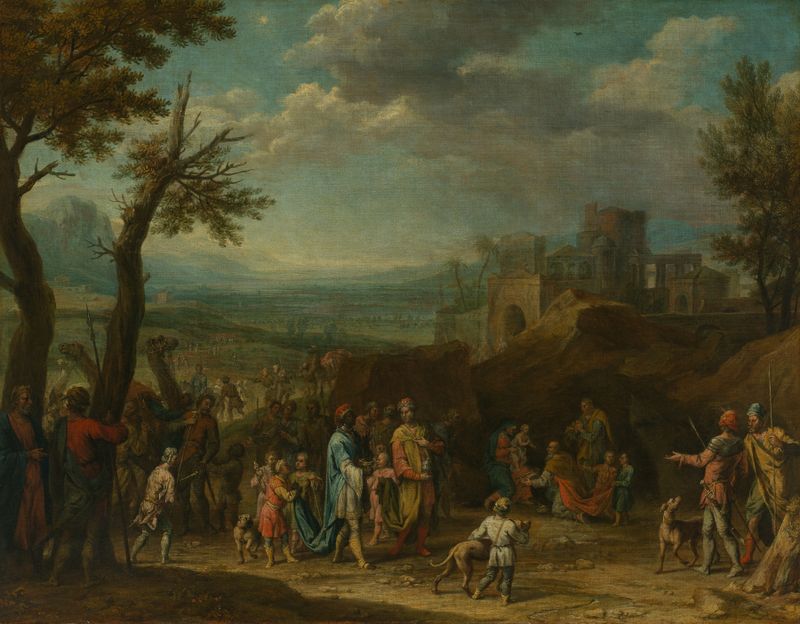
Anbetung der Könige vor weiter Landschaft
Franz Joachim Beich
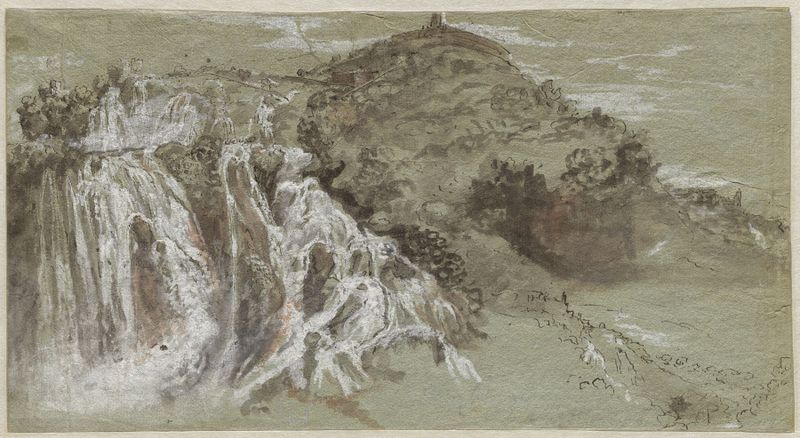
The Waterfalls at Tivoli (recto)
Franz Joachim Beich
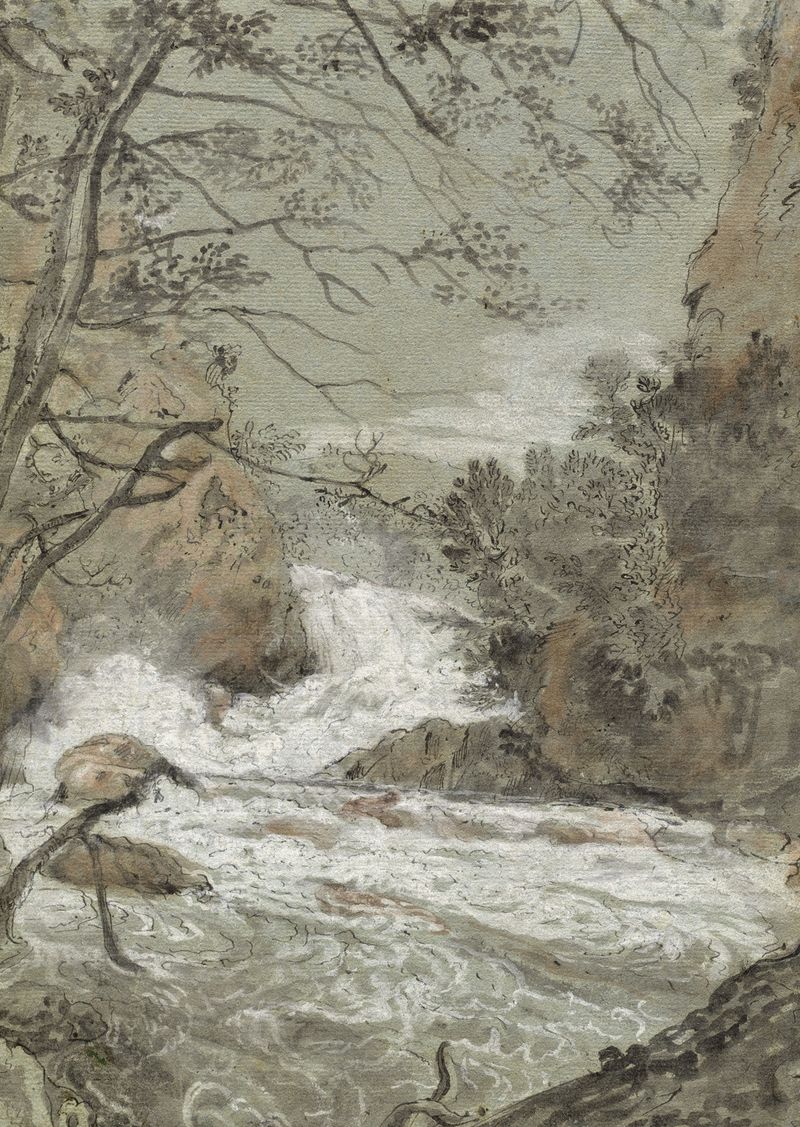
River Landscape with a Waterfall (recto)
Franz Joachim Beich
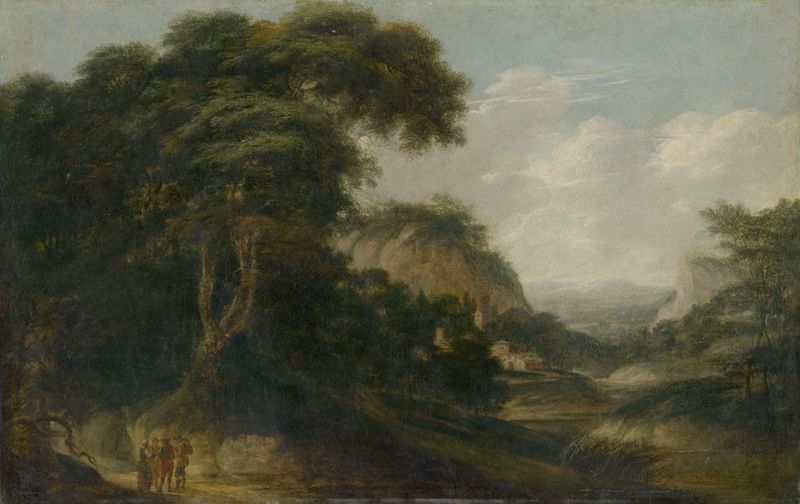
Landscape With Figural Staffage
Franz Joachim Beich
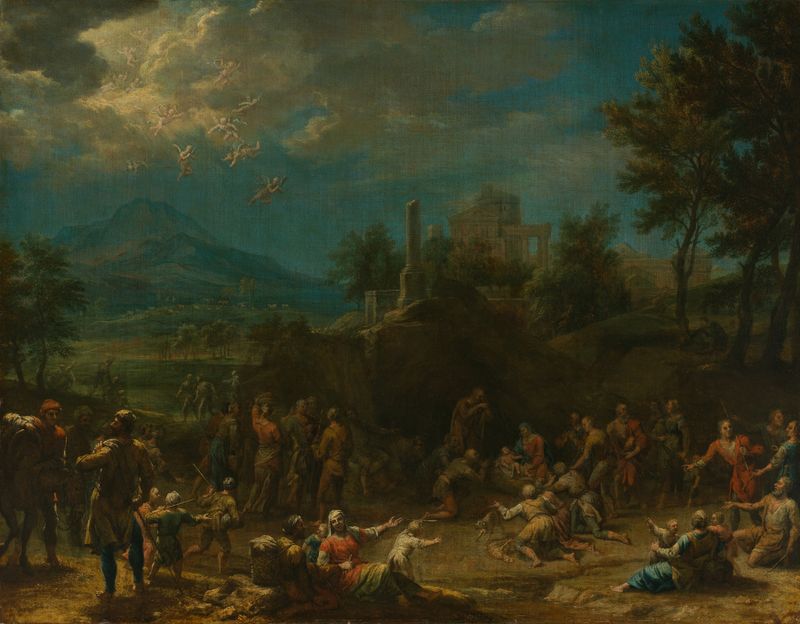
Anbetung der Hirten vor weiter Landschaft
Franz Joachim Beich
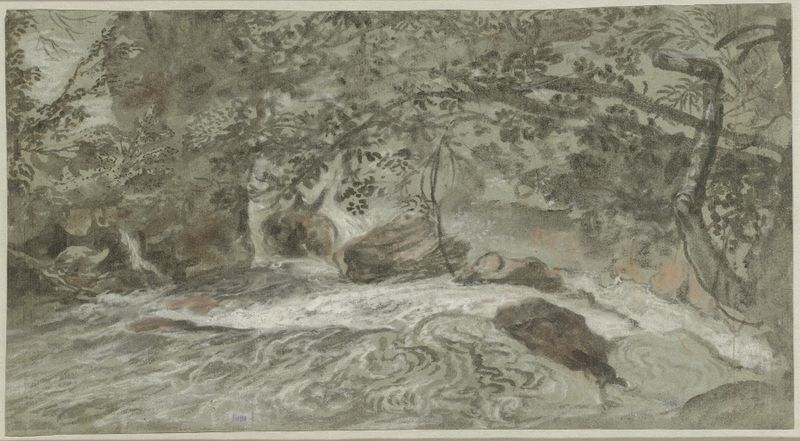
Rapids with Overhanging Branches (verso)
Franz Joachim Beich





