Landscape with Figures — History & Facts
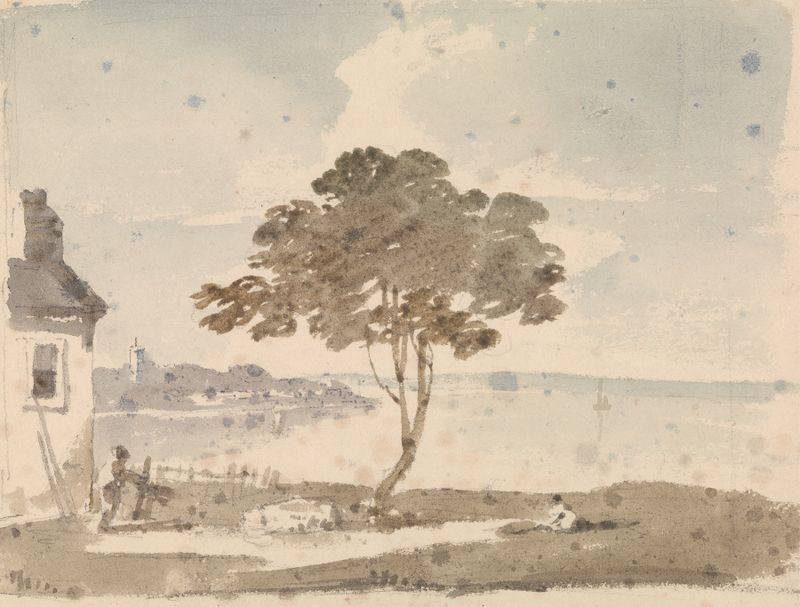
When did color learn to lie? In the realm of dreams, hues can suggest a reality that feels both familiar and elusive, evoking emotions that linger like the aftertaste of a bittersweet memory. Focus on the soft undulations of the hills, where a gentle light seems to bathe the landscape in a warm embrace. Look closely at the figures nestled within this pastoral scene; their forms almost dissolve into the background, merging with the vibrant greens and browns. Notice how the artist employs a delicate balance of brushstrokes, allowing the colors to blend seamlessly, creating a sense of harmony that masks deeper currents of unease. Hidden beneath the surface of this idyllic setting are tensions that speak to the nature of human existence.
The juxtaposition of figures against the vastness of nature suggests both belonging and isolation—a reminder of our fleeting presence in a seemingly eternal world. The muted tones offer a dreamlike quality, inviting contemplation while hinting at the disconnect between the human experience and the tranquil environment that surrounds it. Thomas Hastings painted this work in a time when Romanticism was giving way to Realism, around the late 19th century. At this juncture, he was exploring new methods of depicting landscapes, influenced by the changing attitudes toward nature and humanity’s place within it.
As he navigated this transitional period, his art reflected not only his personal explorations but also the broader artistic movement, capturing a moment where dreams and realities collide.