East Cowes, Isle of Wight — History & Facts
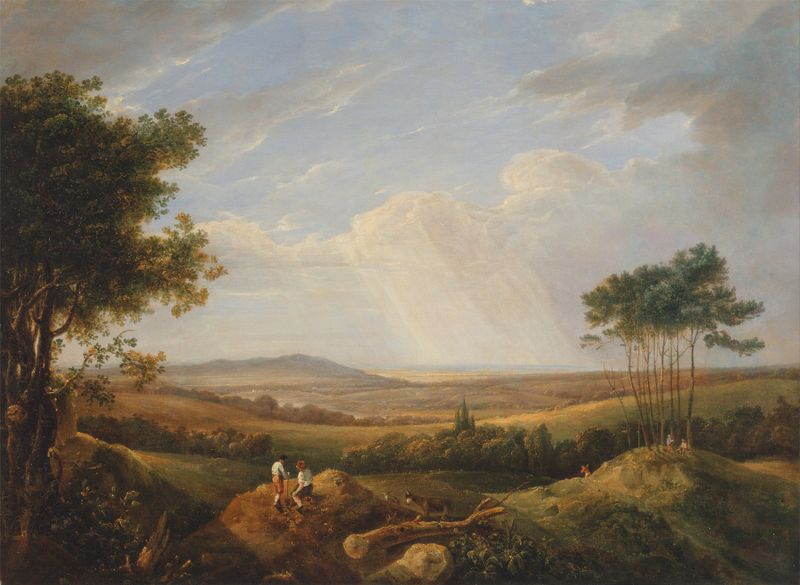
In a world where moments slip away like grains of sand, the power of movement in art captures the essence of fleeting time. Focus on the gentle undulation of the waves, where the brushstrokes create a rhythmic dance across the canvas. The muted blues and greens blend seamlessly, evoking the soft embrace of a coastal breeze. Notice how the sky, brushed with wisps of white, reflects the shimmering surface of the water below, drawing your gaze from the horizon’s edge to the vibrant life bustling along the shore.
Each stroke is deliberate yet spontaneous, illustrating the balance between stillness and the life that thrives within this tranquil setting. Beneath the serene surface lies a tension between calm and commotion. The boats, captured mid-motion, hint at the stories of their journeys while the figures on the shore seem poised between the pull of the ocean and the familiarity of land. This duality evokes the essence of transience—moments captured yet always in flux, echoing the artist’s understanding of both permanence and impermanence in the natural world and human experience. While the precise date remains unclear, East Cowes, Isle of Wight is emblematic of the early 20th century, a time of artistic exploration and the emergence of new techniques.
Hastings navigated a transitional period in art, influenced by changes in society and perspectives on nature. His work reflects not only his personal artistic journey but also a broader dialogue within the art community about capturing the ephemeral beauty of life.