
Landscape with Jacob at the Well — History & Facts
When did color learn to lie? In the depths of the canvas, hues dance on the edge of truth, inviting viewers to abandon their earthly constraints and experience a different realm. Look to the left at the vibrant greens that envelop the well, where the foliage breathes life into the scene. The gentle undulation of the hills leads your gaze toward a crystalline sky painted in soft blues and whites, embodying a serene yet intricate backdrop. The figures, delicately rendered, embody a quiet reverence; Jacob's gesture toward the well seems almost otherworldly, as if he is drawing from more than just water. In this landscape, emotional tensions simmer beneath the surface.
The juxtaposition of Jacob's humble figure against the expansive, radiant heavens suggests a longing for transcendence, a yearning to connect with something greater than oneself. The play of light across the scene not only illuminates the physical but hints at a spiritual awakening, urging the viewer to reflect on their own place in the world. Created in 1593, this piece emerged during a period of dynamic change for its creator, who was based in Flanders. At the time, artists were exploring new techniques and subject matters, breaking away from the rigid conventions of the past.
Amidst a burgeoning interest in naturalism and emotion, this work stands as a testament to Hans Bol's ability to merge the earthly with the divine, reflecting both personal and societal transformations in art.
More Artworks by Hans Bol
Browse all →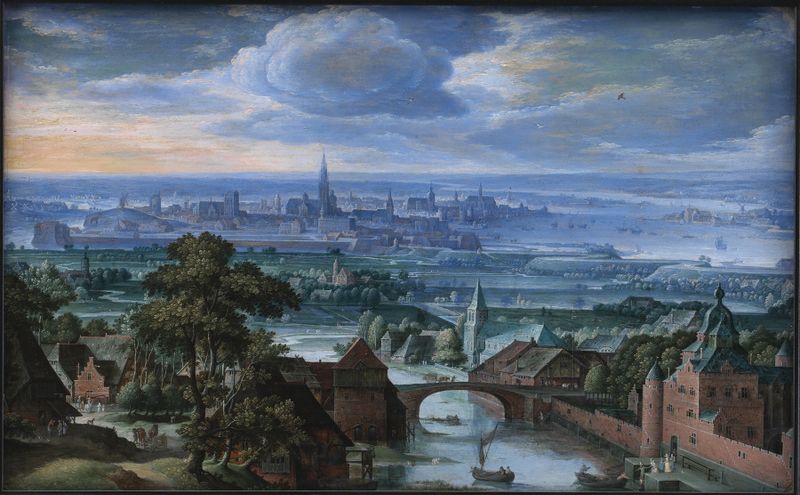
Landscape with a View of Antwerp
Hans Bol
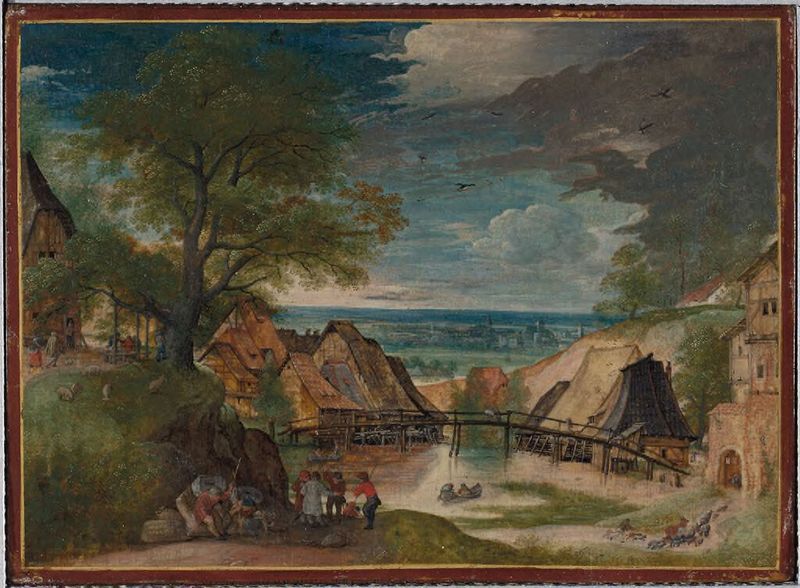
Landscape with Travelers Along a Country Road
Hans Bol
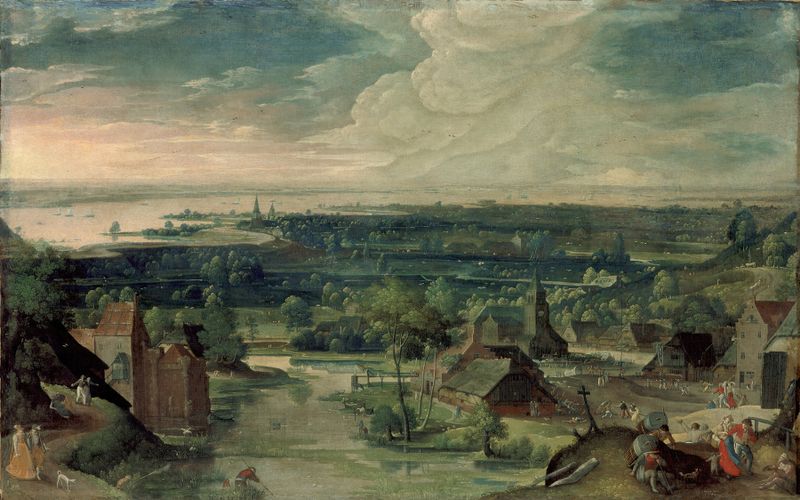
River Landscape
Hans Bol

Tournament outside a Castle
Hans Bol
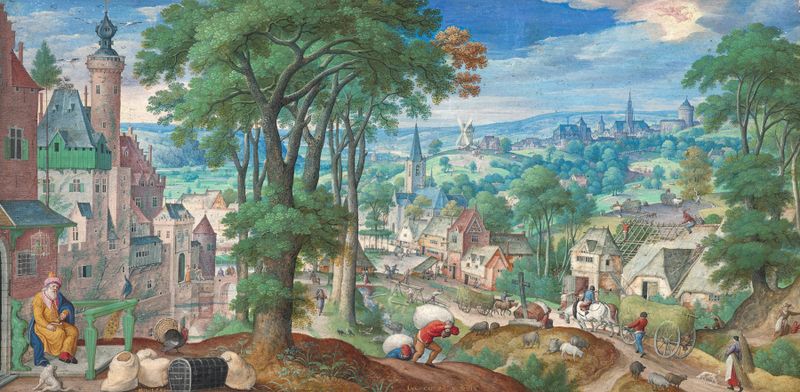
Landscape with the parable of the rich man
Hans Bol

‘The Goose Game’ on the Vijvar at the Hague
Hans Bol
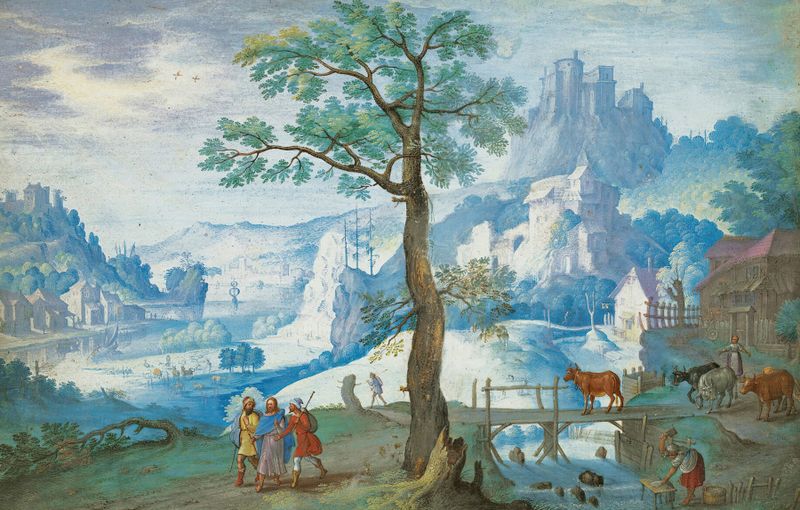
Landscape With Christ On The Road To Emmaus, A Woman Herding Cattle To The Right
Hans Bol
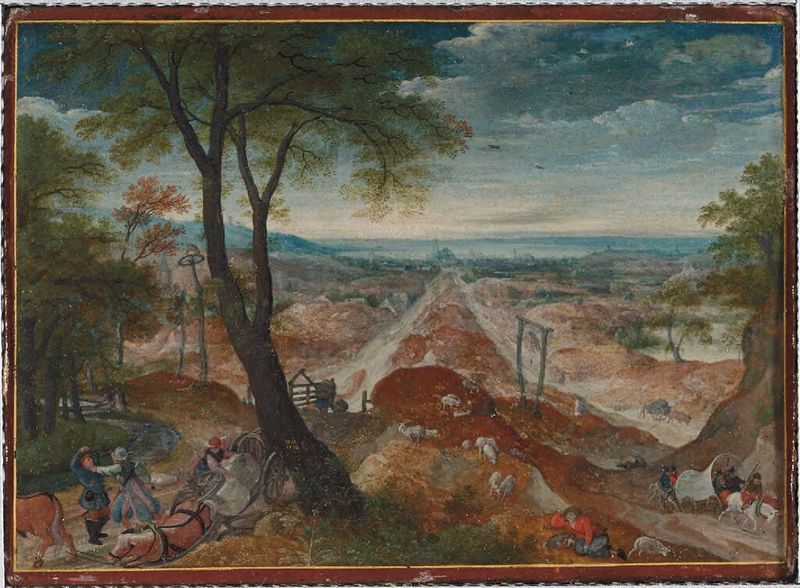
Landscape with Bandits Holding up a Man with a Wagon
Hans Bol
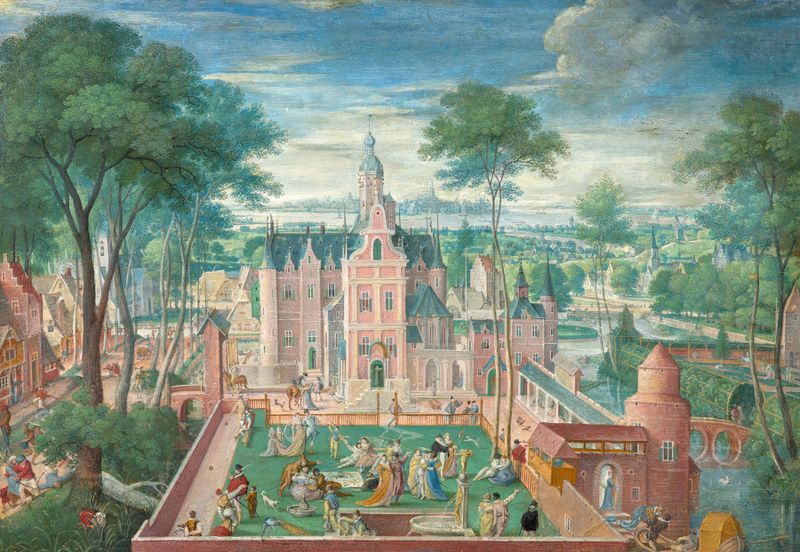
Elegant company in a garden
Hans Bol





