
‘The Goose Game’ on the Vijvar at the Hague — History & Facts
Can paint confess what words never could? Each brushstroke in this remarkable work beckons us to explore the divine interplay between playfulness and solemnity. Look to the center of the composition, where a lively group of children gather, their faces alight with joy as they engage in the vibrant game of geese. Notice how Bol expertly employs a rich palette of greens and golds, the colors almost pulsating with the vitality of youth. Surrounding them, the serene backdrop of the Dutch landscape, with its soft rolling hills and gentle waterways, cradles the scene, grounding the rapture of childhood in nature's embrace. Yet beneath the surface of this seemingly innocent game lies a deeper commentary on the passage of time and the fleeting nature of innocence.
The juxtaposition of the children's exuberance against the stillness of the lush environment hints at a world that continues to turn, indifferent to their carefree revelry. The solitary goose, depicted with both grace and vulnerability, may serve as a metaphor for the divine, reminding us that even in play, there exists a profound connection to higher truths and the cycle of life. Hans Bol created this enchanting piece in 1589 while living in the Hague, a period characterized by the burgeoning Dutch Golden Age. As European art underwent a transformation, Bol’s work reflected a desire to celebrate not only the everyday but also the spiritual dimensions of existence.
His choice to depict such a lively scene amid an emerging focus on realism and landscape art marked a significant evolution in the portrayal of divine beauty woven through the fabric of daily life.
More Artworks by Hans Bol
Browse all →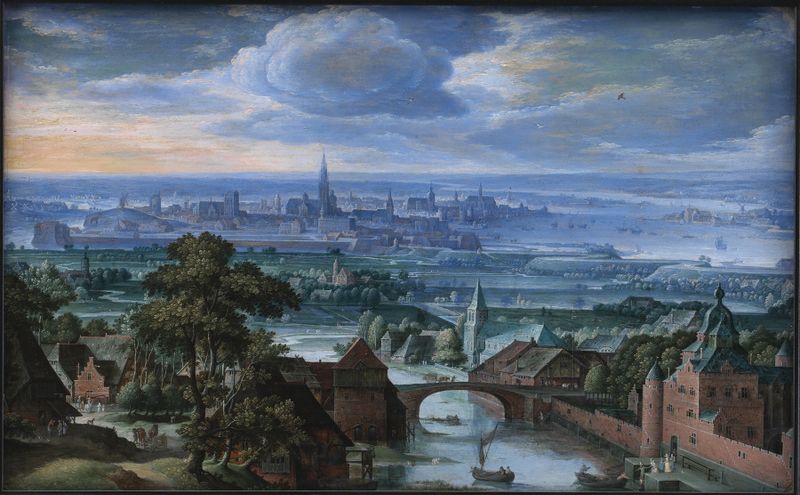
Landscape with a View of Antwerp
Hans Bol
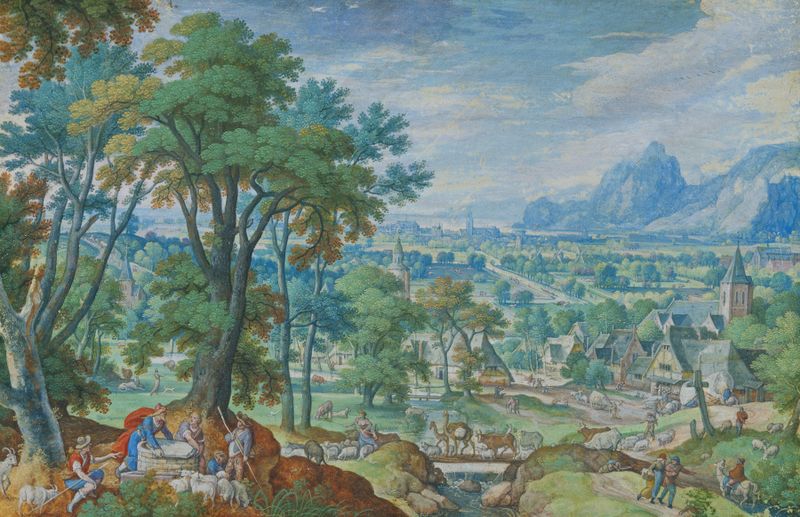
Landscape with Jacob at the Well
Hans Bol
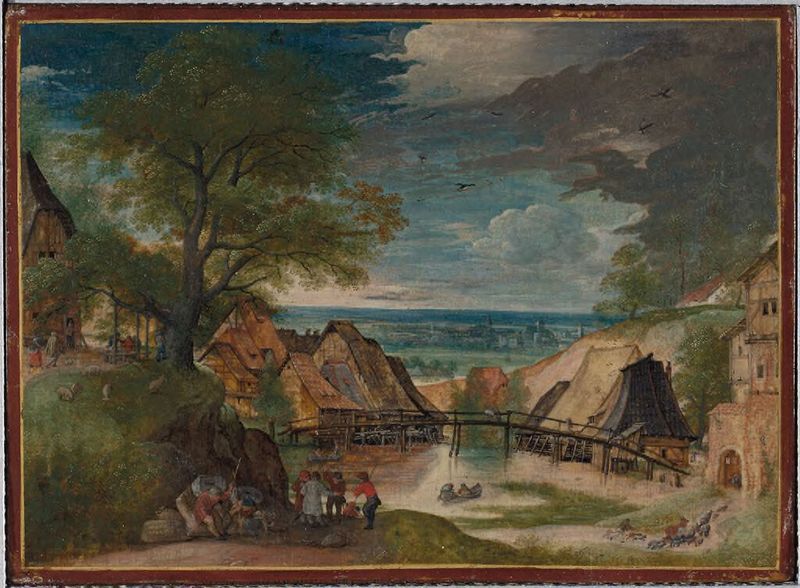
Landscape with Travelers Along a Country Road
Hans Bol
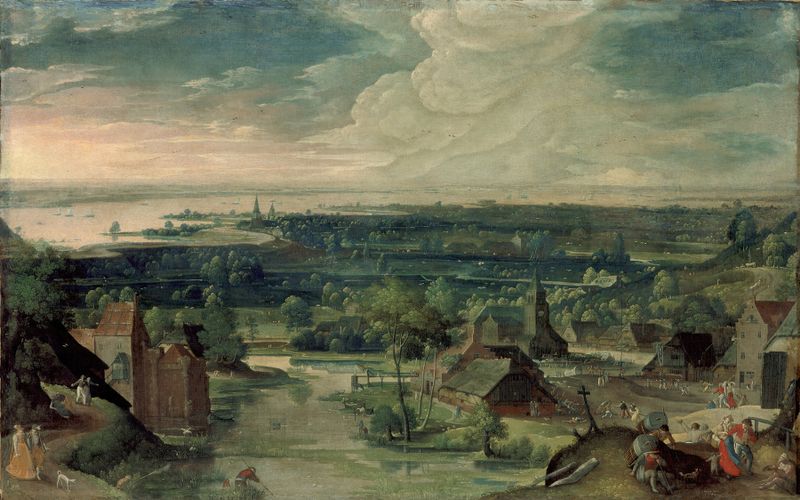
River Landscape
Hans Bol

Tournament outside a Castle
Hans Bol
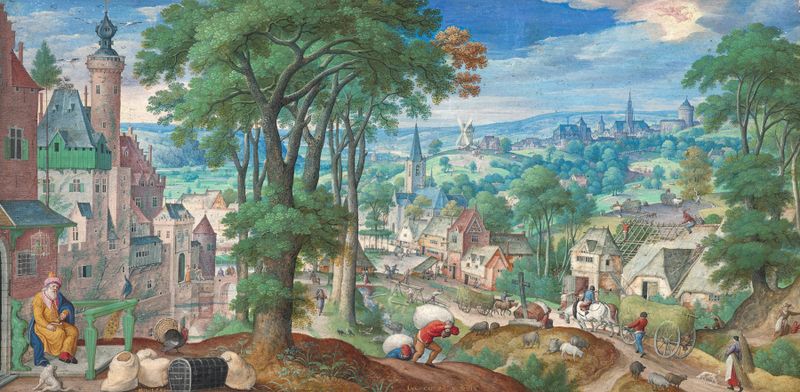
Landscape with the parable of the rich man
Hans Bol
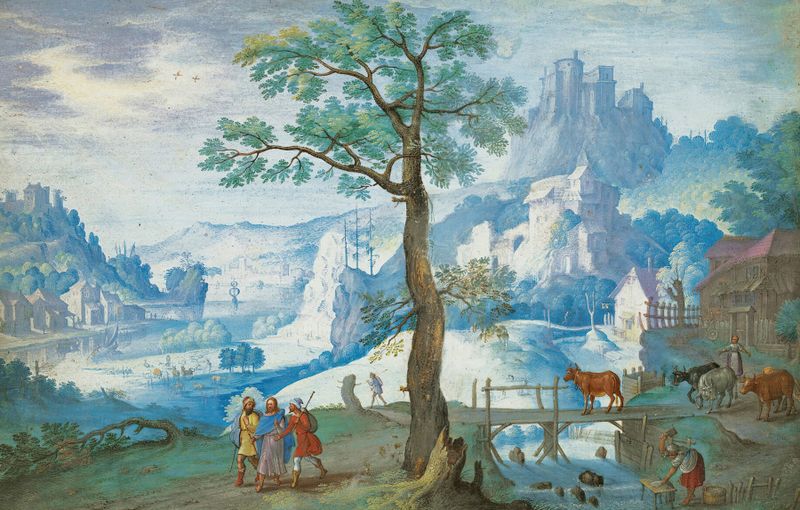
Landscape With Christ On The Road To Emmaus, A Woman Herding Cattle To The Right
Hans Bol
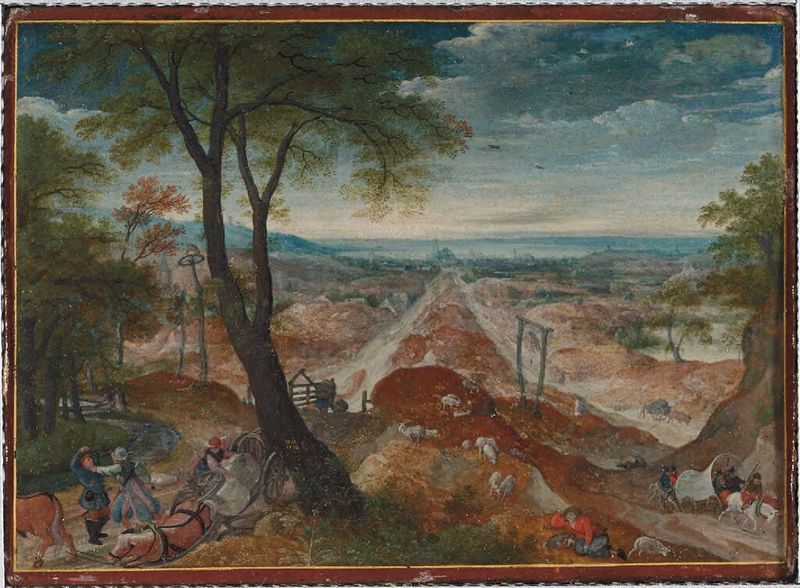
Landscape with Bandits Holding up a Man with a Wagon
Hans Bol
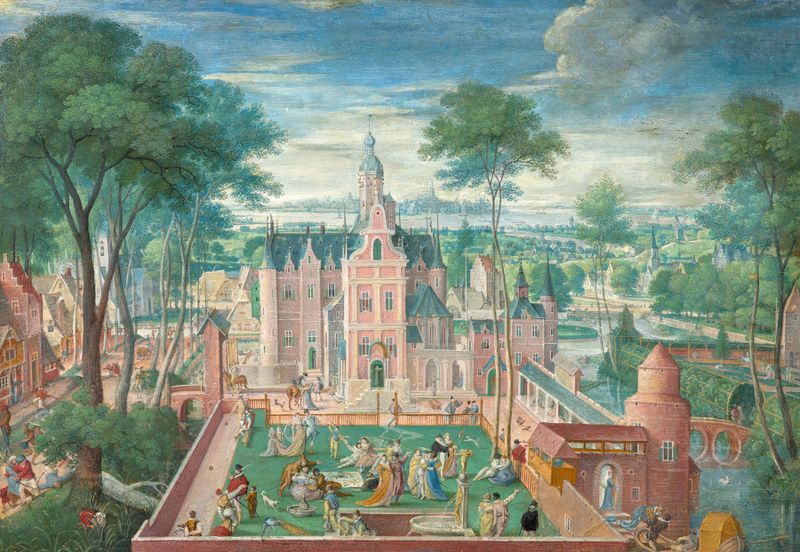
Elegant company in a garden
Hans Bol





